
 EN
EN
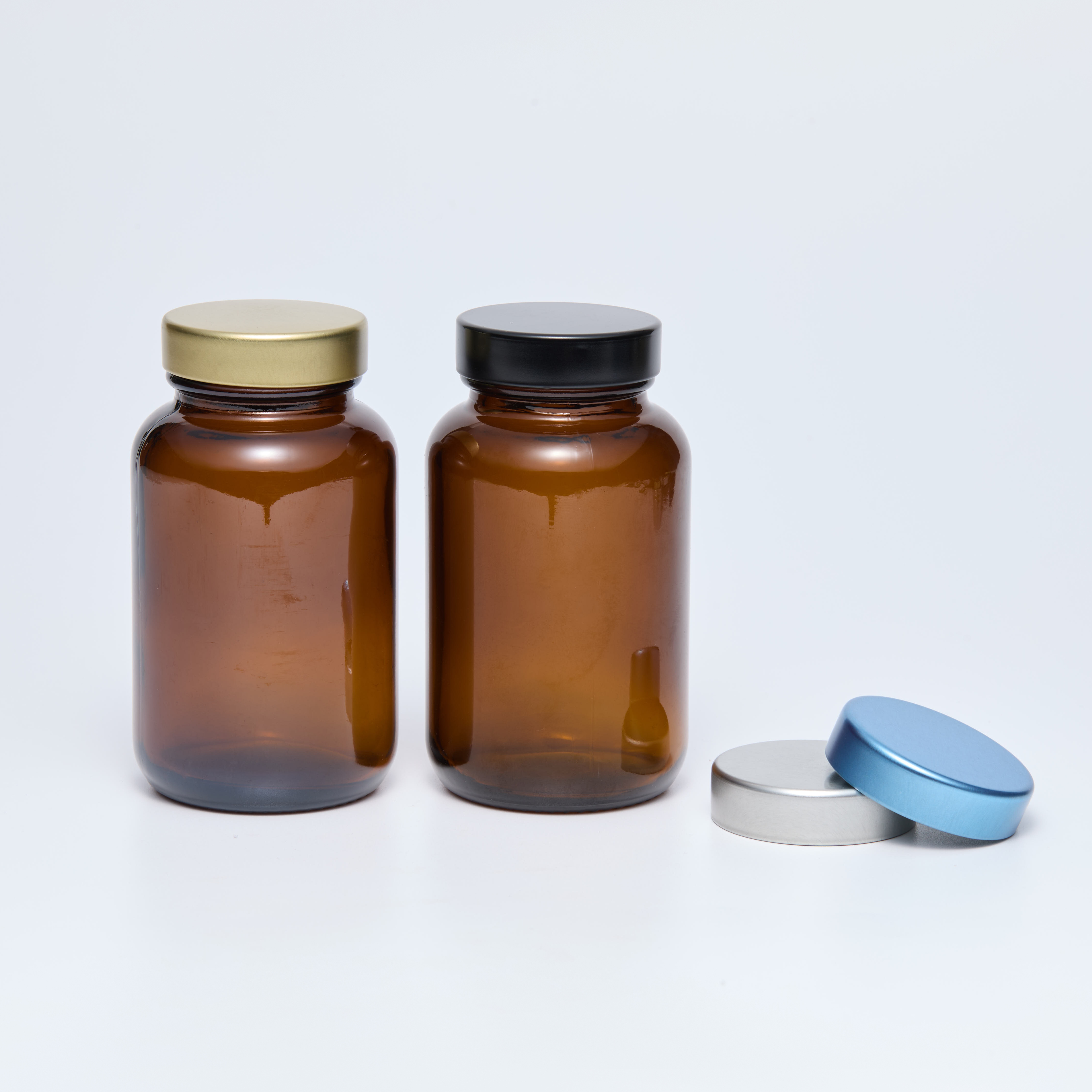
Across industries ranging from food and beverage to pharmaceuticals and personal care, B2B buyers are making a decisive shift toward more responsible packaging choices. At the center of this shift, aluminum caps have emerged as a preferred closure solution for companies that want to align procurement decisions with sustainability goals without compromising on performance or product integrity. The reasons behind this preference are not superficial — they are rooted in material science, supply chain logic, regulatory pressure, and the growing expectations of end consumers who demand greener products from the brands they trust.

Understanding why B2B buyers specifically gravitate toward aluminum caps requires looking at the full picture — from raw material recyclability and carbon footprint reduction to tamper evidence, barrier performance, and the practical economics of sourcing at scale. This article explores the key drivers behind this preference, offering decision-useful context for procurement managers, packaging engineers, and sustainability officers who are evaluating closure options for their product lines.
The Sustainability Case for Aluminum as a Packaging Material
Infinite Recyclability Sets Aluminum Apart
One of the most compelling reasons B2B buyers favor aluminum caps is the material's ability to be recycled indefinitely without any degradation in quality. Unlike plastics, which lose structural integrity after one or two recycling cycles, aluminum retains its full physical and chemical properties through repeated processing. This means that every aluminum cap that enters the recycling stream has the potential to become a new cap, a new component, or a new product — creating a genuinely circular material loop.
For companies with formal sustainability commitments or ESG reporting obligations, this characteristic is not just a marketing talking point. It directly supports measurable targets around recycled content, waste diversion, and lifecycle carbon reduction. Procurement teams sourcing aluminum caps can credibly claim that their packaging contributes to a circular economy, which is increasingly important when reporting to investors, regulators, and retail partners.
The recycling infrastructure for aluminum is also far more mature and globally distributed than that for many alternative materials. This means that aluminum caps are not just theoretically recyclable — they are practically recycled at high rates in most major markets, giving buyers confidence that the sustainability benefit is real rather than aspirational.
Lower Carbon Footprint Over the Product Lifecycle
When B2B buyers conduct lifecycle assessments of their packaging, aluminum caps consistently perform well on carbon metrics, particularly when recycled aluminum content is factored in. Producing aluminum from recycled material requires approximately 95% less energy than producing it from virgin bauxite ore. This dramatic energy saving translates directly into a lower carbon footprint for every unit of packaging produced.
For high-volume buyers sourcing millions of closures annually, even a modest reduction in per-unit carbon intensity adds up to a significant improvement in overall scope 3 emissions. This matters because scope 3 emissions — those generated in the supply chain rather than directly by the company — are increasingly scrutinized by regulators and institutional investors. Choosing aluminum caps with high recycled content is one of the more straightforward ways to move the needle on these figures.
Additionally, aluminum's high strength-to-weight ratio means that aluminum caps can be manufactured with less material than equivalent closures in heavier materials, further reducing the embodied carbon per unit. This efficiency is particularly relevant for buyers optimizing both sustainability and logistics costs simultaneously.
Functional Performance That Justifies the Preference
Superior Barrier Properties for Product Protection
Sustainability credentials alone would not be sufficient to drive B2B preference if aluminum caps did not also deliver strong functional performance. In practice, they do. Aluminum provides an excellent barrier against oxygen, moisture, light, and contaminants — all of which are critical for preserving product quality in food, beverage, pharmaceutical, and chemical applications.
For products that are sensitive to oxidation or moisture ingress, the barrier performance of aluminum caps directly affects shelf life, product efficacy, and consumer safety. Buyers in regulated industries such as pharmaceuticals and nutraceuticals particularly value this characteristic because it reduces the risk of product degradation and the associated liability and recall costs.
When aluminum caps are combined with heat induction liners, the seal integrity is further enhanced. The induction sealing process creates a hermetic bond between the liner and the container mouth, providing both a tamper-evident feature and an additional barrier layer. This combination makes aluminum caps a highly practical choice for products that require both sustainability and rigorous protection standards.
Tamper Evidence and Consumer Trust
B2B buyers are acutely aware that packaging is not just a container — it is a signal of brand integrity to the end consumer. Aluminum caps offer strong tamper-evident properties that are visually clear and difficult to replicate or disguise. When a consumer opens a product sealed with an aluminum cap, the deformation or breakage of the closure provides unambiguous evidence of whether the product has been accessed previously.
This tamper evidence function is especially important in categories where product safety is paramount, such as pharmaceuticals, dietary supplements, and premium food products. For B2B buyers supplying these categories, choosing aluminum caps is partly a risk management decision — it reduces the likelihood of tampering incidents and the reputational damage that follows.
The aesthetic quality of aluminum caps also contributes to perceived product value. The material's natural metallic finish, combined with options for embossing, printing, and color coating, allows brands to create a premium visual impression that resonates with consumers. This dual function — protection and presentation — makes aluminum caps a commercially intelligent choice beyond their sustainability merits.
Regulatory and Market Drivers Accelerating Adoption
Packaging Regulations Are Pushing Buyers Toward Recyclable Closures
Regulatory environments in major markets are increasingly mandating or incentivizing the use of recyclable and recycled-content packaging. Extended producer responsibility schemes, plastic packaging taxes, and mandatory recyclability requirements are creating direct financial and compliance incentives for B2B buyers to move away from non-recyclable closures and toward materials like aluminum.
In the European Union, for example, packaging regulations are progressively tightening requirements around recyclability and recycled content. Buyers who have already transitioned to aluminum caps are better positioned to meet these requirements without costly reformulation or repackaging exercises. For procurement teams thinking ahead, choosing aluminum caps now is a form of regulatory risk mitigation.
Similar trends are visible in North America, where state-level extended producer responsibility laws and voluntary industry commitments are driving packaging decisions. B2B buyers who supply retail chains with their own sustainability commitments face additional pressure from their customers to demonstrate responsible packaging choices throughout the supply chain. Aluminum caps provide a credible, verifiable answer to these demands.
Retail and Brand Owner Requirements Are Shaping Supplier Decisions
Large retail chains and brand owners have become increasingly prescriptive about the packaging materials used by their suppliers. Sustainability scorecards, packaging audits, and supplier qualification criteria now routinely include questions about closure recyclability, recycled content, and lifecycle impact. B2B buyers who source aluminum caps are better equipped to satisfy these requirements and maintain preferred supplier status.
This dynamic creates a cascading effect throughout the supply chain. When a major retailer or brand owner sets a packaging sustainability standard, every supplier in that chain must adapt. Buyers who have already standardized on aluminum caps find themselves ahead of the curve, able to respond quickly to new requirements without disrupting their production processes.
The preference for aluminum caps among B2B buyers is therefore not purely an internal sustainability decision — it is also a strategic response to external market signals from customers, regulators, and investors who are collectively raising the bar on packaging responsibility.
Economic and Supply Chain Considerations
Total Cost of Ownership Favors Aluminum at Scale
While the unit cost of aluminum caps may be comparable to or slightly higher than some alternative closures, B2B buyers evaluating total cost of ownership often find that aluminum caps deliver favorable economics over the full procurement and production cycle. The material's durability reduces damage rates during transit and handling, lowering waste and replacement costs. Its compatibility with high-speed capping equipment reduces line downtime and maintenance requirements.
For buyers sourcing aluminum caps at high volumes, the ability to negotiate stable pricing based on recycled aluminum content also provides some insulation against the price volatility that affects virgin material markets. Suppliers who use a high proportion of recycled aluminum in their production are less exposed to bauxite mining cost fluctuations, which can translate into more predictable pricing for buyers.
The long shelf life and stable performance of aluminum caps also reduce the risk of quality failures in the field, which carry their own significant costs in terms of product recalls, customer complaints, and brand damage. When these downstream risk factors are included in the cost calculation, aluminum caps frequently emerge as the economically rational choice as well as the sustainable one.
Compatibility with Diverse Container Types Simplifies Sourcing
Another practical advantage that drives B2B preference for aluminum caps is their compatibility with a wide range of container materials, including glass, PET, and other plastics. This versatility allows buyers to standardize on a single closure type across multiple product lines and container formats, simplifying procurement, inventory management, and supplier relationships.
For companies that produce both glass-bottled and PET-bottled products, the ability to use aluminum caps across both formats reduces the complexity of managing multiple closure specifications. This standardization benefit is particularly valuable for mid-sized manufacturers who want to streamline their supply chains without sacrificing packaging performance or sustainability credentials.
The availability of aluminum caps in standardized sizes and thread profiles also facilitates compatibility with existing capping equipment, reducing the capital investment required to transition from other closure types. This lowers the barrier to adoption and makes the switch to aluminum caps a more straightforward operational decision for procurement and production teams.
FAQ
Are aluminum caps more sustainable than plastic caps?
Yes, in most lifecycle assessments, aluminum caps outperform plastic caps on key sustainability metrics. Aluminum is infinitely recyclable without quality loss, whereas most plastics degrade after one or two recycling cycles. When produced with a high proportion of recycled content, aluminum caps also carry a significantly lower carbon footprint than virgin plastic alternatives. For B2B buyers with formal sustainability targets, this makes aluminum caps a more defensible and measurable choice.
Do aluminum caps work with both glass and PET bottles?
Yes, aluminum caps are designed to be compatible with both glass and PET containers, provided the thread profile and diameter specifications match. This cross-compatibility is one of the practical reasons B2B buyers prefer aluminum caps — it allows standardization across different container formats within the same product portfolio, simplifying procurement and inventory management without requiring separate closure specifications for each container type.
What role do heat induction liners play in aluminum cap performance?
Heat induction liners significantly enhance the sealing performance of aluminum caps by creating a hermetic bond between the liner and the container mouth during the induction sealing process. This provides both a tamper-evident feature and an additional barrier against oxygen, moisture, and contamination. For products in pharmaceutical, nutraceutical, and premium food categories, this combination of aluminum cap and induction liner is a standard approach to meeting both safety and shelf-life requirements.
How do aluminum caps support ESG reporting for B2B companies?
Aluminum caps support ESG reporting in several concrete ways. Their high recyclability contributes to circular economy metrics, their recycled content reduces scope 3 carbon emissions, and their compliance with major market recyclability standards helps companies meet regulatory and retail sustainability requirements. For procurement teams responsible for packaging-related ESG disclosures, aluminum caps provide verifiable, quantifiable sustainability data that can be incorporated into annual reports, supplier questionnaires, and investor communications.