
 EN
EN
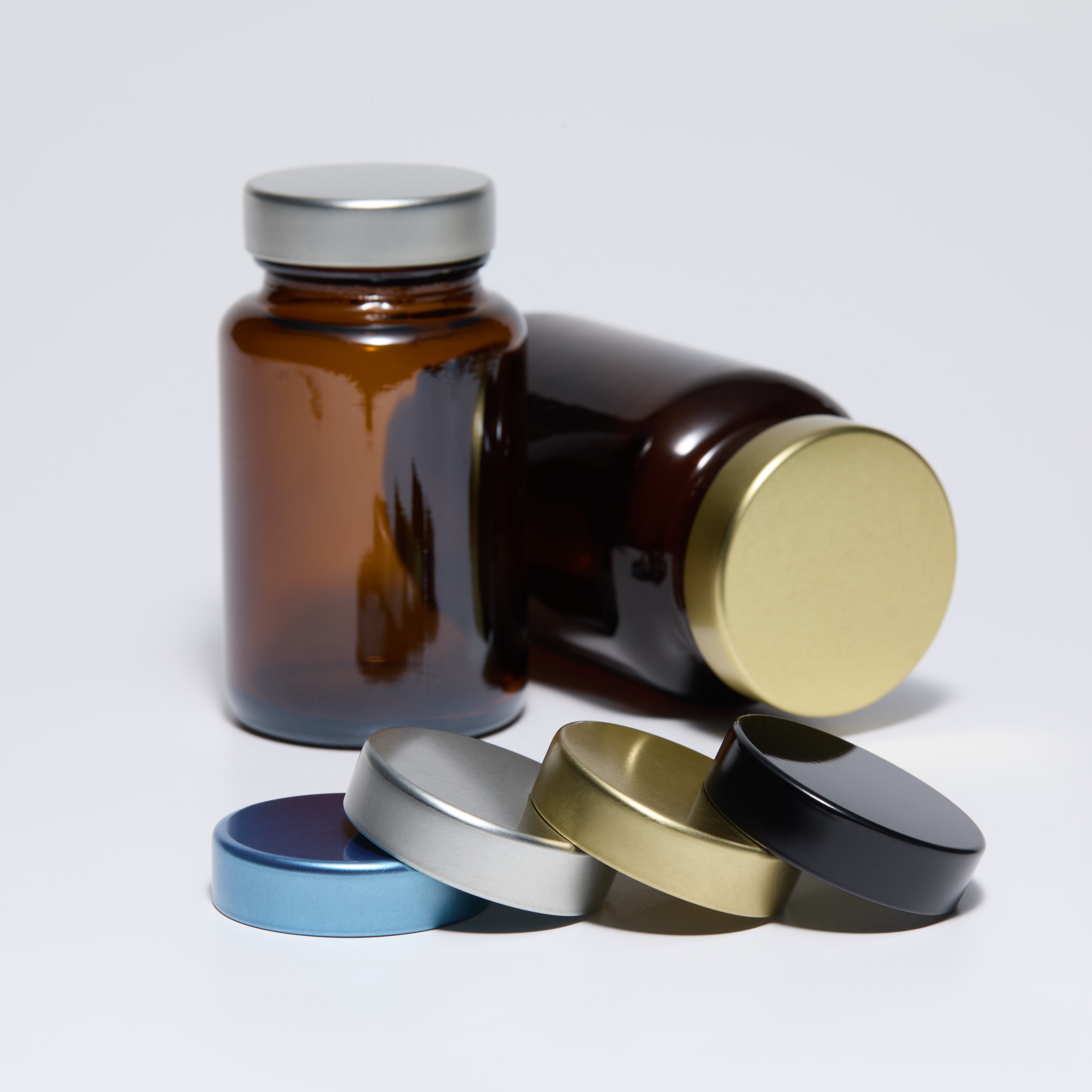
In the pharmaceutical and food industries, the integrity of a sealed container is not a minor detail — it is a fundamental requirement for product safety, regulatory compliance, and consumer trust. Among the many components that contribute to a reliable seal, cap liners play a role that is often underestimated until something goes wrong. These thin, precisely engineered discs sit inside bottle caps and closures, forming the critical barrier between the product and the outside environment. Whether the contents are life-saving medications, nutritional supplements, or food-grade liquids, the performance of cap liners directly determines whether those contents remain safe, potent, and uncontaminated from the moment of filling to the moment of use.
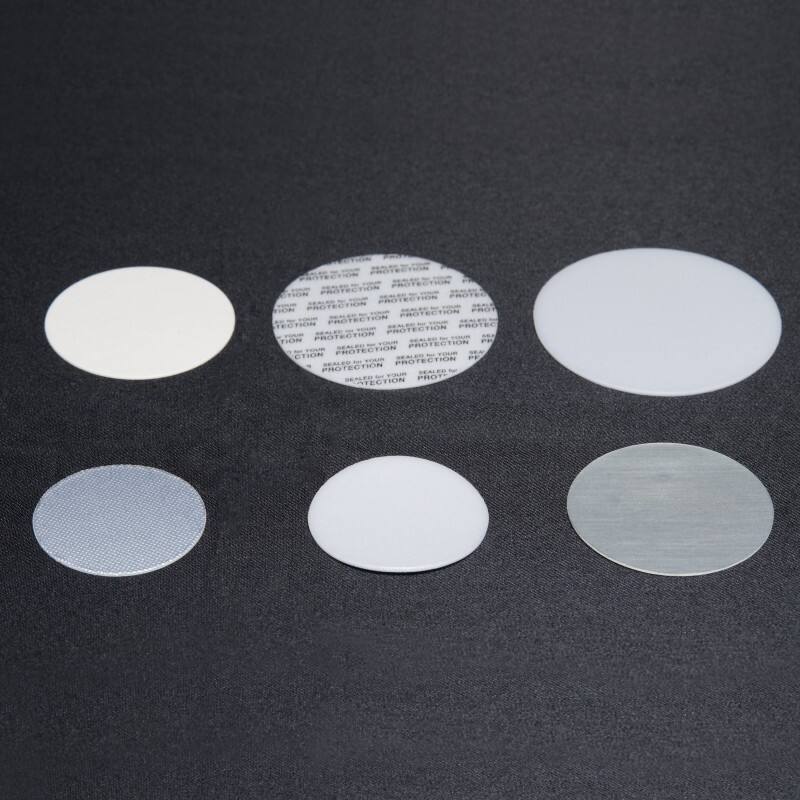
Understanding why cap liners matter requires looking beyond the cap itself and examining the full chain of risks that sealed packaging is designed to prevent. Contamination, oxidation, leakage, tampering, and moisture ingress are all real threats that can compromise product quality and endanger end users. Cap liners are engineered specifically to address these threats, and their importance becomes especially clear in regulated industries where the consequences of packaging failure extend far beyond a customer complaint. This article explores the specific reasons why cap liners are indispensable in pharmaceutical and food safety contexts, and what makes them such a critical component in modern packaging systems.
The Functional Role of Cap Liners in Sealed Packaging
Creating a Reliable Barrier Against Contamination
The primary function of cap liners is to create a tight, consistent seal between the cap and the container opening. Without this seal, even a well-manufactured bottle and cap combination can allow microscopic gaps that permit air, moisture, and microbial contaminants to enter. In pharmaceutical applications, this kind of contamination can degrade active ingredients, alter drug efficacy, or introduce harmful pathogens into a product that patients depend on for their health. Cap liners eliminate these gaps by conforming to the surface of the container's finish, compensating for minor irregularities in glass or plastic that would otherwise compromise the seal.
In food packaging, the same principle applies with equal urgency. Oxygen ingress accelerates spoilage, promotes mold growth, and shortens shelf life in ways that are both economically damaging and potentially hazardous to consumers. Cap liners made from materials such as foam, foil, or multi-layer composites are selected specifically for their ability to block oxygen transmission and maintain an airtight environment inside the container. The choice of liner material is not arbitrary — it is driven by the chemical and physical properties of the product being packaged and the conditions it will face during storage and distribution.
Preventing Leakage and Product Loss
Leakage is one of the most visible and costly failures in liquid packaging, and cap liners are the primary defense against it. When a bottle containing a pharmaceutical liquid, a food-grade oil, or a beverage concentrate is subjected to pressure changes during transport or temperature fluctuations during storage, the internal pressure can force liquid past a poorly sealed cap. Cap liners absorb and distribute this pressure, maintaining a seal that holds even under challenging conditions. This is particularly important for products shipped across different climates or altitudes, where pressure differentials can be significant.
Beyond the immediate cost of lost product, leakage creates secondary risks including label damage, cross-contamination between products in the same shipment, and the potential for consumers to receive a product that has already been partially exposed to the environment. For pharmaceutical manufacturers, a leaking container can also trigger regulatory scrutiny and product recalls. Cap liners provide the mechanical resilience needed to prevent these outcomes, making them a cost-effective investment relative to the risks they mitigate.
Why Cap Liners Are Critical for Pharmaceutical Compliance
Meeting Regulatory Standards for Drug Packaging
Pharmaceutical packaging is subject to some of the most stringent regulatory requirements of any industry. Regulatory bodies require that packaging systems demonstrate their ability to protect the drug product throughout its intended shelf life under defined storage conditions. Cap liners are a direct contributor to meeting these requirements because they are part of the container closure system, which must be validated as part of the drug approval process. The materials used in cap liners must be chemically compatible with the drug product, meaning they must not leach harmful substances into the formulation or absorb active ingredients from it.
This compatibility testing is a non-negotiable step in pharmaceutical packaging development. Cap liners that fail compatibility testing can cause extractables and leachables to appear in the drug product, which can alter its safety profile and trigger regulatory rejection. Manufacturers who invest in properly validated cap liners avoid these costly setbacks and demonstrate to regulators that their packaging system is designed with patient safety as the primary concern. The documentation and traceability associated with pharmaceutical-grade cap liners also support audit readiness and quality management system compliance.
Supporting Child-Resistant and Tamper-Evident Packaging
In pharmaceutical retail packaging, cap liners often work in conjunction with child-resistant closures and tamper-evident features to provide multiple layers of protection. Induction-sealed cap liners, for example, create a foil membrane that must be visibly broken before the product can be accessed. This provides consumers with a clear, reliable indicator that the product has not been opened or tampered with prior to purchase. For over-the-counter medications and dietary supplements, this tamper evidence is both a regulatory requirement and a consumer expectation.
The induction sealing process bonds the foil liner to the container's finish using electromagnetic energy, creating a hermetic seal that is extremely difficult to replicate or disguise once broken. This makes cap liners a frontline defense against product tampering, which has historically been a serious public safety concern in the pharmaceutical sector. By incorporating induction-sealed cap liners into their packaging systems, manufacturers signal their commitment to product integrity and consumer protection in a way that is both visible and verifiable.
The Role of Cap Liners in Food Safety and Shelf Life
Protecting Against Moisture and Oxygen Ingress
Food safety depends heavily on controlling the environment inside a sealed container, and cap liners are central to that control. Moisture is one of the most common causes of food spoilage, promoting the growth of bacteria, yeast, and mold in products ranging from dry powders to liquid condiments. Cap liners with moisture-barrier properties prevent ambient humidity from penetrating the closure and reaching the product, extending shelf life and maintaining the sensory qualities that consumers expect. This is especially important for products stored in humid climates or refrigerated environments where condensation can form on packaging surfaces.
Oxygen is equally damaging to many food products, causing oxidative rancidity in oils and fats, color degradation in sauces and juices, and flavor deterioration in a wide range of packaged foods. Cap liners with low oxygen transmission rates create a passive barrier that slows or prevents this degradation without requiring active packaging technologies like oxygen scavengers. For food manufacturers, this means that the right cap liners can meaningfully extend the declared shelf life of a product, reducing waste and improving the consumer experience without adding complexity to the packaging line.
Ensuring Chemical Compatibility with Food Products
Just as pharmaceutical cap liners must be compatible with drug formulations, food-grade cap liners must be compatible with the specific food products they contact. Acidic foods, high-fat products, and alcohol-containing beverages all present different chemical challenges to liner materials. A liner that performs well with a neutral pH product may degrade or transfer undesirable compounds when exposed to a highly acidic sauce or a spirit with high alcohol content. Food safety regulations in most markets require that packaging materials in direct contact with food meet specific migration limits, ensuring that no harmful substances transfer from the packaging into the food.
Selecting the appropriate cap liners for a given food application requires a thorough understanding of the product's chemistry, its intended storage conditions, and the regulatory requirements of the target market. Manufacturers who take this selection process seriously avoid the risk of off-flavors, off-odors, and regulatory non-compliance that can result from using incompatible liner materials. The investment in proper liner selection pays dividends in product quality, consumer satisfaction, and brand reputation over the long term.
Material Selection and Performance Considerations
Understanding the Range of Liner Materials Available
Cap liners are manufactured from a wide variety of materials, each with distinct performance characteristics suited to different applications. Foam liners, typically made from polyethylene or polypropylene foam, provide excellent cushioning and conformability, making them well-suited for dry products and applications where a soft, compressible seal is needed. Foil-backed liners combine the barrier properties of aluminum foil with a backing material that provides structural support and heat-sealability, making them the preferred choice for induction sealing applications in both pharmaceutical and food packaging.
Multi-layer composite cap liners combine several materials to achieve a combination of properties that no single material can provide alone. A typical composite liner might include a foam layer for cushioning, a foil layer for barrier performance, and a heat-seal layer for bonding to the container finish. These engineered solutions allow packaging designers to optimize the liner's performance for specific product requirements without compromising on any single dimension of performance. Understanding the trade-offs between different liner materials is essential for making informed packaging decisions that balance cost, performance, and regulatory compliance.
Matching Liner Performance to Application Requirements
The performance of cap liners in real-world applications depends not only on the liner material itself but also on how well it is matched to the container finish, the cap design, and the filling and sealing process. A liner that is too soft may not provide adequate sealing pressure under low torque conditions, while a liner that is too rigid may not conform to minor surface irregularities on the container finish. The torque applied during capping, the temperature at which the product is filled, and the conditions the package will face during distribution all influence which cap liners will perform reliably.
Packaging engineers and procurement specialists who work with experienced liner suppliers can access technical guidance that helps them navigate these variables and select cap liners that will perform consistently across the full range of conditions their products will encounter. This kind of application-specific expertise is particularly valuable in regulated industries where packaging failures carry significant consequences. Working with a reliable source for cap liners ensures access to both the right materials and the technical support needed to implement them correctly.
Long-Term Business and Brand Implications
Protecting Brand Reputation Through Packaging Integrity
In both the pharmaceutical and food industries, a single high-profile packaging failure can cause lasting damage to a brand's reputation. Consumers who encounter a leaking bottle, a tampered product, or a food item that has spoiled prematurely due to a failed seal are unlikely to give the brand a second chance. In the age of social media and online reviews, these experiences spread quickly and can influence purchasing decisions far beyond the individual consumer who experienced the problem. Cap liners are a relatively low-cost component in the overall packaging system, but their failure can trigger consequences that are disproportionately expensive to manage.
Investing in high-quality cap liners is therefore not just a technical decision — it is a brand protection strategy. Manufacturers who consistently deliver products in packaging that maintains its integrity throughout the supply chain build consumer confidence and reduce the risk of costly recalls, regulatory actions, and reputational damage. The cost of premium cap liners is negligible compared to the cost of a product recall or a brand crisis driven by packaging failure.
Supporting Sustainability Goals Without Compromising Safety
As sustainability becomes an increasingly important consideration in packaging design, manufacturers are exploring ways to reduce the environmental footprint of their packaging systems without compromising safety or performance. Cap liners are part of this conversation, with developments in recyclable and bio-based liner materials offering alternatives to traditional multi-layer composites that are difficult to recycle. However, sustainability improvements must never come at the expense of the barrier and sealing performance that cap liners are required to provide in pharmaceutical and food applications.
The challenge for packaging developers is to identify cap liners that meet both the performance requirements of their specific application and the sustainability criteria that their organization and their customers expect. This requires close collaboration with liner suppliers who are actively developing next-generation materials and can provide the performance data needed to validate new solutions before they are adopted at scale. The evolution of cap liners toward more sustainable formats is ongoing, and manufacturers who engage with this process proactively will be better positioned to meet future regulatory and market expectations.
FAQ
What are cap liners made of, and does the material affect food safety?
Cap liners are made from a range of materials including polyethylene foam, polypropylene foam, aluminum foil composites, and multi-layer laminates. The material directly affects food safety because liners in contact with food must comply with applicable food contact regulations, which set limits on the migration of substances from the liner into the food. Selecting a liner material that is chemically compatible with the specific food product and meets the relevant regulatory standards is essential for ensuring food safety and avoiding contamination risks.
How do induction-sealed cap liners provide tamper evidence?
Induction-sealed cap liners use electromagnetic energy to bond a foil membrane to the container's finish, creating a hermetic seal that is visible and intact when the product leaves the factory. When a consumer opens the bottle for the first time, the foil membrane must be physically broken or peeled away, leaving clear evidence that the seal has been disturbed. This makes it immediately apparent if a product has been opened or tampered with prior to purchase, providing both consumer protection and regulatory compliance for pharmaceutical and food products that require tamper-evident packaging.
Can cap liners extend the shelf life of food and pharmaceutical products?
Yes, cap liners with appropriate barrier properties can meaningfully extend shelf life by preventing oxygen and moisture from entering the container after sealing. For food products, this slows oxidative spoilage, microbial growth, and flavor degradation. For pharmaceutical products, it protects active ingredients from moisture-induced degradation and maintains potency throughout the declared shelf life. The extent of the shelf life benefit depends on the specific liner material chosen and how well it is matched to the product's sensitivity to oxygen and moisture.
How should manufacturers choose the right cap liners for their application?
Choosing the right cap liners requires evaluating several factors: the chemical composition of the product, the container material and finish dimensions, the cap design and torque specifications, the filling and sealing process conditions, and the storage and distribution environment the package will face. Regulatory requirements for the target market must also be considered, particularly for pharmaceutical and food applications where material compliance is mandatory. Working with an experienced liner supplier who can provide application-specific technical guidance and validated material options is the most reliable way to ensure that the selected cap liners will perform as required across the full product lifecycle.