
 EN
EN
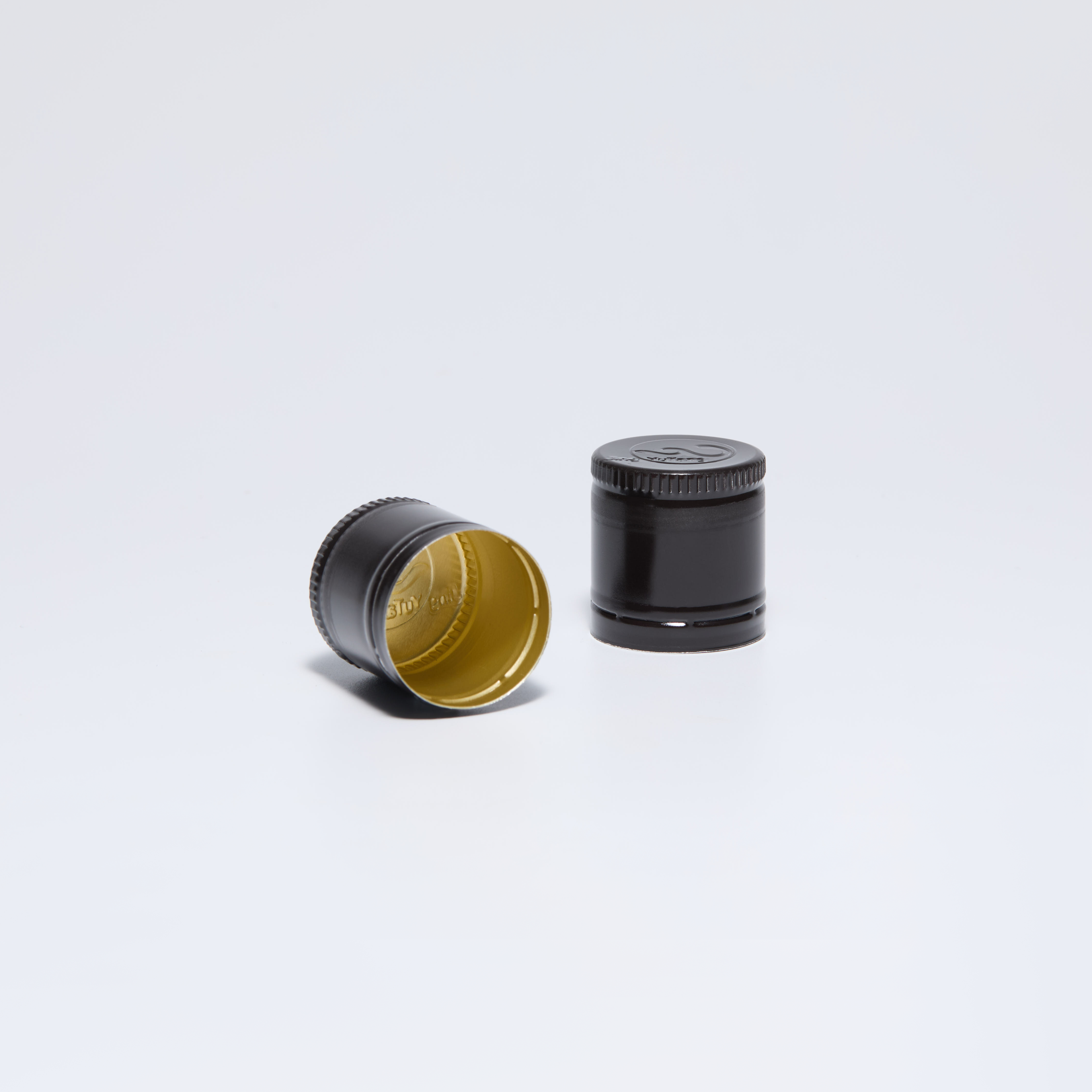
For importers sourcing closure solutions at scale, understanding the manufacturing quality behind every aluminum cap is not a minor detail — it is a foundational business decision. Whether you are supplying beverage producers, pharmaceutical packagers, or specialty food brands, the quality of the aluminum cap you source directly affects product integrity, shelf life, regulatory compliance, and your own reputation in the supply chain. Importers who treat cap quality as a commodity assumption rather than a verified standard often discover costly problems only after goods have cleared customs and reached end customers.
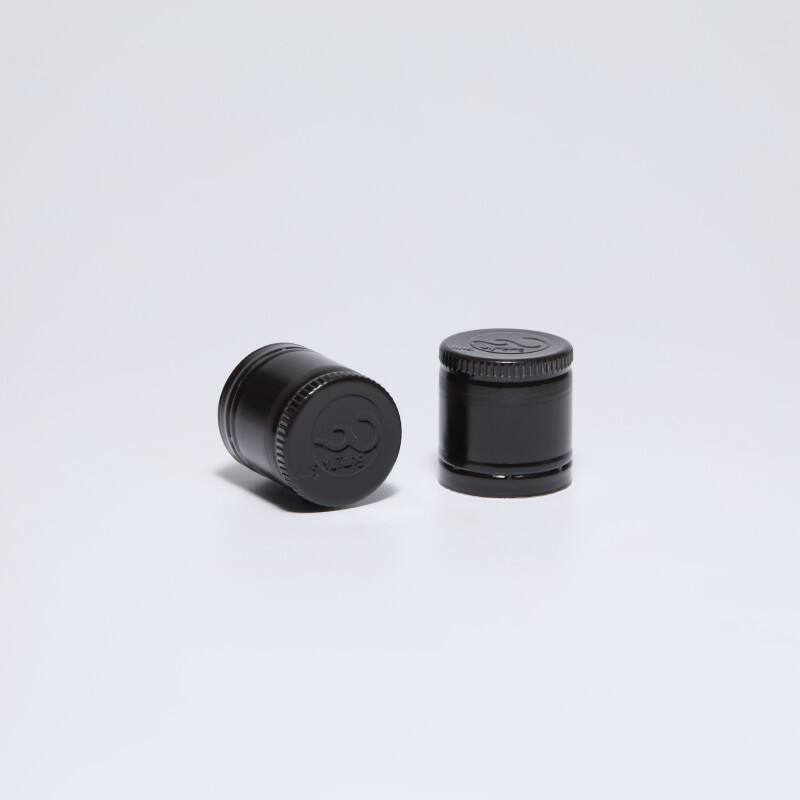
This article is written specifically for importers who need a clear, practical framework for evaluating aluminum cap manufacturing quality before committing to a supplier or placing a large order. From raw material standards and forming processes to surface finishing, dimensional tolerances, and quality control protocols, every stage of production carries implications for the final product's performance. Understanding these stages gives importers the leverage to ask the right questions, set the right specifications, and avoid the most common sourcing pitfalls in the aluminum cap market.
Why Manufacturing Quality Matters More Than Price for Aluminum Cap Importers
The Hidden Cost of Low-Quality Aluminum Caps
Many importers initially focus on unit price when evaluating aluminum cap suppliers, but this approach consistently underestimates the true cost of poor manufacturing quality. A cap that fails to seal correctly, corrodes prematurely, or deforms during application creates downstream losses that far exceed any savings on the purchase price. Product recalls, customer complaints, and damaged brand relationships are all real consequences that trace back to manufacturing deficiencies in the aluminum cap itself.
Beyond direct product failures, low-quality caps can cause bottling line inefficiencies. Caps with inconsistent dimensions jam automated capping equipment, slow production throughput, and increase machine maintenance costs for your customers. When importers supply caps that create operational problems at the filling stage, they risk losing accounts regardless of how competitive their pricing was at the time of purchase.
The reputational dimension is equally significant. In B2B supply chains, an importer's credibility depends on the consistency and reliability of what they deliver. A single batch of defective aluminum cap products can undermine years of relationship-building with a key buyer. Quality is therefore not just a product attribute — it is a commercial asset that importers must actively protect through rigorous sourcing standards.
How Quality Signals Translate Into Market Positioning
Importers who can credibly demonstrate that their aluminum cap supply meets defined manufacturing quality standards occupy a stronger market position than those who compete purely on price. Buyers in regulated industries such as pharmaceuticals, premium spirits, and organic food are often willing to pay a premium for verified quality because the cost of a packaging failure in those sectors is extremely high.
Quality documentation — including material certifications, dimensional inspection reports, and surface treatment compliance records — becomes a sales tool for importers. When you can present a buyer with traceable evidence of manufacturing quality for every aluminum cap batch, you differentiate yourself from importers who rely on verbal assurances alone. This documentation-based approach to quality is increasingly expected in international B2B procurement, particularly for buyers in Europe and North America.
Raw Material Standards in Aluminum Cap Production
Alloy Selection and Its Impact on Cap Performance
The quality of an aluminum cap begins with the alloy used in production. Not all aluminum alloys perform equally in cap manufacturing applications. The most commonly used alloys for closure production belong to the 1000 and 8000 series, which offer the right balance of formability, corrosion resistance, and surface finish compatibility. Importers should verify which alloy specification their supplier uses and confirm that it aligns with the intended application — whether that is a wine closure, a pharmaceutical vial cap, or a beverage bottle seal.
Alloy purity directly affects how the aluminum cap behaves during forming, rolling, and finishing. Lower-purity aluminum or inconsistently blended alloys can lead to micro-cracking during the stamping process, uneven wall thickness, and poor adhesion of surface coatings. These are defects that may not be visible to the naked eye during incoming inspection but will manifest as failures under real-world application conditions.
Importers should request material test reports (MTRs) from suppliers that confirm alloy composition, temper designation, and mechanical properties such as tensile strength and elongation. These documents provide objective evidence that the raw material used in your aluminum cap order meets the specifications required for reliable performance.
Coil and Sheet Quality as a Foundation for Consistency
Most aluminum cap manufacturers source aluminum in coil or sheet form from upstream rolling mills. The quality of this input material — including its thickness tolerance, surface cleanliness, and flatness — has a direct bearing on the consistency of the finished cap. Thickness variation in the incoming coil translates into wall thickness variation in the formed cap, which affects both sealing performance and torque characteristics.
Reputable manufacturers maintain incoming material inspection procedures that verify coil specifications before production begins. Importers should ask whether their supplier conducts incoming quality control on raw aluminum and what parameters are checked. A supplier who cannot describe their incoming material inspection process is a supplier who cannot guarantee the consistency of the aluminum cap they produce.
Forming and Dimensional Precision in Aluminum Cap Manufacturing
Stamping, Drawing, and Thread Rolling Processes
The physical formation of an aluminum cap involves several sequential manufacturing steps, each of which introduces potential sources of dimensional variation. Blanking and deep drawing create the basic shell shape, while thread rolling or knurling adds the functional closure geometry. Each of these operations requires precisely maintained tooling, calibrated press settings, and consistent material feed to produce caps that meet dimensional specifications.
Thread profile accuracy is particularly critical for screw-type closures. An aluminum cap with an incorrectly formed thread will not engage properly with the bottle finish, leading to either over-torque failures or insufficient sealing. Importers sourcing screw caps should request thread gauge inspection data and confirm that the supplier's thread profile conforms to the relevant international standard for the bottle finish type being used.
Die and tooling maintenance schedules are a reliable indicator of a manufacturer's commitment to dimensional consistency. Worn tooling produces caps with progressively degrading dimensional accuracy. Ask your supplier how frequently tooling is inspected and replaced, and whether they maintain records of tooling condition over production runs. This is a practical quality management question that separates serious manufacturers from those operating with minimal process control.
Dimensional Tolerances and Their Practical Implications
Every aluminum cap has a set of critical dimensions — outer diameter, inner diameter, height, wall thickness, and thread pitch — that must fall within defined tolerances for the cap to function correctly. Importers should establish clear dimensional specifications in their purchase agreements and require that suppliers provide statistical process control (SPC) data or first article inspection (FAI) reports demonstrating that production output consistently meets those tolerances.
Dimensional variation that falls within tolerance on individual measurements can still create functional problems when multiple dimensions are simultaneously at the edge of their tolerance ranges. This is why importers should look for suppliers who monitor process capability indices (Cpk) rather than simply checking whether individual samples pass or fail. A supplier with strong process capability data is demonstrating that their aluminum cap production is stable and predictable, not just occasionally acceptable.
Surface Treatment, Coating, and Liner Quality
Lacquering, Printing, and Embossing Standards
The surface of an aluminum cap serves both functional and aesthetic purposes. Functional coatings protect the aluminum from corrosion and prevent interaction between the metal and the product it seals. Decorative treatments — including printing, embossing, and color lacquering — contribute to brand presentation and product differentiation. Both types of surface treatment must meet defined quality standards to perform reliably.
For food and beverage applications, the interior coating of an aluminum cap must comply with applicable food contact material regulations. Importers supplying these markets should verify that their supplier uses coatings that are certified for food contact under the relevant regulatory framework — whether that is EU Regulation 10/2011, FDA 21 CFR, or another applicable standard. Requesting coating compliance documentation is a non-negotiable step in responsible sourcing for these applications.
Exterior print quality affects how the aluminum cap presents on shelf and how it holds up through distribution and retail handling. Color consistency, registration accuracy, and abrasion resistance are the key print quality parameters. Importers should request color standard samples and specify acceptable color deviation limits using objective measurement systems such as Delta E values rather than relying on subjective visual approval alone.
Liner Selection and Sealing Performance
The liner inside an aluminum cap is the component that actually creates the hermetic seal between the closure and the bottle. Liner material selection must be matched to the product being sealed — different liner compounds are required for carbonated beverages, still wines, spirits, oils, and pharmaceutical liquids. Using an incorrect liner material is one of the most common causes of sealing failure in imported caps.
Liner thickness uniformity, adhesion to the cap shell, and compression recovery characteristics are all measurable quality parameters that importers should specify and verify. A liner that is too thin will not create adequate sealing pressure; a liner that is too thick may cause application torque problems. Importers should request liner specification sheets from their supplier and, where possible, conduct application trials before committing to full production volumes of a new aluminum cap design.
Quality Control Systems and Inspection Protocols Importers Should Require
In-Process and Final Inspection Standards
A manufacturer's quality control system is the mechanism that converts good process design into consistent product output. For aluminum cap production, a credible quality system should include in-process inspection at each major production stage, not just final inspection of finished goods. Catching defects early in the process prevents the accumulation of non-conforming product and reduces the risk of a defective batch reaching the importer.
Final inspection protocols for an aluminum cap should cover dimensional verification, visual defect assessment, sealing performance testing, and — where applicable — torque testing and leak testing. Importers should ask suppliers to provide their standard inspection plan and acceptable quality level (AQL) sampling criteria. AQL levels should be specified in the purchase agreement so that both parties have a shared understanding of what constitutes an acceptable batch.
Third-party inspection is a valuable tool for importers who cannot conduct factory audits in person. Engaging an independent inspection agency to perform pre-shipment inspection of aluminum cap orders provides an objective quality check before goods leave the factory. This is particularly important for first orders with a new supplier or for large-volume shipments where the cost of a quality failure would be significant.
Certifications and Documentation That Importers Should Request
Credible aluminum cap manufacturers maintain formal quality management certifications that provide importers with a baseline level of assurance about their production systems. ISO 9001 certification indicates that the manufacturer has implemented a documented quality management system that is subject to periodic third-party audit. While certification alone does not guarantee product quality, its absence is a meaningful risk signal for importers evaluating new suppliers.
For specific market applications, additional certifications may be required. Food contact compliance documentation, pharmaceutical packaging certifications, and environmental compliance records are all examples of documentation that importers may need to provide to their own customers. Establishing which certifications are required before placing an order — rather than discovering gaps after delivery — is a basic due diligence step that experienced importers build into their sourcing process for every aluminum cap category they handle.
Importers who work with a reliable supplier of aluminum cap products will find that documentation availability is often a direct reflection of the supplier's overall quality culture. Suppliers who readily provide material certifications, inspection reports, and compliance records are demonstrating transparency and process maturity. Those who resist documentation requests or provide incomplete records are signaling that their quality systems may not be as robust as their sales presentations suggest.
FAQ
What alloy is most commonly used in aluminum cap manufacturing?
The most widely used alloys for aluminum cap production are from the 1000 and 8000 series, particularly 1070, 1100, and 8011. These alloys offer the formability needed for deep drawing and thread rolling while providing adequate corrosion resistance and surface finish compatibility for coating and printing processes. Importers should confirm alloy specifications with their supplier and request material test reports to verify compliance.
How should importers verify that an aluminum cap meets food contact safety requirements?
Importers should request formal compliance documentation from their supplier confirming that the interior coating and liner materials used in the aluminum cap comply with applicable food contact regulations such as EU Regulation 10/2011 or FDA 21 CFR. This documentation should identify the specific coating materials used and confirm that they have been tested and approved for the intended food or beverage application. Verbal assurances are not sufficient for regulated markets.
What is the significance of AQL levels in aluminum cap inspection agreements?
Acceptable Quality Level (AQL) defines the maximum percentage of defective units considered acceptable in a sampled batch of aluminum cap products. Specifying AQL levels in the purchase agreement ensures that both the importer and the supplier have a shared, objective standard for batch acceptance. Common AQL levels for closure products range from 0.65 to 2.5 depending on the defect type and application criticality. Importers should specify tighter AQL levels for critical functional defects such as sealing failures than for minor cosmetic issues.
When should importers conduct third-party pre-shipment inspection for aluminum cap orders?
Third-party pre-shipment inspection is most valuable for first orders with a new aluminum cap supplier, for unusually large volume orders, for orders destined for regulated markets with strict compliance requirements, and whenever there have been previous quality issues with a supplier. The cost of pre-shipment inspection is typically a small fraction of the potential loss from a defective shipment, making it a cost-effective risk management tool for importers operating at meaningful order volumes.
Table of Contents
- Why Manufacturing Quality Matters More Than Price for Aluminum Cap Importers
- Raw Material Standards in Aluminum Cap Production
- Forming and Dimensional Precision in Aluminum Cap Manufacturing
- Surface Treatment, Coating, and Liner Quality
- Quality Control Systems and Inspection Protocols Importers Should Require
-
FAQ
- What alloy is most commonly used in aluminum cap manufacturing?
- How should importers verify that an aluminum cap meets food contact safety requirements?
- What is the significance of AQL levels in aluminum cap inspection agreements?
- When should importers conduct third-party pre-shipment inspection for aluminum cap orders?