
 EN
EN

Pharmaceutical packaging demands precision, contamination control, and tamper-evident security that extends beyond simple containment. Among the various closure systems available, internal thread caps have emerged as the dominant choice for pharmaceutical bottles, particularly for supplements, nutraceuticals, and medicinal products. This preference stems from a combination of functional advantages, regulatory compliance benefits, and practical manufacturing considerations that directly address the stringent requirements of pharmaceutical and health product distribution. Understanding why internal thread caps outperform alternative closure mechanisms reveals critical insights into modern pharmaceutical packaging strategies and quality assurance protocols.
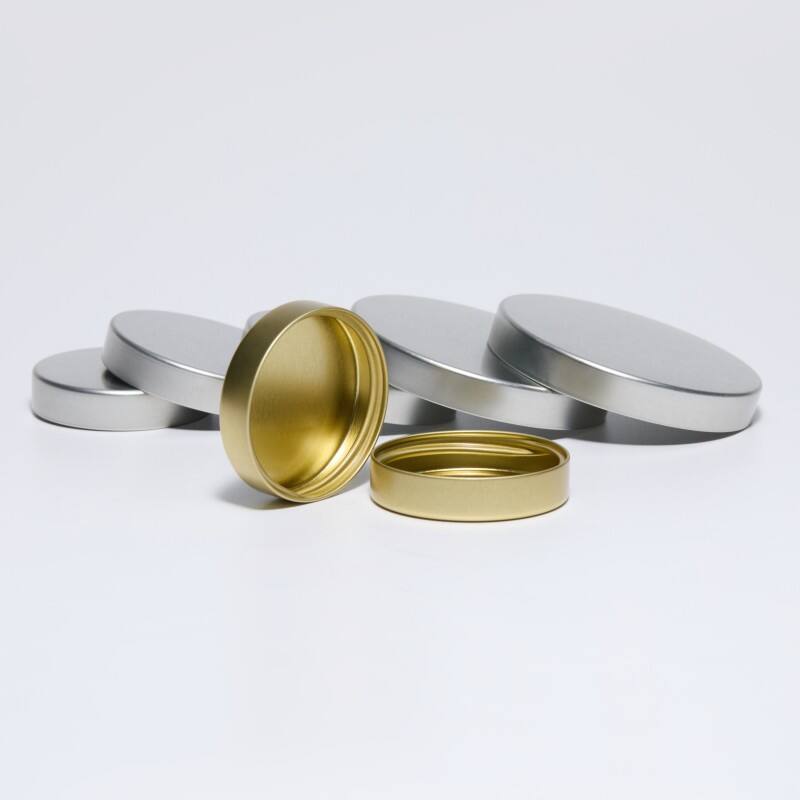
The pharmaceutical industry operates under exceptionally strict quality control frameworks where packaging integrity directly impacts product efficacy, shelf life, and consumer safety. Internal thread caps address multiple critical challenges simultaneously: they create superior hermetic seals that prevent moisture and oxygen infiltration, they accommodate tamper-evident features required by regulatory bodies, and they maintain consistent torque specifications essential for automated filling lines. These closure systems function by engaging threads molded inside the bottle neck rather than on the exterior, creating a design architecture that offers distinct mechanical and protective advantages over external threading or snap-on alternatives. The widespread adoption of internal thread caps across pharmaceutical applications reflects their proven performance in protecting sensitive formulations while meeting evolving regulatory standards and consumer expectations.
Superior Contamination Prevention and Product Integrity
Enhanced Hermetic Sealing Performance
Internal thread caps deliver exceptional contamination barriers through their unique sealing mechanism that creates multiple contact points between the closure and container. Unlike external thread systems where the threaded area remains exposed to environmental contaminants, internal thread caps position the engagement zone inside the bottle neck, creating a protected seal environment. This configuration allows manufacturers to incorporate specialized liner materials—such as induction foils, pulp-and-foil combinations, or polymer foam seals—that compress uniformly against the bottle's land area when the cap is fully tightened. The resulting hermetic seal prevents moisture vapor transmission, oxygen permeation, and microbial infiltration, which are critical factors in maintaining pharmaceutical product stability throughout extended shelf life periods.
The effectiveness of internal thread caps in preventing contamination becomes particularly evident when protecting hygroscopic substances like vitamins, minerals, and herbal extracts that rapidly degrade when exposed to atmospheric moisture. The internal threading design creates a tortuous path that significantly extends the distance moisture must travel to reach the product, while the compression seal generated by proper application torque ensures continuous barrier performance. Clinical studies have demonstrated that pharmaceutical products sealed with properly designed internal thread caps maintain potency and purity specifications significantly longer than those using alternative closure systems, particularly in challenging storage conditions involving temperature fluctuations and humidity variations commonly encountered during distribution and retail display.
Elimination of Thread Contamination Pathways
One of the most compelling advantages of internal thread caps relates to contamination pathway elimination. External thread systems inherently create numerous crevices and gaps where dust, microorganisms, and liquid residues can accumulate during manufacturing, filling, distribution, and consumer use. These contamination reservoirs pose particular risks in pharmaceutical applications where even trace impurities can compromise product safety or trigger adverse reactions in sensitive populations. Internal thread caps address this vulnerability by positioning all threading inside the bottle neck where it remains protected from environmental exposure and cannot serve as a contamination reservoir accessible to consumers or environmental sources.
The smooth exterior surface of internal thread caps facilitates superior cleaning during manufacturing processes and prevents product residue buildup during consumer use. Pharmaceutical manufacturers report significantly reduced contamination incidents when switching from external to internal thread closure systems, particularly in facilities producing multiple product lines where cross-contamination prevention is paramount. The cleanability advantage extends to consumer use patterns as well—internal thread caps eliminate the common problem of product powder or liquid accumulating in external threads, which can harden, attract microbial growth, or create aesthetic issues that undermine consumer confidence in product quality and safety.
Regulatory Compliance and Tamper-Evidence Integration
Built-In Tamper-Evident Functionality
Regulatory frameworks worldwide require pharmaceutical and nutritional supplement products to incorporate tamper-evident features that provide visible evidence if a package has been opened or compromised before consumer purchase. Internal thread caps naturally accommodate various tamper-evident technologies more effectively than alternative closure systems. The most common implementation involves perforated bands or bridges connecting the cap to a lower ring that remains on the bottle after initial opening, creating an unmistakable visual and tactile indication of tampering. The internal threading design provides optimal mechanical support for these tamper bands because the structural integrity of the closure does not depend on the breakable connection, allowing manufacturers to implement highly sensitive tamper-evidence without compromising seal performance or opening convenience.
Advanced internal thread caps incorporate multiple tamper-evident technologies simultaneously, including induction seals that must be removed before accessing contents and perforated bands that prevent resealing without visible evidence. This multi-layer approach addresses regulatory requirements while building consumer confidence through obvious security features. Pharmaceutical companies particularly value internal thread caps with integrated tamper-evidence because these systems eliminate the need for secondary packaging elements like shrink bands or overwraps that increase material costs, complicate recycling, and slow production line speeds. The seamless integration of tamper-evidence into internal thread caps represents a significant competitive advantage in markets where regulatory compliance and consumer safety perceptions directly impact brand reputation and market access.
Regulatory Standardization and Global Acceptance
International pharmaceutical standards organizations have established specific technical requirements for closure systems that internal thread caps are uniquely positioned to meet. Organizations including the United States Pharmacopeia, European Pharmacopoeia, and International Organization for Standardization have published detailed specifications for container closure integrity testing, child-resistant features, and barrier performance that reference internal thread cap design parameters as benchmark standards. This regulatory standardization creates significant advantages for pharmaceutical manufacturers operating in multiple markets—selecting internal thread caps simplifies compliance documentation, reduces validation testing requirements, and accelerates regulatory approval processes across different jurisdictions.
The global acceptance of internal thread caps extends beyond technical compliance to encompass manufacturing process validations and quality system audits conducted by regulatory authorities. Pharmaceutical facilities using standardized internal thread caps benefit from extensive precedent documentation and industry-wide validation data that demonstrate system capability and reliability. This regulatory infrastructure reduces the burden on individual manufacturers to generate comprehensive validation packages for each product line, accelerating time-to-market for new pharmaceutical formulations while maintaining rigorous quality assurance standards. The widespread regulatory preference for internal thread caps has created a positive feedback cycle where continued innovation focuses on this closure platform, further enhancing performance capabilities and expanding application possibilities within pharmaceutical packaging.
Manufacturing Efficiency and Process Consistency
Automated Application Precision
Modern pharmaceutical production relies heavily on high-speed automated filling and capping lines where consistent application torque and closure performance are essential for maintaining quality specifications across millions of units. Internal thread caps excel in automated manufacturing environments because their design inherently guides proper alignment during application—the internal threads create a centering effect that prevents cross-threading and ensures uniform engagement regardless of minor variations in bottle positioning or cap feed orientation. This self-aligning characteristic reduces application errors, minimizes line stoppages, and enables faster production speeds compared to external thread systems that require more precise positioning tolerances.
The torque characteristics of internal thread caps provide superior process control capabilities essential for pharmaceutical quality assurance. Capping equipment can monitor application torque with high precision, automatically rejecting units that fall outside specified parameters and generating real-time statistical process control data that validates continuous compliance with manufacturing standards. Internal thread caps typically require lower application torque than external thread equivalents to achieve equivalent seal performance, reducing stress on automated equipment and extending maintenance intervals. This torque efficiency also translates to improved consumer experience—pharmaceutical products sealed with properly designed internal thread caps require reasonable opening force that accommodates elderly users and those with reduced hand strength while maintaining sufficient removal resistance to preserve tamper-evidence and prevent accidental opening during shipping and handling.
Compatibility with Induction Sealing Technology
Induction sealing represents the gold standard for pharmaceutical closure systems, creating a hermetic fusion seal between a foil liner and the bottle finish that remains intact even after cap removal. Internal thread caps are specifically engineered to optimize induction sealing performance through precise dimensional control of the sealing surface area and consistent liner compression characteristics. The internal threading configuration ensures that the cap's liner compression panel remains parallel to the bottle land during the induction heating process, promoting uniform heat distribution and complete seal formation across the entire sealing area. This geometric consistency is difficult to achieve with external thread caps where thread engagement can create angular misalignment that produces incomplete seals or liner distortion.
Pharmaceutical manufacturers report significantly higher first-pass seal quality rates when using internal thread caps with induction sealing compared to alternative closure systems. The improved seal consistency reduces product waste, eliminates costly rework operations, and enhances overall manufacturing efficiency. Internal thread caps also accommodate a wider variety of induction seal liner constructions, including advanced multi-layer systems that combine aluminum foil barriers with specialized polymer layers designed for specific chemical compatibility requirements or easy-peel consumer convenience features. This flexibility allows pharmaceutical formulators to select optimal liner systems for each product's unique protection requirements without compromising capping line compatibility or seal reliability.
Material Compatibility and Product Protection
Chemical Resistance and Interaction Prevention
Pharmaceutical formulations often contain chemically active ingredients, essential oils, organic solvents, or aggressive preservatives that can interact with closure materials, potentially causing degradation, migration, or product contamination. Internal thread caps offer significant advantages in chemical compatibility because their design minimizes contact between the closure material and the product contents. The internal threading positions the bulk of the closure material outside the product contact zone, with only the liner system and minimal cap interior surfaces directly exposed to contents. This configuration allows manufacturers to select closure materials optimized for structural performance, processability, and cost-effectiveness while relying on specialized liner systems engineered for specific chemical resistance requirements.
The material options available for internal thread caps span a comprehensive range including polypropylene, polyethylene, aluminum, and tinplate steel, each offering distinct advantages for different pharmaceutical applications. Polypropylene internal thread caps provide excellent moisture barrier properties, superior chemical resistance to acids and alkalis, and compatibility with high-temperature filling operations common in hot-fill supplement production. Aluminum and tinplate internal thread caps deliver premium aesthetic appeal, exceptional oxygen barrier performance, and enhanced tamper-evidence through integrated security features. The ability to pair any cap material with appropriate liner technology creates virtually unlimited customization possibilities, enabling pharmaceutical packagers to optimize both product protection and brand presentation without compromise.
Glass Container Integration
Glass containers remain the preferred primary packaging for many pharmaceutical applications due to their chemical inertness, impermeability, and ability to maintain product stability over extended periods. Internal thread caps are specifically engineered to complement the physical properties of glass bottles, addressing the unique sealing challenges presented by rigid containers with precise but inflexible dimensional tolerances. The compression seal mechanism of internal thread caps accommodates the hard, non-deformable sealing surface of glass by utilizing liner materials with carefully controlled compressibility that conform to the glass finish without requiring excessive torque that could stress the container or create ergonomic challenges for consumers.
The dimensional compatibility between standardized glass bottle finishes and internal thread caps represents decades of collaborative development between glass manufacturers, closure suppliers, and pharmaceutical companies. Industry-standard finish dimensions such as the 38mm, 43mm, 53mm, and 58mm sizes have corresponding internal thread cap specifications that ensure universal compatibility and enable pharmaceutical companies to source components from multiple qualified suppliers without reformulation or revalidation. This standardization significantly reduces supply chain complexity, provides sourcing flexibility, and facilitates rapid scaling of production volumes to meet market demand fluctuations common in pharmaceutical and nutritional supplement markets.
Consumer Experience and Brand Differentiation
Opening Convenience and Resealability
Consumer interaction with pharmaceutical packaging directly influences compliance, satisfaction, and brand loyalty, making closure system usability a critical competitive factor. Internal thread caps provide superior resealability compared to snap-on closures or cork stoppers because they maintain consistent seal performance through multiple opening and closing cycles. The thread engagement mechanism ensures that consumers naturally return the cap to proper sealing position during reclosing—the threads guide rotational alignment and provide tactile feedback when full engagement is achieved. This intuitive operation reduces the risk of incomplete reclosure that can compromise product protection and lead to consumer dissatisfaction or product degradation complaints.
The removal torque characteristics of internal thread caps can be precisely engineered to balance child resistance requirements with senior-friendly accessibility, addressing a critical pharmaceutical packaging challenge. Advanced internal thread cap designs incorporate child-resistant mechanisms such as push-and-turn or squeeze-and-turn features that meet regulatory safety standards while maintaining reasonable opening forces for intended adult users. These child-resistant internal thread caps protect vulnerable populations from accidental ingestion while avoiding the excessive opening difficulty that causes compliance problems among elderly patients managing multiple medications. The ability to integrate child resistance directly into the cap design rather than requiring secondary closures or packaging layers provides significant cost advantages and improves overall consumer experience.
Premium Aesthetics and Brand Enhancement
Pharmaceutical and nutritional supplement brands increasingly recognize packaging as a critical brand differentiation tool in competitive markets where product efficacy claims alone may not establish meaningful consumer preference. Internal thread caps offer superior aesthetic possibilities compared to external thread alternatives because their smooth exterior surfaces provide uninterrupted decoration areas for brand graphics, usage instructions, and premium finishing techniques. The elimination of visible threads creates a clean, sophisticated appearance that communicates product quality and manufacturer attention to detail—important brand signals in pharmaceutical categories where packaging aesthetics influence consumer perceptions of product efficacy and safety.
Advanced decoration technologies including heat transfer labels, direct screen printing, hot stamping, and embossing achieve optimal results on the smooth cylindrical surfaces of internal thread caps. These decoration methods enable pharmaceutical brands to create distinctive shelf presence, communicate complex product information effectively, and incorporate premium visual elements such as metallic accents or tactile surface textures that enhance perceived value. The decorating flexibility of internal thread caps supports increasingly sophisticated brand strategies in pharmaceutical markets where premium positioning, natural ingredient messaging, or clinical efficacy communication requires more nuanced visual storytelling than traditional pharmaceutical packaging conventions have historically accommodated.
FAQ
What makes internal thread caps more secure than external thread closures for pharmaceutical products?
Internal thread caps provide enhanced security because the threading mechanism remains protected inside the bottle neck, eliminating contamination pathways and creating a more effective barrier seal. The internal configuration allows for superior integration of tamper-evident features and induction seals while preventing product residue accumulation in thread areas that could compromise seal integrity. The protected thread location also enhances chemical resistance since the bulk of the closure material has minimal product contact, reducing interaction risks with aggressive pharmaceutical formulations.
Can internal thread caps accommodate child-resistant requirements for pharmaceutical applications?
Yes, internal thread caps readily incorporate child-resistant mechanisms that meet regulatory standards including CPSC and ISO 8317 requirements. Common implementations include push-and-turn designs where the cap must be depressed while rotating, or squeeze-and-turn systems requiring simultaneous lateral compression and rotation. These features integrate seamlessly into the internal thread cap structure without compromising seal performance or significantly increasing manufacturing complexity, making them ideal for prescription medications and over-the-counter products requiring child safety protection.
How do internal thread caps perform in automated pharmaceutical packaging lines?
Internal thread caps excel in high-speed automated environments due to their self-centering characteristics during application. The internal threading naturally guides proper alignment, reducing cross-threading incidents and enabling faster line speeds with fewer rejection events. Modern capping equipment can monitor application torque precisely with internal thread caps, generating real-time quality data that validates continuous compliance. The consistent torque characteristics and compatibility with induction sealing technology make internal thread caps the preferred choice for pharmaceutical manufacturers operating validated automated production systems.
What liner options work best with internal thread caps for moisture-sensitive pharmaceutical products?
Moisture-sensitive pharmaceutical formulations benefit most from pulp-and-foil laminate liners or induction seal systems that create hermetic barriers when used with internal thread caps. Pulp-and-foil liners combine pressure-sensitive sealing with aluminum foil moisture barriers, while induction seals fusion-bond foil directly to the bottle finish for maximum protection. For products requiring easy opening, foam-backed foil liners or peelable membrane seals provide excellent moisture resistance with consumer-friendly removal characteristics. The choice depends on specific moisture sensitivity levels, required shelf life, and target consumer demographics.
Table of Contents
- Superior Contamination Prevention and Product Integrity
- Regulatory Compliance and Tamper-Evidence Integration
- Manufacturing Efficiency and Process Consistency
- Material Compatibility and Product Protection
- Consumer Experience and Brand Differentiation
-
FAQ
- What makes internal thread caps more secure than external thread closures for pharmaceutical products?
- Can internal thread caps accommodate child-resistant requirements for pharmaceutical applications?
- How do internal thread caps perform in automated pharmaceutical packaging lines?
- What liner options work best with internal thread caps for moisture-sensitive pharmaceutical products?