
 EN
EN
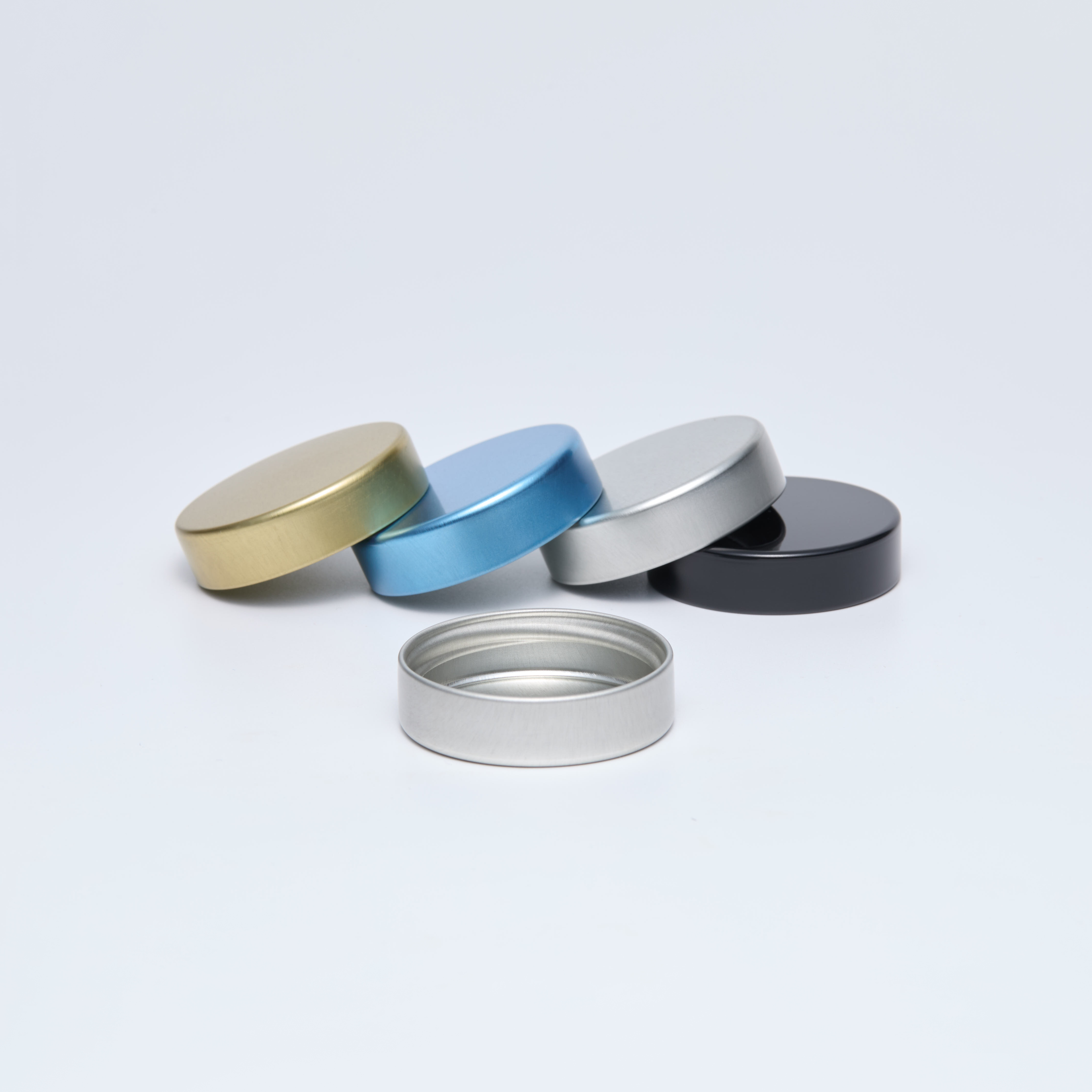
Manufacturing durable internal thread caps requires strategic material selection that balances mechanical strength, chemical resistance, and production efficiency. The choice of materials directly determines the cap's ability to maintain secure sealing integrity throughout repeated opening and closing cycles, while resisting environmental degradation and maintaining dimensional stability. For producers supplying food, pharmaceutical, and industrial packaging sectors, understanding material properties becomes essential to delivering reliable closure systems that meet stringent regulatory standards and consumer expectations for product freshness and safety.
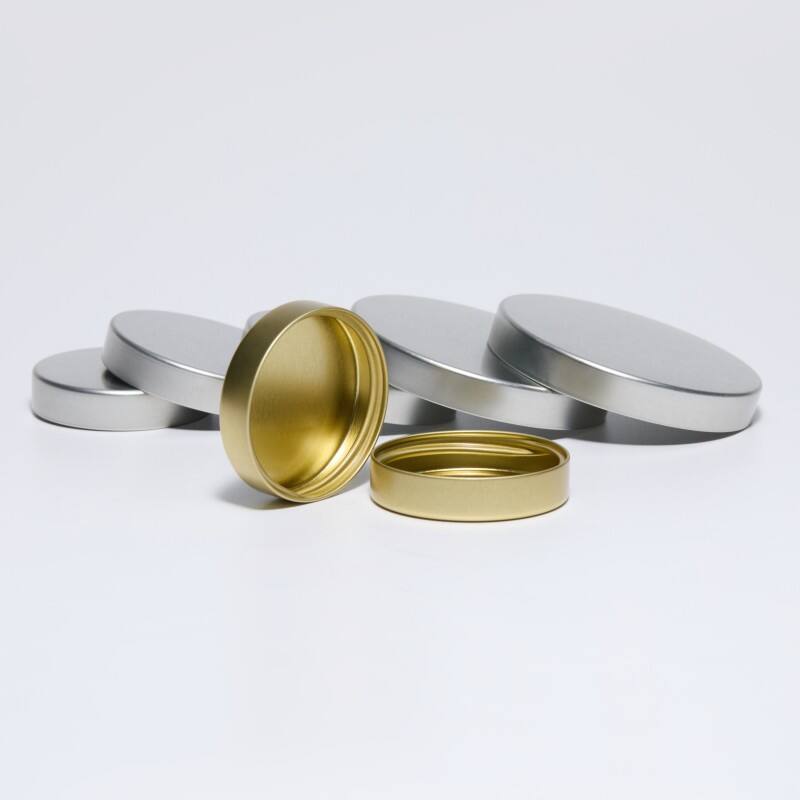
The internal thread cap production landscape encompasses multiple material categories, each offering distinct advantages for specific application requirements. Tinplate, aluminum, various plastics, and composite materials represent the primary options available to manufacturers, with selection criteria extending beyond initial cost considerations to encompass lifecycle performance, compatibility with container contents, and end-of-life disposal implications. This comprehensive examination explores the material characteristics that contribute to superior internal thread cap durability, helping manufacturers and packaging engineers make informed decisions that optimize both product protection and operational economics across diverse market segments.
Material Fundamentals for Internal Thread Cap Engineering
Core Material Categories and Their Structural Characteristics
Tinplate represents a traditional yet highly effective material for internal thread cap manufacturing, combining the structural rigidity of steel with the corrosion resistance provided by tin coating. The material consists of low-carbon steel substrate coated with a thin layer of tin through electrolytic deposition, creating a composite structure that offers exceptional mechanical strength while maintaining formability during stamping operations. Tinplate internal thread caps excel in applications requiring tamper evidence and hermetic sealing, particularly for glass containers holding acidic contents such as preserved foods, sauces, and certain pharmaceutical preparations. The material's thickness typically ranges from 0.15mm to 0.30mm, with heavier gauges providing increased resistance to deformation during high-torque closure applications.
Aluminum alloys provide an alternative metallic option for internal thread cap production, offering superior corrosion resistance compared to tinplate while reducing overall closure weight. Aluminum internal thread caps typically utilize 3000-series or 8000-series alloys specifically formulated for packaging applications, delivering excellent formability and resistance to stress cracking. The material's natural oxide layer provides inherent protection against atmospheric corrosion, making aluminum caps particularly suitable for products with extended shelf life requirements. Aluminum's lower density compared to steel-based materials results in caps that reduce shipping costs and facilitate easier handling during high-speed filling operations, though the material generally requires greater wall thickness to achieve equivalent structural performance compared to tinplate alternatives.
Polymer Material Systems for Lightweight Applications
Polypropylene stands as the most widely adopted thermoplastic for internal thread cap manufacturing, valued for its excellent chemical resistance, moisture barrier properties, and cost-effectiveness in high-volume production. The material's crystalline structure provides good stiffness and dimensional stability across typical storage temperature ranges, while its inherent flexibility allows for snap-fit closure mechanisms that complement threaded engagement. Polypropylene internal thread caps demonstrate particular strength in applications involving alkaline contents, oils, and water-based products, though the material shows limited resistance to aromatic solvents and certain essential oils. The polymer's processing characteristics enable efficient injection molding with short cycle times, supporting economical production even for complex cap geometries incorporating tamper-evident bands and internal sealing ribs.
Polyethylene terephthalate and high-density polyethylene represent additional polymer options for specialized internal thread cap applications. PET offers superior clarity and aesthetic appeal for premium packaging presentations, along with excellent oxygen barrier properties that protect oxygen-sensitive contents such as vitamins and certain food ingredients. HDPE provides enhanced stress crack resistance compared to polypropylene, making this material appropriate for caps subjected to significant impact during distribution or requiring compatibility with highly aggressive chemical contents. Both materials support various decoration techniques including heat transfer labeling and in-mold labeling, enabling brand differentiation while maintaining the functional integrity essential for reliable internal thread cap performance throughout the product lifecycle.
Material Selection Criteria for Enhanced Durability Performance
Mechanical Strength and Thread Integrity Requirements
The durability of an internal thread cap fundamentally depends on the material's ability to maintain precise thread geometry under repeated engagement cycles without exhibiting plastic deformation or fatigue cracking. Metallic materials generally offer superior resistance to thread stripping compared to polymeric alternatives, with tinplate and aluminum caps capable of withstanding application torques exceeding 1.5 N⋅m while maintaining seal integrity. The material's yield strength determines the maximum stress the threads can endure before permanent deformation occurs, making this property critical for applications where consumers may apply excessive closing force or where filling equipment subjects caps to high installation torques. Internal thread cap designs must account for material creep characteristics, particularly in polymer-based closures where sustained stress can gradually alter thread engagement depth over time.
Thread durability also correlates with the material's surface hardness and coefficient of friction against the container finish material. Softer materials may experience accelerated wear during repeated opening and resealing cycles, potentially leading to compromised seal performance after multiple uses. Manufacturers address this challenge through various approaches including surface treatments for metallic caps, friction-reducing additives in polymer formulations, and geometric modifications that distribute engagement forces across larger thread contact areas. The selection of appropriate material hardness balances the need for thread durability against the requirement for adequate sealing compliance, as excessively rigid materials may fail to accommodate minor variations in container finish dimensions that naturally occur in high-speed glass or plastic bottle production.
Chemical Compatibility and Corrosion Resistance Factors
Material durability in internal thread cap applications extends beyond mechanical considerations to encompass chemical compatibility with packaged contents and resistance to environmental degradation. Acidic food products such as pickles, tomato-based sauces, and citrus juices create particularly aggressive environments that can corrode metallic closures or leach undesirable compounds from inadequately resistant polymer materials. Tinplate internal thread caps typically incorporate organic coating systems on interior surfaces to prevent interaction between the steel substrate and acidic contents, with phenolic, vinyl, and epoxy-based coatings selected based on specific product chemistry and processing conditions including hot-fill temperatures and retort sterilization requirements.
Polymer-based internal thread caps offer inherent chemical resistance advantages for many applications, though material selection must carefully consider specific compatibility requirements. Polypropylene demonstrates excellent resistance to aqueous solutions across wide pH ranges and maintains stability when exposed to weak acids and bases, making this material suitable for dietary supplement containers, personal care products, and many food applications. However, products containing essential oils, d-limonene, or other organic solvents require careful evaluation of polymer resistance to stress cracking and chemical degradation. Manufacturers of premium internal thread caps increasingly employ barrier coating technologies or multi-layer structures that combine the mechanical properties of one polymer with the chemical resistance of another, optimizing overall closure performance for challenging product chemistries while maintaining cost competitiveness in high-volume production scenarios.
Manufacturing Process Implications for Material Durability
Forming Operations and Material Work Hardening Effects
The manufacturing processes used to create internal thread caps significantly influence the final material properties and durability characteristics of the finished closure. Metallic caps produced through stamping and thread forming operations experience work hardening as the material undergoes plastic deformation, resulting in increased strength and hardness in the thread region compared to the cap shell. This strain hardening effect generally enhances thread durability but must be carefully controlled to avoid material embrittlement that could lead to premature failure through cracking. Tinplate and aluminum materials selected for internal thread cap production require appropriate temper designations that balance formability during manufacturing with the mechanical properties needed for service performance, with softer tempers facilitating complex forming operations while harder tempers providing enhanced structural rigidity in the finished component.
Thread rolling operations for metallic internal thread caps create compressive residual stresses in the thread profile that enhance fatigue resistance and durability compared to threads produced through material removal processes. The rolling operation refines the material grain structure in the thread region and produces smooth surface finishes that reduce friction and wear during closure engagement. Quality control during manufacturing must verify that thread forming operations achieve complete profile fill without creating surface defects such as laps or folds that could serve as crack initiation sites during service. Material consistency becomes particularly critical in high-speed internal thread cap production where variations in material thickness or mechanical properties can lead to process disruptions or dimensional inconsistencies that compromise closure performance.
Thermal Processing and Material Property Stabilization
Polymer-based internal thread caps undergo thermal history during injection molding that influences crystallinity, internal stress distribution, and dimensional stability characteristics affecting long-term durability. Cooling rate variations across the cap geometry create differential shrinkage patterns that can result in residual stresses, potentially leading to warpage or stress cracking during service exposure to elevated temperatures or aggressive chemical environments. Manufacturers optimize mold design and process parameters to promote uniform cooling and controlled crystallization, enhancing material property consistency and reducing internal stresses that compromise durability. Post-molding conditioning periods allow polymer structures to achieve equilibrium states before caps enter service, minimizing dimensional changes that could affect thread engagement or seal performance after packaging.
Heat treatment processes for metallic internal thread caps serve multiple durability-enhancing functions including stress relief, coating cure, and material property optimization. Tinplate caps with interior coatings undergo baking cycles that cross-link organic coating systems while simultaneously relieving residual stresses introduced during forming operations. These thermal treatments must be carefully controlled to achieve complete coating cure without degrading the tin layer or causing excessive temper changes in the steel substrate that could compromise mechanical performance. Aluminum internal thread caps may receive annealing treatments to restore ductility after severe forming operations, reducing the risk of delayed cracking failures that occasionally occur when highly stressed components experience gradual stress corrosion over time. The selection of appropriate heat treatment parameters requires understanding of both base material characteristics and coating system requirements to optimize overall closure durability for specific application demands.
Advanced Material Technologies for Superior Performance
Composite and Multi-Layer Material Systems
Contemporary internal thread cap engineering increasingly employs composite material systems that combine the advantageous properties of multiple materials to achieve performance characteristics unattainable with single-material constructions. Co-injection molding techniques enable production of polymer caps with distinct inner and outer layer materials, allowing manufacturers to optimize chemical resistance, barrier properties, and aesthetic appearance independently. These multi-layer internal thread caps might feature a chemically resistant inner layer in direct contact with package contents, surrounded by a structural layer providing mechanical strength and thread durability, with an optional outer layer delivering specific surface finish or decoration characteristics. The interface bonding between layers becomes critical for overall durability, requiring compatible polymer systems with adequate adhesion to prevent delamination during service or under stress.
Metallic internal thread caps incorporate composite structures through organic coating applications that function as integrated barrier systems protecting base materials from chemical attack while providing lubricity to reduce friction during closure application. Advanced coating formulations employ multiple layers with distinct functionalities, including primers that promote adhesion to metal substrates, barrier coats that prevent chemical permeation, and top coats that control friction and provide resistance to abrasion. The durability of coated internal thread caps depends on coating adhesion, flexibility, and resistance to cracking during thread engagement, requiring careful matching of coating properties to base material characteristics and deformation patterns during closure operation. Manufacturers validate coating system durability through accelerated testing protocols that simulate extended service conditions including repeated opening cycles, exposure to package contents at elevated temperatures, and thermal cycling that challenges coating adhesion through differential expansion between coating and substrate materials.
Surface Treatment and Modification Technologies
Surface engineering technologies enhance internal thread cap durability by modifying material properties in critical regions without altering bulk material characteristics throughout the entire closure structure. Plasma treatment of polymer caps improves surface energy and enables enhanced adhesion of printed graphics or adhesive-backed liners, while simultaneously increasing surface hardness to improve abrasion resistance during handling and distribution. Chemical conversion coatings on aluminum internal thread caps provide additional corrosion protection beyond the natural oxide layer, creating stable chromate or phosphate surface films that resist attack from acidic or alkaline package contents. These surface treatments typically add minimal cost and processing complexity while significantly enhancing closure durability in demanding applications.
Lubricious coatings applied to internal threads of both metallic and polymer caps reduce friction during closure application and removal, minimizing material wear that could compromise seal integrity after repeated use. These friction-modifying treatments may consist of wax-based systems, fluoropolymer dispersions, or silicone-based formulations selected based on compatibility with package contents and regulatory requirements for food contact applications. The durability benefits of thread lubrication extend beyond wear resistance to include more consistent application torque values during high-speed filling operations, reducing the risk of over-tightening that could damage container finishes or under-tightening that compromises package seal integrity. Manufacturers must balance lubrication effectiveness against potential migration concerns, particularly for food and pharmaceutical applications where coating components must comply with stringent safety regulations governing indirect food contact materials.
Application-Specific Material Optimization Strategies
Food and Beverage Packaging Requirements
Internal thread cap materials for food packaging applications must satisfy durability requirements while ensuring complete compliance with food safety regulations governing migration limits for potential contaminants. Glass containers for preserved foods commonly employ tinplate internal thread caps with food-grade interior coatings that prevent interaction between acidic contents and the metal substrate while maintaining hermetic sealing throughout extended shelf life periods. The material selection process for these applications balances the need for corrosion resistance during hot-fill processing and subsequent storage against economic considerations in competitive market segments where closure costs represent significant portions of total packaging expense. Durability testing for food packaging closures extends beyond mechanical performance evaluation to include migration studies, organoleptic impact assessments, and accelerated aging protocols that simulate multi-year storage under varied temperature conditions.
Beverage applications present distinct material challenges based on carbonation levels, pH characteristics, and distribution conditions including potential temperature excursions during transport and storage. Internal thread caps for carbonated beverages must maintain seal integrity against internal pressure while providing convenient opening characteristics for consumers. Aluminum materials offer advantages for these applications through excellent forming characteristics that enable precise thread geometry and the ability to incorporate pressure-relief venting features that prevent excessive pressure buildup. Polymer internal thread caps for non-carbonated beverages leverage material flexibility to achieve reliable sealing against minor variations in container finish dimensions, with durability requirements focusing on resistance to stress cracking from impact during distribution and the ability to maintain dimensional stability across temperature ranges encountered in typical supply chains.
Pharmaceutical and Nutraceutical Container Closures
Pharmaceutical packaging demands exceptionally high material purity and consistent performance from internal thread cap systems, with durability requirements extending to multi-year shelf life periods for many drug products. Regulatory frameworks governing pharmaceutical packaging materials impose stringent extractables and leachables testing requirements, limiting material options to those with documented safety profiles and minimal potential for interaction with sensitive active pharmaceutical ingredients. Polypropylene and polyethylene materials dominate polymer-based pharmaceutical internal thread caps due to extensive regulatory acceptance and well-characterized chemical compatibility profiles, though specific drug formulations may require specialized materials with enhanced barrier properties or chemical resistance. Metallic closures for pharmaceutical applications typically employ aluminum with carefully selected interior coating systems that prevent both corrosion and potential chemical interactions with liquid or powder formulations.
Child-resistant and tamper-evident features integral to many pharmaceutical internal thread caps introduce additional material considerations affecting overall durability. Child-resistant mechanisms typically require polymer materials with specific stiffness characteristics that enable adult operation while resisting opening by young children, with durability testing encompassing repeated opening cycles to verify that resistance features maintain effectiveness throughout product shelf life. Tamper-evident bands on internal thread caps require materials with controlled tearing characteristics that provide clear visual indication of first opening without creating sharp edges that could injure users. The material selection process for these specialized closures requires balancing safety feature functionality, ease of legitimate use, manufacturing efficiency, and long-term durability under varied storage conditions that pharmaceutical products may encounter in global distribution networks.
FAQ
What determines the optimal wall thickness for durable internal thread cap materials?
Optimal wall thickness for internal thread cap materials results from balancing structural strength requirements against material economy and processing efficiency. Metallic caps typically range from 0.18mm to 0.25mm for tinplate and 0.30mm to 0.45mm for aluminum, with specific thickness selection based on cap diameter, thread depth, and applied torque specifications. Polymer caps generally require 1.5mm to 2.5mm wall thickness to achieve adequate thread strength and dimensional stability, with exact specifications determined through finite element analysis and physical testing that verifies performance under maximum anticipated stress conditions. Thicker materials enhance durability but increase raw material costs and may create processing challenges including longer cooling times for polymer molding or increased forming forces for metallic stamping operations.
How do temperature extremes affect different internal thread cap materials?
Temperature exposure significantly influences internal thread cap material performance, with effects varying based on material type and duration of exposure. Metallic materials maintain dimensional stability across wide temperature ranges, though extreme cold can increase brittleness in certain coating systems while elevated temperatures may accelerate corrosion reactions in inadequately protected substrates. Polymer materials exhibit greater temperature sensitivity, with polypropylene maintaining functional properties from approximately -20°C to 100°C, though prolonged exposure to upper temperature limits can cause gradual property degradation through oxidation. Glass transition temperatures become critical considerations for polymer caps, as materials lose stiffness and dimensional stability when exposed to temperatures approaching or exceeding these characteristic transition points, potentially compromising thread engagement and seal integrity.
Can internal thread cap materials be optimized for both durability and sustainability?
Modern material science enables optimization of internal thread caps for both enhanced durability and improved environmental sustainability through several complementary approaches. Lightweighting strategies reduce material consumption while maintaining structural performance through refined geometric design and strategic material placement in high-stress regions, decreasing both resource usage and transportation impacts. Monomaterial construction facilitates recycling by eliminating composite structures that complicate material separation, with durability maintained through material selection and processing optimization rather than multi-layer approaches. Post-consumer recycled content integration in polymer internal thread caps supports circular economy principles while requiring careful quality control to ensure recycled materials meet durability specifications, with typical formulations incorporating 25% to 50% recycled content without compromising functional performance for many applications.
What testing methods validate internal thread cap material durability claims?
Comprehensive durability validation for internal thread cap materials employs multiple testing methodologies addressing mechanical performance, chemical resistance, and long-term stability characteristics. Torque testing quantifies the force required for cap application and removal across repeated cycles, typically evaluating performance through 10 to 50 opening sequences to identify premature thread wear or seal degradation. Chemical compatibility testing exposes caps to actual package contents or aggressive simulants at elevated temperatures for extended periods, assessing material degradation, coating adhesion, and dimensional changes that could compromise closure function. Environmental stress crack resistance testing subjects polymer caps to controlled stress while exposed to aggressive media, revealing susceptibility to delayed failure mechanisms. Accelerated aging protocols employ elevated temperature and humidity conditions to compress months or years of shelf life exposure into weeks of laboratory testing, validating that materials maintain critical properties throughout anticipated product lifecycles.
Table of Contents
- Material Fundamentals for Internal Thread Cap Engineering
- Material Selection Criteria for Enhanced Durability Performance
- Manufacturing Process Implications for Material Durability
- Advanced Material Technologies for Superior Performance
- Application-Specific Material Optimization Strategies
-
FAQ
- What determines the optimal wall thickness for durable internal thread cap materials?
- How do temperature extremes affect different internal thread cap materials?
- Can internal thread cap materials be optimized for both durability and sustainability?
- What testing methods validate internal thread cap material durability claims?