
 EN
EN

Selecting the appropriate internal thread cap for product packaging is a critical decision that directly impacts product integrity, shelf appeal, and customer satisfaction. An internal thread cap creates a secure seal by threading on the inside of the container's neck finish, offering distinct advantages over external thread designs in terms of aesthetics and leak prevention. Understanding the technical specifications, material compatibility, and application requirements ensures that your packaging solution protects contents effectively while meeting regulatory standards and consumer expectations. This comprehensive guide walks you through the essential factors that determine which internal thread cap will serve your product best, from dimensions and materials to sealing mechanisms and quality verification methods.
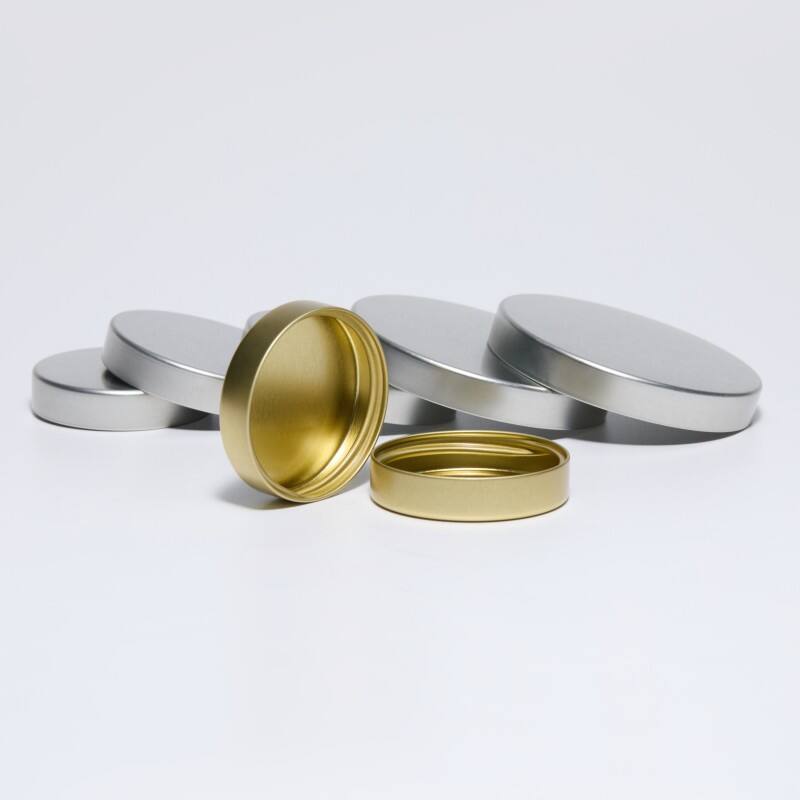
The process of choosing the right internal thread cap requires systematic evaluation of multiple technical and commercial parameters. Unlike external thread closures where threads are visible on the container exterior, internal thread systems position threading inside the bottle neck, creating a cleaner visual profile that many brands prefer for premium positioning. Whether you are packaging food supplements, beverages, pharmaceuticals, or specialty chemicals, matching the cap specifications precisely to your container and product characteristics prevents leakage, contamination, and costly recalls while enhancing brand perception through reliable performance and attractive presentation.
Understanding Internal Thread Cap Design Fundamentals
Thread Profile and Neck Finish Compatibility
The foundation of proper internal thread cap selection begins with understanding thread profiles and neck finish specifications. An internal thread cap must match the exact thread dimensions, pitch, and diameter of the container's internal threading to create a secure closure. Common neck finishes for internal thread systems include 38mm, 43mm, 48mm, 53mm, 58mm, and 63mm diameters, each with standardized thread configurations defined by industry specifications such as GPI (Glass Packaging Institute) or DIN standards. The thread pitch, which represents the distance between thread peaks, must align perfectly between cap and container to prevent cross-threading and ensure consistent torque application during capping operations.
Thread engagement depth determines how many complete thread rotations occur when the cap is fully applied, directly affecting seal integrity and removal torque. Deeper thread engagement typically provides more secure closures but requires greater application torque and may increase capping time in production environments. The internal thread cap design must accommodate the container's land area, which is the flat surface at the top of the neck finish where the liner or gasket makes contact to form the primary seal. Proper dimensional matching between cap and container prevents issues such as insufficient sealing pressure, overtightening damage, or premature thread wear that compromises package integrity over the product lifecycle.
Material Selection Criteria for Internal Thread Caps
Choosing the appropriate material for your internal thread cap depends on product chemistry, storage conditions, regulatory requirements, and sustainability objectives. Tinplate steel remains a popular choice for food and supplement applications due to its excellent barrier properties against oxygen and moisture, recyclability, and ability to withstand high-temperature processing such as pasteurization or hot-fill operations. Aluminum internal thread caps offer lighter weight and superior corrosion resistance for acidic products, though they may require internal coatings for certain applications to prevent product interaction with the metal surface.
Plastic internal thread caps manufactured from materials such as polypropylene, polyethylene, or PET provide design flexibility, impact resistance, and cost advantages for applications where metal barrier properties are not essential. The material choice for an internal thread cap must consider chemical compatibility with the packaged product to prevent degradation, discoloration, or flavor transfer. For pharmaceutical and nutraceutical applications, materials must comply with food contact regulations such as FDA 21 CFR or EU Regulation 10/2011, ensuring that no harmful substances migrate into the product. Additionally, the material's temperature resistance must match processing and storage conditions, as some materials soften or become brittle at temperature extremes, compromising seal performance.
Liner and Gasket Technology Integration
The liner or gasket system integrated into an internal thread cap creates the critical seal between closure and container, making liner selection as important as the cap itself. Common liner materials include pulpboard with coating systems, foam materials, induction seal foils, and compression-molded gaskets, each offering distinct performance characteristics. Pulpboard liners with polymer coatings provide economical sealing for dry products and moderate barrier requirements, while induction seal liners create tamper-evident hermetic seals suitable for products requiring extended shelf life or regulatory compliance documentation.
When selecting an internal thread cap, evaluate liner compatibility with your product's physical state, moisture sensitivity, and oxygen exposure limits. Products containing volatile compounds, essential oils, or moisture-sensitive ingredients typically require liners with enhanced barrier properties to maintain potency and prevent quality degradation. The liner compression characteristics must match the application torque and container finish dimensions to achieve consistent seal formation without over-compression that damages the liner or under-compression that leaves gaps for leakage. Some advanced internal thread cap systems incorporate multi-layer liner technologies that combine barrier properties, cushioning, and tamper evidence in a single integrated component, simplifying inventory management while optimizing performance.
Matching Cap Specifications to Container and Product Requirements
Dimensional Accuracy and Tolerance Management
Precise dimensional matching between internal thread cap and container represents the most critical factor in achieving reliable closure performance. The cap's internal diameter, thread start location, thread depth, and overall height must align with container specifications within tight tolerances, typically measured in fractions of a millimeter. Even minor dimensional mismatches can result in cross-threading during application, incomplete seal formation, or difficulty in cap removal that frustrates consumers. Obtaining detailed technical drawings from both cap supplier and container manufacturer enables verification that all critical dimensions align properly before committing to production quantities.
Thread tolerance specifications determine how much variation exists in thread dimensions while maintaining acceptable performance. Tighter tolerances generally improve consistency but may increase manufacturing costs and require more stringent quality control procedures. When evaluating internal thread cap options, request tolerance specifications for critical dimensions and compare them against your container's published tolerances to ensure compatibility. Consider that tolerance stack-up effects may occur when multiple dimensions approach their extreme limits simultaneously, potentially creating functional issues that don't appear when components are at nominal dimensions. Conducting pilot-scale capping trials with representative production samples verifies that dimensional compatibility translates into reliable real-world performance across normal manufacturing variation.
Application Torque and Capping Equipment Compatibility
The application torque required to properly seat an internal thread cap must match your production equipment capabilities and container structural strength. Insufficient torque results in loose caps that may leak or allow tampering, while excessive torque can crack glass containers, strip threads, or deform metal necks. Standard application torque ranges typically fall between 8 and 25 inch-pounds for most internal thread cap systems, but specific requirements vary based on cap size, liner type, and seal design. Torque specifications should define both minimum and maximum values to establish an acceptable application window that accommodates normal equipment variation.
Your capping equipment type influences internal thread cap selection, as different machines apply closures through various mechanisms including magnetic clutch chucks, spindle cappers, or pick-and-place systems. Each equipment type has torque control characteristics, speed capabilities, and changeover requirements that affect which internal thread cap designs work most efficiently. Magnetic clutch systems provide consistent torque control but may require specific cap head geometries for reliable engagement. High-speed production lines demand internal thread cap designs with features that facilitate rapid, accurate placement and application without jamming or misfeeds. Consulting with both cap suppliers and equipment manufacturers during the selection process ensures compatibility across the entire packaging system.
Product Chemistry and Compatibility Testing
Chemical compatibility between the internal thread cap system and packaged product prevents degradation, contamination, and quality failures that compromise consumer safety and brand reputation. Products with extreme pH values, high alcohol content, essential oils, or reactive compounds may interact with cap materials or liner systems, causing discoloration, corrosion, swelling, or migration of undesirable substances. Conducting formal compatibility testing before finalizing internal thread cap selection identifies potential issues under accelerated aging conditions that simulate extended storage.
Compatibility testing protocols typically include storing product samples in contact with cap materials at elevated temperatures for defined periods, then analyzing both product and packaging components for changes in appearance, physical properties, or chemical composition. For food and pharmaceutical applications, migration testing verifies that no harmful substances leach from the internal thread cap or liner into the product above regulatory limits. Testing should evaluate the complete closure system as an assembly rather than individual components, since interactions between materials may occur at interfaces. Documenting compatibility test results provides valuable technical support for regulatory submissions and quality assurance procedures while reducing the risk of costly field failures after market launch.
Evaluating Quality Standards and Performance Characteristics
Industry Standards and Certification Requirements
Selecting an internal thread cap that meets relevant industry standards ensures baseline quality and facilitates regulatory compliance for your packaged product. International standards such as ISO 12775 for glass container neck finishes and ISO 11418 for plastic closure systems define dimensional specifications, performance testing methods, and quality requirements that promote interchangeability and reliability. Regional standards including DIN specifications in Europe and GPI standards in North America provide additional guidance for specific market requirements. Verifying that your chosen internal thread cap complies with applicable standards reduces technical risk and simplifies validation processes.
For products subject to food contact regulations, pharmaceutical requirements, or other safety-critical applications, internal thread cap suppliers should provide documentation demonstrating regulatory compliance. This may include FDA registration numbers, declarations of conformity with EU regulations, or certificates from testing laboratories verifying compliance with specific requirements. Quality management system certifications such as ISO 9001 or industry-specific standards like BRC Packaging indicate that the cap manufacturer maintains robust quality controls throughout production. Requesting and reviewing these certifications during the selection process helps ensure that your internal thread cap supplier can consistently deliver products meeting your quality expectations and regulatory obligations.
Physical Performance Testing and Validation
Comprehensive physical testing validates that an internal thread cap performs reliably under conditions representing actual use and distribution stresses. Removal torque testing measures the force required to unscrew the cap after application, verifying that consumers can open packages easily without requiring excessive effort while maintaining sufficient resistance to prevent accidental loosening. Typical removal torque specifications range from 6 to 20 inch-pounds depending on package size and user demographics, with child-resistant designs requiring higher values according to standard test protocols.
Leak testing represents perhaps the most critical performance validation for any internal thread cap system. Pressure decay testing, vacuum testing, or dye penetration methods verify seal integrity under conditions simulating transportation, altitude changes, and temperature fluctuations. Drop testing evaluates whether the cap remains sealed when packages experience impact during handling and shipping. For products with specific shelf life requirements, real-time aging studies monitor seal performance over extended storage periods under defined temperature and humidity conditions. Conducting thorough performance testing with your specific product and container combination before full-scale production prevents costly failures and ensures that the internal thread cap delivers the protection your product requires throughout its distribution lifecycle.
Visual Quality and Brand Image Considerations
Beyond functional performance, the visual appearance of an internal thread cap significantly influences consumer perception and brand positioning. Surface finish options including smooth, textured, or embossed patterns affect both aesthetics and grip during opening. Color consistency across production batches maintains brand identity and prevents consumer confusion about product variations. Printing or labeling quality on internal thread cap surfaces must withstand handling and environmental exposure without smudging, fading, or peeling that creates an unprofessional appearance.
Premium products often benefit from internal thread cap designs incorporating distinctive features such as metallic finishes, multi-color decoration, or custom embossing that enhances perceived value and shelf differentiation. However, visual enhancements must not compromise functional performance or increase costs disproportionately to market value. Evaluating internal thread cap samples under retail lighting conditions and comparing them against competitive products helps assess whether appearance meets brand standards. Some brands conduct consumer focus groups to gather feedback on closure aesthetics and ease of use before finalizing internal thread cap specifications, ensuring that packaging design resonates with target audiences while delivering reliable performance.
Optimizing Internal Thread Cap Selection for Specific Applications
Food and Dietary Supplement Packaging Requirements
Food and dietary supplement applications impose stringent requirements on internal thread cap systems due to direct product contact and consumption by potentially vulnerable populations. These products require closures manufactured from food-grade materials with comprehensive regulatory documentation demonstrating safety for intended use. Oxygen barrier properties become critical for supplements containing sensitive ingredients like probiotics, omega-3 fatty acids, or vitamins that degrade upon exposure to air. An internal thread cap with integrated induction seal liner provides tamper evidence and hermetic sealing that extends shelf life while meeting regulatory expectations for package integrity.
Moisture protection represents another key consideration for supplement powders, tablets, and capsules that must remain dry throughout storage and use. Internal thread cap designs with effective liner systems prevent humidity ingress that causes clumping, dissolution, or microbial growth in susceptible products. Child-resistant certification may be required for supplements containing ingredients considered potentially harmful to children, necessitating internal thread cap designs tested and certified according to standards such as 16 CFR 1700.20 in the United States or ISO 8317 internationally. Balancing child resistance with senior-friendly opening characteristics challenges cap designers but remains essential for products marketed to adult populations that may include elderly users with reduced hand strength or dexterity.
Beverage Industry Closure Solutions
Beverage applications present unique challenges for internal thread cap selection due to liquid product characteristics, carbonation pressure in some products, and consumer expectations for convenient access. Non-carbonated beverages such as juices, teas, or functional drinks typically use internal thread cap systems with standard pressure requirements focusing primarily on leak prevention and tamper evidence. Induction seal liners provide one-time opening indication that assures consumers of product freshness while creating hermetic seals that prevent oxidation and spoilage organisms from entering after initial filling and sealing operations.
Hot-fill beverage processes require internal thread cap materials and liner systems capable of withstanding elevated temperatures during filling without distortion or seal failure. Tinplate internal thread caps excel in hot-fill applications due to dimensional stability at high temperatures and excellent heat conduction properties that facilitate rapid cooling. The cap must maintain seal integrity as the product and headspace cool and contract, potentially creating partial vacuum conditions inside the container. Pressure testing validates that the internal thread cap system withstands internal vacuum without deforming or allowing air ingress that would compromise product quality. For beverages with extended ambient shelf life expectations, oxygen transmission rate specifications for the complete package system including the internal thread cap become critical parameters to prevent flavor deterioration and nutrient degradation over time.
Pharmaceutical and Clinical Product Applications
Pharmaceutical products demand internal thread cap systems meeting the most rigorous quality, traceability, and performance standards in packaging applications. Regulatory submissions for drug products include detailed packaging specifications and validation data demonstrating that the chosen internal thread cap protects product stability throughout the approved shelf life under labeled storage conditions. Extractables and leachables testing identifies any substances that might migrate from cap materials into the pharmaceutical product, with acceptable limits defined by safety assessments considering patient exposure levels and routes of administration.
Serialization and track-and-trace requirements in pharmaceutical supply chains increasingly affect internal thread cap selection, as anti-counterfeiting measures may integrate with closure systems through tamper-evident features, unique identifiers, or authentication technologies. Some advanced internal thread cap designs incorporate features such as breakaway bands, first-opening indicators, or electronic authentication elements that provide multiple layers of package security. Child-resistant and senior-friendly certifications represent standard requirements for prescription medications, necessitating internal thread cap designs tested according to consumer product safety standards while remaining accessible to intended users. Pharmaceutical manufacturers must validate capping processes and establish ongoing quality monitoring programs that verify internal thread cap application consistency and seal integrity throughout commercial production.
Practical Considerations for Internal Thread Cap Procurement
Supplier Evaluation and Quality Assurance
Selecting a reliable supplier for your internal thread cap needs extends beyond product specifications to encompass manufacturing capabilities, quality systems, and business stability. Evaluating potential suppliers should include assessment of production capacity to meet your volume requirements, technical support resources for troubleshooting and optimization, and flexibility to accommodate future changes in packaging specifications or production volumes. Site visits to manufacturing facilities provide valuable insights into production processes, quality control procedures, and overall operational professionalism that affect product consistency and reliability.
Quality assurance documentation from internal thread cap suppliers should include certificates of analysis for each production lot, dimensional inspection reports, and performance test results demonstrating compliance with specifications. Establishing clear communication channels for technical questions, specification changes, and problem resolution prevents misunderstandings that could disrupt production or compromise product quality. Long-term supplier relationships built on transparent communication and mutual commitment to quality often deliver better outcomes than simply selecting the lowest-cost option, particularly for applications where closure performance directly impacts product integrity and consumer safety. Periodic supplier audits and performance reviews maintain accountability and identify opportunities for continuous improvement in both product quality and business processes.
Inventory Management and Cost Optimization
Effective inventory management for internal thread cap components balances holding costs against production flexibility and supply security. Minimum order quantities, lead times, and price breaks influence purchasing strategies and inventory policies. High-volume standard internal thread cap designs typically offer attractive pricing and shorter lead times due to regular production schedules, while custom designs may require higher minimum orders and longer manufacturing cycles. Maintaining safety stock protects against supply disruptions but increases working capital requirements and storage space needs.
Total cost of ownership for an internal thread cap system extends beyond piece price to include freight costs, inventory carrying costs, quality control expenses, and potential line downtime from supply issues or quality problems. Standardizing on common internal thread cap specifications across multiple products when feasible reduces inventory complexity and improves purchasing leverage with suppliers. However, standardization must not compromise product-specific performance requirements or brand differentiation objectives. Value engineering reviews periodically assess whether alternative internal thread cap designs or materials might deliver equivalent performance at lower total cost, considering both direct material costs and indirect factors such as line speed compatibility, waste rates, and quality control expenses.
Sustainability and Environmental Considerations
Growing consumer and regulatory emphasis on sustainable packaging influences internal thread cap selection as brands seek to minimize environmental impacts while maintaining product protection and quality. Recyclability represents a key consideration, with metal internal thread cap designs generally offering excellent recycling infrastructure and high material recovery rates compared to some plastic alternatives. However, recycling outcomes depend on local collection systems and consumer participation, making clear labeling and consumer education important elements of sustainable packaging strategies.
Lightweighting initiatives reduce material consumption and transportation impacts by minimizing internal thread cap weight while maintaining necessary performance characteristics. Advanced design techniques including finite element analysis and optimized material distribution enable significant weight reductions without compromising functional integrity. Selecting internal thread cap materials from recycled content sources reduces virgin material demand and associated environmental impacts, though recycled materials must meet the same safety and performance standards as virgin materials for food contact and pharmaceutical applications. Life cycle assessments comparing alternative internal thread cap options provide comprehensive environmental impact data encompassing material extraction, manufacturing, transportation, use, and end-of-life scenarios, supporting informed decisions that balance environmental objectives with technical requirements and economic constraints.
FAQ
What is the main difference between internal thread caps and external thread caps?
Internal thread caps feature threading on the inside of the cap that engages with threads on the outside of the container neck, creating a cleaner exterior appearance since threads are hidden inside. External thread caps have exposed threads visible on the container exterior. Internal thread cap designs often provide better aesthetics for premium products and can offer superior sealing characteristics, while external thread systems may be more common for certain applications and container types. The choice between internal and external thread caps depends on aesthetic preferences, container design, and specific performance requirements for your application.
How do I determine the correct neck finish size for my internal thread cap?
The neck finish size is determined by the container design and is typically specified using a standardized numbering system that indicates the opening diameter and thread configuration. Common measurements include the opening diameter in millimeters and a finish designation code. You should obtain detailed technical drawings or specifications from your container supplier showing the exact neck finish dimensions, thread profile, and land area dimensions. Match these specifications to internal thread cap options from closure suppliers, verifying that all critical dimensions align within acceptable tolerances. Conducting physical fit testing with representative samples confirms compatibility before committing to production quantities.
Can I use the same internal thread cap for both glass and plastic containers?
Using the same internal thread cap for both glass and plastic containers is possible if both container types feature identical neck finish specifications including diameter, thread profile, thread pitch, and land dimensions. However, you must consider that glass and plastic containers may have different structural characteristics affecting recommended application torque, with plastic containers generally requiring lower torque to prevent deformation. Additionally, temperature requirements during processing such as hot-fill operations may differ between glass and plastic, potentially affecting liner selection and cap material suitability. Always validate performance with each specific container type through appropriate testing before assuming cross-compatibility, even when neck finish dimensions appear identical.
What are the key indicators that my internal thread cap is not performing properly?
Several indicators suggest internal thread cap performance issues requiring investigation. Visible leakage around the cap interface or product residue on the container exterior indicates seal failure. Difficulty in cap application or removal, including cross-threading during capping operations, suggests dimensional mismatches between cap and container. Inconsistent removal torque across production batches may indicate quality variation in cap manufacturing or capping equipment problems. Product quality issues such as oxidation, moisture gain, or loss of carbonation point to inadequate barrier properties or seal integrity. Consumer complaints about opening difficulty or caps that loosen during shipping indicate specification or application problems. Systematic quality monitoring including leak testing, torque measurement, and visual inspection helps identify performance issues early before they result in widespread failures or market complaints.
Table of Contents
- Understanding Internal Thread Cap Design Fundamentals
- Matching Cap Specifications to Container and Product Requirements
- Evaluating Quality Standards and Performance Characteristics
- Optimizing Internal Thread Cap Selection for Specific Applications
- Practical Considerations for Internal Thread Cap Procurement
-
FAQ
- What is the main difference between internal thread caps and external thread caps?
- How do I determine the correct neck finish size for my internal thread cap?
- Can I use the same internal thread cap for both glass and plastic containers?
- What are the key indicators that my internal thread cap is not performing properly?