
 EN
EN
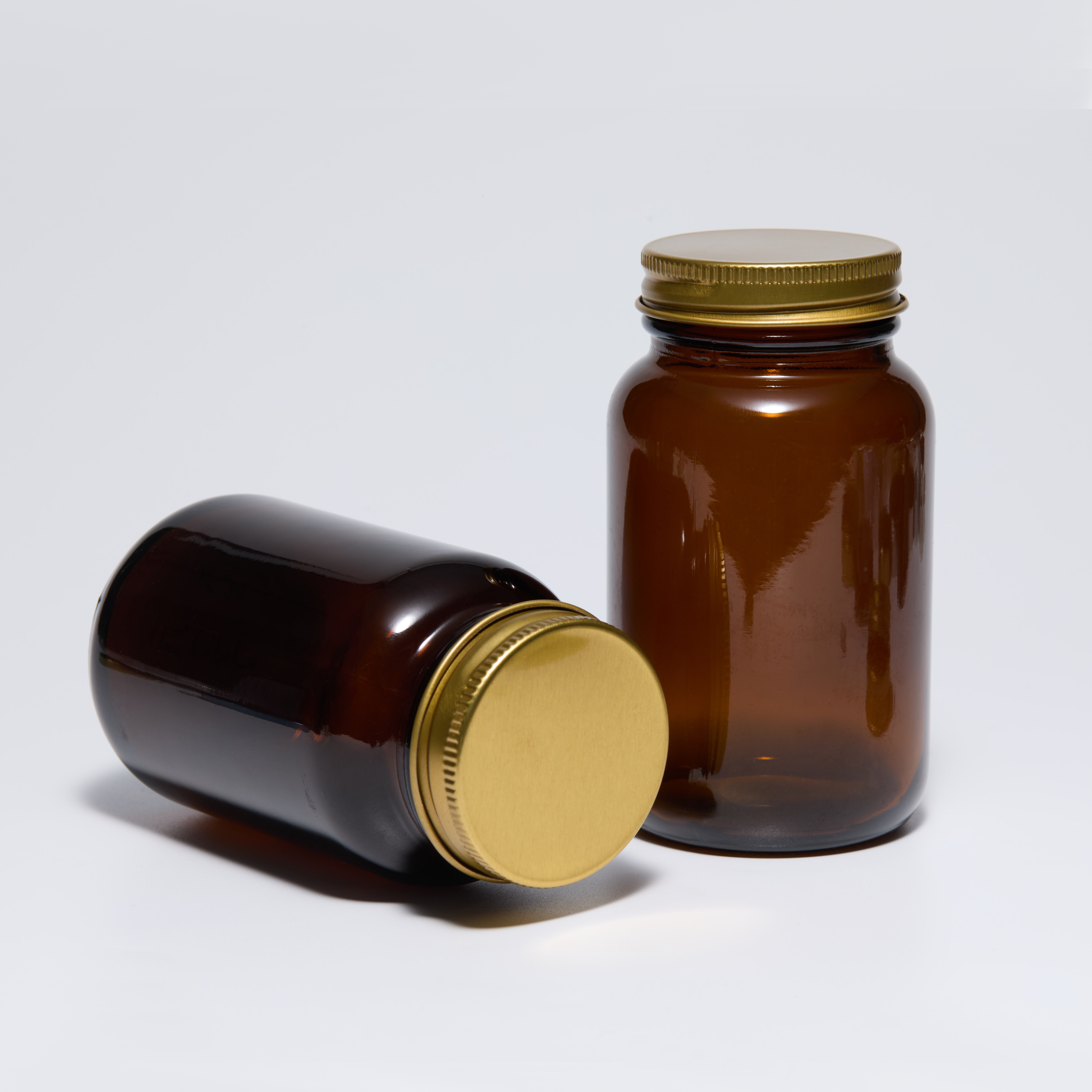
When it comes to glass bottle packaging, the closure you choose is far more than a functional afterthought. Metal caps for glass bottles have become a preferred sealing solution across a wide range of industries, from food and beverage to pharmaceuticals and cosmetics. Their combination of structural integrity, aesthetic appeal, and reliable sealing performance makes them a compelling choice for brands that take packaging quality seriously. Understanding the specific benefits these closures offer can help procurement managers, product developers, and packaging engineers make more informed decisions.
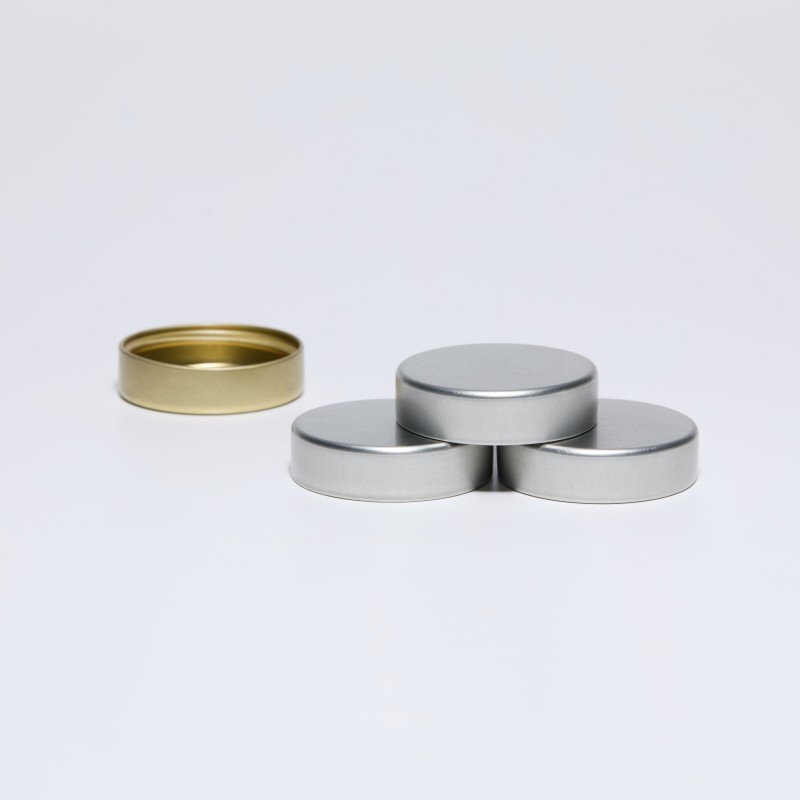
Glass containers are widely valued for their inert properties, premium feel, and recyclability. However, the performance of a glass bottle is only as strong as its closure system. metal caps for glass bottles complement these qualities by delivering a seal that protects product integrity, extends shelf life, and communicates quality to the end consumer. This article explores the key benefits of choosing metal closures for glass bottle packaging and why they continue to be a dominant choice in competitive markets.
Superior Sealing Performance and Product Protection
Airtight Closure That Preserves Freshness
One of the most critical functions of any bottle closure is its ability to maintain an airtight seal. Metal caps for glass bottles are engineered to create a consistent, reliable barrier against oxygen, moisture, and contaminants. This is especially important for products like sauces, jams, pickles, and beverages where oxidation or microbial ingress can compromise quality and safety.
The precision threading and liner materials used in metal closures ensure that the seal remains intact throughout the product's shelf life. Unlike some plastic alternatives, metal does not degrade or warp under temperature fluctuations, which means the sealing performance remains stable from the production line to the consumer's shelf. This consistency is a significant advantage for manufacturers who need to meet strict quality standards.
For products that undergo hot-fill or pasteurization processes, metal caps for glass bottles are particularly well-suited. They can withstand elevated temperatures without losing their structural form, ensuring that the vacuum seal created during cooling remains effective. This thermal resilience is a practical benefit that directly supports product safety and longevity.
Tamper Evidence and Consumer Safety
Consumer trust is built on visible safety assurances. Metal caps for glass bottles are commonly designed with tamper-evident features such as vacuum-sealed lids that produce an audible pop when opened for the first time. This simple but effective mechanism gives consumers immediate confirmation that the product has not been compromised before purchase.
In regulated industries such as pharmaceuticals and nutraceuticals, tamper evidence is not just a marketing feature — it is a compliance requirement. Metal closures can be manufactured to meet these regulatory standards while still offering the flexibility needed for diverse product lines. The combination of safety and compliance makes them a practical choice for brands operating in sensitive markets.
Beyond the initial opening, the robust construction of metal caps for glass bottles also reduces the risk of accidental loosening during transport and storage. This physical durability adds another layer of protection that benefits both the manufacturer and the end user.
Durability and Structural Integrity
Resistance to Physical Stress During Handling and Shipping
Glass bottle packaging faces significant physical stress throughout the supply chain. From automated filling lines to palletized shipping and retail handling, closures must withstand repeated impacts, vibrations, and pressure changes. Metal caps for glass bottles are inherently more resistant to these stresses than many alternative materials.
Tinplate and aluminum, the most common materials used in metal closures, offer a favorable strength-to-weight ratio. They resist deformation under compression and do not crack or shatter under impact. This means that even in high-speed automated packaging environments, metal caps for glass bottles maintain their dimensional accuracy and sealing effectiveness.
For exporters and brands with complex distribution networks, this durability translates directly into reduced product loss and fewer customer complaints. A closure that fails in transit can result in costly recalls, damaged brand reputation, and wasted inventory. Investing in durable metal closures is therefore a risk management decision as much as a packaging one.
Long-Term Performance in Varied Storage Conditions
Products stored in warehouses, retail environments, or consumer homes are exposed to a wide range of temperature and humidity conditions. Metal caps for glass bottles are designed to perform reliably across these variables. Their resistance to moisture absorption prevents the swelling and distortion that can affect some plastic closures over time.
In cold storage applications, metal closures maintain their sealing properties without becoming brittle. In warm or humid environments, they do not soften or lose their thread engagement. This environmental stability is a key reason why metal caps for glass bottles are trusted in industries where product shelf life is measured in months or years rather than weeks.
The long-term performance of metal closures also reduces the need for secondary packaging or additional protective measures, which can simplify logistics and reduce overall packaging costs. When a closure performs reliably across the full product lifecycle, it adds measurable value to the entire packaging system.
Aesthetic Appeal and Brand Perception
Premium Visual Identity for Glass Bottle Products
Packaging is a powerful communication tool, and the closure plays a significant role in shaping the consumer's first impression. Metal caps for glass bottles carry an inherent premium aesthetic that aligns well with high-quality product positioning. The metallic finish, whether matte, gloss, or embossed, conveys craftsmanship and attention to detail.
For brands in the food, beverage, and cosmetics sectors, the visual pairing of glass and metal creates a cohesive, upscale presentation that resonates with quality-conscious consumers. This combination is frequently used in artisan food products, premium spirits, specialty sauces, and luxury skincare lines where the packaging itself is part of the brand story.
Metal caps for glass bottles also offer excellent printability and surface treatment options. Lithographic printing, embossing, debossing, and color coating allow brands to incorporate logos, product information, and decorative elements directly onto the closure. This level of customization supports strong brand differentiation on crowded retail shelves.
Consistency Across High-Volume Production
Maintaining visual consistency across large production runs is a practical challenge for any brand. Metal caps for glass bottles are manufactured to tight dimensional tolerances, which means that color, finish, and form remain consistent from the first unit to the last. This reliability is essential for brands that need to maintain a uniform appearance across multiple SKUs or production batches.
The precision manufacturing processes used for metal closures also ensure that thread profiles and liner placements are consistent, which supports smooth integration with automated capping equipment. Reduced variation in closure dimensions means fewer line stoppages, lower rejection rates, and more efficient production throughput.
For procurement teams managing large-scale packaging operations, this consistency reduces the administrative burden of quality control and supplier management. When metal caps for glass bottles perform predictably, the entire production process becomes more efficient and cost-effective.
Sustainability and Environmental Compatibility
Recyclability and Circular Economy Alignment
Sustainability is an increasingly important factor in packaging decisions, and metal caps for glass bottles offer strong environmental credentials. Both tinplate and aluminum are highly recyclable materials that can be recovered and reprocessed without significant loss of quality. This aligns well with the recyclability of glass itself, making the glass-plus-metal combination one of the most environmentally coherent packaging systems available.
Many municipalities have established recycling streams for metal closures, and consumer awareness of metal recyclability is generally high. Brands that use metal caps for glass bottles can communicate a credible sustainability message without overstating their environmental impact. This transparency is valued by environmentally conscious consumers and increasingly required by retail partners and regulatory bodies.
From a lifecycle perspective, the durability of metal closures also means that products are less likely to be damaged or wasted before reaching the consumer. Reducing product loss is itself a sustainability benefit, as it minimizes the resources embedded in wasted goods. Metal caps for glass bottles therefore contribute to sustainability at multiple points in the product lifecycle.
Compatibility with Sustainable Packaging Strategies
Brands pursuing broader sustainable packaging strategies will find that metal caps for glass bottles integrate naturally with refillable and reusable container programs. Glass bottles are well-suited to refill schemes, and metal closures can be designed to support repeated opening and resealing without significant degradation. This supports circular economy models that are gaining traction in food service, personal care, and specialty retail.
The use of recycled content in metal closure manufacturing is also advancing, with many producers incorporating post-consumer recycled tinplate or aluminum into their production processes. For brands with specific recycled content targets, sourcing metal caps for glass bottles from suppliers who use recycled materials can contribute meaningfully to sustainability reporting and certification goals.
As regulatory pressure on single-use plastics increases in many markets, the shift toward metal and glass packaging systems is accelerating. Brands that have already adopted metal caps for glass bottles are well-positioned to meet evolving compliance requirements without the need for disruptive packaging redesigns.
Versatility Across Industries and Applications
Wide Range of Compatible Products and Bottle Types
One of the practical strengths of metal caps for glass bottles is their versatility. They are available in a wide range of diameters, thread profiles, and liner configurations to suit virtually any glass bottle format. From small pharmaceutical vials to large food jars, metal closures can be specified to match the exact requirements of the application.
In the food industry, metal caps for glass bottles are used for everything from baby food and condiments to craft beverages and specialty preserves. In the pharmaceutical and nutraceutical sectors, they provide the tamper evidence and barrier performance required for sensitive products. In cosmetics and personal care, they deliver the premium aesthetic that supports brand positioning in competitive retail environments.
This cross-industry applicability means that manufacturers who standardize on metal closures for their glass bottle lines can benefit from economies of scale in procurement and inventory management. A single closure format can often serve multiple product lines, simplifying the supply chain without compromising performance.
Compatibility with Automated Capping Systems
Modern packaging lines rely on high-speed automated capping equipment to maintain production efficiency. Metal caps for glass bottles are designed to work seamlessly with these systems. Their consistent dimensions and predictable torque requirements allow capping machines to be calibrated accurately, reducing the risk of under-torqued or over-torqued closures that can lead to seal failures or damaged bottles.
The smooth feeding characteristics of metal closures also support reliable performance in vibratory bowl feeders and cap sorters, which are standard components in automated packaging lines. Fewer jams and misfeeds mean higher line efficiency and lower maintenance costs, which are tangible operational benefits for high-volume manufacturers.
For manufacturers transitioning from plastic to metal closures, the compatibility of metal caps for glass bottles with existing capping infrastructure is an important consideration. In many cases, the transition can be made with minimal equipment modification, making the switch to metal closures a practical and cost-effective upgrade.
FAQ
Are metal caps for glass bottles suitable for hot-fill and pasteurization processes?
Yes, metal caps for glass bottles are well-suited to hot-fill and pasteurization applications. Their thermal stability allows them to maintain their structural integrity and sealing performance at elevated temperatures. The vacuum seal created during the cooling phase after hot-fill processing is reliably maintained by metal closures, making them a preferred choice for products like sauces, jams, and beverages that require these processing methods.
What materials are most commonly used in metal caps for glass bottles?
The two most common materials are tinplate and aluminum. Tinplate offers excellent strength, corrosion resistance, and printability, making it a popular choice for food and beverage applications. Aluminum is lighter and offers good formability, which is often preferred in cosmetic and pharmaceutical packaging. Both materials are highly recyclable and compatible with a wide range of liner materials to suit different product requirements.
How do metal caps for glass bottles contribute to sustainability goals?
Metal caps for glass bottles support sustainability in several ways. Both tinplate and aluminum are highly recyclable, and their use alongside glass creates a packaging system with strong end-of-life recovery potential. The durability of metal closures also reduces product loss during transit and storage, minimizing waste. Additionally, the growing availability of closures made with recycled metal content allows brands to incorporate post-consumer materials into their packaging without compromising performance.
Can metal caps for glass bottles be customized for branding purposes?
Yes, metal caps for glass bottles offer extensive customization options. Surface treatments such as lithographic printing, embossing, debossing, and color coating allow brands to incorporate logos, product information, and decorative designs directly onto the closure. These options support strong visual differentiation on retail shelves and help reinforce brand identity. Customization is available across a wide range of sizes and thread profiles to suit different bottle formats and product categories.