
 EN
EN
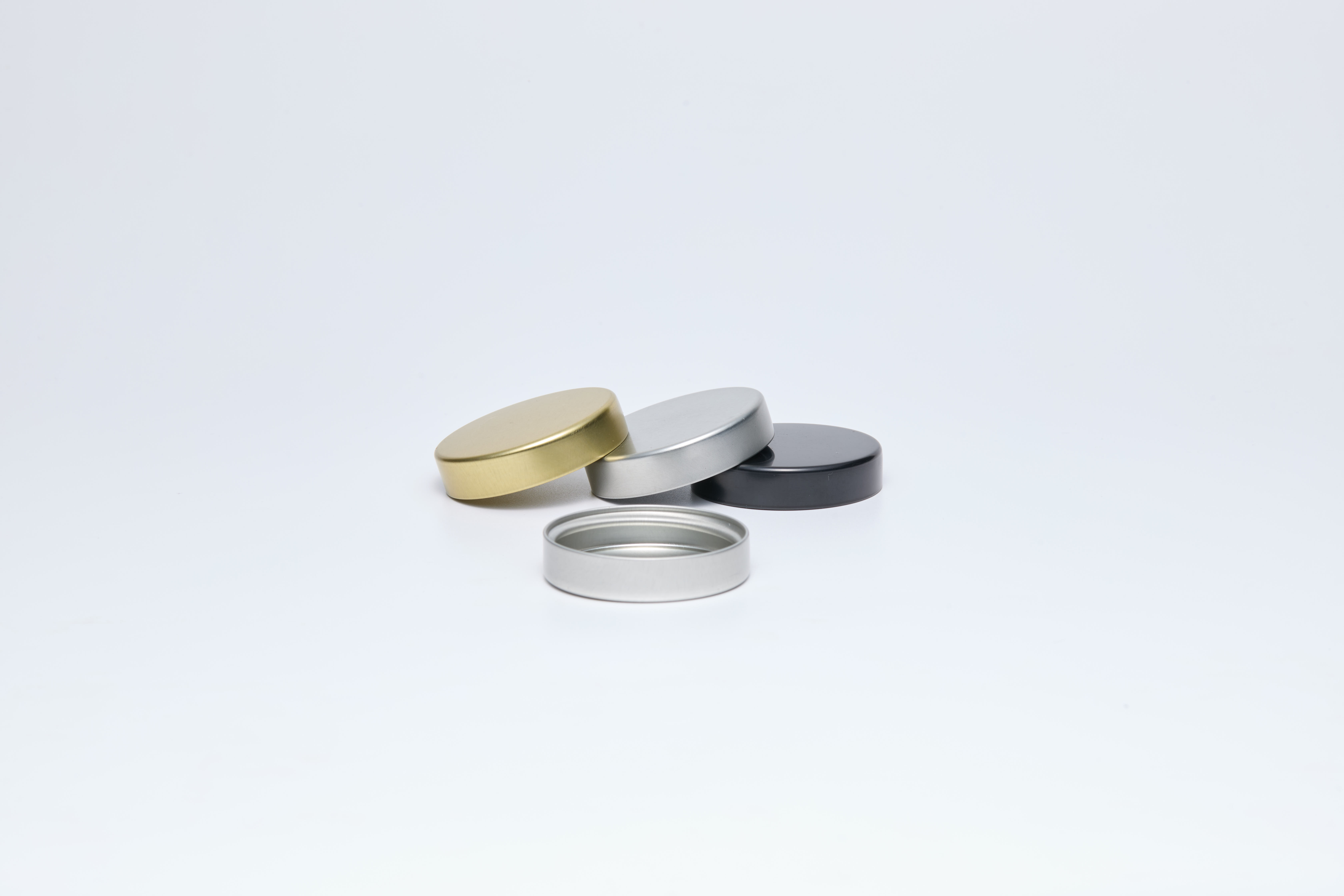
Choosing the right closure for your product starts with understanding what separates one option from another. Screw caps are among the most widely used closures in packaging today, appearing across industries from food and beverage to pharmaceuticals and cosmetics. Yet not all screw caps are the same. The material used to make screw caps — whether metal or plastic — has a direct impact on performance, cost, shelf life, and brand perception.
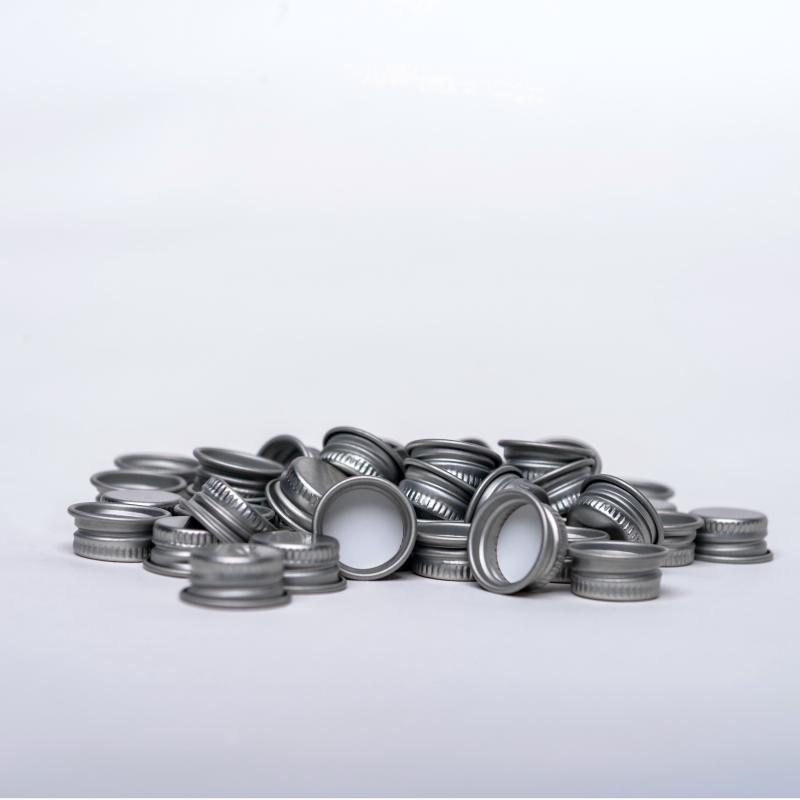
Both metal screw caps and plastic screw caps serve the fundamental purpose of sealing containers securely, but they do so in notably different ways. Understanding those differences helps manufacturers, brand owners, and procurement teams select the right screw caps for their specific application. This article breaks down the core distinctions so you can make a well-informed packaging decision.
Material Properties of Metal and Plastic Screw Caps
What Metal Screw Caps Offer
Metal screw caps, typically made from aluminum or tinplate, are known for their rigidity and strength. These screw caps provide an excellent barrier against moisture, oxygen, and light, making them ideal for products that require maximum protection. Metal screw caps resist deformation under pressure and maintain their shape reliably throughout the supply chain. For premium beverages, essential oils, or pharmaceutical products, metal screw caps deliver a high-end appearance alongside functional protection.
Another important characteristic of metal screw caps is their tamper-evidence capability. Many metal screw caps feature a rolled-edge or scored-band design that clearly shows when the cap has been opened. This builds consumer trust and meets regulatory requirements in several industries. Metal screw caps also accept printing, embossing, and coating well, giving brands strong customization options.
What Plastic Screw Caps Offer
Plastic screw caps, commonly produced from polypropylene or polyethylene, are lightweight and highly versatile. These screw caps are easier to manufacture in large volumes at lower unit costs, which makes them a practical choice for high-volume consumer goods. Plastic screw caps can be molded into a wide range of sizes, colors, and shapes without significant tooling complexity. Their flexibility also means plastic screw caps can accommodate snap-on liners or dispensing inserts that metal versions cannot easily integrate.
However, plastic screw caps generally offer a lower barrier performance compared to metal screw caps. Plastic is permeable to some gases and vapors over time, which may reduce the shelf life of sensitive products. For products that require minimal oxygen exposure or long-term stability, plastic screw caps may need additional inner liner materials to compensate for this limitation.
Performance, Durability, and Sealing Differences
Sealing Reliability in Screw Caps
The sealing performance of screw caps depends heavily on the material and the liner used inside. Metal screw caps are frequently fitted with foil-backed or foam liners that create a near-hermetic seal. This makes metal screw caps particularly effective for carbonated beverages, spirits, and oxygen-sensitive pharmaceutical products. The rigidity of the metal shell ensures the liner compresses evenly and consistently on every bottle neck.
Plastic screw caps can also achieve strong seals when paired with appropriate liner systems. However, because the cap body itself may flex slightly under torque, the compression applied to the liner can vary. This means that for demanding sealing applications, metal screw caps tend to be the more reliable choice. For general-purpose liquids, cleaning products, or low-sensitivity cosmetics, plastic screw caps perform more than adequately.
Durability and Shelf Conditions
Metal screw caps withstand a broader range of temperature and humidity conditions without warping or cracking. In environments with high heat or direct sunlight, plastic screw caps may degrade faster than their metal counterparts. Metal screw caps also resist cracking under mechanical stress during transportation, which is a significant consideration for export-oriented brands. Over a long shelf life, metal screw caps tend to retain their original appearance and structural integrity more consistently than plastic screw caps.
Plastic screw caps, on the other hand, resist corrosion naturally, which is an area where certain metal screw caps may require protective coatings in humid or acidic environments. This gives plastic screw caps a practical advantage in some chemical or household product applications where the contents may interact with an uncoated metal surface.
Cost, Sustainability, and Application Fit
Cost Considerations for Screw Caps
Cost is often the deciding factor when selecting between metal and plastic screw caps. Plastic screw caps are generally less expensive per unit, especially at high volumes. The raw material cost for plastics is lower, and the injection molding process for plastic screw caps is faster and less energy-intensive than the stamping and forming processes used for metal screw caps. For brands operating on tight packaging budgets or selling mass-market products, plastic screw caps are the economically sensible choice.
Metal screw caps command a higher price point, but they also add tangible value. Premium product lines benefit from the perceived quality that metal screw caps communicate to consumers. In competitive retail environments, the look and feel of metal screw caps can meaningfully influence purchase decisions. When packaging is part of the brand story, the added cost of metal screw caps is often justified by stronger market positioning.
Sustainability and Recycling of Screw Caps
Sustainability is an increasingly important factor when choosing screw caps. Metal screw caps, especially aluminum ones, are highly recyclable and retain material value after use. Aluminum screw caps can be recycled repeatedly without significant quality loss. Tinplate screw caps are also recyclable through standard metal recycling streams. This makes metal screw caps a favorable option for brands pursuing circular economy goals.
Plastic screw caps present more complexity in the recycling stream. While some plastic screw caps are recyclable, mixed plastic types and colored pigments can complicate the process. Many plastic screw caps end up in landfill unless specific collection programs are in place. As sustainability regulations tighten globally, the recyclability advantage of metal screw caps becomes an increasingly relevant business consideration for forward-thinking brands.
FAQ
Are metal screw caps better than plastic screw caps for food products?
Metal screw caps generally offer superior barrier protection, which makes them a strong choice for food products requiring a long shelf life or oxygen sensitivity. However, plastic screw caps are widely used in food packaging for products where high barrier performance is not critical. The best choice depends on the specific product, shelf life requirement, and cost constraints.
Can plastic screw caps match the seal quality of metal screw caps?
With the right liner materials, plastic screw caps can achieve good sealing performance for many standard applications. However, for demanding sealing requirements such as carbonated drinks or sterile pharmaceutical products, metal screw caps typically deliver more consistent and reliable seals due to their rigidity and material density.
Which screw caps are more environmentally friendly?
Metal screw caps, particularly aluminum versions, are generally considered more environmentally friendly because they are highly recyclable and retain material value through multiple recycling cycles. Plastic screw caps have a more complex recycling profile and may contribute to landfill waste if not properly collected. Brands with strong sustainability commitments often prefer metal screw caps for this reason.