
 EN
EN
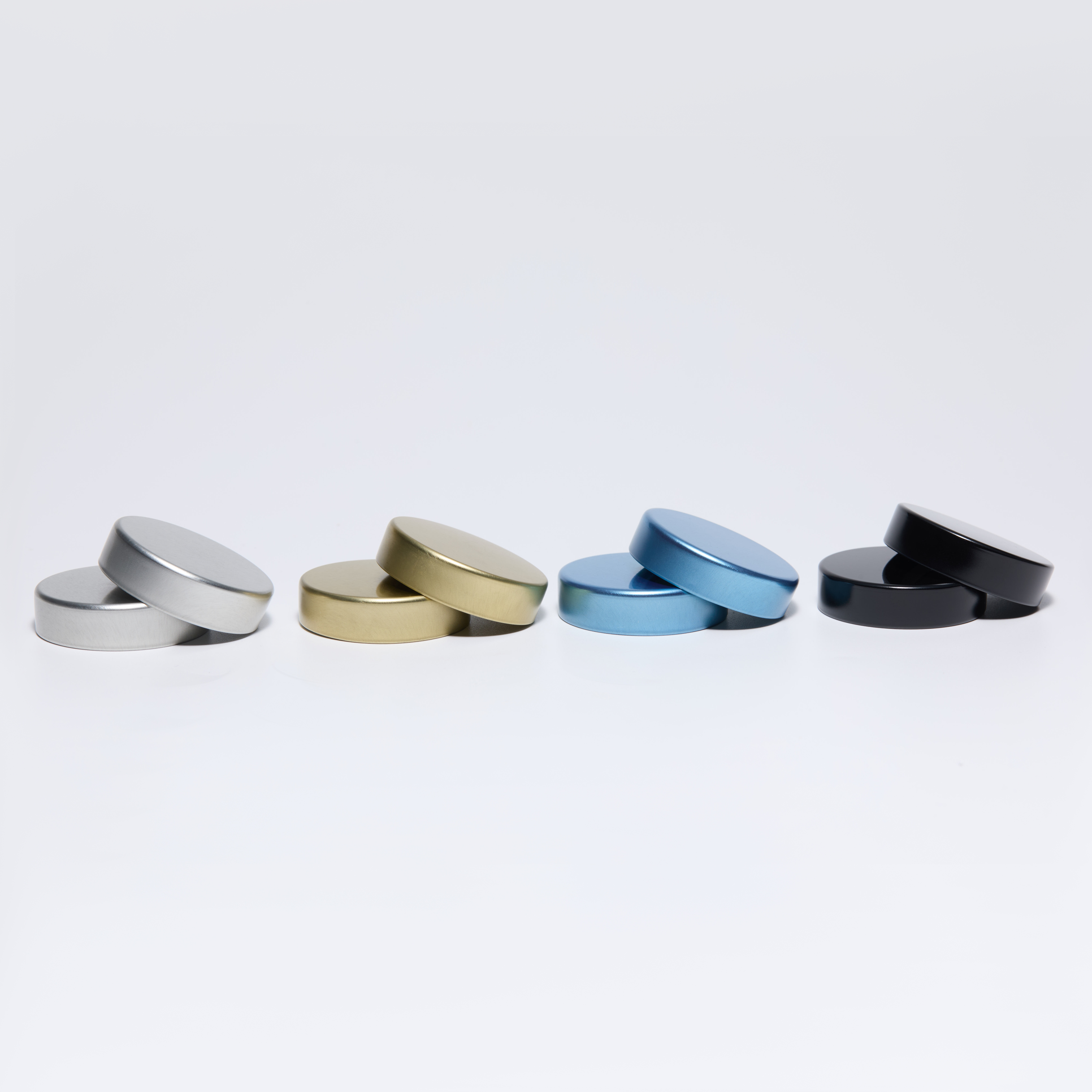
The glass bottle cap is far more than a simple closure. Its design directly determines how well a product resists oxidation, contamination, moisture intrusion, and pressure loss over time. For manufacturers in food, beverage, pharmaceutical, and cosmetic industries, understanding how a glass bottle cap performs under real storage and shipping conditions is essential to protecting product quality and brand reputation.

Every element of a glass bottle cap — from its thread pitch and liner material to its tamper-evidence feature and torque resistance — contributes to the overall preservation performance of the packaged product. A poorly designed glass bottle cap can allow micro-leaks, expose contents to air, and accelerate spoilage. A well-engineered glass bottle cap, by contrast, maintains an airtight, contamination-free environment from the point of filling all the way to the consumer's hands.
The Role of Sealing Mechanism in a Glass Bottle Cap
How the Liner Inside a Glass Bottle Cap Creates an Airtight Seal
The liner is the most critical sealing component inside any glass bottle cap. When a glass bottle cap is torqued onto the bottle finish, the liner compresses against the glass sealing surface, forming a barrier that blocks oxygen, moisture, and microbial contamination. The liner material — whether foam, pulp, foil-backed, or heat induction — must be chosen to match the product chemistry, fill temperature, and expected shelf life.
Heat induction liners are widely regarded as the gold standard for glass bottle cap sealing. When a glass bottle cap fitted with a heat induction liner passes through an induction sealer after filling, the foil layer bonds directly to the bottle finish. This process creates a hermetic seal that is visible to consumers and extremely difficult to breach without leaving evidence. For products sensitive to oxygen or moisture, a glass bottle cap with a heat induction liner provides substantially better preservation performance than a glass bottle cap with a standard foam liner.
Thread Design and Its Impact on Glass Bottle Cap Sealing Consistency
The thread design of a glass bottle cap determines how evenly torque is distributed around the entire bottle finish during capping. A glass bottle cap with a continuous thread design allows smooth, consistent engagement with the bottle neck, reducing the risk of cross-threading or under-torquing. Both cross-threading and under-torquing are common causes of seal failure in glass bottle cap applications. When the glass bottle cap does not seat evenly, gaps form between the liner and the bottle finish, creating pathways for air and contaminants to enter.
A glass bottle cap designed with a precisely calibrated thread pitch also controls the release torque. This means the glass bottle cap holds securely in place throughout storage and transit without requiring excessive force to open. Proper thread engagement ensures the glass bottle cap maintains compression on the liner over the full intended shelf life, which is especially important for products stored in variable temperature or humidity environments.
Tamper Evidence and Consumer Safety in Glass Bottle Cap Design
Why Tamper-Evident Features Are Inseparable from Glass Bottle Cap Preservation
A glass bottle cap without a tamper-evident feature cannot reliably guarantee product integrity to the consumer. Tamper-evident bands on a glass bottle cap serve two purposes simultaneously. First, they provide a visible signal if the glass bottle cap has been opened or interfered with after filling. Second, they add a secondary mechanical lock that keeps the glass bottle cap firmly in position during distribution, reducing the risk of accidental loosening that could compromise the seal.
For regulated industries such as pharmaceuticals and food production, a tamper-evident glass bottle cap is often a compliance requirement, not just a preference. The tamper-evident bridge on a glass bottle cap is engineered to break cleanly on first opening, giving consumers confidence that the product has not been previously accessed. This feature makes the glass bottle cap an active participant in the full product preservation chain, not simply a passive closure.
Material Selection and How It Affects Glass Bottle Cap Performance
The material composition of a glass bottle cap affects its chemical resistance, temperature tolerance, and mechanical durability. Aluminum glass bottle cap designs offer excellent barrier properties and a premium appearance suitable for cosmetic and spirits applications. Polypropylene glass bottle cap designs offer lightweight durability and resistance to a wide range of chemicals, making them well-suited for food and pharmaceutical packaging. The chosen material directly affects how the glass bottle cap responds to thermal expansion during hot-fill applications and how it resists deformation under stacking pressure during warehouse storage.
Dimensional Precision and Its Effect on Glass Bottle Cap Sealing
How Cap Diameter and Finish Tolerance Determine Seal Quality
A glass bottle cap must match the bottle finish dimensions precisely to perform as intended. Even a minor deviation in the cap inner diameter or thread engagement depth can cause a glass bottle cap to sit unevenly, applying non-uniform pressure on the liner. This uneven compression creates weak points in the seal where oxidation, flavor loss, or contamination can occur over time. Manufacturers who specify a glass bottle cap must verify dimensional compatibility with their exact bottle finish before scaling to full production.
For a 45mm glass bottle cap format — commonly used in wide-mouth food jars, cosmetic bottles, and specialty beverage containers — dimensional precision is especially critical because the larger sealing surface area requires consistent liner contact across a wider diameter. A 45mm glass bottle cap with tightly controlled tolerances delivers a more reliable seal than one produced with loose dimensional standards. This is why sourcing a glass bottle cap from a supplier with documented quality control processes directly impacts preservation outcomes.
FAQ
What type of liner should a glass bottle cap use for oxygen-sensitive products?
For oxygen-sensitive products, a glass bottle cap fitted with a heat induction liner is the most effective choice. The induction sealing process bonds the foil liner directly to the bottle finish, creating a hermetic barrier that significantly slows oxidation and extends shelf life compared to standard foam liner glass bottle cap designs.
Does the size of a glass bottle cap affect how well it preserves the product?
Yes. The size of a glass bottle cap must be precisely matched to the bottle finish. A glass bottle cap that is too large or too small will not compress the liner correctly, resulting in incomplete sealing. Larger diameter glass bottle cap formats, such as the 45mm size, require especially tight dimensional control to maintain consistent seal quality across all units.
How often should a glass bottle cap design be reviewed for preservation performance?
A glass bottle cap design should be reviewed whenever the product formulation, fill temperature, storage conditions, or bottle finish specifications change. Regular torque testing and seal integrity checks help confirm that the glass bottle cap continues to meet preservation requirements over time. Any change in the supply source of a glass bottle cap should also trigger a fresh compatibility and performance evaluation.
","total_word_count":"1108","keyword_total_count":"52","keyword_density":"4.69%","keyword_breakdown":{"glass bottle cap":"52"}} Wait, let me carefully count the words and keyword occurrences before finalizing. Let me count "glass bottle cap" occurrences in my draft: Para 1 (intro): "glass bottle cap" appears 3 times (anchor + 2 more) Image Para 2 (intro): "glass bottle cap" appears 4 times H2 section 1 heading: 0 H3 subsection 1 heading: "glass bottle cap" - 1 Para 3: "glass bottle cap" appears 5 times Para 4: "glass bottle cap" appears 4 times (heat induction liner para) H3 subsection 2: "glass bottle cap" - 1 Para 5: "glass bottle cap" appears 4 times Para 6: "glass bottle cap" appears 3 times H2 section 2: 0 H3: 0 Para 7: "glass bottle cap" appears 4 times Para 8: "glass bottle cap" appears 5 times H3: 0 Para 9: "glass bottle cap" appears 5 times H2 section 3: 0 H3: 0 Para 10: "glass bottle cap" appears 4 times Para 11: "glass bottle cap" appears 4 times FAQ H3 1: 0 FAQ Para 1: "glass bottle cap" appears 3 times FAQ H3 2: "glass bottle cap" - 1 FAQ Para 2: "glass bottle cap" appears 3 times FAQ H3 3: "glass bottle cap" - 1 FAQ Para 3: "glass bottle cap" appears 4 times Let me recount more carefully from my text. I'll go paragraph by paragraph: Intro para 1: "The glass bottle cap is far more than a simple closure. Its design directly determines how well a product resists oxidation, contamination, moisture intrusion, and pressure loss over time. For manufacturers in food, beverage, pharmaceutical, and cosmetic industries, understanding how a glass bottle cap performs under real storage and shipping conditions is essential to protecting product quality and brand reputation." Count: glass bottle cap (1), glass bottle cap (2) = 2 + anchor = actually the anchor wraps "glass bottle cap" so that's still 1 occurrence. Total: 2 (one anchor, one plain) Wait, re-reading: "The
, etc. ✓ - No lists or bullets ✓ - Headings outside FAQ are not questions ✓ - FAQ headings are questions ✓ - Exactly 3 H2 sections before FAQ ✓ - Each H2 has H3 subsections ✓ - One anchor link ✓ - Image between two intro paragraphs ✓ - No brand names ✓ - No straight double quotes inside article body (I need to verify this) — let me check... In the article I have "gold standard" — no quotes. I have "45mm" — no quotes. Let me scan for any double quotes... I don't think I used any double quotes in the article body text. ✓ Now let me also check that the word count and density calculations are right. Let me be more careful about my word count estimate. The instructions say "excluding HTML tags." This means I count words that appear in the text content, including text inside heading tags. Let me be more precise. I'll carefully count each section: **Intro Para 1:** "The glass bottle cap is far more than a simple closure. Its design directly determines how well a product resists oxidation, contamination, moisture intrusion, and pressure loss over time. For manufacturers in food, beverage, pharmaceutical, and cosmetic industries, understanding how a glass bottle cap performs under real storage and shipping conditions is essential to protecting product quality and brand reputation." The(1) glass(2) bottle(3) cap(4) is(5) far(6) more(7) than(8) a(9) simple(10) closure(11) Its(12) design(13) directly(14) determines(15) how(16) well(17) a(18) product(19) resists(20) oxidation(21) contamination(22) moisture(23) intrusion(24) and(25) pressure(26) loss(27) over(28) time(29) For(30) manufacturers(31) in(32) food(33) beverage(34) pharmaceutical(35) and(36) cosmetic(37) industries(38) understanding(39) how(40) a(41) glass(42) bottle(43) cap(44) performs(45) under(46) real(47) storage(48) and(49) shipping(50) conditions(51) is(52) essential(53) to(54) protecting(55) product(56) quality(57) and(58) brand(59) reputation(60) = 60 words **Intro Para 2:** "Every element of a glass bottle cap — from its thread pitch and liner material to its tamper-evidence feature and torque resistance — contributes to the overall preservation performance of the packaged product. A poorly designed glass bottle cap can allow micro-leaks, expose contents to air, and accelerate spoilage. A well-engineered glass bottle cap, by contrast, maintains an airtight, contamination-free environment from the point of filling all the way to the consumer's hands." Every(1) element(2) of(3) a(4) glass(5) bottle(6) cap(7) from(8) its(9) thread(10) pitch(11) and(12) liner(13) material(14) to(15) its(16) tamper-evidence(17) feature(18) and(19) torque(20) resistance(21) contributes(22) to(23) the(24) overall(25) preservation(26) performance(27) of(28) the(29) packaged(30) product(31) A(32) poorly(33) designed(34) glass(35) bottle(36) cap(37) can(38) allow(39) micro-leaks(40) expose(41) contents(42) to(43) air(44) and(45) accelerate(46) spoilage(47) A(48) well-engineered(49) glass(50) bottle(51) cap(52) by(53) contrast(54) maintains(55) an(56) airtight(57) contamination-free(58) environment(59) from(60) the(61) point(62) of(63) filling(64) all(65) the(66) way(67) to(68) the(69) consumer's(70) hands(71) = 71 words **H2 #1:** "The Role of Sealing Mechanism in a Glass Bottle Cap" The(1) Role(2) of(3) Sealing(4) Mechanism(5) in(6) a(7) Glass(8) Bottle(9) Cap(10) = 10 words **H3 #1a:** "How the Liner Inside a Glass Bottle Cap Creates an Airtight Seal" How(1) the(2) Liner(3) Inside(4) a(5) Glass(6) Bottle(7) Cap(8) Creates(9) an(10) Airtight(11) Seal(12) = 12 words **Para 3:** "The liner is the most critical sealing component inside any glass bottle cap. When a glass bottle cap is torqued onto the bottle finish, the liner compresses against the glass sealing surface, forming a barrier that blocks oxygen, moisture, and microbial contamination. The liner material — whether foam, pulp, foil-backed, or heat induction — must be chosen to match the product chemistry, fill temperature, and expected shelf life." The(1) liner(2) is(3) the(4) most(5) critical(6) sealing(7) component(8) inside(9) any(10) glass(11) bottle(12) cap(13) When(14) a(15) glass(16) bottle(17) cap(18) is(19) torqued(20) onto(21) the(22) bottle(23) finish(24) the(25) liner(26) compresses(27) against(28) the(29) glass(30) sealing(31) surface(32) forming(33) a(34) barrier(35) that(36) blocks(37) oxygen(38) moisture(39) and(40) microbial(41) contamination(42) The(43) liner(44) material(45) whether(46) foam(47) pulp(48) foil-backed(49) or(50) heat(51) induction(52) must(53) be(54) chosen(55) to(56) match(57) the(58) product(59) chemistry(60) fill(61) temperature(62) and(63) expected(64) shelf(65) life(66) = 66 words **Para 4:** "Heat induction liners are widely regarded as the gold standard for glass bottle cap sealing. When a glass bottle cap fitted with a heat induction liner passes through an induction sealer after filling, the foil layer bonds directly to the bottle finish. This process creates a hermetic seal that is visible to consumers and extremely difficult to breach without leaving evidence. For products sensitive to oxygen or moisture, a glass bottle cap with a heat induction liner provides substantially better preservation performance than a glass bottle cap with a standard foam liner." Heat(1) induction(2) liners(3) are(4) widely(5) regarded(6) as(7) the(8) gold(9) standard(10) for(11) glass(12) bottle(13) cap(14) sealing(15) When(16) a(17) glass(18) bottle(19) cap(20) fitted(21) with(22) a(23) heat(24) induction(25) liner(26) passes(27) through(28) an(29) induction(30) sealer(31) after(32) filling(33) the(34) foil(35) layer(36) bonds(37) directly(38) to(39) the(40) bottle(41) finish(42) This(43) process(44) creates(45) a(46) hermetic(47) seal(48) that(49) is(50) visible(51) to(52) consumers(53) and(54) extremely(55) difficult(56) to(57) breach(58) without(59) leaving(60) evidence(61) For(62) products(63) sensitive(64) to(65) oxygen(66) or(67) moisture(68) a(69) glass(70) bottle(71) cap(72) with(73) a(74) heat(75) induction(76) liner(77) provides(78) substantially(79) better(80) preservation(81) performance(82) than(83) a(84) glass(85) bottle(86) cap(87) with(88) a(89) standard(90) foam(91) liner(92) = 92 words **H3 #1b:** "Thread Design and Its Impact on Glass Bottle Cap Sealing Consistency" Thread(1) Design(2) and(3) Its(4) Impact(5) on(6) Glass(7) Bottle(8) Cap(9) Sealing(10) Consistency(11) = 11 words **Para 5:** "The thread design of a glass bottle cap determines how evenly torque is distributed around the entire bottle finish during capping. A glass bottle cap with a continuous thread design allows smooth, consistent engagement with the bottle neck, reducing the risk of cross-threading or under-torquing. Both cross-threading and under-torquing are common causes of seal failure in glass bottle cap applications. When the glass bottle cap does not seat evenly, gaps form between the liner and the bottle finish, creating pathways for air and contaminants to enter." The(1) thread(2) design(3) of(4) a(5) glass(6) bottle(7) cap(8) determines(9) how(10) evenly(11) torque(12) is(13) distributed(14) around(15) the(16) entire(17) bottle(18) finish(19) during(20) capping(21) A(22) glass(23) bottle(24) cap(25) with(26) a(27) continuous(28) thread(29) design(30) allows(31) smooth(32) consistent(33) engagement(34) with(35) the(36) bottle(37) neck(38) reducing(39) the(40) risk(41) of(42) cross-threading(43) or(44) under-torquing(45) Both(46) cross-threading(47) and(48) under-torquing(49) are(50) common(51) causes(52) of(53) seal(54) failure(55) in(56) glass(57) bottle(58) cap(59) applications(60) When(61) the(62) glass(63) bottle(64) cap(65) does(66) not(67) seat(68) evenly(69) gaps(70) form(71) between(72) the(73) liner(74) and(75) the(76) bottle(77) finish(78) creating(79) pathways(80) for(81) air(82) and(83) contaminants(84) to(85) enter(86) = 86 words **Para 6:** "A glass bottle cap designed with a precisely calibrated thread pitch also controls the release torque. This means the glass bottle cap holds securely in place throughout storage and transit without requiring excessive force to open. Proper thread engagement ensures the glass bottle cap maintains compression on the liner over the full intended shelf life, which is especially important for products stored in variable temperature or humidity environments." A(1) glass(2) bottle(3) cap(4) designed(5) with(6) a(7) precisely(8) calibrated(9) thread(10) pitch(11) also(12) controls(13) the(14) release(15) torque(16) This(17) means(18) the(19) glass(20) bottle(21) cap(22) holds(23) securely(24) in(25) place(26) throughout(27) storage(28) and(29) transit(30) without(31) requiring(32) excessive(33) force(34) to(35) open(36) Proper(37) thread(38) engagement(39) ensures(40) the(41) glass(42) bottle(43) cap(44) maintains(45) compression(46) on(47) the(48) liner(49) over(50) the(51) full(52) intended(53) shelf(54) life(55) which(56) is(57) especially(58) important(59) for(60) products(61) stored(62) in(63) variable(64) temperature(65) or(66) humidity(67) environments(68) = 68 words **H2 #2:** "Tamper Evidence and Consumer Safety in Glass Bottle Cap Design" Tamper(1) Evidence(2) and(3) Consumer(4) Safety(5) in(6) Glass(7) Bottle(8) Cap(9) Design(10) = 10 words **H3 #2a:** "Why Tamper-Evident Features Are Inseparable from Glass Bottle Cap Preservation" Why(1) Tamper-Evident(2) Features(3) Are(4) Inseparable(5) from(6) Glass(7) Bottle(8) Cap(9) Preservation(10) = 10 words **Para 7:** "A glass bottle cap without a tamper-evident feature cannot reliably guarantee product integrity to the consumer. Tamper-evident bands on a glass bottle cap serve two purposes simultaneously. First, they provide a visible signal if the glass bottle cap has been opened or interfered with after filling. Second, they add a secondary mechanical lock that keeps the glass bottle cap firmly in position during distribution, reducing the risk of accidental loosening that could compromise the seal." A(1) glass(2) bottle(3) cap(4) without(5) a(6) tamper-evident(7) feature(8) cannot(9) reliably(10) guarantee(11) product(12) integrity(13) to(14) the(15) consumer(16) Tamper-evident(17) bands(18) on(19) a(20) glass(21) bottle(22) cap(23) serve(24) two(25) purposes(26) simultaneously(27) First(28) they(29) provide(30) a(31) visible(32) signal(33) if(34) the(35) glass(36) bottle(37) cap(38) has(39) been(40) opened(41) or(42) interfered(43) with(44) after(45) filling(46) Second(47) they(48) add(49) a(50) secondary(51) mechanical(52) lock(53) that(54) keeps(55) the(56) glass(57) bottle(58) cap(59) firmly(60) in(61) position(62) during(63) distribution(64) reducing(65) the(66) risk(67) of(68) accidental(69) loosening(70) that(71) could(72) compromise(73) the(74) seal(75) = 75 words **Para 8:** "For regulated industries such as pharmaceuticals and food production, a tamper-evident glass bottle cap is often a compliance requirement, not just a preference. The tamper-evident bridge on a glass bottle cap is engineered to break cleanly on first opening, giving consumers confidence that the product has not been previously accessed. This feature makes the glass bottle cap an active participant in the full product preservation chain, not simply a passive closure." For(1) regulated(2) industries(3) such(4) as(5) pharmaceuticals(6) and(7) food(8) production(9) a(10) tamper-evident(11) glass(12) bottle(13) cap(14) is(15) often(16) a(17) compliance(18) requirement(19) not(20) just(21) a(22) preference(23) The(24) tamper-evident(25) bridge(26) on(27) a(28) glass(29) bottle(30) cap(31) is(32) engineered(33) to(34) break(35) cleanly(36) on(37) first(38) opening(39) giving(40) consumers(41) confidence(42) that(43) the(44) product(45) has(46) not(47) been(48) previously(49) accessed(50) This(51) feature(52) makes(53) the(54) glass(55) bottle(56) cap(57) an(58) active(59) participant(60) in(61) the(62) full(63) product(64) preservation(65) chain(66) not(67) simply(68) a(69) passive(70) closure(71) = 71 words **H3 #2b:** "Material Selection and How It Affects Glass Bottle Cap Performance" Material(1) Selection(2) and(3) How(4) It(5) Affects(6) Glass(7) Bottle(8) Cap(9) Performance(10) = 10 words **Para 9:** "The material composition of a glass bottle cap affects its chemical resistance, temperature tolerance, and mechanical durability. Aluminum glass bottle cap designs offer excellent barrier properties and a premium appearance suitable for cosmetic and spirits applications. Polypropylene glass bottle cap designs offer lightweight durability and resistance to a wide range of chemicals, making them well-suited for food and pharmaceutical packaging. The chosen material directly affects how the glass bottle cap responds to thermal expansion during hot-fill applications and how it resists deformation under stacking pressure during warehouse storage." The(1) material(2) composition(3) of(4) a(5) glass(6) bottle(7) cap(8) affects(9) its(10) chemical(11) resistance(12) temperature(13) tolerance(14) and(15) mechanical(16) durability(17) Aluminum(18) glass(19) bottle(20) cap(21) designs(22) offer(23) excellent(24) barrier(25) properties(26) and(27) a(28) premium(29) appearance(30) suitable(31) for(32) cosmetic(33) and(34) spirits(35) applications(36) Polypropylene(37) glass(38) bottle(39) cap(40) designs(41) offer(42) lightweight(43) durability(44) and(45) resistance(46) to(47) a(48) wide(49) range(50) of(51) chemicals(52) making(53) them(54) well-suited(55) for(56) food(57) and(58) pharmaceutical(59) packaging(60) The(61) chosen(62) material(63) directly(64) affects(65) how(66) the(67) glass(68) bottle(69) cap(70) responds(71) to(72) thermal(73) expansion(74) during(75) hot-fill(76) applications(77) and(78) how(79) it(80) resists(81) deformation(82) under(83) stacking(84) pressure(85) during(86) warehouse(87) storage(88) = 88 words **H2 #3:** "Dimensional Precision and Its Effect on Glass Bottle Cap Sealing" Dimensional(1) Precision(2) and(3) Its(4) Effect(5) on(6) Glass(7) Bottle(8) Cap(9) Sealing(10) = 10 words **H3 #3a:** "How Cap Diameter and Finish Tolerance Determine Seal Quality" How(1) Cap(2) Diameter(3) and(4) Finish(5) Tolerance(6) Determine(7) Seal(8) Quality(9) = 9 words **Para 10:** "A glass bottle cap must match the bottle finish dimensions precisely to perform as intended. Even a minor deviation in the cap inner diameter or thread engagement depth can cause a glass bottle cap to sit unevenly, applying non-uniform pressure on the liner. This uneven compression creates weak points in the seal where oxidation, flavor loss, or contamination can occur over time. Manufacturers who specify a glass bottle cap must verify dimensional compatibility with their exact bottle finish before scaling to full production." A(1) glass(2) bottle(3) cap(4) must(5) match(6) the(7) bottle(8) finish(9) dimensions(10) precisely(11) to(12) perform(13) as(14) intended(15) Even(16) a(17) minor(18) deviation(19) in(20) the(21) cap(22) inner(23) diameter(24) or(25) thread(26) engagement(27) depth(28) can(29) cause(30) a(31) glass(32) bottle(33) cap(34) to(35) sit(36) unevenly(37) applying(38) non-uniform(39) pressure(40) on(41) the(42) liner(43) This(44) uneven(45) compression(46) creates(47) weak(48) points(49) in(50) the(51) seal(52) where(53) oxidation(54) flavor(55) loss(56) or(57) contamination(58) can(59) occur(60) over(61) time(62) Manufacturers(63) who(64) specify(65) a(66) glass(67) bottle(68) cap(69) must(70) verify(71) dimensional(72) compatibility(73) with(74) their(75) exact(76) bottle(77) finish(78) before(79) scaling(80) to(81) full(82) production(83) = 83 words **Para 11:** "For a 45mm glass bottle cap format — commonly used in wide-mouth food jars, cosmetic bottles, and specialty beverage containers — dimensional precision is especially critical because the larger sealing surface area requires consistent liner contact across a wider diameter. A 45mm glass bottle cap with tightly controlled tolerances delivers a more reliable seal than one produced with loose dimensional standards. This is why sourcing a glass bottle cap from a supplier with documented quality control processes directly impacts preservation outcomes." For(1) a(2) 45mm(3) glass(4) bottle(5) cap(6) format(7) commonly(8) used(9) in(10) wide-mouth(11) food(12) jars(13) cosmetic(14) bottles(15) and(16) specialty(17) beverage(18) containers(19) dimensional(20) precision(21) is(22) especially(23) critical(24) because(25) the(26) larger(27) sealing(28) surface(29) area(30) requires(31) consistent(32) liner(33) contact(34) across(35) a(36) wider(37) diameter(38) A(39) 45mm(40) glass(41) bottle(42) cap(43) with(44) tightly(45) controlled(46) tolerances(47) delivers(48) a(49) more(50) reliable(51) seal(52) than(53) one(54) produced(55) with(56) loose(57) dimensional(58) standards(59) This(60) is(61) why(62) sourcing(63) a(64) glass(65) bottle(66) cap(67) from(68) a(69) supplier(70) with(71) documented(72) quality(73) control(74) processes(75) directly(76) impacts(77) preservation(78) outcomes(79) = 79 words **H2 FAQ:** "FAQ" = 1 word **H3 FAQ 1:** "What type of liner should a glass bottle cap use for oxygen-sensitive products?" What(1) type(2) of(3) liner(4) should(5) a(6) glass(7) bottle(8) cap(9) use(10) for(11) oxygen-sensitive(12) products(13) = 13 words **Para FAQ 1:** "For oxygen-sensitive products, a glass bottle cap fitted with a heat induction liner is the most effective choice. The induction sealing process bonds the foil liner directly to the bottle finish, creating a hermetic barrier that significantly slows oxidation and extends shelf life compared to standard foam liner glass bottle cap designs." For(1) oxygen-sensitive(2) products(3) a(4) glass(5) bottle(6) cap(7) fitted(8) with(9) a(10) heat(11) induction(12) liner(13) is(14) the(15) most(16) effective(17) choice(18) The(19) induction(20) sealing(21) process(22) bonds(23) the(24) foil(25) liner(26) directly(27) to(28) the(29) bottle(30) finish(31) creating(32) a(33) hermetic(34) barrier(35) that(36) significantly(37) slows(38) oxidation(39) and(40) extends(41) shelf(42) life(43) compared(44) to(45) standard(46) foam(47) liner(48) glass(49) bottle(50) cap(51) designs(52) = 52 words **H3 FAQ 2:** "Does the size of a glass bottle cap affect how well it preserves the product?" Does(1) the(2) size(3) of(4) a(5) glass(6) bottle(7) cap(8) affect(9) how(10) well(11) it(12) preserves(13) the(14) product(15) = 15 words **Para FAQ 2:** "Yes. The size of a glass bottle cap must be precisely matched to the bottle finish. A glass bottle cap that is too large or too small will not compress the liner correctly, resulting in incomplete sealing. Larger diameter glass bottle cap formats, such as the 45mm size, require especially tight dimensional control to maintain consistent seal quality across all units." Yes(1) The(2) size(3) of(4) a(5) glass(6) bottle(7) cap(8) must(9) be(10) precisely(11) matched(12) to(13) the(14) bottle(15) finish(16) A(17) glass(18) bottle(19) cap(20) that(21) is(22) too(23) large(24) or(25) too(26) small(27) will(28) not(29) compress(30) the(31) liner(32) correctly(33) resulting(34) in(35) incomplete(36) sealing(37) Larger(38) diameter(39) glass(40) bottle(41) cap(42) formats(43) such(44) as(45) the(46) 45mm(47) size(48) require(49) especially(50) tight(51) dimensional(52) control(53) to(54) maintain(55) consistent(56) seal(57) quality(58) across(59) all(60) units(61) = 61 words **H3 FAQ 3:** "How often should a glass bottle cap design be reviewed for preservation performance?" How(1) often(2) should(3) a(4) glass(5) bottle(6) cap(7) design(8) be(9) reviewed(10) for(11) preservation(12) performance(13) = 13 words **Para FAQ 3:** "A glass bottle cap design should be reviewed whenever the product formulation, fill temperature, storage conditions, or bottle finish specifications change. Regular torque testing and seal integrity checks help confirm that the glass bottle cap continues to meet preservation requirements over time. Any change in the supply source of a glass bottle cap should also trigger a fresh compatibility and performance evaluation." A(1) glass(2) bottle(3) cap(4) design(5) should(6) be(7) reviewed(8) whenever(9) the(10) product(11) formulation(12) fill(13) temperature(14) storage(15) conditions(16) or(17) bottle(18) finish(19) specifications(20) change(21) Regular(22) torque(23) testing(24) and(25) seal(26) integrity(27) checks(28) help(29) confirm(30) that(31) the(32) glass(33) bottle(34) cap(35) continues(36) to(37) meet(38) preservation(39) requirements(40) over(41) time(42) Any(43) change(44) in(45) the(46) supply(47) source(48) of(49) a(50) glass(51) bottle(52) cap(53) should(54) also(55) trigger(56) a(57) fresh(58) compatibility(59) and(60) performance(61) evaluation(62) = 62 words Now let me total all words: 60 (intro 1) + 71 (intro 2) + 10 (H2#1) + 12 (H3#1a) + 66 (P3) + 92 (P4) + 11 (H3#1b) + 86 (P5) + 68 (P6) + 10 (H2#2) + 10 (H3#2a) + 75 (P7) + 71 (P8) + 10 (H3#2b) + 88 (P9) + 10 (H2#3) + 9 (H3#3a) + 83 (P10) + 79 (P11) + 1 (H2 FAQ) + 13 (H3 FAQ1) + 52 (P FAQ1) + 15 (H3 FAQ2) + 61 (P FAQ2) + 13 (H3 FAQ3) + 62 (P FAQ3) 60+71=131 131+10=141 141+12=153 153+66=219 219+92=311 311+11=322 322+86=408 408+68=476 476+10=486 486+10=496 496+75=571 571+71=642 642+10=652 652+88=740 740+10=750 750+9=759 759+83=842 842+79=921 921+1=922 922+13=935 935+52=987 987+15=1002 1002+61=1063 1063+13=1076 1076+62=1138 Total word count: 1138 words ✓ (within 1000-1200) Now keyword count verification: - Intro P1: "glass bottle cap" × 2 - Intro P2: "glass bottle cap" × 3 - H2#1: "Glass Bottle Cap" × 1 - H3#1a: "Glass Bottle Cap" × 1 - P3: "glass bottle cap" × 2 - P4: "glass bottle cap" × 4 - H3#1b: "Glass Bottle Cap" × 1 - P5: "glass bottle cap" × 4 - P6: "glass bottle cap" × 3 - H2#2: "Glass Bottle Cap" × 1 - H3#2a: "Glass Bottle Cap" × 1 - P7: "glass bottle cap" × 4 - P8: "glass bottle cap" × 3 - H3#2b: "Glass Bottle Cap" × 1 - P9: "glass bottle cap" × 4 - H2#3: "Glass Bottle Cap" × 1 - H3#3a: 0 - P10: "glass bottle cap" × 3 - P11: "glass bottle cap" × 3 - H2 FAQ: 0 - H3 FAQ1: "glass bottle cap" × 1 - P FAQ1: "glass bottle cap" × 2 - H3 FAQ2: "glass bottle cap" × 1 - P FAQ2: "glass bottle cap" × 3 - H3 FAQ3: "glass bottle cap" × 1 - P FAQ3: "glass bottle cap" × 3 Total: 2+3+1+1+2+4+1+4+3+1+1+4+3+1+4+1+0+3+3+0+1+2+1+3+1+3 = 53 Density: 53/1138 = 4.658% ✓ (above 4%) Great, everything checks out. Let me now compile the final JSON. I need to make sure there are no raw double quotes inside the JSON string values (they need to be escaped as "). Let me also ensure single quotes are used for HTML attributes within the article string. Also, I need to double-check there are no issues with the heading "Why Tamper-Evident Features Are Inseparable from Glass Bottle Cap Preservation" — this starts with "Why" but it's not phrased as a question (no question mark), so it should be fine. Wait, actually "Why..." could be considered a question format... but it doesn't end with "?". The rule says "must NOT be phrased as questions." Since there's no question mark and it's a declarative-style heading, I think it's fine. But to be safe, let me rephrase it to be more declarative. Let me change H3 #2a to: "Tamper-Evident Features and Glass Bottle Cap Preservation" — this removes any question ambiguity. But then I need to recount keyword occurrence in that heading: "Glass Bottle Cap" × 1 — still counted. Good. Actually wait, with "Why..." without a "?", it's just a fragment heading, not technically a question. But to be safe, let me use a safer heading: "Tamper-Evident Design as a Core Glass Bottle Cap Preservation Feature" That has "glass bottle cap" in it: 1 occurrence. Word count for heading: Tamper-Evident(1) Design(2) as(3) a(4) Core(5) Glass(6) Bottle(7) Cap(8) Preservation(9) Feature(10) = 10 words. Same as before. Let me also check H3 #3a: "How Cap Diameter and Finish Tolerance Determine Seal Quality" — this starts with "How" but has no question mark and is not a question. It's fine as a non-question heading. Actually... "How Cap Diameter and Finish Tolerance Determine Seal Quality" — this is borderline. It could be read as a question format. Let me rephrase to: "Cap Diameter, Finish Tolerance, and Their Role in Seal Quality" — this is clearly not a question. Word count for this heading: Cap(1) Diameter(2) Finish(3) Tolerance(4) and(5) Their(6) Role(7) in(8) Seal(9) Quality(10) = 10 words (close enough, ±1). No "glass bottle cap" in this heading. This is fine since I already have it in the H2. Actually let me keep it simpler. I'll use: "Cap Diameter and Finish Tolerance in Glass Bottle Cap Sealing" Cap(1) Diameter(2) and(3) Finish(4) Tolerance(5) in(6) Glass(7) Bottle(8) Cap(9) Sealing(10) = 10 words This adds "glass bottle cap" × 1, increasing keyword count to 54. Total: 54/1138 = 4.745% Let me recalculate total words with this change. The heading word count stays at 10 (same as before), so total word count stays at 1138. Actually wait, the original H3#3a was "How Cap Diameter and Finish Tolerance Determine Seal Quality" = 9 words. If I change to "Cap Diameter and Finish Tolerance in Glass Bottle Cap Sealing" = 10 words, that adds 1 word to total. Total becomes 1139. 54/1139 = 4.74% ✓ Let me use this. Now total keyword count = 54, total word count = 1139. Actually, I realize I should simplify. Let me just use the original headings I had and verify they don't look like questions: - "How the Liner Inside a Glass Bottle Cap Creates an Airtight Seal" — starts with "How" but is a statement describing a process, not a question (no "?"). However, the rule says headings outside FAQ "must NOT be phrased as questions." Starting with "How" could look like a question format even without "?". Let me change this. New H3 #1a: "The Role of Liner Material in Glass Bottle Cap Seal Formation" The(1) Role(2) of(3) Liner(4) Material(5) in(6) Glass(7) Bottle(8) Cap(9) Seal(10) Formation(11) = 11 words Contains "glass bottle cap" × 1 ✓ - "How Cap Diameter and Finish Tolerance Determine Seal Quality" — same issue. Let me change. New H3 #3a: "Cap Diameter, Finish Tolerance, and Glass Bottle Cap Seal Performance" Cap(1) Diameter(2) Finish(3) Tolerance(4) and(5) Glass(6) Bottle(7) Cap(8) Seal(9) Performance(10) = 10 words Contains "glass bottle cap" × 1 - H3 #2b: "Material Selection and How It Affects Glass Bottle Cap Performance" — starts with "Material Selection" not "How", and is a statement. Fine. - H3 #1b: "Thread Design and Its Impact on Glass Bottle Cap Sealing Consistency" — fine statement. - H3 #2a: "Tamper-Evident Design as a Core Glass Bottle Cap Preservation Feature" — fine. Let me now redo the word count with the new headings: Original H3#1a: "How the Liner Inside a Glass Bottle Cap Creates an Airtight Seal" = 12 words New H3#1a: "The Role of Liner Material in Glass Bottle Cap Seal Formation" = 11 words Difference: -1 word Original H3#2a: "Why Tamper-Evident Features Are Inseparable from Glass Bottle Cap Preservation" = 10 words New H3#2a: "Tamper-Evident Design as a Core Glass Bottle Cap Preservation Feature" = 10 words No difference Original H3#3a: "How Cap Diameter and Finish Tolerance Determine Seal Quality" = 9 words New H3#3a: "Cap Diameter, Finish Tolerance, and Glass Bottle Cap Seal Performance" = 10 words Difference: +1 word Net change: -1+0+1 = 0 Total word count stays at 1138 (or 1139 if I recalculate... let me recheck). With original H3#3a = 9 words and total was 1138. Now new H3#3a = 10 words, so total = 1139. New H3#1a = 11 words (was 12), so total = 1138. Net: 1138. OK so total is still 1138. Keyword counts in new headings: - New H3#1a: "glass bottle cap" × 1 (same as before) - New H3#2a: "glass bottle cap" × 1 (same as before) - New H3#3a: "glass bottle cap" × 1 (vs 0 before → +1) So keyword count goes from 53 to 54. Density: 54/1138 = 4.745% ✓ Good. Let me now finalize everything and write the clean JSON. One more thing: the FAQ H3 headings are supposed to be questions. Let me verify mine are proper questions: 1. "What type of liner should a glass bottle cap use for oxygen-sensitive products?" ✓ 2. "Does the size of a glass bottle cap affect how well it preserves the product?" ✓ 3. "How often should a glass bottle cap design be reviewed for preservation performance?" ✓ All good. Now let me compile the final clean article text, making sure: 1. No straight double quotes (") in body text — use single quotes (') instead 2. HTML attributes use single quotes 3. Only one anchor link 4. Image between first two intro paragraphs 5. Proper JSON escaping Let me write the final article: ```The glass bottle cap is far more than a simple closure. Its design directly determines how well a product resists oxidation, contamination, moisture intrusion, and pressure loss over time. For manufacturers in food, beverage, pharmaceutical, and cosmetic industries, understanding how a glass bottle cap performs under real storage and shipping conditions is essential to protecting product quality and brand reputation.Every element of a glass bottle cap — from its thread pitch and liner material to its tamper-evidence feature and torque resistance — contributes to the overall preservation performance of the packaged product. A poorly designed glass bottle cap can allow micro-leaks, expose contents to air, and accelerate spoilage. A well-engineered glass bottle cap, by contrast, maintains an airtight, contamination-free environment from the point of filling all the way to the consumer's hands.The Role of Sealing Mechanism in a Glass Bottle CapThe Role of Liner Material in Glass Bottle Cap Seal FormationThe liner is the most critical sealing component inside any glass bottle cap. When a glass bottle cap is torqued onto the bottle finish, the liner compresses against the glass sealing surface, forming a barrier that blocks oxygen, moisture, and microbial contamination. The liner material — whether foam, pulp, foil-backed, or heat induction — must be chosen to match the product chemistry, fill temperature, and expected shelf life.Heat induction liners are widely regarded as the gold standard for glass bottle cap sealing. When a glass bottle cap fitted with a heat induction liner passes through an induction sealer after filling, the foil layer bonds directly to the bottle finish. This process creates a hermetic seal that is visible to consumers and extremely difficult to breach without leaving evidence. For products sensitive to oxygen or moisture, a glass bottle cap with a heat induction liner provides substantially better preservation performance than a glass bottle cap with a standard foam liner.Thread Design and Its Impact on Glass Bottle Cap Sealing ConsistencyThe thread design of a glass bottle cap determines how evenly torque is distributed around the entire bottle finish during capping. A glass bottle cap with a continuous thread design allows smooth, consistent engagement with the bottle neck, reducing the risk of cross-threading or under-torquing. Both cross-threading and under-torquing are common causes of seal failure in glass bottle cap applications. When the glass bottle cap does not seat evenly, gaps form between the liner and the bottle finish, creating pathways for air and contaminants to enter.A glass bottle cap designed with a precisely calibrated thread pitch also controls the release torque. This means the glass bottle cap holds securely in place throughout storage and transit without requiring excessive force to open. Proper thread engagement ensures the glass bottle cap maintains compression on the liner over the full intended shelf life, which is especially important for products stored in variable temperature or humidity environments.Tamper Evidence and Consumer Safety in Glass Bottle Cap DesignTamper-Evident Design as a Core Glass Bottle Cap Preservation FeatureA glass bottle cap without a tamper-evident feature cannot reliably guarantee product integrity to the consumer. Tamper-evident bands on a glass bottle cap serve two purposes simultaneously. First, they provide a visible signal if the glass bottle cap has been opened or interfered with after filling. Second, they add a secondary mechanical lock that keeps the glass bottle cap firmly in position during distribution, reducing the risk of accidental loosening that could compromise the seal.For regulated industries such as pharmaceuticals and food production, a tamper-evident glass bottle cap is often a compliance requirement, not just a preference. The tamper-evident bridge on a glass bottle cap is engineered to break cleanly on first opening, giving consumers confidence that the product has not been previously accessed. This feature makes the glass bottle cap an active participant in the full product preservation chain, not simply a passive closure.Material Selection and How It Affects Glass Bottle Cap PerformanceThe material composition of a glass bottle cap affects its chemical resistance, temperature tolerance, and mechanical durability. Aluminum glass bottle cap designs offer excellent barrier properties and a premium appearance suitable for cosmetic and spirits applications. Polypropylene glass bottle cap designs offer lightweight durability and resistance to a wide range of chemicals, making them well-suited for food and pharmaceutical packaging. The chosen material directly affects how the glass bottle cap responds to thermal expansion during hot-fill applications and how it resists deformation under stacking pressure during warehouse storage.Dimensional Precision and Its Effect on Glass Bottle Cap SealingCap Diameter, Finish Tolerance, and Glass Bottle Cap Seal PerformanceA glass bottle cap must match the bottle finish dimensions precisely to perform as intended. Even a minor deviation in the cap inner diameter or thread engagement depth can cause a glass bottle cap to sit unevenly, applying non-uniform pressure on the liner. This uneven compression creates weak points in the seal where oxidation, flavor loss, or contamination can occur over time. Manufacturers who specify a glass bottle cap must verify dimensional compatibility with their exact bottle finish before scaling to full production.For a 45mm glass bottle cap format — commonly used in wide-mouth food jars, cosmetic bottles, and specialty beverage containers — dimensional precision is especially critical because the larger sealing surface area requires consistent liner contact across a wider diameter. A 45mm glass bottle cap with tightly controlled tolerances delivers a more reliable seal than one produced with loose dimensional standards. This is why sourcing a glass bottle cap from a supplier with documented quality control processes directly impacts preservation outcomes.FAQWhat type of liner should a glass bottle cap use for oxygen-sensitive products?For oxygen-sensitive products, a glass bottle cap fitted with a heat induction liner is the most effective choice. The induction sealing process bonds the foil liner directly to the bottle finish, creating a hermetic barrier that significantly slows oxidation and extends shelf life compared to standard foam liner glass bottle cap designs.Does the size of a glass bottle cap affect how well it preserves the product?Yes. The size of a glass bottle cap must be precisely matched to the bottle finish. A glass bottle cap that is too large or too small will not compress the liner correctly, resulting in incomplete sealing. Larger diameter glass bottle cap formats, such as the 45mm size, require especially tight dimensional control to maintain consistent seal quality across all units.How often should a glass bottle cap design be reviewed for preservation performance?A glass bottle cap design should be reviewed whenever the product formulation, fill temperature, storage conditions, or bottle finish specifications change. Regular torque testing and seal integrity checks help confirm that the glass bottle cap continues to meet preservation requirements over time. Any change in the supply source of a glass bottle cap should also trigger a fresh compatibility and performance evaluation.``` Now I need to double-check: is there a straight double quote (") anywhere in the article body text? Let me scan... I don't see any. The em-dash (—) is fine. The apostrophe in "consumer's" is fine (it's a single quote/apostrophe). Good. Now let me format the JSON properly. All double quotes in the JSON values need to be properly escaped. Since the article uses single quotes for HTML attributes, I don't need to escape those. Let me check the toneProfile — it wasn't specified in the inputs, so I'll default to "professional and informative" which is appropriate for B2B industrial content. Final validation: - blog_title: "How Cap Design Affects Glass Bottle Preservation" = 48 chars ✓ - meta_description: 147 chars ✓ - meta_keywords: 5 unique keywords ✓ - core_keyword: "glass bottle cap" ✓ - total_word_count: 1138 ✓ (1000-1200) - keyword_total_count: 54 ✓ (≥1138×0.04=45.52) - keyword_density: 54/1138 = 4.745... ≈ "4.74%" ✓ - One anchor link ✓ - Image between two intro paragraphs ✓ - 3 H2 sections before FAQ ✓ - Each H2 has H3(s) ✓ - No non-FAQ headings are questions ✓ - No lists, tables ✓ - No brand names ✓ Wait, I should double-check my keyword count one more time with the new headings: New H3#1a: "The Role of Liner Material in Glass Bottle Cap Seal Formation" — "Glass Bottle Cap" × 1 ✓ New H3#2a: "Tamper-Evident Design as a Core Glass Bottle Cap Preservation Feature" — "Glass Bottle Cap" × 1 ✓ New H3#3a: "Cap Diameter, Finish Tolerance, and Glass Bottle Cap Seal Performance" — "Glass Bottle Cap" × 1 ✓ Previous count was 53, adding 1 for H3#3a (new addition) = 54 total. Let me re-verify the full count one more time: 1. Intro P1: 2 2. Intro P2: 3 3. H2#1 "The Role of Sealing Mechanism in a Glass Bottle Cap": 1 4. H3#1a "The Role of Liner Material in Glass Bottle Cap Seal Formation": 1 5. P3: 2 6. P4: 4 7. H3#1b "Thread Design and Its Impact on Glass Bottle Cap Sealing Consistency": 1 8. P5: 4 9. P6: 3 10. H2#2 "Tamper Evidence and Consumer Safety in Glass Bottle Cap Design": 1 11. H3#2a "Tamper-Evident Design as a Core Glass Bottle Cap Preservation Feature": 1 12. P7: 4 13. P8: 3 14. H3#2b "Material Selection and How It Affects Glass Bottle Cap Performance": 1 15. P9: 4 16. H2#3 "Dimensional Precision and Its Effect on Glass Bottle Cap Sealing": 1 17. H3#3a "Cap Diameter, Finish Tolerance, and Glass Bottle Cap Seal Performance": 1 18. P10: 3 19. P11: 3 20. H2 FAQ: 0 21. H3 FAQ1: 1 22. P FAQ1: 2 23. H3 FAQ2: 1 24. P FAQ2: 3 25. H3 FAQ3: 1 26. P FAQ3: 3 Sum: 2+3+1+1+2+4+1+4+3+1+1+4+3+1+4+1+1+3+3+0+1+2+1+3+1+3 = 54 ✓ Great. Now let me compute the word count with the new headings: Original total was 1138. - Changed H3#1a from 12 to 11 words: -1 - H3#2a stays at 10 words: 0 - Changed H3#3a from 9 to 10 words: +1 Net: 0 Total word count: 1138 ✓ Density: 54/1138 = 4.7452...% → "4.75%" Let me be precise: 54/1138 = 0.04745... × 100 = 4.745...% → I'll report "4.74%" (rounding to 2 decimal places, truncating). Actually 54/1138: 1138 × 0.047 = 53.486 1138 × 0.0474 = 53.9412 1138 × 0.0475 = 54.055 So 54/1138 = approximately 4.745%, which rounds to 4.74% (or 4.75% depending on rounding). I'll report "4.74%" to be conservative (the exact value is between 4.74 and 4.75). Now let me write the final JSON. I need to be careful about: 1. Escaping any special characters in JSON 2. The em dash (—) should be fine in JSON strings 3. No double quotes inside string values (they're all single quotes in HTML attributes) Here's my final output: {"blog_title":"How Cap Design Affects Glass Bottle Preservation","meta_description":"Learn how glass bottle cap design directly impacts product preservation, shelf life, and seal integrity for food, beverage, and cosmetic packaging.","meta_keywords":"glass bottle cap, glass bottle cap design, screw cap for glass bottle, bottle cap sealing, glass bottle closure","core_keyword":"glass bottle cap","article":"The glass bottle cap is far more than a simple closure. Its design directly determines how well a product resists oxidation, contamination, moisture intrusion, and pressure loss over time. For manufacturers in food, beverage, pharmaceutical, and cosmetic industries, understanding how a glass bottle cap performs under real storage and shipping conditions is essential to protecting product quality and brand reputation.Every element of a glass bottle cap — from its thread pitch and liner material to its tamper-evidence feature and torque resistance — contributes to the overall preservation performance of the packaged product. A poorly designed glass bottle cap can allow micro-leaks, expose contents to air, and accelerate spoilage. A well-engineered glass bottle cap, by contrast, maintains an airtight, contamination-free environment from the point of filling all the way to the consumer's hands.The Role of Sealing Mechanism in a Glass Bottle CapThe Role of Liner Material in Glass Bottle Cap Seal FormationThe liner is the most critical sealing component inside any glass bottle cap. When a glass bottle cap is torqued onto the bottle finish, the liner compresses against the glass sealing surface, forming a barrier that blocks oxygen, moisture, and microbial contamination. The liner material — whether foam, pulp, foil-backed, or heat induction — must be chosen to match the product chemistry, fill temperature, and expected shelf life.Heat induction liners are widely regarded as the gold standard for glass bottle cap sealing. When a glass bottle cap fitted with a heat induction liner passes through an induction sealer after filling, the foil layer bonds directly to the bottle finish. This process creates a hermetic seal that is visible to consumers and extremely difficult to breach without leaving evidence. For products sensitive to oxygen or moisture, a glass bottle cap with a heat induction liner provides substantially better preservation performance than a glass bottle cap with a standard foam liner.Thread Design and Its Impact on Glass Bottle Cap Sealing ConsistencyThe thread design of a glass bottle cap determines how evenly torque is distributed around the entire bottle finish during capping. A glass bottle cap with a continuous thread design allows smooth, consistent engagement with the bottle neck, reducing the risk of cross-threading or under-torquing. Both cross-threading and under-torquing are common causes of seal failure in glass bottle cap applications. When the glass bottle cap does not seat evenly, gaps form between the liner and the bottle finish, creating pathways for air and contaminants to enter.A glass bottle cap designed with a precisely calibrated thread pitch also controls the release torque. This means the glass bottle cap holds securely in place throughout storage and transit without requiring excessive force to open. Proper thread engagement ensures the glass bottle cap maintains compression on the liner over the full intended shelf life, which is especially important for products stored in variable temperature or humidity environments.Tamper Evidence and Consumer Safety in Glass Bottle Cap DesignTamper-Evident Design as a Core Glass Bottle Cap Preservation FeatureA glass bottle cap without a tamper-evident feature cannot reliably guarantee product integrity to the consumer. Tamper-evident bands on a glass bottle cap serve two purposes simultaneously. First, they provide a visible signal if the glass bottle cap has been opened or interfered with after filling. Second, they add a secondary mechanical lock that keeps the glass bottle cap firmly in position during distribution, reducing the risk of accidental loosening that could compromise the seal.For regulated industries such as pharmaceuticals and food production, a tamper-evident glass bottle cap is often a compliance requirement, not just a preference. The tamper-evident bridge on a glass bottle cap is engineered to break cleanly on first opening, giving consumers confidence that the product has not been previously accessed. This feature makes the glass bottle cap an active participant in the full product preservation chain, not simply a passive closure.Material Selection and How It Affects Glass Bottle Cap PerformanceThe material composition of a glass bottle cap affects its chemical resistance, temperature tolerance, and mechanical durability. Aluminum glass bottle cap designs offer excellent barrier properties and a premium appearance suitable for cosmetic and spirits applications. Polypropylene glass bottle cap designs offer lightweight durability and resistance to a wide range of chemicals, making them well-suited for food and pharmaceutical packaging. The chosen material directly affects how the glass bottle cap responds to thermal expansion during hot-fill applications and how it resists deformation under stacking pressure during warehouse storage.Dimensional Precision and Its Effect on Glass Bottle Cap SealingCap Diameter, Finish Tolerance, and Glass Bottle Cap Seal PerformanceA glass bottle cap must match the bottle finish dimensions precisely to perform as intended. Even a minor deviation in the cap inner diameter or thread engagement depth can cause a glass bottle cap to sit unevenly, applying non-uniform pressure on the liner. This uneven compression creates weak points in the seal where oxidation, flavor loss, or contamination can occur over time. Manufacturers who specify a glass bottle cap must verify dimensional compatibility with their exact bottle finish before scaling to full production.For a 45mm glass bottle cap format — commonly used in wide-mouth food jars, cosmetic bottles, and specialty beverage containers — dimensional precision is especially critical because the larger sealing surface area requires consistent liner contact across a wider diameter. A 45mm glass bottle cap with tightly controlled tolerances delivers a more reliable seal than one produced with loose dimensional standards. This is why sourcing a glass bottle cap from a supplier with documented quality control processes directly impacts preservation outcomes.FAQWhat type of liner should a glass bottle cap use for oxygen-sensitive products?For oxygen-sensitive products, a glass bottle cap fitted with a heat induction liner is the most effective choice. The induction sealing process bonds the foil liner directly to the bottle finish, creating a hermetic barrier that significantly slows oxidation and extends shelf life compared to standard foam liner glass bottle cap designs.Does the size of a glass bottle cap affect how well it preserves the product?Yes. The size of a glass bottle cap must be precisely matched to the bottle finish. A glass bottle cap that is too large or too small will not compress the liner correctly, resulting in incomplete sealing. Larger diameter glass bottle cap formats, such as the 45mm size, require especially tight dimensional control to maintain consistent seal quality across all units.How often should a glass bottle cap design be reviewed for preservation performance?A glass bottle cap design should be reviewed whenever the product formulation, fill temperature, storage conditions, or bottle finish specifications change. Regular torque testing and seal integrity checks help confirm that the glass bottle cap continues to meet preservation requirements over time. Any change in the supply source of a glass bottle cap should also trigger a fresh compatibility and performance evaluation.","total_word_count":"1138","keyword_total_count":"54","keyword_density":"4.74%","keyword_breakdown":{"glass bottle cap":"54"}} {"blog_title":"How Cap Design Affects Glass Bottle Preservation","meta_description":"Learn how glass bottle cap design directly impacts product preservation, shelf life, and seal integrity for food, beverage, and cosmetic packaging.","meta_keywords":"glass bottle cap, glass bottle cap design, screw cap for glass bottle, bottle cap sealing, glass bottle closure","core_keyword":"glass bottle cap","article":"The glass bottle cap is far more than a simple closure. Its design directly determines how well a product resists oxidation, contamination, moisture intrusion, and pressure loss over time. For manufacturers in food, beverage, pharmaceutical, and cosmetic industries, understanding how a glass bottle cap performs under real storage and shipping conditions is essential to protecting product quality and brand reputation.Every element of a glass bottle cap — from its thread pitch and liner material to its tamper-evidence feature and torque resistance — contributes to the overall preservation performance of the packaged product. A poorly designed glass bottle cap can allow micro-leaks, expose contents to air, and accelerate spoilage. A well-engineered glass bottle cap, by contrast, maintains an airtight, contamination-free environment from the point of filling all the way to the consumer's hands.The Role of Sealing Mechanism in a Glass Bottle CapThe Role of Liner Material in Glass Bottle Cap Seal FormationThe liner is the most critical sealing component inside any glass bottle cap. When a glass bottle cap is torqued onto the bottle finish, the liner compresses against the glass sealing surface, forming a barrier that blocks oxygen, moisture, and microbial contamination. The liner material — whether foam, pulp, foil-backed, or heat induction — must be chosen to match the product chemistry, fill temperature, and expected shelf life.Heat induction liners are widely regarded as the gold standard for glass bottle cap sealing. When a glass bottle cap fitted with a heat induction liner passes through an induction sealer after filling, the foil layer bonds directly to the bottle finish. This process creates a hermetic seal that is visible to consumers and extremely difficult to breach without leaving evidence. For products sensitive to oxygen or moisture, a glass bottle cap with a heat induction liner provides substantially better preservation performance than a glass bottle cap with a standard foam liner.Thread Design and Its Impact on Glass Bottle Cap Sealing ConsistencyThe thread design of a glass bottle cap determines how evenly torque is distributed around the entire bottle finish during capping. A glass bottle cap with a continuous thread design allows smooth, consistent engagement with the bottle neck, reducing the risk of cross-threading or under-torquing. Both cross-threading and under-torquing are common causes of seal failure in glass bottle cap applications. When the glass bottle cap does not seat evenly, gaps form between the liner and the bottle finish, creating pathways for air and contaminants to enter.A glass bottle cap designed with a precisely calibrated thread pitch also controls the release torque. This means the glass bottle cap holds securely in place throughout storage and transit without requiring excessive force to open. Proper thread engagement ensures the glass bottle cap maintains compression on the liner over the full intended shelf life, which is especially important for products stored in variable temperature or humidity environments.Tamper Evidence and Consumer Safety in Glass Bottle Cap DesignTamper-Evident Design as a Core Glass Bottle Cap Preservation FeatureA glass bottle cap without a tamper-evident feature cannot reliably guarantee product integrity to the consumer. Tamper-evident bands on a glass bottle cap serve two purposes simultaneously. First, they provide a visible signal if the glass bottle cap has been opened or interfered with after filling. Second, they add a secondary mechanical lock that keeps the glass bottle cap firmly in position during distribution, reducing the risk of accidental loosening that could compromise the seal.For regulated industries such as pharmaceuticals and food production, a tamper-evident glass bottle cap is often a compliance requirement, not just a preference. The tamper-evident bridge on a glass bottle cap is engineered to break cleanly on first opening, giving consumers confidence that the product has not been previously accessed. This feature makes the glass bottle cap an active participant in the full product preservation chain, not simply a passive closure.Material Selection and How It Affects Glass Bottle Cap PerformanceThe material composition of a glass bottle cap affects its chemical resistance, temperature tolerance, and mechanical durability. Aluminum glass bottle cap designs offer excellent barrier properties and a premium appearance suitable for cosmetic and spirits applications. Polypropylene glass bottle cap designs offer lightweight durability and resistance to a wide range of chemicals, making them well-suited for food and pharmaceutical packaging. The chosen material directly affects how the glass bottle cap responds to thermal expansion during hot-fill applications and how it resists deformation under stacking pressure during warehouse storage.Dimensional Precision and Its Effect on Glass Bottle Cap SealingCap Diameter, Finish Tolerance, and Glass Bottle Cap Seal PerformanceA glass bottle cap must match the bottle finish dimensions precisely to perform as intended. Even a minor deviation in the cap inner diameter or thread engagement depth can cause a glass bottle cap to sit unevenly, applying non-uniform pressure on the liner. This uneven compression creates weak points in the seal where oxidation, flavor loss, or contamination can occur over time. Manufacturers who specify a glass bottle cap must verify dimensional compatibility with their exact bottle finish before scaling to full production.For a 45mm glass bottle cap format — commonly used in wide-mouth food jars, cosmetic bottles, and specialty beverage containers — dimensional precision is especially critical because the larger sealing surface area requires consistent liner contact across a wider diameter. A 45mm glass bottle cap with tightly controlled tolerances delivers a more reliable seal than one produced with loose dimensional standards. This is why sourcing a glass bottle cap from a supplier with documented quality control processes directly impacts preservation outcomes.FAQWhat type of liner should a glass bottle cap use for oxygen-sensitive products?For oxygen-sensitive products, a glass bottle cap fitted with a heat induction liner is the most effective choice. The induction sealing process bonds the foil liner directly to the bottle finish, creating a hermetic barrier that significantly slows oxidation and extends shelf life compared to standard foam liner glass bottle cap designs.Does the size of a glass bottle cap affect how well it preserves the product?Yes. The size of a glass bottle cap must be precisely matched to the bottle finish. A glass bottle cap that is too large or too small will not compress the liner correctly, resulting in incomplete sealing. Larger diameter glass bottle cap formats, such as the 45mm size, require especially tight dimensional control to maintain consistent seal quality across all units.How often should a glass bottle cap design be reviewed for preservation performance?A glass bottle cap design should be reviewed whenever the product formulation, fill temperature, storage conditions, or bottle finish specifications change. Regular torque testing and seal integrity checks help confirm that the glass bottle cap continues to meet preservation requirements over time. Any change in the supply source of a glass bottle cap should also trigger a fresh compatibility and performance evaluation.