
 EN
EN
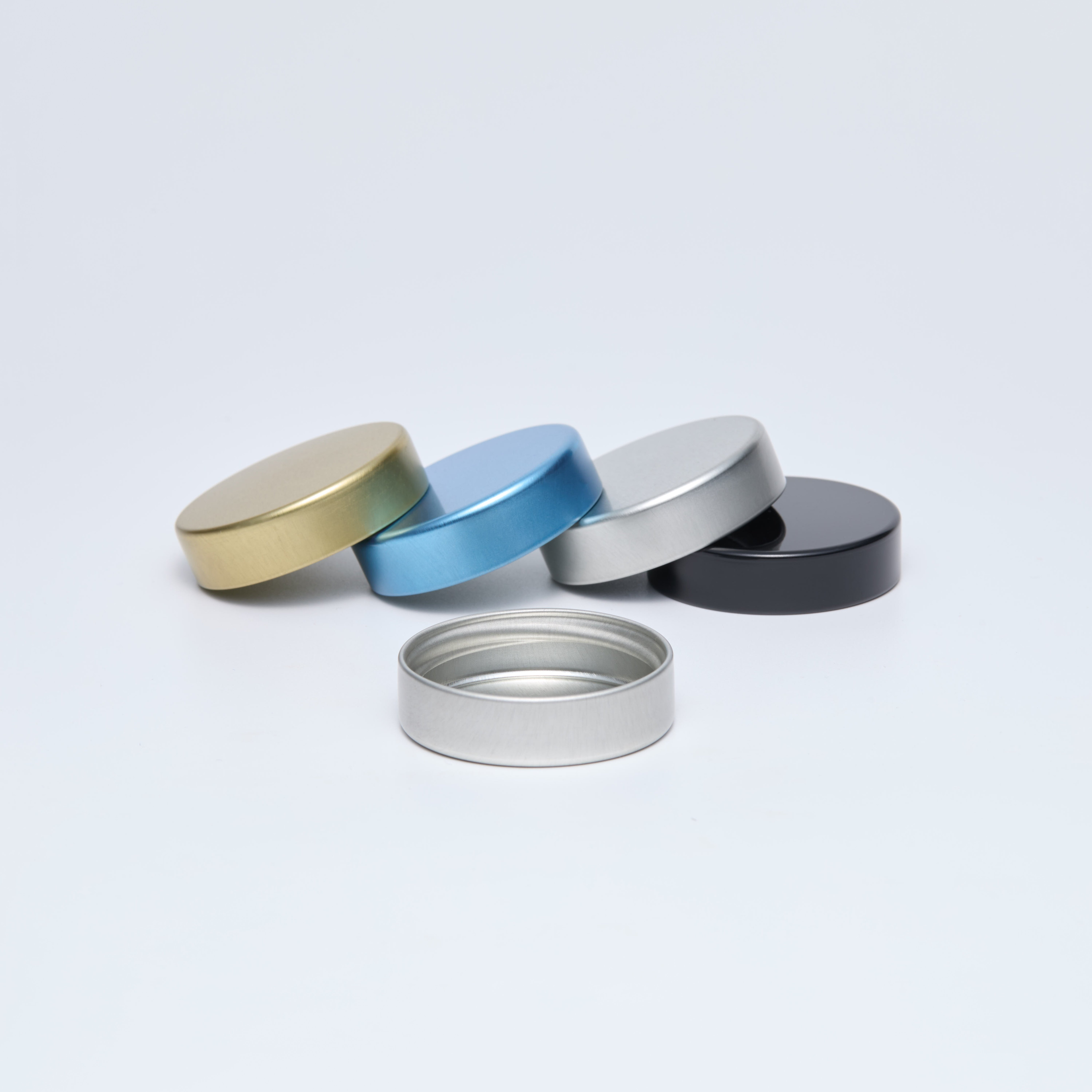
When packaging decisions directly impact purchasing behavior, custom screw caps have become one of the most effective tools for communicating brand identity at the point of sale. Whether you are in the beverage, cosmetics, pharmaceutical, or specialty food industry, custom screw caps offer a compact but highly visible canvas for differentiation. Understanding how to customize them strategically can make the difference between a product that blends in and one that stands out.
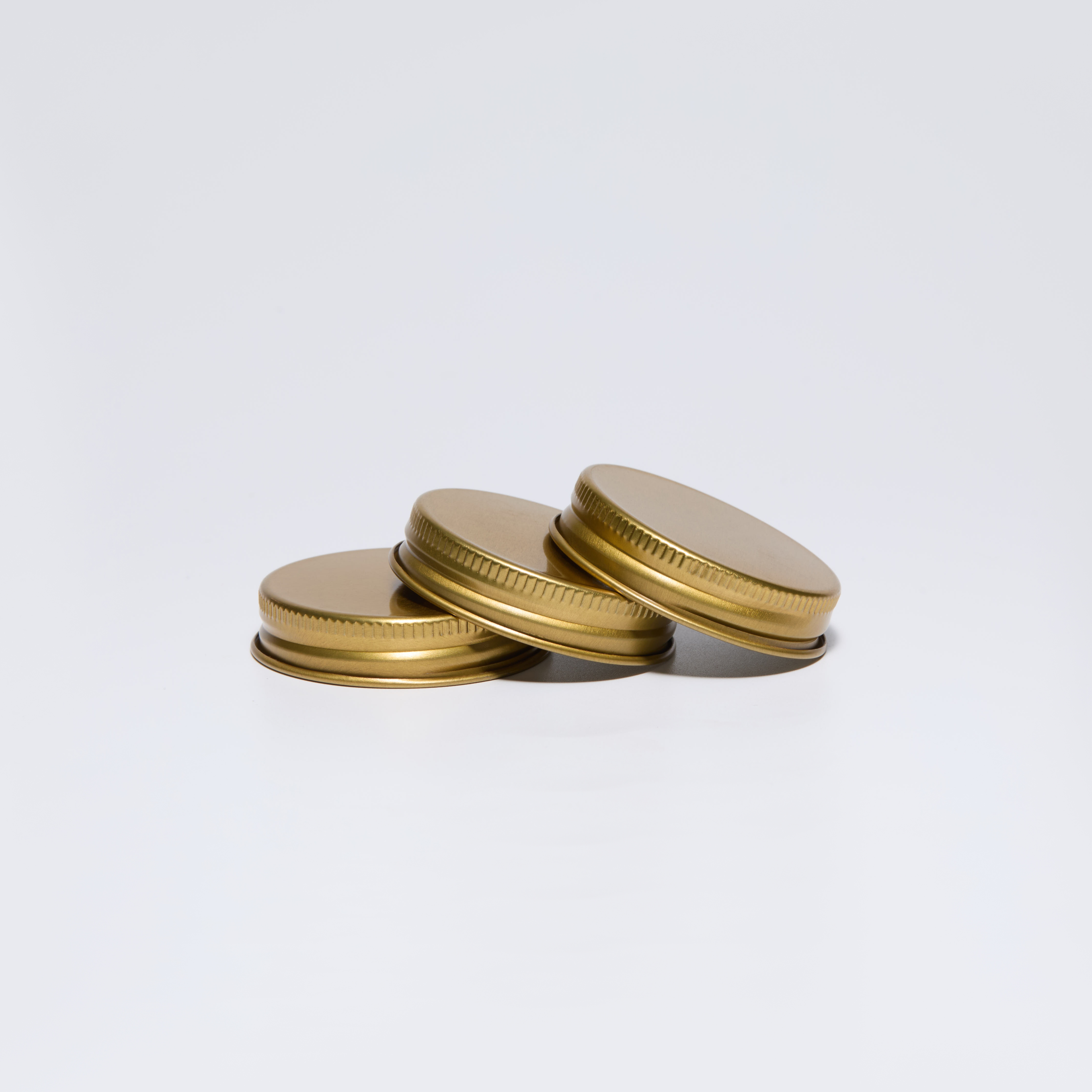
Custom screw caps are no longer just functional closures. They serve as miniature brand ambassadors that reinforce color systems, communicate quality levels, and even signal product category at a glance. This guide walks through the key customization dimensions that B2B buyers, brand managers, and packaging engineers should understand when developing or refreshing their custom screw caps program.
Design Elements That Define Custom Screw Caps
Color and Surface Finish
The first and most immediate design decision for custom screw caps is color. Color matching to a brand's existing palette ensures consistency across all packaging touchpoints. Whether you require gloss, matte, satin, or metallic finishes, each option projects a different brand personality. Matte finishes on custom screw caps tend to suggest premium or minimalist positioning, while high-gloss finishes communicate vibrancy and accessibility. Metallic or anodized effects on aluminum custom screw caps elevate perceived quality significantly.
Surface texture is equally important. Knurled or ribbed textures on custom screw caps improve grip ergonomics while simultaneously adding a tactile premium feel. Smooth-barrel custom screw caps, on the other hand, provide a cleaner surface for printing or embossing. The choice between these textures should be driven by both functional requirements and the sensory experience your brand wants to create.
Logo Integration and Embossing
Logo placement on custom screw caps can be achieved through several methods, including embossing, debossing, hot stamping, and pad printing. Embossed custom screw caps create a raised three-dimensional logo that is immediately tangible, reinforcing a sense of craftsmanship. Hot stamping adds a reflective foil layer to custom screw caps, making logos visually striking under retail lighting. Pad printing allows for multicolor logo reproduction on custom screw caps, making it ideal for brands with complex visual identities. Each technique has different tooling costs and minimum order considerations, so aligning the method with your production volume is essential.
Material Selection for Custom Screw Caps
Aluminum vs. Plastic Custom Screw Caps
Material selection fundamentally shapes what your custom screw caps communicate to consumers. Aluminum custom screw caps are widely used in premium wine, spirits, and specialty beverage segments because they convey a sense of quality and permanence. Aluminum custom screw caps also offer excellent barrier properties and a satisfying tactile experience when opened. They accept anodizing, lacquering, and embossing cleanly, giving designers broad creative latitude.
Plastic custom screw caps, by contrast, offer more geometric flexibility and lower per-unit cost at scale. They are common in cosmetics, personal care, and food sectors where lightweight construction is a priority. Custom screw caps made from HDPE, PP, or PET can be injection-molded into complex shapes that aluminum cannot easily achieve. The right material for your custom screw caps depends on your brand tier, target market expectations, and compatibility with the container and product chemistry.
Liner and Sealing Options
The internal liner of custom screw caps is often overlooked in branding discussions but plays a critical role in product integrity and consumer trust. Foam, foil, or induction-sealed liners within custom screw caps provide tamper evidence and freshness assurance. For brands positioning around purity or natural formulations, induction-sealed custom screw caps visibly signal that the product has not been opened. This functional element reinforces the brand promise embedded in the outer design of the custom screw caps.
Customization Process and Production Planning
Working with Manufacturers on Custom Screw Caps
The development process for custom screw caps typically involves several stages: design brief submission, material and finish selection, tooling or mold creation, sample approval, and production run. When briefing a manufacturer on custom screw caps, it is important to provide precise brand guidelines including Pantone references, logo vector files, and any special finish specifications. Clear communication at the design stage prevents costly revisions during sample rounds. Many manufacturers of custom screw caps offer digital proofs before physical samples, which can accelerate approval timelines significantly.
Minimum order quantities for custom screw caps vary depending on the customization method and material. Embossed aluminum custom screw caps typically require higher minimums because of tooling investment, while pad-printed custom screw caps can sometimes be produced at lower volumes. Understanding the economics of your chosen customization route helps you plan inventory and manage unit costs effectively across your product range.
Consistency Across SKUs and Seasonal Variants
For brands managing multiple product lines, maintaining consistency across all custom screw caps is a strategic priority. Establishing a master template for your custom screw caps that includes core color codes, logo positioning standards, and finish specifications makes it easier to extend the design system to new SKUs without losing visual coherence. Seasonal or limited-edition custom screw caps can introduce variation through accent colors or special finishes while retaining the core brand structure. custom screw caps that are thoughtfully designed across a full product portfolio create a shelf presence that is immediately recognizable and brand-reinforcing.
FAQ
What is the minimum order quantity for custom screw caps?
Minimum order quantities for custom screw caps depend on the manufacturing method and material. Aluminum custom screw caps with embossed logos typically have higher minimums due to tooling costs, while printed custom screw caps may be available in smaller runs. It is advisable to discuss your volume requirements directly with your supplier early in the process.
How long does it take to produce custom screw caps?
Lead times for custom screw caps generally range from four to twelve weeks depending on complexity, tooling requirements, and factory capacity. Simple printed custom screw caps with existing molds can be produced faster, while fully custom-tooled aluminum custom screw caps require additional time for mold fabrication and sample approval cycles.
Can custom screw caps be used for tamper-evident packaging?
Yes, custom screw caps can be designed with tamper-evident features such as breakaway bands, induction-sealed liners, or tear strips. These features are fully compatible with branding customization, allowing you to integrate tamper evidence into the design of your custom screw caps without compromising the visual or tactile brand experience.