
 EN
EN

In pharmaceutical and biotechnology manufacturing, the choice of serum vial cap material directly influences product integrity, contamination control, and regulatory compliance. Aluminum and plastic serum vial caps represent two dominant material categories, each engineered to address specific preservation requirements and operational constraints. While both options secure liquid formulations during storage and transportation, their material properties, barrier performance, and compatibility with different closure systems create distinct advantages and limitations that manufacturers must carefully evaluate before committing to a packaging strategy.
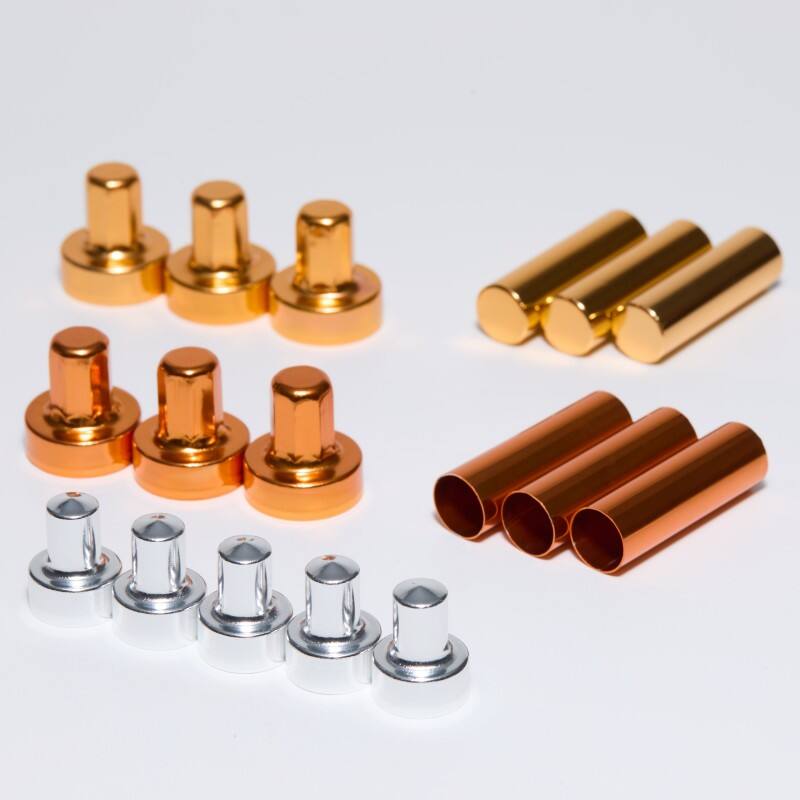
Understanding the fundamental differences between aluminum and plastic serum vial caps extends beyond simple material identification. These closure components function as critical barriers against oxygen infiltration, moisture ingress, and microbial contamination while maintaining compatibility with rubber stoppers and pharmaceutical formulations. The decision between aluminum and plastic involves analyzing thermal stability, chemical resistance, crimping behavior, and cost implications across production volumes. This comprehensive examination clarifies how each material category performs under real-world pharmaceutical manufacturing conditions and which selection criteria should guide procurement decisions.
Material Composition and Manufacturing Processes
Aluminum Serum Vial Cap Construction
Aluminum serum vial caps are manufactured from high-purity aluminum alloy sheets, typically ranging from 0.17mm to 0.25mm thickness depending on vial diameter and closure specifications. The manufacturing process begins with precision stamping operations that form the cap shape, followed by annealing treatments that enhance ductility for crimping operations. Surface treatments including coating applications ensure chemical compatibility with pharmaceutical formulations while preventing aluminum-drug interactions. The resulting serum vial cap structure provides exceptional barrier properties due to aluminum's inherent impermeability to gases and moisture.
The aluminum composition used in pharmaceutical closures must meet strict purity standards to prevent trace metal contamination. Manufacturers employ continuous quality monitoring during the forming process to maintain dimensional consistency across production batches. The material's inherent malleability allows for tight crimping around rubber stoppers, creating hermetic seals that protect sensitive biological products. Advanced coating technologies applied to aluminum caps include epoxy-phenolic resins, polyvinyl chloride, or specialized pharmaceutical-grade polymers that function as protective barriers between the metal and the product.
Plastic Serum Vial Cap Fabrication
Plastic serum vial caps utilize medical-grade polymers such as polypropylene or polyethylene, selected for their chemical inertness and compatibility with sterilization methods. Injection molding represents the primary manufacturing technique, where molten polymer is precisely injected into cavity molds that define the cap geometry. This process enables complex design features including tamper-evident bands, flip-off mechanisms, and integrated sealing elements. The polymer selection process considers factors such as glass transition temperature, chemical resistance profiles, and extractables testing requirements mandated by pharmaceutical regulations.
Unlike aluminum caps that require separate coating operations, plastic serum vial caps derive their chemical resistance from the base polymer material itself. Manufacturing tolerances for plastic caps must account for thermal expansion coefficients and shrinkage rates during the cooling phase following injection molding. Quality control protocols verify dimensional stability, absence of flash or burrs, and consistent wall thickness throughout the cap structure. Modern plastic cap designs incorporate specialized sealing geometries that compress against rubber stoppers when secured, though the sealing mechanism differs fundamentally from the crimped closure method used with aluminum alternatives.
Comparative Production Economics
The manufacturing economics of aluminum versus plastic serum vial caps diverge significantly based on production volume and tooling requirements. Aluminum cap production involves lower initial tooling costs but higher per-unit material expenses due to aluminum pricing volatility and coating application requirements. Plastic injection molding demands substantial upfront investment in precision molds, yet achieves lower marginal costs at high production volumes due to faster cycle times and reduced material waste. Energy consumption patterns also differ, with plastic molding requiring sustained heating systems while aluminum stamping operates at ambient temperatures.
Production efficiency considerations extend beyond direct manufacturing costs to include secondary operations and quality assurance protocols. Aluminum caps require additional coating cure cycles and surface inspection procedures to detect coating defects or metal imperfections. Plastic caps benefit from integrated manufacturing where color, design features, and functional elements are incorporated during the molding process itself. However, plastic production generates considerations around recycling capabilities and environmental impact assessments that increasingly influence procurement decisions in pharmaceutical supply chains seeking sustainability improvements.
Barrier Performance and Product Protection Capabilities
Oxygen and Moisture Transmission Characteristics
The barrier performance of a serum vial cap fundamentally determines shelf life stability for oxygen-sensitive or hygroscopic pharmaceutical formulations. Aluminum caps provide absolute barrier properties with zero oxygen transmission rate and negligible moisture vapor transmission, making them ideal for biologics, vaccines, and lyophilized products requiring maximum environmental protection. The continuous metallic structure eliminates permeation pathways that could compromise product integrity during extended storage periods, even under challenging environmental conditions.
Plastic serum vial caps exhibit measurable oxygen and moisture transmission rates that vary depending on polymer type, wall thickness, and cap design geometry. Polypropylene caps typically demonstrate oxygen transmission rates between 1500 and 3000 cc/m²/day, while specialized barrier-enhanced polymers can reduce this to below 500 cc/m²/day through multi-layer constructions or barrier coatings. For pharmaceutical products with moderate stability profiles or shorter shelf life requirements, these transmission characteristics may fall within acceptable parameters. However, highly sensitive biological products generally require the absolute barrier protection that only aluminum closures reliably provide.
Chemical Compatibility Considerations
Chemical interactions between closure materials and pharmaceutical formulations represent critical safety and efficacy concerns in packaging selection. Aluminum serum vial caps with appropriate pharmaceutical-grade coatings demonstrate excellent resistance to most common injectable solutions, including saline, buffered formulations, and organic solvents within typical pharmaceutical concentration ranges. The coating selection must address specific formulation characteristics, with epoxy-phenolic systems offering broad compatibility while specialized coatings target specific chemical challenges such as low pH formulations or high ionic strength solutions.
Plastic serum vial caps require thorough extractables and leachables testing to ensure no harmful substances migrate into the drug product during storage. Polypropylene and polyethylene generally exhibit excellent chemical resistance to aqueous pharmaceutical formulations, though compatibility with certain organic solvents or aggressive chemical agents may be limited. The absence of coating layers in plastic caps eliminates concerns about coating delamination or degradation, but the base polymer itself must withstand direct contact with the formulation without swelling, cracking, or releasing contaminants. Regulatory submissions must include comprehensive material characterization data demonstrating chemical compatibility across the intended product shelf life.
Sterilization Method Compatibility
Sterilization compatibility influences material selection for serum vial caps used in aseptic pharmaceutical manufacturing. Aluminum caps with appropriate coatings withstand autoclaving temperatures exceeding 121°C without dimensional changes or coating degradation when properly formulated. Steam sterilization represents the preferred terminal sterilization method for many pharmaceutical products, and aluminum's thermal stability ensures consistent performance through multiple sterilization cycles during validation studies. Ethylene oxide sterilization also proves compatible with aluminum closures, though degassing periods must be validated to ensure residual EtO levels remain below regulatory limits.
Plastic serum vial caps demonstrate variable sterilization compatibility depending on polymer selection and cap design requirements. Polypropylene caps can typically withstand steam sterilization up to 121°C for limited cycle durations, though repeated autoclaving may cause dimensional changes or mechanical property degradation. Gamma irradiation sterilization offers advantages for plastic closures sensitive to thermal exposure, though radiation dose limits must be established to prevent polymer chain scission or unacceptable color changes. The growing adoption of vaporized hydrogen peroxide sterilization in isolator-based filling operations provides a low-temperature alternative compatible with both aluminum and plastic closure materials.
Functional Performance in Pharmaceutical Applications
Crimping and Sealing Integrity
The crimping process for aluminum serum vial caps creates a mechanical seal by permanently deforming the cap skirt around the vial neck, compressing the rubber stopper to form a hermetic closure. This crimping operation requires precise control of compression force, crimp depth, and radial uniformity to achieve consistent seal integrity without compromising stopper position or causing vial breakage. Aluminum's ductility enables tight conformance to vial geometry variations, accommodating minor dimensional tolerances while maintaining seal quality. The resulting closure demonstrates exceptional resistance to seal failure during transportation vibration, thermal cycling, and long-term storage.
Plastic serum vial caps typically employ snap-on or screw-threaded attachment mechanisms that compress rubber stoppers through mechanical interference rather than permanent deformation. These closure systems require precise dimensional coordination between cap, stopper, and vial neck geometries to achieve reliable sealing. While snap-on plastic caps offer advantages in ease of application and removal, they generally provide lower seal security compared to crimped aluminum closures. The reversible nature of plastic cap attachment may introduce risks of inadvertent loosening during handling or transportation, particularly when subjected to temperature fluctuations that cause differential thermal expansion between plastic and glass components.
Tamper Evidence and Security Features
Tamper-evident features integrated into serum vial cap designs provide visual indication of closure integrity and unauthorized access attempts. Aluminum caps incorporate flip-off or tear-off center discs that remain securely attached until intentional removal, with the crimped skirt providing permanent evidence of original closure status. The irreversible nature of aluminum crimping means any removal attempt leaves obvious physical evidence of tampering. Color-coding capabilities in aluminum caps support product differentiation and organizational systems within pharmaceutical facilities, with coating technologies enabling vibrant, durable color applications.
Plastic serum vial caps can incorporate molded tamper-evident bands that fracture upon first opening, providing clear visual indication of prior access. However, the effectiveness of plastic tamper-evident features depends on design robustness and resistance to circumvention techniques. Advanced plastic cap designs include ratcheting mechanisms or security rings that prevent resealing after initial opening. The material transparency available with certain plastic polymers enables visual inspection of stopper position and product appearance without cap removal, offering functionality not achievable with opaque aluminum closures. This transparency feature proves valuable during quality inspections and inventory management procedures.
Ease of Use and Handling Characteristics
Healthcare professionals and end users interact with serum vial caps during product administration, making ease of removal and handling important practical considerations. Aluminum flip-off caps enable single-handed removal with minimal force application, facilitating rapid access in clinical settings where speed and convenience matter. The crisp separation of the center disc from the crimped skirt provides tactile and auditory feedback confirming successful opening. However, the sharp edges created by tearing aluminum may present minor injury risks if handled carelessly, though pharmaceutical-grade aluminum formulations minimize edge sharpness.
Plastic snap-on serum vial caps offer tool-free removal with straightforward pulling or twisting motions, eliminating the need for specialized opening techniques. The absence of metal edges reduces handling risks, making plastic caps potentially safer in certain clinical environments. However, the force required for plastic cap removal may vary with stopper compression levels and dimensional tolerances, occasionally resulting in inconsistent user experience. Some plastic cap designs incorporate ergonomic features such as textured grip surfaces or finger tabs that facilitate easier removal, particularly valuable for users with reduced manual dexterity or when wearing protective gloves in sterile environments.
Regulatory Considerations and Quality Standards
Pharmaceutical Packaging Regulations
Regulatory frameworks governing serum vial caps establish stringent requirements for material safety, performance validation, and quality documentation. The United States Pharmacopeia establishes material standards for pharmaceutical closures including specifications for extractables, particulate matter, and biological reactivity testing. European Pharmacopoeia guidelines impose parallel requirements with additional emphasis on material characterization and compatibility documentation. Manufacturers of both aluminum and plastic serum vial caps must maintain comprehensive technical files demonstrating compliance with applicable regulatory standards, including material certificates of analysis, biocompatibility testing results, and validation protocols for intended use applications.
Drug Master File submissions provide regulatory authorities with confidential detailed information about closure materials, manufacturing processes, and quality control systems without requiring public disclosure of proprietary formulations. Both aluminum and plastic serum vial cap manufacturers typically maintain DMFs that pharmaceutical companies can reference in their drug applications, streamlining regulatory review processes. The complexity of DMF preparation and maintenance represents a significant investment for closure manufacturers, but provides assurance to pharmaceutical customers regarding regulatory acceptability. Changes to cap materials, coatings, or manufacturing processes trigger DMF amendments and may require revalidation of drug-contact compatibility.
Quality Control and Testing Protocols
Comprehensive quality control programs for serum vial caps encompass dimensional verification, functional testing, and material characterization procedures. Aluminum cap inspection protocols include coating thickness measurement, adhesion testing, and verification of crimping performance characteristics using standardized vial and stopper systems. Visual inspection systems detect surface defects, coating irregularities, or dimensional anomalies that could compromise closure performance. Statistical process control methodologies ensure manufacturing consistency across production batches, with defined acceptance criteria and sampling plans aligned with pharmaceutical quality standards.
Plastic serum vial cap quality testing addresses different material-specific concerns including dimensional stability across temperature ranges, extractables profiling, and mechanical performance validation. Seal integrity testing employs methods such as vacuum leak detection, dye penetration studies, or microbial challenge testing to verify closure effectiveness. Color consistency measurements ensure product identification reliability, while aging studies evaluate long-term material stability under accelerated and real-time storage conditions. Both aluminum and plastic cap manufacturers implement robust change control systems that assess the impact of any process modifications on product quality attributes and regulatory compliance status.
Supply Chain and Traceability Requirements
Modern pharmaceutical supply chains demand comprehensive traceability systems that track closure components from raw material sourcing through final drug product distribution. Serialization requirements increasingly extend to packaging components including serum vial caps, enabling lot-level tracking and recall management capabilities. Aluminum and plastic cap suppliers implement traceability protocols that link production batches to specific raw material lots, processing equipment, and quality test results. This documentation supports root cause investigations when quality issues arise and demonstrates compliance with pharmaceutical good manufacturing practices.
Supply chain risk management considerations influence material selection between aluminum and plastic serum vial caps based on supplier diversity, material availability, and geopolitical factors affecting raw material access. Aluminum supply chains face potential volatility from metal commodity markets and global aluminum production capacity, while plastic cap supply depends on petrochemical feedstock availability and polymer production infrastructure. Pharmaceutical manufacturers increasingly evaluate supplier financial stability, business continuity planning, and dual-sourcing strategies to mitigate supply disruption risks. The global nature of pharmaceutical manufacturing creates additional complexity around import/export regulations, customs documentation, and international quality standard harmonization efforts.
Cost Analysis and Decision Factors
Direct Material and Production Costs
The unit cost structure for serum vial caps reflects raw material expenses, manufacturing complexity, and production volume economics. Aluminum caps typically carry higher per-unit material costs due to aluminum pricing and coating application requirements, with prices ranging from $0.02 to $0.08 per cap depending on size, coating specifications, and order quantities. Plastic serum vial caps generally offer lower material costs, typically ranging from $0.01 to $0.05 per unit, though complex designs with specialized features may approach aluminum pricing levels. These direct cost differences multiply significantly across large production volumes, making material selection economically consequential for high-volume pharmaceutical products.
Production efficiency factors influence total closure costs beyond raw material expenses alone. Aluminum crimping operations require specialized equipment and maintenance protocols to ensure consistent crimp quality, with equipment depreciation and validation costs distributed across production volumes. Plastic snap-on caps may enable faster filling line speeds due to simpler application methods, potentially offsetting higher unit costs through improved throughput. Energy consumption, waste generation, and quality control testing expenses contribute additional cost elements that vary between material options. Pharmaceutical manufacturers must conduct total cost of ownership analyses that capture these multifaceted economic factors rather than focusing exclusively on piece-price comparisons.
Product-Specific Selection Criteria
The optimal serum vial cap material depends fundamentally on specific pharmaceutical product characteristics and performance requirements. High-value biologics with extended shelf life requirements typically justify aluminum closure selection based on superior barrier properties and hermetic sealing capabilities despite higher unit costs. Oxygen-sensitive formulations, lyophilized products requiring moisture exclusion, or drugs with narrow stability margins benefit from aluminum's absolute barrier performance. Conversely, stable aqueous formulations with shorter shelf lives or products stored under controlled refrigeration may achieve adequate protection with plastic closures at lower material costs.
Market positioning and brand perception considerations sometimes influence closure material selection beyond purely technical requirements. Premium pharmaceutical brands may specify aluminum closures to communicate quality and reliability perceptions to healthcare professionals and patients. Conversely, cost-conscious generic manufacturers might prioritize plastic closures when technical requirements permit, supporting competitive pricing strategies. Regulatory submission timing also factors into material decisions, as existing drug master file references and established supplier relationships can accelerate approval processes compared to introducing new closure systems requiring additional validation work and regulatory review.
Sustainability and Environmental Impact
Environmental considerations increasingly influence pharmaceutical packaging decisions as industry stakeholders prioritize sustainability initiatives. Aluminum serum vial caps offer excellent recyclability, with aluminum recycling requiring only 5% of the energy needed for primary production while maintaining material properties through multiple recycling cycles. The pharmaceutical industry's growing emphasis on circular economy principles makes aluminum's recyclability profile attractive despite higher initial material costs. However, the coating layers applied to pharmaceutical-grade aluminum caps may complicate recycling processes and require specialized handling to separate coating materials from base metal.
Plastic serum vial caps present different environmental trade-offs with polymer-dependent recycling potential and biodegradation characteristics. Polypropylene and polyethylene closures are technically recyclable, though pharmaceutical contamination concerns and limited collection infrastructure often result in disposal rather than recycling. Bio-based polymer alternatives derived from renewable feedstocks represent emerging options that maintain functional performance while reducing fossil fuel dependence. Life cycle assessment methodologies enable comprehensive environmental impact comparisons between aluminum and plastic closure options, accounting for raw material extraction, manufacturing energy, transportation emissions, and end-of-life disposition scenarios across the complete product lifecycle.
FAQ
Can aluminum and plastic serum vial caps be used interchangeably for the same pharmaceutical product?
Aluminum and plastic serum vial caps cannot be freely interchanged without comprehensive validation and regulatory approval. Each closure material creates a unique drug-packaging system that requires specific compatibility testing, stability studies, and regulatory submissions. Switching from aluminum to plastic or vice versa constitutes a significant change requiring extractables and leachables studies, seal integrity validation, and potentially clinical stability data demonstrating equivalent product protection. The different barrier properties, sealing mechanisms, and material interactions mean that a formulation validated with aluminum closures may not achieve identical shelf life or quality attributes when packaged with plastic alternatives, necessitating thorough technical and regulatory evaluation before implementing any closure material change.
How do temperature extremes affect aluminum versus plastic serum vial caps during shipping and storage?
Temperature extremes impact aluminum and plastic serum vial caps differently due to their distinct material properties. Aluminum caps maintain dimensional stability and mechanical properties across wide temperature ranges from -80°C to +121°C, making them suitable for frozen storage, refrigerated distribution, and steam sterilization without performance degradation. Plastic caps exhibit temperature-dependent behavior with thermal expansion coefficients significantly higher than glass vials, potentially affecting seal compression at temperature extremes. Freezing conditions may cause plastic embrittlement in some polymer formulations, while elevated temperatures can reduce mechanical strength and potentially compromise seal integrity. Pharmaceutical products subjected to cold chain distribution or temperature excursions during global shipping benefit from aluminum's superior thermal stability, whereas controlled temperature products may perform adequately with properly formulated plastic closures.
What quality testing methods verify the seal integrity of aluminum and plastic serum vial caps?
Seal integrity verification for serum vial caps employs multiple testing methodologies appropriate to closure type and application requirements. Vacuum leak testing subjects sealed vials to reduced pressure while submerged in liquid, revealing seal failures through bubble formation, and works effectively for both aluminum and plastic closures. Dye ingress testing uses colored solutions under pressure differential to detect seal breaches, providing visual evidence of closure inadequacy. Microbial challenge testing represents the most rigorous validation method, exposing sealed vials to bacterial suspensions and subsequently testing for contamination, directly demonstrating the closure's ability to maintain sterility. Headspace gas analysis measures oxygen concentration changes over time, revealing subtle seal deficiencies that permit atmospheric exchange. Aluminum crimped closures typically demonstrate superior performance in these tests due to their hermetic sealing characteristics, while plastic snap-on systems must be carefully designed and validated to achieve comparable seal integrity levels.
Do regulatory agencies show preference for aluminum or plastic serum vial caps in pharmaceutical applications?
Regulatory agencies including FDA and EMA do not mandate specific closure materials but instead establish performance-based requirements that both aluminum and plastic serum vial caps can potentially satisfy. The regulatory focus centers on demonstrated compatibility between the closure system and drug product through appropriate testing and validation protocols. Aluminum closures benefit from longer historical use and extensive regulatory precedent, potentially simplifying approval processes for traditional pharmaceutical products. Plastic closures require thorough extractables and leachables characterization due to their polymeric nature, with regulatory expectations for comprehensive chemical analysis and toxicological risk assessment. Neither material receives inherent regulatory preference, but the approval pathway and documentation requirements may differ based on material characteristics. The specific pharmaceutical product, its stability requirements, and the proposed closure system's validated performance ultimately determine regulatory acceptability rather than material composition alone.
Table of Contents
- Material Composition and Manufacturing Processes
- Barrier Performance and Product Protection Capabilities
- Functional Performance in Pharmaceutical Applications
- Regulatory Considerations and Quality Standards
- Cost Analysis and Decision Factors
-
FAQ
- Can aluminum and plastic serum vial caps be used interchangeably for the same pharmaceutical product?
- How do temperature extremes affect aluminum versus plastic serum vial caps during shipping and storage?
- What quality testing methods verify the seal integrity of aluminum and plastic serum vial caps?
- Do regulatory agencies show preference for aluminum or plastic serum vial caps in pharmaceutical applications?