
 EN
EN
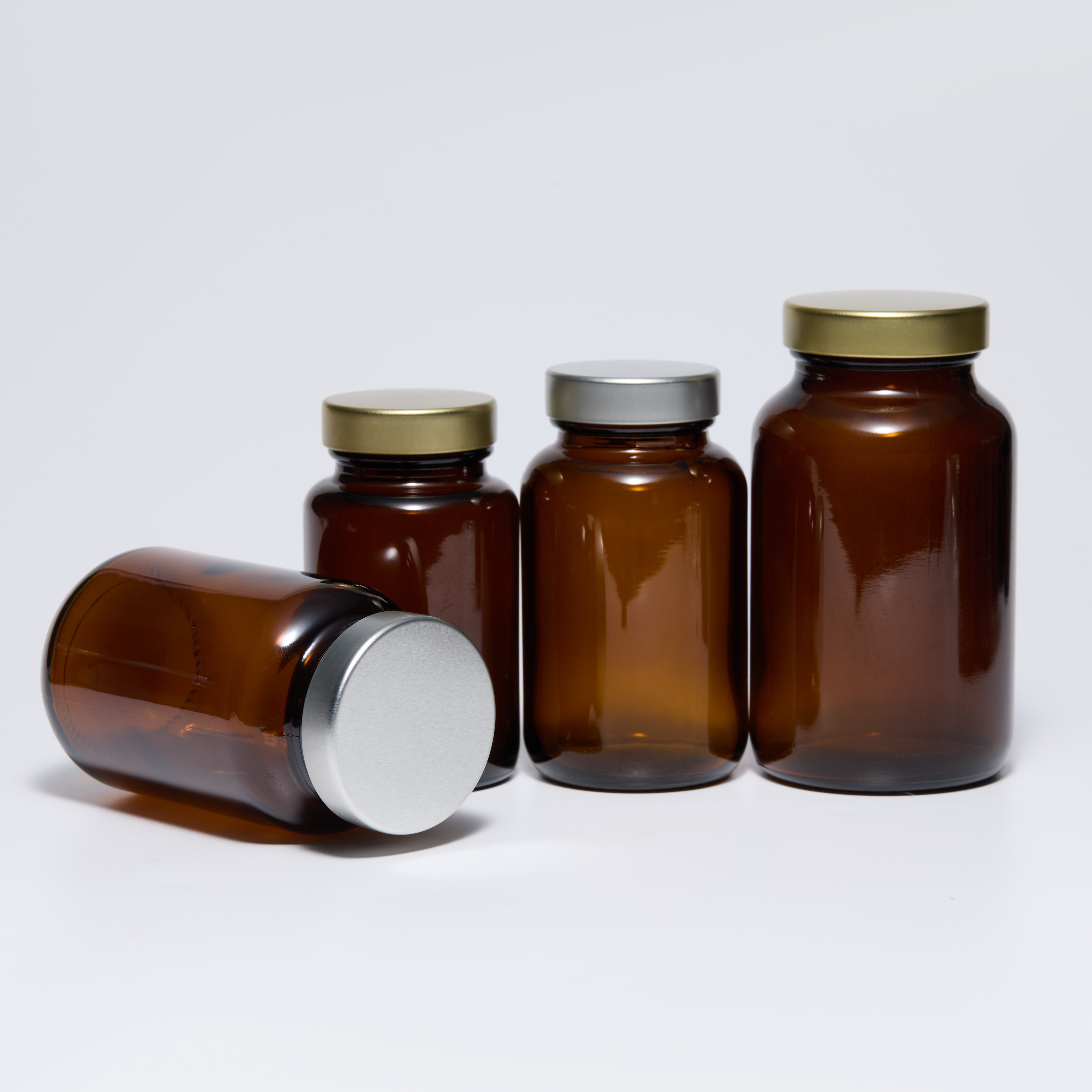
Medical packaging for injectable pharmaceuticals demands uncompromising precision, particularly when it comes to serum vial caps that serve as the final barrier between sterile contents and potential contamination. These critical components must satisfy an intricate web of international quality standards, regulatory requirements, and performance specifications to ensure patient safety and product integrity. Understanding these mandatory standards is essential for pharmaceutical manufacturers, packaging engineers, and quality assurance professionals who bear responsibility for selecting and validating appropriate serum vial caps for their parenteral drug products.
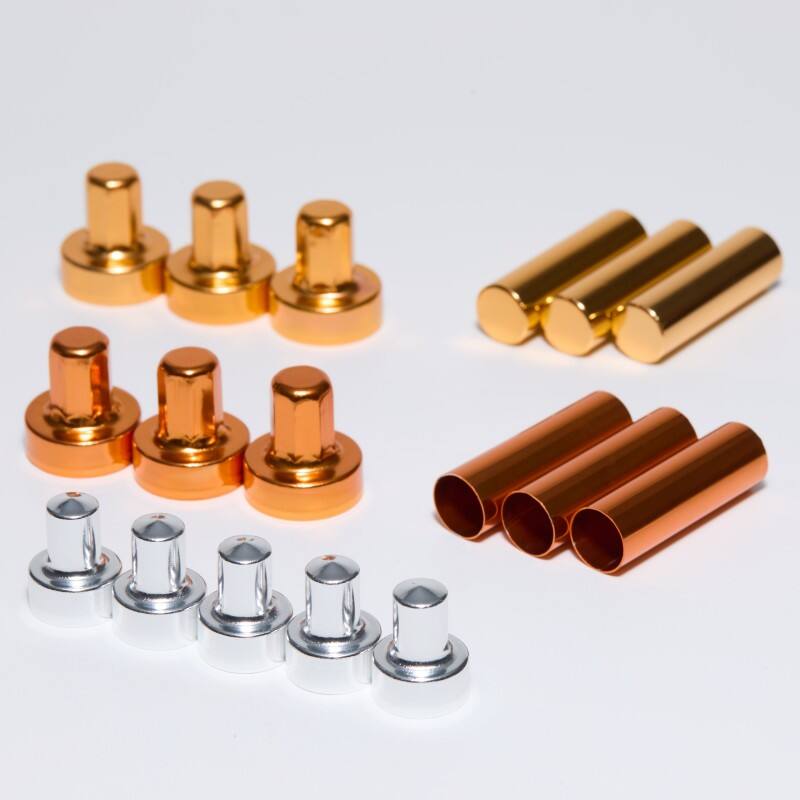
The standards governing serum vial caps span multiple regulatory domains including material composition, mechanical performance, chemical compatibility, sterilization resistance, and documentation requirements. From ISO specifications to pharmacopeial monographs and regional regulatory frameworks, manufacturers must navigate a complex landscape where non-compliance can result in product recalls, regulatory sanctions, and compromised patient outcomes. This comprehensive examination explores the specific standards that serum vial caps must meet across material selection, functional performance, quality testing, and regulatory documentation to achieve market approval and maintain compliance throughout their lifecycle in medical packaging applications.
Material Composition and Safety Standards for Serum Vial Caps
Regulatory Requirements for Medical-Grade Materials
Serum vial caps must be manufactured from materials that comply with stringent pharmacopeial standards for medical device contact applications. The United States Pharmacopeia (USP) Class VI certification represents the gold standard for biocompatibility testing, requiring materials to pass comprehensive in vitro and in vivo toxicity evaluations. This classification ensures that serum vial caps contain no leachable substances that could migrate into pharmaceutical solutions and cause adverse biological responses when administered to patients. European manufacturers must additionally comply with European Pharmacopoeia (Ph. Eur.) standards for plastic materials and containers, which specify acceptable limits for heavy metals, volatile substances, and extractable compounds.
The material safety framework extends beyond basic toxicity testing to include specific chemical composition restrictions. Serum vial caps cannot contain prohibited substances listed in regulations such as the EU Regulation 10/2011 on plastic materials intended for food contact, which pharmaceutical packaging often references for additional safety margins. Materials must be free from phthalates, bisphenol compounds, and other endocrine-disrupting chemicals that regulatory agencies have flagged as potentially harmful. Documentation requirements mandate that manufacturers maintain complete formulation disclosure and provide certificates of compliance demonstrating that all raw materials and additives meet applicable safety thresholds for medical packaging applications.
Chemical Resistance and Compatibility Standards
Chemical compatibility represents a critical standard area for serum vial caps, as these components must resist degradation when exposed to diverse pharmaceutical formulations including acidic solutions, alkaline compounds, organic solvents, and oxidizing agents. ISO 8871 standards for elastomeric parts for aqueous parenterals provide specific testing protocols to evaluate chemical resistance and extractables profiles. Serum vial caps must demonstrate stable performance when subjected to accelerated aging studies that simulate extended contact with representative drug formulations under elevated temperature conditions. Any chemical interaction that alters cap dimensions, mechanical properties, or releases extractable compounds above acceptable thresholds constitutes a compliance failure.
Testing protocols require systematic evaluation of chemical resistance across the anticipated pH range and solvent systems present in the target pharmaceutical products. This includes conducting extractables and leachables studies following guidance documents from regulatory agencies and industry organizations such as the Product Quality Research Institute (PQRI). Serum vial caps must pass rigorous testing that identifies and quantifies all organic and inorganic compounds that migrate from the closure system into the drug product. Acceptable limits for individual extractables typically fall in the low microgram range, with total extractables maintained below levels that could impact drug stability or patient safety. Documentation must trace all detected compounds back to specific raw materials and demonstrate that concentrations remain below established safety thresholds throughout the product shelf life.
Sterilization Compatibility Requirements
Serum vial caps must withstand the sterilization methods commonly employed in pharmaceutical manufacturing without experiencing dimensional changes, mechanical degradation, or chemical alterations that compromise performance. ISO 11135 standards for ethylene oxide sterilization and ISO 11137 standards for radiation sterilization establish validation requirements that closure manufacturers must satisfy. Caps intended for terminal sterilization applications must demonstrate stability when exposed to steam autoclaving at 121°C or higher temperatures, maintaining seal integrity and mechanical properties after repeated sterilization cycles. This requirement is particularly demanding because heat exposure can cause polymer degradation, dimensional shrinkage, or changes in elastic recovery that affect the cap's ability to maintain hermetic seals on vial containers.
Gamma radiation sterilization presents different challenges for serum vial caps, as ionizing radiation can induce polymer chain scission or crosslinking that alters material properties. Standards require manufacturers to establish maximum radiation dose limits and validate that caps maintain functional performance across the full dose distribution encountered during commercial sterilization. Documentation must include radiation stability studies demonstrating that serum vial caps exhibit no discoloration, embrittlement, or loss of elastic properties after exposure to typical sterilization doses ranging from twenty-five to fifty kilograys. Materials prone to radiation degradation require either formulation modifications with stabilizing additives or alternative sterilization approaches validated for the specific cap design and material composition.
Functional Performance Standards and Testing Protocols
Seal Integrity and Barrier Performance Requirements
The primary function of serum vial caps is maintaining hermetic seals that prevent microbial ingress and preserve sterility throughout the product shelf life. ASTM F2095 standards for pressure decay leak testing provide quantitative methods to verify seal integrity with sensitivity sufficient to detect defects as small as five microns. Serum vial caps must demonstrate consistent sealing performance across statistical sample populations, with acceptance criteria typically requiring zero failures in validation batches. Testing protocols evaluate seal maintenance under challenging conditions including temperature cycling, mechanical vibration during transportation, and pressure differentials encountered during altitude changes in distribution networks.
Barrier performance standards extend beyond basic seal integrity to encompass moisture vapor transmission rates and oxygen permeation characteristics critical for moisture-sensitive or oxygen-sensitive pharmaceutical formulations. Testing following ASTM E96 for water vapor transmission and ASTM D3985 for oxygen transmission quantifies the protective barrier properties that serum vial caps provide. Acceptable performance thresholds depend on the specific drug product requirements, with lyophilized products demanding extremely low moisture transmission rates to prevent reconstitution issues and oxidation-prone compounds requiring minimal oxygen ingress. Documentation must correlate barrier performance data with stability studies demonstrating that the closure system maintains drug product quality attributes throughout the claimed shelf life under specified storage conditions.
Mechanical Performance and Removal Force Standards
Serum vial caps must satisfy mechanical performance standards that ensure reliable function during capping operations, transportation, storage, and end-user removal. ISO 8536 standards for infusion equipment establish requirements for closure mechanical properties including removal force specifications that balance security against ease of access. Caps must resist inadvertent removal during handling while remaining accessible to healthcare workers using standard opening techniques without excessive force or specialized tools. Testing protocols measure both initial removal torque and the force required to pierce caps with hypodermic needles for multiple-dose vial applications, ensuring consistent performance that supports safe medication administration practices.
Dimensional stability represents another critical mechanical standard area for serum vial caps, as manufacturing tolerances directly impact sealing performance and compatibility with automated filling equipment. Specifications typically limit dimensional variations to plus or minus one-tenth millimeter for critical features such as internal diameter, wall thickness, and skirt depth. Statistical process control requirements mandate that manufacturers demonstrate capability indices (Cpk values) exceeding 1.33 for key dimensions, proving that production processes consistently deliver parts within specified tolerances. Serum vial caps must also meet standards for mechanical durability including resistance to cracking under compression, tear resistance during removal, and dimensional recovery after temporary deformation. These mechanical properties ensure that caps maintain functionality throughout distribution chains involving temperature extremes, vibration exposure, and occasional mechanical impacts.
Particulate Matter and Cleanliness Standards
Pharmaceutical manufacturing environments demand exceptional cleanliness for all product-contact components, making particulate contamination control a critical standard area for serum vial caps. ISO 14644 cleanroom classification standards establish airborne particulate limits for manufacturing environments, while component cleanliness specifications typically reference USP <788> particulate matter in injections. Serum vial caps must arrive at pharmaceutical filling facilities in validated clean packaging that prevents particulate accumulation during storage and transportation. Acceptable particulate limits generally restrict particles larger than ten microns to fewer than one hundred particles per cap, with more stringent limits applied to particles exceeding twenty-five microns that pose greater contamination risks.
Testing protocols for particulate cleanliness employ validated rinse procedures followed by microscopic particle counting or light obscuration methods that quantify contamination levels across representative sample populations. Serum vial caps manufactured from elastomeric materials face particular scrutiny because manufacturing processes can generate polymer fragments, mold release residues, and other process-related contaminants. Standards require manufacturers to implement cleaning validation programs demonstrating that washing procedures effectively remove manufacturing residues while introducing no new contamination sources. Documentation must include environmental monitoring data from production areas, particulate testing results from finished components, and validation studies proving that packaging systems maintain component cleanliness until use. Some applications require gamma-irradiated serum vial caps supplied in double-sterile packaging to eliminate bioburden and minimize particulate introduction during aseptic filling operations.
Quality Management and Documentation Standards
ISO 13485 Medical Device Quality System Requirements
Manufacturers of serum vial caps must implement quality management systems compliant with ISO 13485 standards for medical devices, establishing comprehensive controls over design, production, testing, and distribution activities. This standard mandates documented procedures for all processes affecting product quality, including material qualification, production equipment validation, in-process monitoring, finished product testing, and corrective action management. Quality systems must incorporate risk management principles following ISO 14971, requiring systematic identification and mitigation of potential failure modes that could compromise serum vial cap performance. Documentation requirements include design history files containing complete product specifications, validation protocols, and verification testing results demonstrating that caps meet all functional and regulatory requirements.
Traceability represents a fundamental ISO 13485 requirement, mandating that manufacturers maintain complete records linking finished serum vial caps back to specific raw material lots, production batches, and quality testing results. Batch records must document all critical process parameters during manufacturing including molding temperatures, cycle times, cooling rates, and post-molding treatments that influence final product properties. This traceability enables rapid investigation of quality issues and supports targeted recalls if field failures occur. Suppliers of serum vial caps to pharmaceutical manufacturers typically provide certificates of analysis with each shipment, documenting compliance with specifications for dimensions, mechanical properties, extractables, particulates, and bioburden. These quality documents become part of the pharmaceutical manufacturer's batch record, creating an unbroken chain of documentation from raw materials through finished drug product.
Change Control and Validation Documentation Standards
Regulatory frameworks governing pharmaceutical packaging require rigorous change control procedures for any modifications to serum vial caps or their manufacturing processes. FDA guidance documents and ICH Q9 quality risk management principles mandate that manufacturers assess the potential impact of proposed changes on product quality, safety, and regulatory status. Even seemingly minor modifications such as alternative suppliers for raw materials, equipment replacements, or process parameter adjustments require formal evaluation through change control systems. Significant changes may necessitate revalidation studies and regulatory notifications before implementation, particularly for changes that could affect extractables profiles, mechanical performance, or compatibility with the drug product.
Validation documentation standards require comprehensive protocols and reports demonstrating that manufacturing processes consistently produce serum vial caps meeting all specifications. Process validation typically follows a three-stage approach including process design, process qualification with multiple consecutive conforming batches, and continued process verification through ongoing monitoring. Installation qualification (IQ), operational qualification (OQ), and performance qualification (PQ) protocols document that production equipment functions as intended and reliably produces conforming parts. For pharmaceutical manufacturers qualifying new serum vial caps, validation extends to compatibility studies with specific drug formulations, container closure integrity testing under accelerated aging conditions, and stability programs confirming that the closure system maintains product quality throughout the shelf life. Complete validation packages may encompass thousands of pages of protocols, data, and analysis reports that regulatory agencies review during facility inspections and product approvals.
Supplier Qualification and Audit Requirements
Pharmaceutical manufacturers must implement formal supplier qualification programs for serum vial caps that include technical assessment, quality system audits, and ongoing performance monitoring. Qualification begins with technical evaluation of candidate suppliers including review of manufacturing capabilities, quality system certifications, regulatory compliance history, and technical data packages demonstrating product conformance. On-site audits verify that suppliers maintain appropriate quality systems, cleanroom environments, testing laboratories, and documentation practices consistent with medical device standards. Audit findings must be documented and any identified deficiencies addressed through corrective action plans before supplier approval.
Ongoing supplier management standards require periodic requalification audits, continuous monitoring of quality metrics such as defect rates and on-time delivery performance, and formal review of any quality incidents or customer complaints. Pharmaceutical manufacturers typically maintain approved supplier lists that specify qualified sources for critical components like serum vial caps, with procurement restricted to these pre-qualified vendors. Supply agreements often include quality clauses requiring suppliers to maintain regulatory compliance, notify customers of any manufacturing changes, participate in recall activities if necessary, and provide access for customer audits. This comprehensive supplier management framework ensures that serum vial caps consistently meet required standards throughout the supply relationship, supporting pharmaceutical product quality and patient safety objectives.
Regional Regulatory Frameworks and Compliance Pathways
FDA Regulatory Requirements for United States Markets
Serum vial caps intended for pharmaceutical packaging in the United States must comply with Food and Drug Administration (FDA) regulations governing pharmaceutical containers and closures. Under 21 CFR Part 211, pharmaceutical manufacturers bear responsibility for validating that closure systems are suitable for their intended use and compatible with the drug product. This creates a shared compliance responsibility where cap manufacturers must supply components meeting material safety and functional performance standards, while pharmaceutical companies conduct additional qualification studies specific to their formulations. The FDA Drug Master File (DMF) system allows cap manufacturers to submit confidential manufacturing and testing information that pharmaceutical sponsors can reference in their drug applications without disclosing proprietary details.
Regulatory submissions for new drug applications or abbreviated new drug applications must include container closure system information demonstrating that serum vial caps provide adequate protection for the specific drug product. This requires comprehensive data packages including material safety documentation, extractables and leachables studies, container closure integrity testing, and stability studies conducted with the proposed commercial closure system. The FDA applies particular scrutiny to injectable drug products because compromised closure integrity can lead to sterility failures with potentially fatal consequences. Recent FDA guidance documents emphasize the importance of science-based approaches to container closure system selection and validation, requiring pharmaceutical manufacturers to demonstrate understanding of potential failure modes and implement appropriate control strategies throughout the product lifecycle.
European Union Medical Device Regulation Compliance
Within the European Union, serum vial caps fall under the Medical Device Regulation (MDR) 2017/745, which establishes comprehensive requirements for safety, performance, and conformity assessment. Manufacturers must prepare technical documentation demonstrating that caps meet essential requirements covering chemical, physical, and biological properties appropriate for medical device applications. The MDR classification system typically assigns serum vial caps to Class IIa or IIb depending on their intended use and duration of body contact, requiring conformity assessment through notified body review rather than manufacturer self-declaration. This regulatory pathway demands extensive documentation including clinical evaluation reports, risk analysis, design verification and validation records, and post-market surveillance plans.
CE marking represents the visible conformity indicator for serum vial caps authorized for European markets, signifying that products meet all applicable MDR requirements and have successfully completed conformity assessment procedures. Manufacturers must appoint authorized representatives within the EU, register products in the European Database on Medical Devices (EUDAMED), and implement quality management systems certified to ISO 13485 by accredited certification bodies. The MDR introduces enhanced vigilance requirements obligating manufacturers to report serious incidents and field safety corrective actions through coordinated regulatory channels. Post-market surveillance requirements mandate systematic collection and analysis of user feedback, quality complaints, and performance data to identify potential safety issues requiring corrective action. These comprehensive regulatory requirements ensure that serum vial caps marketed in Europe consistently meet high safety and performance standards throughout their commercial lifecycle.
International Harmonization and Emerging Market Requirements
Global pharmaceutical supply chains increasingly demand serum vial caps that satisfy multiple regional regulatory frameworks simultaneously, driving interest in harmonized international standards. The International Council for Harmonisation (ICH) guidelines provide convergent standards for pharmaceutical quality, safety, and efficacy that influence container closure system requirements across participating regions including the United States, European Union, Japan, and other major markets. ICH Q3D guidance on elemental impurities establishes harmonized limits for heavy metals and toxic elements applicable to pharmaceutical packaging components, while ICH Q3C addresses residual solvents that may be present in serum vial caps manufactured using solvent-based processes.
Emerging pharmaceutical markets in Asia, Latin America, and Africa increasingly adopt regulatory requirements modeled on established frameworks from FDA and European authorities, though with regional variations requiring careful navigation. China's National Medical Products Administration (NMPA) enforces pharmaceutical packaging standards through technical requirements that largely align with international norms while adding specific documentation and registration procedures for foreign manufacturers. India's Central Drugs Standard Control Organisation (CDSCO) references pharmacopeial standards but implements unique approval pathways for pharmaceutical packaging components. Manufacturers of serum vial caps serving global markets must maintain awareness of evolving regulatory landscapes across multiple jurisdictions, adapting documentation and testing programs to satisfy diverse requirements while maintaining consistent product quality. Strategic use of internationally recognized standards such as ISO specifications and pharmacopeial monographs facilitates multi-market compliance by providing broadly accepted technical frameworks that regulatory authorities across regions generally recognize as appropriate quality benchmarks for pharmaceutical packaging components.
FAQ
What is the difference between USP Class VI and ISO 10993 biocompatibility testing for serum vial caps?
USP Class VI represents a specific tier within United States Pharmacopeia biological reactivity testing focused on plastic materials intended for medical use, incorporating systemic injection tests, intracutaneous injection tests, and implantation studies conducted in animal models. ISO 10993 provides a more comprehensive biocompatibility evaluation framework consisting of multiple parts addressing cytotoxicity, sensitization, irritation, systemic toxicity, and other biological endpoints selected based on the nature and duration of tissue contact. While USP Class VI remains widely recognized in pharmaceutical packaging, ISO 10993 offers a more flexible risk-based approach allowing manufacturers to select appropriate testing based on material composition and intended use. Many regulatory authorities now accept either standard, though some manufacturers pursue both certifications to maximize global market access. The choice between standards depends on target markets, regulatory preferences, and the specific application requirements for the serum vial caps in question.
How frequently must pharmaceutical manufacturers revalidate container closure integrity for serum vial caps?
Container closure integrity revalidation requirements depend on several factors including regulatory expectations, change control triggers, and ongoing stability program results. Initial validation occurs during product development and must be completed before commercial launch, establishing that the closure system maintains sterility and product quality throughout the shelf life. Routine revalidation is not required as long as manufacturing processes remain unchanged and ongoing stability studies continue demonstrating acceptable performance. However, any significant changes to serum vial caps such as alternative suppliers, material modifications, or manufacturing process adjustments trigger revalidation requirements. Regulatory guidance suggests periodic review of container closure integrity as part of annual product quality reviews, with formal revalidation conducted if monitoring data reveals trending toward specification limits or if quality incidents suggest potential closure system issues. Most pharmaceutical manufacturers implement ongoing verification testing as part of routine quality control, providing continuous assurance of closure integrity without full revalidation studies unless specific triggers necessitate comprehensive reassessment.
Can serum vial caps made from different materials be used interchangeably without additional validation?
Serum vial caps manufactured from different materials cannot be substituted interchangeably without comprehensive validation studies demonstrating equivalence in all critical performance attributes. Even caps with similar physical appearance may exhibit substantially different chemical compatibility, extractables profiles, mechanical properties, and barrier performance based on their material composition. Pharmaceutical manufacturers must conduct complete container closure qualification studies for any material change, including extractables and leachables assessment, compatibility testing with the specific drug formulation, container closure integrity verification, and stability studies confirming that the alternative closure maintains product quality throughout the shelf life. Regulatory agencies typically classify material changes as requiring prior approval supplements or comparable notification procedures depending on the jurisdiction and significance of the modification. The validation burden for material substitutions often approaches the effort required for initial closure system selection, making such changes strategically significant decisions rather than routine operational adjustments.
What documentation must suppliers provide when delivering serum vial caps to pharmaceutical manufacturers?
Suppliers must provide comprehensive documentation with each shipment of serum vial caps including certificates of analysis confirming compliance with agreed specifications, certificates of conformance attesting to material safety standards such as USP Class VI, and batch-specific quality testing results covering dimensions, mechanical properties, particulate levels, and bioburden when applicable. Additional documentation typically includes material safety data sheets, declarations of regulatory compliance for relevant jurisdictions, statements confirming that manufacturing occurred under ISO 13485 certified quality systems, and traceability information linking the shipment to specific raw material lots and production batches. For pharmaceutical applications requiring sterile components, documentation must include sterilization certificates specifying the method employed, dose received for radiation sterilization, and validation references confirming sterilization effectiveness. Change notifications inform customers of any manufacturing modifications since the original qualification, while long-term supply agreements may require periodic submission of updated technical files, stability data for packaged components, and audit readiness confirmations. This documentation package enables pharmaceutical manufacturers to satisfy their own quality system requirements and provides evidence of supplier compliance during regulatory inspections.
Table of Contents
- Material Composition and Safety Standards for Serum Vial Caps
- Functional Performance Standards and Testing Protocols
- Quality Management and Documentation Standards
- Regional Regulatory Frameworks and Compliance Pathways
-
FAQ
- What is the difference between USP Class VI and ISO 10993 biocompatibility testing for serum vial caps?
- How frequently must pharmaceutical manufacturers revalidate container closure integrity for serum vial caps?
- Can serum vial caps made from different materials be used interchangeably without additional validation?
- What documentation must suppliers provide when delivering serum vial caps to pharmaceutical manufacturers?