
 EN
EN

Selecting the appropriate cap liner material for chemical resistance is a critical decision that directly impacts product integrity, safety compliance, and long-term storage reliability across pharmaceutical, chemical, food, and industrial sectors. When containers hold aggressive substances ranging from strong acids and bases to organic solvents and oxidizing agents, the cap liner material serves as the final barrier preventing contamination, leakage, and chemical degradation. A poorly matched liner can lead to product contamination, container failure, regulatory non-compliance, and significant financial losses. Understanding the interaction between specific chemicals and liner materials requires knowledge of chemical compatibility charts, material science principles, and real-world application requirements that extend beyond simple barrier function to include temperature resistance, seal integrity under pressure, and long-term stability in demanding environments.
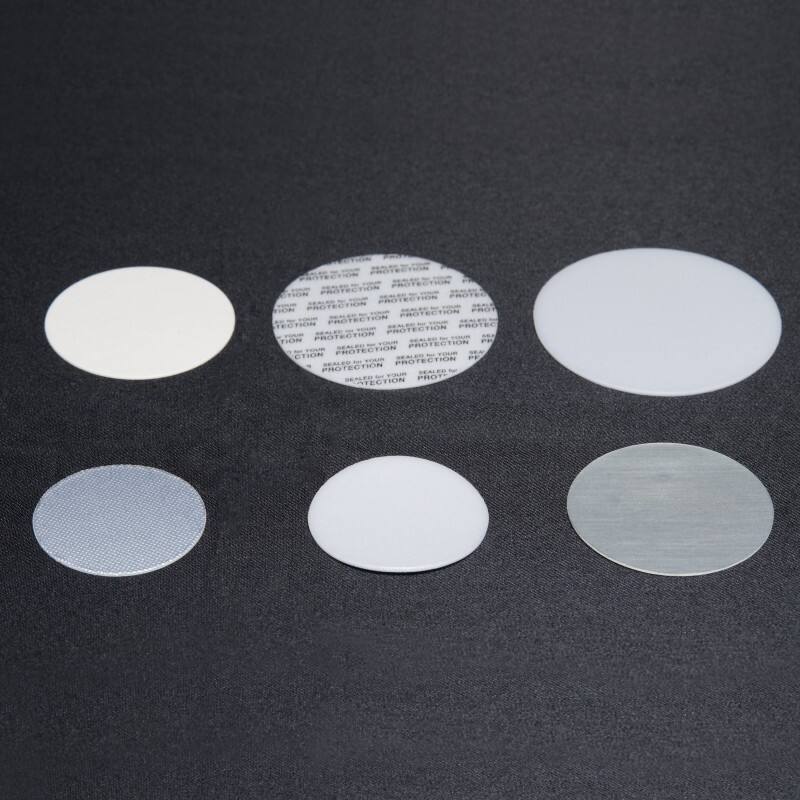
The selection process for cap liner material must account for multiple interrelated factors including the chemical nature of the contained substance, storage duration, temperature fluctuations, pressure conditions, and regulatory standards specific to your industry. Different liner materials exhibit distinct resistance profiles to various chemical families, and what performs excellently with one class of compounds may fail catastrophically with another. This comprehensive guide examines the systematic approach to evaluating and selecting cap liner materials based on chemical resistance requirements, providing actionable insights into material properties, testing methodologies, compatibility assessment frameworks, and practical decision criteria that ensure optimal performance in chemically aggressive environments while maintaining cost-effectiveness and regulatory compliance throughout the product lifecycle.
Understanding Chemical Compatibility Fundamentals for Cap Liner Materials
Chemical Interaction Mechanisms Between Liners and Contents
The chemical resistance of cap liner material depends fundamentally on molecular-level interactions between the liner polymer matrix and the chemical substances in contact. These interactions include permeation, where small chemical molecules penetrate through the polymer structure; absorption, where chemicals are taken up into the polymer bulk; and chemical reaction, where the liner material undergoes bond-breaking or cross-linking changes. Understanding these mechanisms is essential because different cap liner materials respond differently to various chemical families based on their molecular structure, polarity, and functional groups. Nonpolar elastomers typically resist aqueous solutions but may swell or degrade in hydrocarbon solvents, while polar materials show the opposite tendency.
The concept of chemical similarity plays a crucial role in predicting compatibility, following the principle that like dissolves like. When the solubility parameters of the cap liner material closely match those of the contained chemical, absorption and swelling become more likely, potentially compromising seal integrity. Conversely, materials with significantly different solubility parameters generally exhibit better resistance. Temperature dramatically accelerates all these interaction mechanisms, which is why cap liner material selection must consider not just the chemical identity but also the maximum exposure temperature during storage, transportation, and use. Even materials rated as resistant at room temperature may fail under elevated temperature conditions.
Material Property Requirements Beyond Chemical Resistance
While chemical resistance is paramount, effective cap liner material selection requires balancing multiple performance characteristics that affect functionality in real-world applications. Compression set resistance determines whether the liner maintains sealing pressure over extended periods, particularly important for products with long shelf lives or those subjected to temperature cycling. A liner that initially seals perfectly but loses resilience over months of storage will eventually allow leakage or contamination. The cap liner material must also exhibit appropriate hardness and flexibility to conform to bottle finish irregularities while maintaining sufficient stiffness to resist extrusion under internal pressure.
Torque retention characteristics influence how well the closure maintains tightness throughout the product lifecycle without requiring excessive application force that could damage containers or complicate automated capping operations. Some cap liner materials that show excellent chemical resistance may become brittle over time or lose plasticizers when exposed to certain chemicals, leading to cracking or fragmentation. The material must also be evaluated for extractables and leachables, particularly in pharmaceutical and food contact applications where migration of liner components into the product could cause contamination, alter product chemistry, or introduce toxicological concerns that violate regulatory standards.
Regulatory Framework and Compliance Considerations
Regulatory requirements significantly constrain cap liner material choices, especially in heavily regulated industries like pharmaceuticals, food and beverage, and agrochemicals. In pharmaceutical applications, liner materials must comply with pharmacopeial standards such as USP Class VI for plastics, demonstrating biocompatibility through rigorous extraction and toxicity testing. Food contact applications require compliance with FDA 21 CFR regulations or European Union Regulation 10/2011, which specify permitted substances, migration limits, and testing conditions. The cap liner material must not only resist the chemical contents but also meet these regulatory standards without introducing unacceptable levels of extractables.
For chemical products, particularly those classified as hazardous materials, the cap liner material selection must support compliance with transportation regulations such as DOT in the United States or ADR/RID in Europe. These regulations often mandate specific packaging performance standards including drop tests, pressure tests, and stack tests that the complete closure system must pass. The chemical resistance of the liner directly impacts whether these performance standards can be met consistently. Documentation requirements also influence material selection, as manufacturers must often provide detailed material composition data, compatibility testing results, and certificates of compliance that demonstrate the chosen cap liner material meets all applicable regulatory requirements for the specific application and geographic markets.
Evaluating Common Cap Liner Material Options for Chemical Applications
Polyethylene and Polypropylene Liner Performance
Polyethylene and polypropylene represent the most widely used cap liner materials for chemical applications due to their broad chemical resistance, low cost, and excellent processability. Low-density polyethylene offers flexibility and good impact resistance, making it suitable for applications requiring conformability to irregular sealing surfaces. High-density polyethylene provides superior chemical resistance to aqueous solutions, alcohols, and weak acids and bases, though it shows limited resistance to strong oxidizing acids and aromatic hydrocarbons. The cap liner material constructed from polyethylene typically performs well with polar solvents but may swell or soften when exposed to nonpolar organic solvents like toluene or xylene.
Polypropylene offers higher temperature resistance than polyethylene, maintaining structural integrity up to approximately 135°C compared to polyethylene's typical limit of 80-90°C, making it preferable for products that undergo heat sterilization or experience elevated storage temperatures. This cap liner material exhibits excellent resistance to most acids, bases, and alcohols, though it shares polyethylene's vulnerability to strong oxidizers and certain organic solvents. Both materials are generally considered safe for food contact and pharmaceutical applications when properly formulated, though specific grades and additives must be evaluated for regulatory compliance. The primary limitation of these materials in chemical applications is their moderate barrier properties to gases and vapors, which may allow permeation of volatile components over extended storage periods.
Fluoropolymer Liners for Aggressive Chemical Environments
Fluoropolymer-based cap liner materials, particularly polytetrafluoroethylene (PTFE) and its related compounds, provide the highest level of chemical resistance available in commercially practical liner materials. PTFE exhibits near-universal chemical resistance, remaining inert to virtually all acids, bases, solvents, and oxidizers except molten alkali metals and elemental fluorine under specific conditions. This exceptional resistance makes fluoropolymer cap liner material the preferred choice for laboratories, specialty chemical manufacturers, and applications involving highly aggressive substances where material failure could have serious consequences.
The primary limitations of fluoropolymer cap liner materials relate to cost, which typically runs five to ten times higher than conventional polyolefin liners, and sealing characteristics that may require specialized closure designs. PTFE has relatively poor elastic recovery, meaning it can cold-flow under compression and may not maintain consistent seal pressure as effectively as elastomeric materials. To address this limitation, many fluoropolymer liners incorporate composite constructions combining a PTFE facing that contacts the chemical with an elastomeric backing layer that provides resilience and sealing force. When selecting this cap liner material, consider that while the chemical resistance is superior, the application must justify the higher cost and may require validation that the composite construction performs adequately for the specific sealing requirements.
Elastomeric Liner Materials and Their Chemical Limitations
Elastomeric cap liner materials including natural rubber, butyl rubber, nitrile rubber, and various synthetic elastomers offer excellent sealing characteristics through their elastic deformation and recovery properties, but exhibit more limited and selective chemical resistance compared to thermoplastic or fluoropolymer options. Butyl rubber provides outstanding resistance to mineral acids, alkalis, and ketones while offering low gas permeability, making it suitable for applications requiring vapor barrier properties in addition to liquid containment. However, this cap liner material shows poor resistance to petroleum oils, aromatic hydrocarbons, and chlorinated solvents, which can cause severe swelling and degradation.
Nitrile rubber offers good resistance to aliphatic hydrocarbons, oils, and greases, making it appropriate for petroleum-based products and certain industrial chemicals, but it degrades rapidly when exposed to ketones, esters, and aromatic solvents. Silicone rubber provides excellent temperature resistance and maintains flexibility across a wide temperature range, but its chemical resistance is moderate and selective, performing well with polar chemicals but swelling significantly in nonpolar solvents. The selection of elastomeric cap liner material requires careful matching to the specific chemical family, as materials that excel with one class of compounds may fail catastrophically with another. Elastomeric liners also present greater concern regarding extractables and leachables, as compounding ingredients including plasticizers, accelerators, and antioxidants may migrate into sensitive products.
Specialty and Composite Liner Constructions
Modern cap liner material technology increasingly employs multi-layer composite constructions that combine the chemical resistance of barrier materials with the sealing performance of elastomeric layers or the structural support of rigid backings. Foil-based liners incorporating aluminum foil laminated between polymer layers provide excellent barrier properties to gases, vapors, and light while offering broad chemical resistance, though they may not resist strong acids or bases that could corrode the aluminum layer. These composites work particularly well for products sensitive to oxidation or requiring extended shelf life with minimal permeation.
Foam-backed liners combine a chemically resistant facing material with a compressible foam layer that enhances the liner's ability to conform to irregular sealing surfaces and maintain consistent seal pressure despite minor variations in bottle finish or cap application torque. The cap liner material facing might be PTFE, polyethylene, or specialized barrier films, while the foam backing is typically polyethylene or polyurethane. When evaluating composite constructions, verify that all layers resist the chemical contents, as failure of any component can compromise the entire liner system. Additionally, consider that complex multi-layer constructions may present challenges for recycling or disposal, which could be relevant for sustainability-focused applications or operations in jurisdictions with strict packaging waste regulations.
Systematic Testing and Validation Methods
Laboratory Compatibility Testing Protocols
Rigorous laboratory testing forms the foundation of reliable cap liner material selection for chemical resistance applications. Immersion testing involves submerging liner material samples in the actual chemical product or a representative surrogate at the anticipated storage temperature for extended periods, typically ranging from weeks to months depending on the expected product shelf life. During immersion, samples are periodically removed and evaluated for physical changes including weight change indicating absorption or extraction, dimensional changes indicating swelling or shrinkage, hardness changes measured by durometer, and visual changes such as discoloration, surface cracking, or embrittlement.
Permeation testing measures the rate at which chemical vapors or gases penetrate through the cap liner material, which is particularly important for volatile chemicals or products where vapor loss would affect concentration or potency. This testing typically employs specialized cells that maintain the chemical in contact with one side of the liner while measuring vapor breakthrough on the opposite side using gravimetric or chromatographic methods. Extractables and leachables studies identify and quantify substances that migrate from the cap liner material into the chemical product, using sensitive analytical techniques such as gas chromatography-mass spectrometry or liquid chromatography-mass spectrometry. These studies are particularly critical for pharmaceutical and food applications where regulatory authorities require comprehensive understanding of potential contaminants.
Accelerated Aging and Stress Testing
Accelerated aging protocols compress time-dependent degradation mechanisms into shorter testing periods by exposing cap liner material samples to elevated temperatures, increased chemical concentrations, or cycling conditions that amplify stress. The Arrhenius relationship allows extrapolation of high-temperature aging data to predict long-term performance at ambient conditions, though this approach requires validation that the failure mechanisms remain consistent across the temperature range. Typical accelerated aging studies might expose liners to storage at 40°C or 50°C for periods of three to six months to simulate multiple years of ambient storage.
Thermal cycling tests evaluate cap liner material performance under temperature fluctuations that occur during seasonal variations, transportation, or process conditions by repeatedly cycling samples between temperature extremes while maintaining chemical contact. This testing reveals whether thermal expansion and contraction cycling causes seal failure, accelerates chemical attack, or induces cracking or delamination in composite constructions. Pressure cycling tests are relevant for products packaged under pressure or those that generate internal pressure through decomposition or fermentation, verifying that the liner maintains seal integrity when subjected to repeated pressurization and depressurization cycles while in contact with the chemical contents.
Real-World Validation and Pilot Studies
Laboratory testing provides essential controlled data, but real-world validation under actual production and storage conditions remains necessary to confirm cap liner material selection. Pilot-scale studies package actual product in containers with the candidate liner material and monitor performance under authentic storage conditions, distribution scenarios, and handling practices. These studies often reveal issues not apparent in laboratory testing, such as interactions with other packaging components, effects of filling process conditions, or problems arising from specific customer handling patterns.
Field trials with limited product releases to controlled customer sites provide validation under genuine use conditions while limiting risk exposure if problems emerge. During these trials, both returned packages and fresh stock are periodically examined to assess the cap liner material condition, product integrity, and seal performance. Accelerated market trials in geographic regions with challenging environmental conditions, such as high temperatures and humidity or extreme cold, can reveal performance limitations before full-scale commercialization. The investment in comprehensive validation testing is justified by the significant costs and reputational damage associated with field failures, particularly when chemical products are involved where leakage or contamination could create safety hazards or environmental incidents.
Practical Selection Framework and Decision Criteria
Chemical Classification and Compatibility Matrices
Organizing chemical products into families based on their molecular characteristics and chemical behavior provides a structured approach to cap liner material selection. Strong acids including sulfuric, hydrochloric, and nitric acid require materials that resist oxidation and acid hydrolysis, with fluoropolymers, high-density polyethylene, and polypropylene generally performing well, while elastomeric materials typically fail rapidly. Strong bases such as sodium hydroxide and potassium hydroxide solutions demand liners resistant to alkaline attack and saponification, with certain elastomers like butyl rubber and fluoropolymers offering good performance, while materials containing ester linkages may hydrolyze.
Organic solvents represent a diverse family requiring careful cap liner material matching based on polarity and molecular size. Nonpolar aliphatic hydrocarbons like hexane and mineral spirits cause swelling in most elastomers but are generally compatible with fluoropolymers and polyolefins. Aromatic solvents including benzene, toluene, and xylene are notably aggressive, attacking most elastomers and even causing some swelling in polyethylene, making fluoropolymers the most reliable choice. Polar solvents such as alcohols, ketones, and esters show selective compatibility, with alcohols generally compatible with polyolefins but attacking some elastomers, while ketones resist polyolefins but rapidly degrade many elastomeric cap liner materials. Creating a compatibility matrix that cross-references your specific chemical products against candidate liner materials streamlines the selection process and documents the technical basis for material choices.
Application-Specific Performance Requirements
The operational environment and intended use pattern significantly influence which cap liner material characteristics take priority beyond basic chemical resistance. For products requiring frequent opening and reclosing, such as laboratory reagents or industrial process chemicals, the liner must maintain seal integrity through multiple use cycles without fragmenting, embedding in the bottle finish, or losing sealing effectiveness. Some materials that resist initial chemical exposure may become brittle after prolonged contact, leading to fragmentation during subsequent openings that could contaminate the product or create loose particles.
Temperature exposure during filling operations affects cap liner material selection, particularly for products filled at elevated temperatures or those subjected to induction sealing or other heat-activation processes. The liner must withstand filling temperature without deformation, melting, or degradation while still providing effective sealing once cooled to storage temperature. Applications involving shipping to diverse geographic markets must account for temperature extremes during transportation and storage, with cap liner materials selected to maintain performance across the entire anticipated temperature range rather than optimizing for a single condition. The closure torque characteristics required for your application, whether manual or automated capping, influence the liner thickness and hardness selection within the chosen material family.
Cost-Benefit Analysis and Risk Assessment
While chemical resistance is non-negotiable, the economic analysis of cap liner material selection involves balancing material costs against total system costs and risk exposure. Premium materials like fluoropolymers may increase liner costs by 500% to 1000% compared to basic polyethylene options, but for high-value chemicals, hazardous materials, or pharmaceutical products, this cost increment represents a negligible fraction of total product value while dramatically reducing risk of costly failures. Calculate the true cost differential on a per-package basis rather than per-pound of liner material, as the absolute cost difference is often modest when viewed in context.
Risk assessment should quantify potential failure costs including product loss, container replacement, cleanup expenses, regulatory penalties, potential liability for chemical releases, and reputational damage from quality failures. For commodity chemicals in bulk packaging, a more economical cap liner material with adequate but not exceptional chemical resistance may be appropriate, accepting slightly higher failure rates as a cost of doing business. For specialty chemicals, pharmaceutical products, or applications where failure could create safety hazards, the risk calculus strongly favors conservative material selection with proven performance margins. Consider also the supply chain implications, as some specialty liner materials may have limited sourcing options, longer lead times, or minimum order quantities that affect inventory management and operational flexibility.
Supplier Qualification and Technical Support
The cap liner material selection decision extends beyond choosing the polymer chemistry to qualifying capable suppliers who can deliver consistent quality, provide technical support, and maintain supply continuity. Evaluate potential suppliers based on their technical expertise in chemical packaging applications, their willingness to conduct custom compatibility testing, and their track record supplying similar applications in your industry. Suppliers with in-house testing laboratories and chemical resistance databases provide valuable resources during material selection and can often expedite compatibility evaluations for your specific chemicals.
Manufacturing consistency and quality control capabilities directly impact liner performance in production, as variations in thickness, composition, or processing conditions can affect chemical resistance and sealing characteristics. Request process capability data, quality certifications, and information about lot-to-lot testing procedures that ensure the cap liner material you qualify will be consistently delivered in production. Technical support during implementation, including assistance with closure selection, capping parameter optimization, and troubleshooting performance issues, adds significant value beyond the material cost. Establish clear specifications with acceptance criteria for critical liner properties, and verify that suppliers can provide certificates of analysis or compliance documentation required for your regulatory environment.
FAQ
What is the most chemically resistant cap liner material available for aggressive solvents?
Polytetrafluoroethylene (PTFE) and related fluoropolymers offer the highest level of chemical resistance across the broadest range of aggressive chemicals including strong acids, bases, oxidizers, and organic solvents. PTFE remains inert to virtually all common industrial chemicals except molten alkali metals and elemental fluorine under extreme conditions. For most aggressive solvent applications including aromatic hydrocarbons, chlorinated solvents, and mixed solvent systems where other materials fail, fluoropolymer cap liner materials provide reliable long-term performance. The primary trade-offs are higher cost and potentially reduced sealing resilience compared to elastomeric materials, which can be addressed through composite constructions that combine a fluoropolymer facing with an elastomeric backing layer to optimize both chemical resistance and seal performance.
How do I determine if a cap liner material is compatible with my specific chemical product?
Compatibility determination requires a systematic approach beginning with consultation of chemical resistance charts from liner manufacturers, which provide generalized ratings for material performance against various chemical families. However, these charts offer only preliminary guidance since actual product formulations often contain multiple components, and synergistic effects may occur. The definitive compatibility assessment involves laboratory immersion testing where liner samples are submerged in your actual product at the maximum anticipated storage temperature for a period representing at least the intended shelf life, preferably longer. During immersion, monitor samples for physical changes including weight change, swelling, hardness changes, discoloration, and loss of mechanical properties. For critical applications, conduct additional testing including permeation studies, extractables and leachables analysis, and accelerated aging under elevated temperature or cycling conditions. Always validate laboratory findings with pilot-scale packaging trials under real storage and distribution conditions before full commercialization.
Can I use the same cap liner material for different chemical products in my line?
Using a single cap liner material across multiple chemical products is possible when all products fall within the compatibility range of that material, but requires careful verification that the chosen material resists the most aggressive chemical in your product portfolio under the most challenging conditions. A conservative approach selects liner materials based on worst-case chemical exposure, accepting some performance over-design for less demanding products to gain operational simplification, inventory reduction, and reduced risk of material mix-ups. Fluoropolymer liners offer the broadest compatibility range and are most suitable for multi-product strategies, though their higher cost may not be justified if most products could use less expensive materials. Alternatively, you might standardize on two or three liner materials that cover distinct chemical families in your portfolio, such as one material for aqueous and mildly acidic products, another for organic solvents, and a third for highly aggressive chemicals. Document your compatibility assessment for each product-liner combination and implement clear identification systems to prevent incorrect liner application during production.
What testing duration is sufficient to validate cap liner material selection for a two-year shelf life product?
For products with a two-year shelf life, real-time testing at ambient storage temperature should ideally span the full shelf life period or longer to provide definitive validation, but accelerated aging studies can provide earlier confidence in material selection. A common approach employs accelerated aging at elevated temperature using the Arrhenius relationship to compress the timeline, where storage at 40°C to 50°C for six months may correlate to approximately two years at ambient temperature, depending on the specific chemical system and degradation mechanisms. However, accelerated testing must be interpreted carefully since failure mechanisms may change at elevated temperatures, potentially giving misleading results. A practical validation strategy combines six to twelve months of accelerated aging to identify obvious incompatibilities with ongoing real-time stability studies at ambient conditions that continue through the full shelf life. This parallel approach allows proceeding with commercialization based on accelerated data while real-time studies provide confirmation and may reveal subtle long-term effects not apparent in accelerated conditions. For critical applications, consider extending real-time studies beyond the labeled shelf life to establish performance margins.
Table of Contents
- Understanding Chemical Compatibility Fundamentals for Cap Liner Materials
- Evaluating Common Cap Liner Material Options for Chemical Applications
- Systematic Testing and Validation Methods
- Practical Selection Framework and Decision Criteria
-
FAQ
- What is the most chemically resistant cap liner material available for aggressive solvents?
- How do I determine if a cap liner material is compatible with my specific chemical product?
- Can I use the same cap liner material for different chemical products in my line?
- What testing duration is sufficient to validate cap liner material selection for a two-year shelf life product?