
 EN
EN
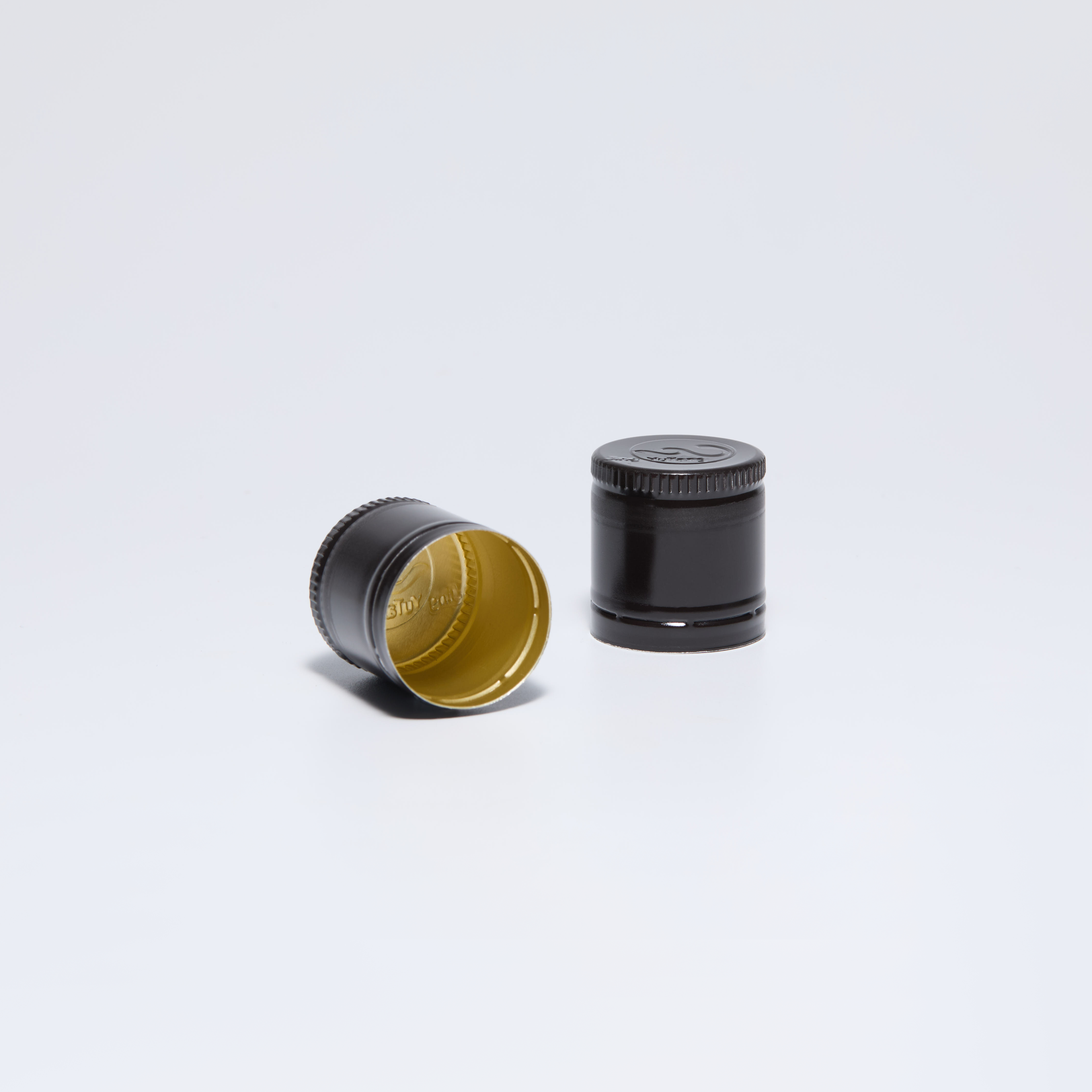
Selecting the right closure for a fragrance or cosmetic product is far more consequential than it might first appear. The cap is the first physical element a consumer touches, and in a market where shelf presence and tactile experience drive purchasing decisions, the wrong choice can quietly undermine an otherwise excellent product. aluminum caps have become a preferred solution across the perfume and cosmetics industry precisely because they balance aesthetic appeal with functional reliability, but choosing the right one requires understanding several interconnected factors that go well beyond simply matching a thread size.
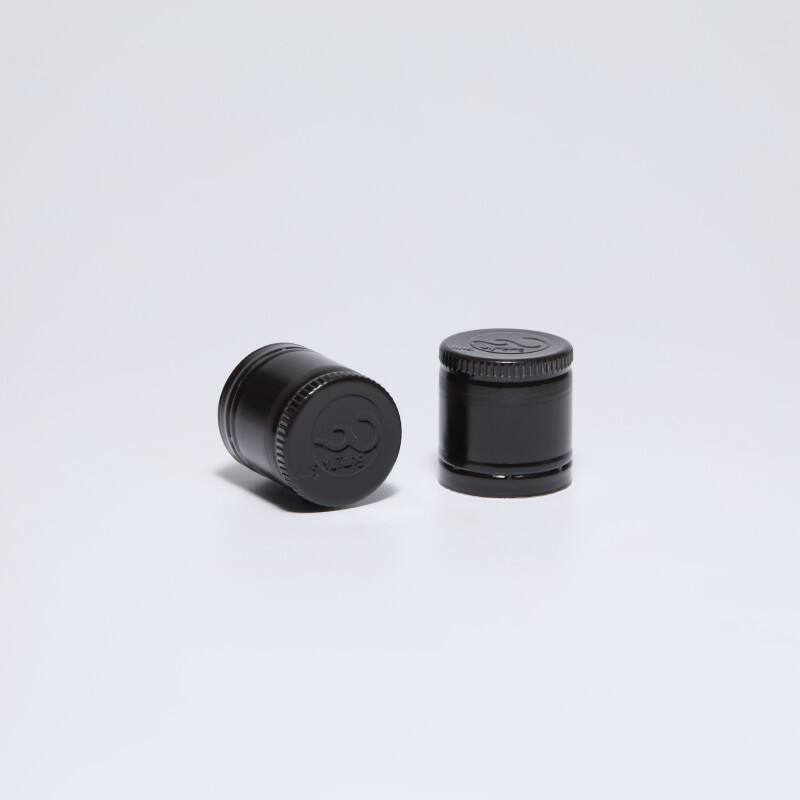
This guide walks through the practical decision-making process for sourcing and specifying aluminum caps for perfume and cosmetic bottles. Whether you are launching a new fragrance line, reformulating a skincare range, or revisiting your packaging strategy, the criteria covered here will help you make a more informed, confident choice. From material grade and finish options to fitment compatibility and branding customization, every dimension of the selection process matters when the goal is a closure that performs consistently and communicates quality at a glance.
Understanding the Role of Aluminum Caps in Cosmetic Packaging
Why Aluminum Is a Preferred Material for Cosmetic Closures
Aluminum has earned its place as a dominant material for cosmetic and fragrance closures for a combination of structural and sensory reasons. It is lightweight yet rigid, which means it provides a premium feel without adding unnecessary weight to the finished product. For perfume bottles in particular, the heft and solidity of aluminum caps contribute directly to the perceived value of the product, a factor that matters enormously in prestige and mid-market segments alike.
From a functional standpoint, aluminum caps offer excellent resistance to corrosion, which is critical when the closure is in regular contact with alcohol-based fragrances or active cosmetic formulations. Unlike some plastic alternatives, aluminum does not degrade or discolor when exposed to volatile organic compounds over time. This chemical stability makes aluminum caps a reliable long-term choice for products with extended shelf lives.
Aluminum is also highly recyclable, which aligns with the growing sustainability expectations of both consumers and regulatory bodies. Brands that are building eco-conscious positioning find that aluminum caps support their messaging without requiring a compromise on aesthetics or performance. The material's recyclability is increasingly a specification requirement rather than a bonus feature in modern cosmetic packaging briefs.
The Functional Expectations Placed on Aluminum Caps
Beyond material properties, aluminum caps must meet a specific set of functional expectations in cosmetic and fragrance applications. The primary function is sealing integrity — the cap must prevent evaporation, leakage, and contamination throughout the product's shelf life and in-use period. For perfumes, even minor evaporation loss can alter the scent profile, so the fitment between the cap and the bottle neck must be precise and consistent.
Aluminum caps also need to withstand repeated open-and-close cycles without deforming or losing their grip. A cap that loosens after a few weeks of use creates a poor consumer experience and can lead to product returns or brand damage. The thread engagement depth, wall thickness, and liner material all contribute to how well aluminum caps maintain their sealing performance over time.
Ease of use is another functional dimension that is sometimes overlooked during specification. Aluminum caps should open and close smoothly without requiring excessive torque, particularly for products targeting older consumers or those with limited hand strength. The knurling pattern, cap diameter, and surface finish all influence grip and usability in ways that should be evaluated during the sampling phase.
Key Dimensions and Fitment Criteria to Evaluate
Matching Cap Dimensions to Bottle Neck Specifications
The most fundamental technical criterion when choosing aluminum caps is dimensional compatibility with the bottle neck. This involves the neck finish diameter, thread pitch, and thread engagement length. Mismatches in any of these dimensions will result in either a cap that cannot be applied correctly or one that does not seal reliably. Before specifying aluminum caps, you need accurate measurements of your bottle's neck finish, ideally confirmed against a standardized neck finish specification such as those defined by the Glass Packaging Institute or equivalent industry standards.
Thread pitch is particularly important for aluminum caps because aluminum is less forgiving than plastic when threads are mismatched. A slight pitch difference that a plastic cap might accommodate through deformation will cause an aluminum cap to cross-thread or fail to seat properly. Always request thread gauging confirmation from your cap supplier and verify fitment on actual production bottles rather than relying solely on drawings or digital specifications.
Cap height is another dimension that affects both function and aesthetics. Taller aluminum caps create a more elongated, elegant silhouette that suits prestige fragrance bottles, while shorter caps give a more compact, contemporary look suited to skincare and cosmetic ranges. The cap height must also be proportional to the bottle's overall design to maintain visual balance on shelf and in marketing imagery.
Liner Selection and Its Impact on Sealing Performance
The liner inside an aluminum cap is the component that actually creates the seal against the bottle's sealing surface. Liner material selection is therefore a critical decision that directly affects product integrity. Common liner materials include foam, pulp, and various polymer films, each with different compatibility profiles depending on the formulation being sealed.
For alcohol-based fragrances, liners must be resistant to solvent permeation and must not absorb or react with the fragrance compounds. Expanded polyethylene foam liners are widely used in this application because they provide a conformable, chemically inert seal. For water-based cosmetics or products with active ingredients, the liner specification may need to be validated through compatibility testing to ensure there is no migration or interaction between the liner and the formulation.
Liner thickness and compression set also affect how aluminum caps perform over time. A liner that compresses permanently after initial application will lose sealing force, leading to gradual evaporation or contamination risk. Specifying a liner with appropriate compression recovery characteristics ensures that aluminum caps maintain their sealing performance throughout the product's intended shelf life, which for cosmetics is typically 24 to 36 months.
Surface Finish and Aesthetic Customization Options
Common Finish Types Available for Aluminum Caps
One of the most compelling reasons brands choose aluminum caps over plastic alternatives is the breadth of surface finish options available. Anodizing is among the most widely used processes, creating a durable oxide layer that can be dyed in a wide range of colors while maintaining the metallic character of the aluminum substrate. Anodized aluminum caps are scratch-resistant and retain their color consistency across large production runs, making them suitable for brands that require tight color matching across product lines.
Electroplating is another option that gives aluminum caps a chrome, gold, or rose gold appearance. Plated finishes are particularly popular in prestige fragrance packaging where a high-gloss metallic look is part of the brand's visual identity. The durability of plated finishes depends on the plating thickness and the quality of the base preparation, so it is important to specify minimum plating thickness and conduct adhesion testing before approving a finish for production.
Matte and brushed finishes have grown in popularity as brands move toward more understated, contemporary aesthetics. A brushed aluminum cap communicates craftsmanship and restraint, which resonates with consumers in the natural beauty and minimalist skincare segments. These finishes are typically achieved through mechanical brushing followed by a clear protective coating to prevent oxidation and fingerprint marking in use.
Logo and Branding Integration on Aluminum Caps
Aluminum caps offer several methods for integrating brand identity directly into the closure. Debossing and embossing create tactile logo impressions that add a premium, crafted quality to the cap. These techniques work particularly well on the top face of the cap and can be combined with a contrasting finish — for example, a matte cap with a polished embossed logo — to create visual depth without additional printing processes.
Laser engraving is increasingly used for high-precision logo application on aluminum caps, particularly for limited editions or personalized products. The laser removes the surface finish or anodized layer to reveal the base aluminum, creating a precise, permanent mark that does not add thickness or risk peeling. This method is well-suited to intricate designs and fine typography that would be difficult to achieve through mechanical embossing.
Screen printing and hot stamping are also available for aluminum caps and allow for multi-color branding or the application of metallic foil accents. These methods are cost-effective for medium to large production volumes and offer flexibility in design complexity. When specifying printed aluminum caps, always request print adhesion testing and rub resistance data to ensure the decoration survives normal handling and retail display conditions.
Production Volume, Lead Time, and Quality Assurance Considerations
Aligning Minimum Order Quantities with Your Production Scale
Aluminum caps are typically produced through deep drawing or impact extrusion processes, both of which involve tooling investment that is amortized across production volume. This means that minimum order quantities for custom aluminum caps are generally higher than for standard plastic closures. For brands launching new products or testing new packaging concepts, understanding the MOQ structure is essential to managing upfront investment and inventory risk.
Standard aluminum caps with common dimensions and finishes may be available from stock in smaller quantities, which can be useful for sampling, market testing, or small-batch production runs. Custom aluminum caps with unique dimensions, proprietary thread profiles, or bespoke finishes will require tooling development and typically carry higher MOQs. Clarifying these requirements early in the packaging development process prevents costly delays when production timelines are tight.
Lead times for aluminum caps vary depending on whether tooling is required, the complexity of the finish, and the supplier's current production schedule. Custom aluminum caps typically require eight to sixteen weeks from tooling approval to first production delivery. Building this lead time into your product launch schedule is critical, as packaging delays are one of the most common causes of missed launch windows in the cosmetics industry.
Quality Control Standards for Aluminum Caps in Cosmetic Applications
Quality assurance for aluminum caps in cosmetic and fragrance applications covers several dimensions that should be defined in your purchase specification. Dimensional tolerances for thread dimensions, cap height, and outer diameter should be specified with acceptable variation ranges, and incoming inspection protocols should verify conformance on each delivery. Torque testing — measuring both application torque and removal torque — is a standard quality check that confirms the cap will apply and remove correctly on your filling line and in consumer use.
Finish quality standards should address color consistency, surface defect criteria, and adhesion performance for any applied decoration. Defining acceptable quality levels for visual defects such as scratches, dents, or color variation ensures that your quality team and your supplier are aligned on what constitutes a conforming part. Photographic reference standards are a practical tool for communicating these criteria unambiguously across language and cultural differences.
Sealing performance testing should be conducted on finished product samples using your actual bottle and formulation. Leak testing, evaporation testing, and drop testing under defined conditions give you objective data on how your chosen aluminum caps perform in real-world conditions. These tests should be repeated whenever there is a change in bottle supplier, formulation, or cap specification to confirm that the validated performance is maintained.
FAQ
What is the difference between anodized and plated aluminum caps?
Anodizing is an electrochemical process that converts the surface of the aluminum into a durable oxide layer, which can be colored and provides good scratch resistance. Plating deposits a thin layer of another metal — such as chrome or gold — onto the aluminum surface to achieve a high-gloss metallic appearance. Anodized aluminum caps tend to be more durable in everyday handling, while plated caps offer a more luxurious visual effect suited to prestige packaging. The choice depends on your brand aesthetic and the durability requirements of your specific application.
How do I verify that aluminum caps will be compatible with my bottle before placing a production order?
The most reliable approach is to request pre-production samples of the aluminum caps and test them on your actual production bottles. Verify thread engagement, sealing performance, and torque values under conditions that replicate your filling line and end-use environment. Do not rely solely on dimensional drawings or digital specifications, as manufacturing tolerances in both the cap and the bottle can interact in ways that are only apparent through physical testing.
Can aluminum caps be used with all types of cosmetic formulations?
Aluminum caps are compatible with a wide range of cosmetic and fragrance formulations, but the liner material inside the cap must be selected based on the specific formulation chemistry. Alcohol-based fragrances, water-based serums, and oil-based products each have different compatibility requirements. Conducting liner compatibility testing with your actual formulation before finalizing the specification is the safest way to confirm that your aluminum caps will not interact with or compromise the product over its intended shelf life.
What customization options are available for small production volumes?
For smaller production volumes, the most accessible customization options for aluminum caps are typically surface finish selection from available standard options and laser engraving for logo application, as laser engraving does not require dedicated tooling. Embossing and debossing require tooling investment that is more easily justified at higher volumes. Some suppliers offer shared tooling programs or semi-custom options that allow brands to access a degree of differentiation without the full tooling cost of a completely bespoke aluminum cap design.
Table of Contents
- Understanding the Role of Aluminum Caps in Cosmetic Packaging
- Key Dimensions and Fitment Criteria to Evaluate
- Surface Finish and Aesthetic Customization Options
- Production Volume, Lead Time, and Quality Assurance Considerations
-
FAQ
- What is the difference between anodized and plated aluminum caps?
- How do I verify that aluminum caps will be compatible with my bottle before placing a production order?
- Can aluminum caps be used with all types of cosmetic formulations?
- What customization options are available for small production volumes?