
 EN
EN
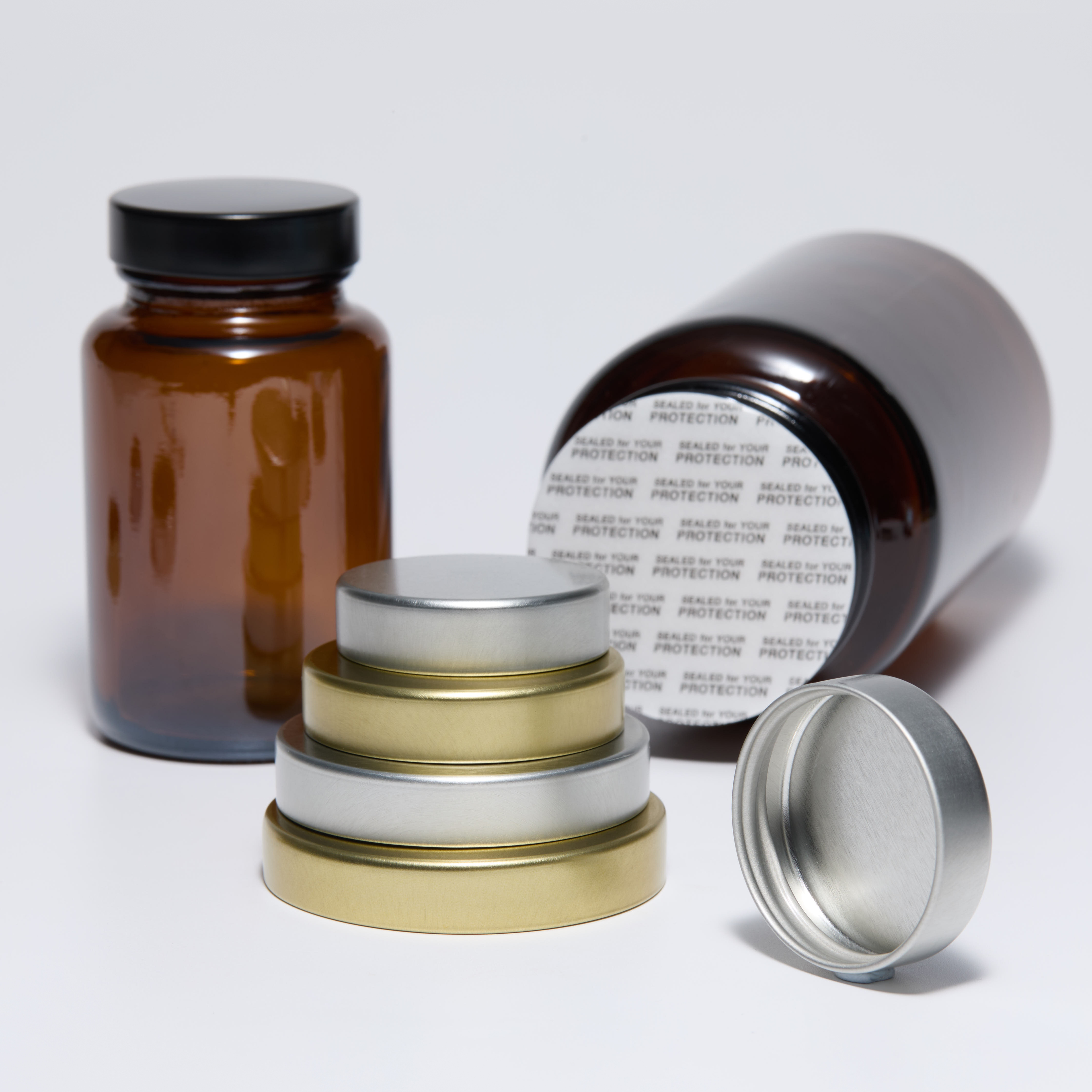
Understanding how an aluminum cap provides long-term protection for liquids begins with recognizing the fundamental barrier properties that distinguish metal closures from alternative packaging solutions. When beverages, pharmaceuticals, cosmetics, or specialty chemicals require extended shelf stability, the choice of closure directly influences product integrity throughout distribution and storage. An aluminum cap creates a comprehensive protective environment by combining multiple physical and chemical barriers that work synergistically to preserve liquid contents against environmental threats including oxygen infiltration, moisture exchange, light exposure, and microbial contamination.
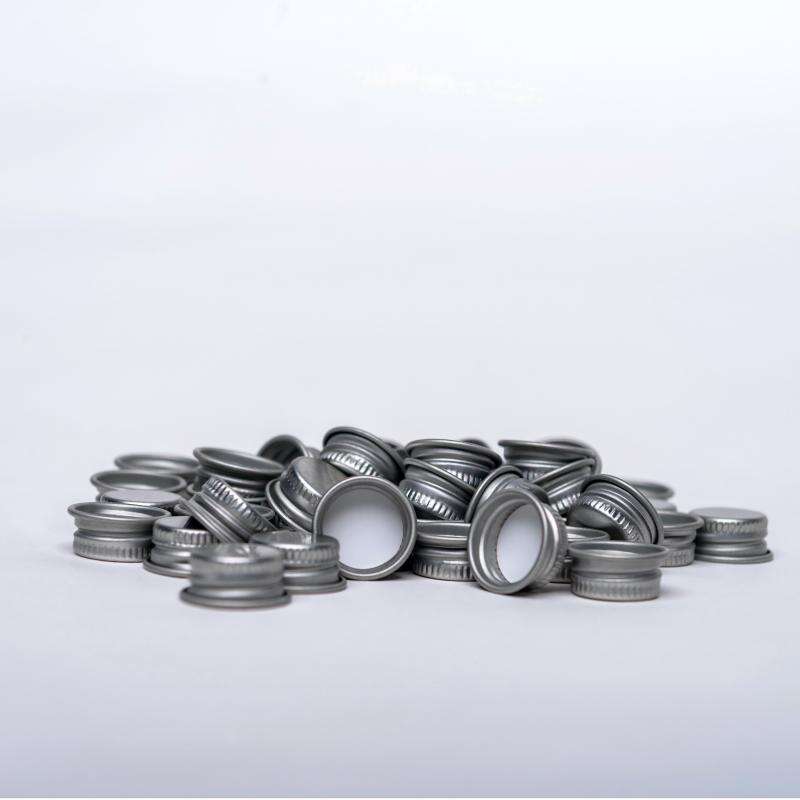
The protective mechanism of an aluminum cap extends beyond simple mechanical sealing to encompass material science principles that address the specific vulnerabilities of liquid products. Whether protecting carbonated beverages from gas loss, preventing oxidation in sensitive formulations, or maintaining sterility in pharmaceutical preparations, the aluminum cap functions as an engineered system where material selection, liner technology, application method, and closure design collectively determine long-term performance outcomes. This comprehensive protection approach makes aluminum caps particularly valuable for products requiring multi-year shelf life under variable storage conditions.
Material Barrier Properties That Enable Protection
Impermeability to Oxygen and Moisture
The primary protective advantage of an aluminum cap stems from the inherent impermeability of aluminum as a packaging material. Unlike polymer closures that permit gradual gas transmission through molecular gaps in their structure, aluminum creates an absolute barrier to oxygen and water vapor when properly formed and applied. This complete impermeability prevents oxidative degradation reactions that cause flavor deterioration in beverages, color changes in light-sensitive liquids, and potency loss in active pharmaceutical ingredients. For products where even trace oxygen exposure accelerates quality decline, the zero-transmission characteristic of an aluminum cap becomes essential for achieving target shelf life specifications.
The effectiveness of this barrier function depends on maintaining structural integrity throughout the cap's service life. Aluminum's resistance to creep and dimensional change under normal storage temperatures ensures that the barrier properties remain constant rather than degrading over time as some plastics might. When combined with appropriate liner materials that seal against the bottle finish, an aluminum cap establishes a hermetic closure system where gas exchange rates approach zero, effectively isolating the liquid contents from atmospheric conditions that would otherwise compromise product stability.
Light Blocking Capabilities
An aluminum cap provides complete opacity to ultraviolet and visible light wavelengths that trigger photochemical degradation in many liquid formulations. Light-induced reactions can cause vitamin breakdown in nutritional beverages, pigment fading in colored liquids, and off-flavor development in products containing photosensitive compounds. By blocking 100% of light transmission through the closure area, an aluminum cap protects the headspace and upper portion of the liquid column from this degradation pathway. This protection proves particularly valuable for products in clear or lightly tinted glass containers where light exposure through the bottle sidewalls already represents a vulnerability.
The light-blocking function extends beyond simply preventing direct illumination of contents. When an aluminum cap creates a light-tight seal, it prevents photocatalytic reactions in the headspace gas that could generate reactive oxygen species or initiate chain reactions affecting liquid quality. For premium beverages and pharmaceutical preparations where subtle quality changes significantly impact consumer acceptance or therapeutic efficacy, this comprehensive light protection contributes measurably to extended product viability under retail display and consumer storage conditions.
Chemical Inertness and Non-Reactivity
The chemical stability of aluminum in contact with most liquid formulations represents another critical protective attribute. An aluminum cap resists corrosion and chemical interaction with aqueous solutions across a wide pH range when properly coated or when the aluminum surface naturally oxidizes to form a protective layer. This chemical inertness prevents the leaching of closure components into the liquid product, which could alter flavor profiles, introduce contaminants, or create regulatory compliance issues. Unlike some closure materials that may absorb flavor compounds from the liquid or release plasticizers into the contents, the aluminum cap maintains chemical boundaries that preserve original product formulation integrity.
For aggressive liquid formulations including acidic beverages, alkaline cleaning solutions, or solvent-based products, the chemical resistance of an aluminum cap with appropriate liner selection ensures compatibility throughout the intended shelf life. The cap functions as an inert barrier rather than a reactive component, preventing unintended chemical modifications that could compromise product quality or create safety concerns. This chemical stability becomes especially important in pharmaceutical and cosmetic applications where regulatory requirements demand demonstrated compatibility between closure systems and product formulations over extended aging periods.
Sealing Mechanisms That Maintain Closure Integrity
Liner Technology and Compound Selection
The long-term protective performance of an aluminum cap critically depends on the liner material that creates the actual seal against the container finish. Modern aluminum caps incorporate specialized liner compounds engineered to flow conformally during application, creating intimate contact with the glass or plastic sealing surface while maintaining resilience over time. Plastisol liners, foam liners, pressure-sensitive adhesive liners, and induction seal liners each offer distinct sealing mechanisms suited to different liquid products and protection requirements. The liner selection must balance initial seal formation, compression set resistance, chemical compatibility with the liquid, and long-term sealing force retention.
An aluminum cap with properly selected liner technology establishes a seal that resists loosening from thermal cycling, vibration during transportation, and the gradual stress relaxation that affects all polymeric materials. High-quality liner formulations maintain adequate sealing pressure against the bottle finish even after months or years of storage, preventing the micro-leakage pathways that would allow gas exchange or permit external contaminants to enter the package. For carbonated beverages, the liner must withstand continuous internal pressure without creep or seal degradation, while for vacuum-packed products, it must resist being drawn into the bottle opening by negative pressure differentials.
Thread Engagement and Mechanical Security
The threaded design of an aluminum cap creates mechanical retention that maintains closure position and sealing force throughout the product lifecycle. Unlike press-on or snap-fit closures that rely solely on friction or interference fit, the helical thread engagement distributes retention forces around the entire cap circumference while providing inherent resistance to accidental removal. This mechanical security prevents partial unseating from impacts, temperature-induced dimensional changes, or handling stresses that could compromise the hermetic seal. The thread design must balance ease of consumer opening against resistance to unintentional loosening during distribution.
An aluminum cap maintains thread engagement integrity through its resistance to deformation under normal handling conditions. The structural rigidity of aluminum prevents the thread profile degradation that can occur with softer closure materials, ensuring consistent retention performance throughout multiple temperature cycles and mechanical stresses. For tamper-evident aluminum caps with breakable bands, the thread engagement provides primary retention while the tamper band offers visible evidence of any opening attempt, combining security with consumer reassurance about product integrity.
Application Torque and Seal Formation
The protective effectiveness of an aluminum cap depends significantly on proper application torque that compresses the liner material to create an effective seal without causing damage to the closure or container. Optimal application torque creates sufficient liner compression to eliminate micro-gaps while avoiding over-tightening that could crack glass finishes, deform aluminum threads, or create excessive residual stress in the closure system. Modern capping equipment applies precisely controlled torque that accommodates variations in bottle finish dimensions and liner thickness to achieve consistent seal quality across production runs.
The seal formation process involves complex material interactions where the liner compound flows into surface irregularities on the bottle finish, conforming to the unique topology of each individual container. An aluminum cap provides the rigid backing structure that converts applied torque into uniform compression force across the liner surface, ensuring complete seal formation even when minor variations exist in finish dimensions or surface texture. This ability to accommodate real-world manufacturing tolerances while still achieving hermetic sealing represents a key advantage that enables reliable long-term protection across diverse production environments and bottle specifications.
Protection Against Specific Contamination Pathways
Microbial Barrier Performance
An aluminum cap establishes an effective microbial barrier that prevents bacterial, fungal, and viral contamination from entering liquid products after packaging. The hermetic seal created by the cap and liner combination eliminates pathways through which microorganisms could migrate from the external environment into the sterile or preserved product space. For beverages, pharmaceuticals, and cosmetics requiring microbiological stability, this barrier function proves essential for preventing spoilage organisms from compromising product safety and extending microbiological shelf life beyond what the formulation's preservative system alone could achieve.
The microbial protection mechanism operates on multiple levels within the aluminum cap system. The physical barrier prevents direct entry of contamination, while the oxygen barrier created by the aluminum cap limits the growth potential for aerobic spoilage organisms that might be present in trace quantities. For products filled under aseptic conditions or hot-fill processes, the aluminum cap maintains the sterility achieved during packaging by preventing post-process contamination throughout distribution and storage. This microbiological protection becomes particularly critical for products consumed directly from the container without further treatment steps that might inactivate contaminants.
Prevention of Volatile Compound Loss
The hermetic seal provided by an aluminum cap prevents the loss of volatile flavor compounds, aromatic components, and functional ingredients that contribute to product identity and consumer acceptance. Many liquid products contain volatile organic compounds with vapor pressures sufficient to cause gradual loss through permeable closures, leading to flavor fading, aroma loss, or reduced efficacy of volatile active ingredients. An aluminum cap with appropriate liner technology creates a barrier to vapor transmission that maintains the volatile compound profile throughout the intended shelf life, preserving the sensory characteristics that define product quality.
This volatile retention capability extends to preventing the loss of carbonation in beverages and dissolved gases in other liquid products. An aluminum cap resists the gradual depressurization that occurs with gas-permeable closures, maintaining the carbon dioxide concentration that delivers the characteristic mouthfeel and sensory impact of carbonated beverages. For wines, spirits, and other products where aromatic complexity represents a key quality attribute, the aluminum cap prevents the oxidative and evaporative losses that would diminish the sensory profile over time, ensuring that consumers experience the product as intended by the formulator.
Barrier Against External Odor Contamination
An aluminum cap protects liquid products from absorbing external odors that could compromise flavor and aroma quality during storage and distribution. When products are stored in warehouses containing other materials with strong odors, transported in containers with previous cargo residues, or displayed near household products with volatile fragrance compounds, permeable closures can allow odor molecules to migrate into the package headspace and dissolve into the liquid contents. The impermeability of an aluminum cap prevents this odor transfer pathway, maintaining product purity even in challenging storage environments where odor contamination risks are elevated.
This protective function proves particularly valuable for neutral-flavored products and delicately flavored beverages where even subtle off-odors become detectable and objectionable to consumers. The aluminum cap prevents the accumulation of taint compounds that could migrate through polymer closures over extended storage periods, ensuring that the product flavor profile remains true to its formulated characteristics. For export products that may encounter diverse storage conditions during international distribution, this odor barrier capability contributes to consistent quality delivery across global markets.
Long-Term Performance Under Variable Conditions
Temperature Cycling Resistance
An aluminum cap maintains sealing integrity and barrier performance through repeated temperature cycles that occur during seasonal storage, international shipping, and consumer handling. The thermal expansion coefficients of aluminum, liner materials, and glass or plastic containers differ, creating differential dimensional changes during temperature fluctuations. Well-engineered aluminum caps accommodate these dimensional variations without losing seal contact or creating leakage pathways, ensuring continuous protection despite thermal stresses that would compromise inferior closure systems.
The temperature resistance of an aluminum cap extends from refrigeration temperatures through elevated conditions encountered during summer storage in non-climate-controlled warehouses. The aluminum material itself maintains structural integrity and dimensional stability across this temperature range, while properly selected liner compounds retain adequate compression and sealing force without becoming brittle at low temperatures or excessively soft at elevated temperatures. This thermal performance envelope ensures that protection remains effective throughout the distribution chain, from cold storage through tropical climates to consumer refrigerators.
Pressure Differential Management
An aluminum cap effectively manages internal pressure differentials that develop in sealed containers due to temperature changes, altitude variations, or the generation of gases from product reactions. For carbonated beverages and products packaged with internal pressure, the aluminum cap must resist the continuous outward force without loosening or allowing gas leakage. Conversely, for products packaged hot and allowed to cool, or products consumed at altitude, the aluminum cap must resist inward deformation from external atmospheric pressure exceeding internal pressure, preventing seal compromise or aesthetic panel deformation.
The structural strength of an aluminum cap provides inherent resistance to pressure-induced deformation while the liner maintains seal contact under varying pressure conditions. This pressure management capability ensures that products maintain their sealed condition whether stored at sea level or transported to high-altitude destinations, whether exposed to atmospheric pressure variations during air freight, or subjected to pressure changes from temperature-induced vapor pressure variations within the sealed headspace. The aluminum cap adapts to these pressure differentials while maintaining the hermetic seal essential for long-term protection.
Mechanical Impact and Vibration Resistance
The protection provided by an aluminum cap persists through the mechanical stresses of modern distribution systems including vibration during transportation, impacts during handling, and compression forces during palletized storage. The structural rigidity of aluminum prevents closure deformation from routine handling impacts that could compromise seal integrity or create micro-leakage pathways. Unlike softer closure materials that may permanently deform from impact forces, an aluminum cap either resists deformation within its elastic range or shows visible damage that indicates potential seal compromise, providing inherent quality control feedback.
The thread retention characteristics of an aluminum cap ensure that vibration during truck, rail, or sea transport does not gradually loosen the closure from the thread engagement. The combination of thread design, liner friction, and applied torque creates sufficient retention force to prevent backing-off under vibration conditions while still permitting normal consumer opening when intentionally rotated. This vibration resistance proves essential for maintaining protection during extended distribution chains and ensures that products arrive at retail and consumer destinations with uncompromised closure integrity.
FAQ
How long can an aluminum cap maintain protection for liquid products?
An aluminum cap can effectively maintain protection for liquid products throughout shelf lives ranging from several months to multiple years, depending on the specific product requirements and storage conditions. For many beverages, an aluminum cap provides reliable protection for 12 to 24 months under normal retail conditions, while pharmaceutical preparations and specialty chemicals may require and achieve protection extending to three years or longer. The actual protection duration depends on factors including liner material selection, product chemical characteristics, storage temperature profile, and the specific degradation mechanisms threatening product quality. Properly engineered aluminum cap systems with appropriate liner technology routinely achieve the full target shelf life for demanding applications where product integrity must be maintained throughout extended distribution and consumer storage periods.
What makes an aluminum cap more protective than plastic closures for liquids?
An aluminum cap provides superior protection compared to many plastic closures due to its absolute impermeability to oxygen, moisture, and light, whereas plastic materials exhibit measurable transmission rates for these quality-degrading factors. While plastic closures may offer adequate protection for products with shorter shelf lives or less stringent quality requirements, the zero-transmission characteristics of aluminum become essential for liquids sensitive to oxidation, moisture uptake, or light exposure. Additionally, aluminum caps maintain dimensional stability and sealing force over wider temperature ranges and longer time periods compared to plastics that may exhibit creep, stress relaxation, or property changes from environmental exposure. The superior barrier properties and long-term stability of aluminum caps make them the preferred choice for premium beverages, pharmaceutical liquids, and specialty formulations where extended shelf life and uncompromised quality represent critical value propositions.
Can aluminum caps protect liquids in both glass and plastic bottles?
Yes, aluminum caps effectively protect liquids in both glass and plastic bottles when properly designed for the specific container finish geometry and material characteristics. For glass bottles, aluminum caps create hermetic seals against the rigid, dimensionally stable finish, providing optimal barrier performance. For plastic bottles, aluminum caps must accommodate slightly greater dimensional tolerances and the potential for finish deformation under torque application, but properly engineered systems achieve effective sealing and protection. The liner material selection becomes particularly important for plastic bottles to ensure adequate conformability to finish variations while maintaining sufficient sealing force throughout the product shelf life. Modern aluminum cap designs include variations optimized for different bottle materials, with specific thread profiles, liner compounds, and application parameters tailored to achieve reliable long-term protection regardless of container substrate.
Do aluminum caps require special handling to maintain their protective properties?
Aluminum caps maintain their protective properties under normal handling conditions without requiring special precautions beyond those standard for packaged consumer products. The robust construction of aluminum caps resists damage from routine handling, and their protective performance does not degrade from typical consumer storage conditions including pantry storage, refrigeration, or exposure to normal household temperature variations. However, excessive mechanical impacts that visibly deform the cap structure could potentially compromise seal integrity and should be avoided. Consumers should store products in upright positions and avoid exposing closures to extreme temperatures outside manufacturer specifications. When properly applied during manufacturing with appropriate torque and seal verification, aluminum caps provide reliable protection throughout normal distribution chains and consumer use patterns without requiring special handling protocols that would be impractical for retail products.