
 EN
EN
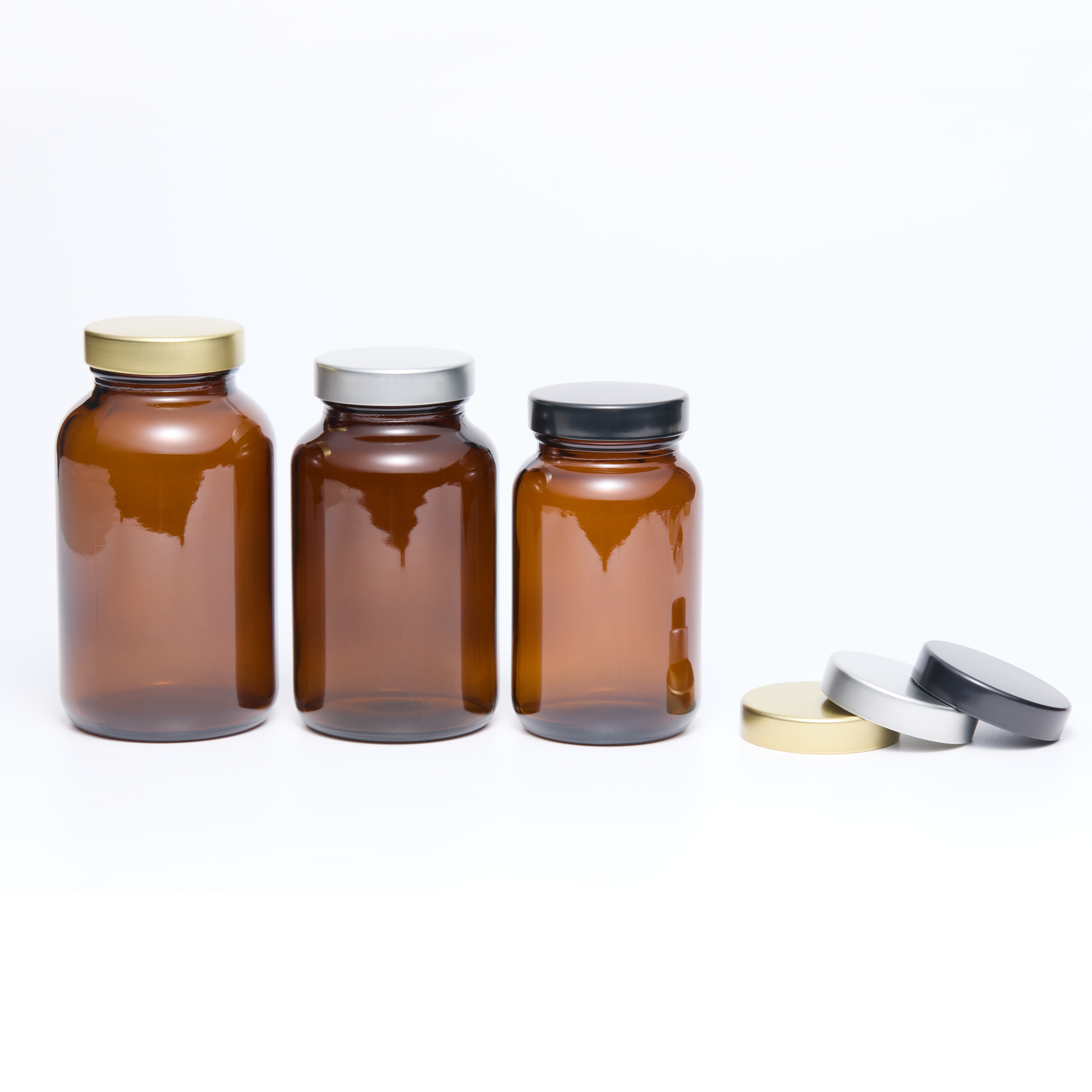
The production of snap on caps involves careful selection of materials that ensure durability, functionality, and consumer safety. These versatile closures have become essential components across multiple industries, from pharmaceuticals to food and beverage packaging. Understanding the materials commonly used in snap on cap manufacturing helps businesses make informed decisions about their packaging requirements and ensures optimal product protection throughout the supply chain.

Manufacturing high-quality closures requires expertise in material science and engineering precision. The choice of materials directly impacts the performance characteristics of the final product, including chemical resistance, temperature tolerance, and sealing effectiveness. Modern production facilities utilize advanced molding technologies and quality control systems to ensure consistent results across large-scale manufacturing operations.
Primary Materials in Snap On Cap Manufacturing
Polypropylene Applications
Polypropylene stands as one of the most widely utilized materials in snap on cap production due to its excellent chemical resistance and flexibility. This thermoplastic polymer offers superior resistance to fatigue stress, making it ideal for closures that require repeated opening and closing cycles. The material's low density contributes to cost-effective shipping and handling while maintaining structural integrity under various environmental conditions.
The versatility of polypropylene allows manufacturers to customize properties through various grades and additives. Food-grade polypropylene meets stringent safety requirements for direct contact with consumable products, while industrial grades provide enhanced chemical resistance for harsh environments. The material's excellent moldability enables complex designs with precise tolerances, ensuring reliable sealing performance and consistent quality across production runs.
Polyethylene Characteristics
High-density polyethylene (HDPE) and low-density polyethylene (LDPE) serve specific roles in snap on cap manufacturing applications. HDPE provides excellent moisture barrier properties and chemical resistance, making it suitable for pharmaceutical and chemical packaging applications. The material's durability ensures long-term performance even under challenging storage conditions and temperature fluctuations.
LDPE offers enhanced flexibility and impact resistance, particularly valuable for applications requiring tamper-evident features or specialized sealing mechanisms. The material's clarity allows for transparent or translucent designs when visual product inspection is necessary. Both polyethylene variants demonstrate excellent compatibility with various sterilization methods, essential for medical and pharmaceutical applications requiring sterile packaging solutions.
Specialty Materials and Advanced Compositions
Metal Components Integration
Tinplate and aluminum play crucial roles in hybrid snap on cap designs that combine metal durability with plastic functionality. Tinplate offers exceptional barrier properties against oxygen, moisture, and light, making it ideal for products requiring extended shelf life. The material's compatibility with various coating systems allows for enhanced corrosion resistance and improved aesthetic appeal through decorative finishes.
Aluminum components provide lightweight strength and excellent thermal conductivity properties. These characteristics prove particularly valuable in applications requiring heat sealing or induction sealing capabilities. The material's malleability allows for precise forming of complex geometries while maintaining dimensional stability under varying temperature conditions. Advanced surface treatments enhance both functional performance and visual appearance.
Composite Material Systems
Modern snap on cap production increasingly incorporates composite materials that combine multiple polymer types to achieve specific performance objectives. These engineered compositions allow manufacturers to optimize properties such as chemical resistance, temperature tolerance, and mechanical strength while maintaining cost-effectiveness. Multi-layer structures can incorporate barrier materials to prevent permeation of gases or volatile compounds.
Fiber-reinforced polymers enhance structural integrity and dimensional stability, particularly important for larger closure designs or applications involving high internal pressures. The incorporation of mineral fillers can improve thermal properties and reduce material costs while maintaining acceptable performance characteristics. These composite approaches enable customization for specific application requirements without compromising manufacturing efficiency.
Material Selection Criteria and Performance Factors
Chemical Compatibility Requirements
The selection of appropriate materials for snap on cap production must consider chemical compatibility with packaged products and environmental exposure conditions. Different polymers exhibit varying resistance to acids, bases, solvents, and other chemical substances that may be present in the application environment. Comprehensive compatibility testing ensures that selected materials will not degrade or react adversely during the intended service life.
Regulatory compliance plays a critical role in material selection, particularly for food, pharmaceutical, and cosmetic applications. Materials must meet specific migration limits and purity requirements established by regulatory authorities. Documentation of material grades, additives, and processing conditions ensures traceability and compliance throughout the supply chain. Regular testing and certification maintain ongoing compliance with evolving regulatory standards.
Mechanical Properties Optimization
The mechanical properties of materials used in snap on cap production directly influence functional performance and user experience. Tensile strength determines the material's ability to withstand stress during installation and removal processes. Flexibility characteristics affect the ease of application and removal while maintaining secure closure integrity. Impact resistance ensures durability under handling and transportation conditions.
Temperature performance requirements vary significantly across different applications, necessitating careful material selection to ensure consistent performance across the intended operating range. Some applications require materials that maintain flexibility at low temperatures, while others demand stability at elevated temperatures during sterilization or processing operations. Thermal expansion characteristics must be compatible with mating container materials to maintain effective sealing.
Manufacturing Process Considerations
Molding Technology Requirements
Different materials used in snap on cap production require specific molding parameters and equipment capabilities to achieve optimal results. Processing temperatures, injection pressures, and cooling rates must be carefully controlled to ensure consistent part quality and dimensional accuracy. Material flow characteristics influence mold design requirements and cycle time optimization for efficient production operations.
Quality control systems monitor critical parameters throughout the molding process to maintain consistent material properties and part performance. Advanced monitoring technologies detect variations in material behavior and automatically adjust process parameters to maintain optimal conditions. Statistical process control methods ensure that production meets specifications while minimizing waste and maintaining cost-effectiveness.
Secondary Operations and Finishing
Post-molding operations may be required to achieve final functional and aesthetic specifications for snap on cap products. Surface treatments can enhance chemical resistance, improve appearance, or provide specialized properties such as antimicrobial characteristics. Printing and labeling processes must be compatible with selected materials to ensure adequate adhesion and durability of applied graphics or text.
Assembly operations may involve combining multiple materials or components to create complex closure systems with enhanced functionality. Ultrasonic welding, adhesive bonding, or mechanical assembly methods must be compatible with the selected materials and processing requirements. Quality assurance procedures verify that assembled products meet all functional and aesthetic specifications before packaging and distribution.
FAQ
What factors determine the best material choice for snap on cap applications
Material selection depends on several key factors including chemical compatibility with packaged products, required mechanical properties, regulatory compliance requirements, and cost considerations. Environmental exposure conditions, temperature ranges, and expected service life also influence material choice. Manufacturers must balance performance requirements with processing capabilities and economic factors to determine the optimal material solution.
How do different materials affect the sealing performance of snap on caps
Material properties directly impact sealing effectiveness through factors such as flexibility, compression set resistance, and surface characteristics. Softer materials may provide better conformability to container surfaces but may exhibit greater compression set over time. Chemical resistance ensures that sealing properties remain stable when exposed to packaged products or environmental conditions throughout the intended service life.
What quality standards apply to materials used in snap on cap production
Quality standards vary depending on the intended application, with food-grade applications requiring compliance with FDA regulations and pharmaceutical applications following USP standards. International standards such as ISO specifications provide guidelines for material properties and testing methods. Manufacturers must maintain comprehensive documentation demonstrating compliance with applicable standards and regulatory requirements.
How do recycling considerations influence material selection for snap on caps
Sustainability concerns increasingly influence material selection, with preference given to recyclable polymers and materials compatible with existing recycling infrastructure. Single-material designs facilitate recycling compared to multi-material composites that may require separation processes. Material identification coding and compatibility with recycling processes help ensure that products can be effectively processed at end-of-life while maintaining performance during use.
Table of Contents
- Primary Materials in Snap On Cap Manufacturing
- Specialty Materials and Advanced Compositions
- Material Selection Criteria and Performance Factors
- Manufacturing Process Considerations
-
FAQ
- What factors determine the best material choice for snap on cap applications
- How do different materials affect the sealing performance of snap on caps
- What quality standards apply to materials used in snap on cap production
- How do recycling considerations influence material selection for snap on caps