
 EN
EN
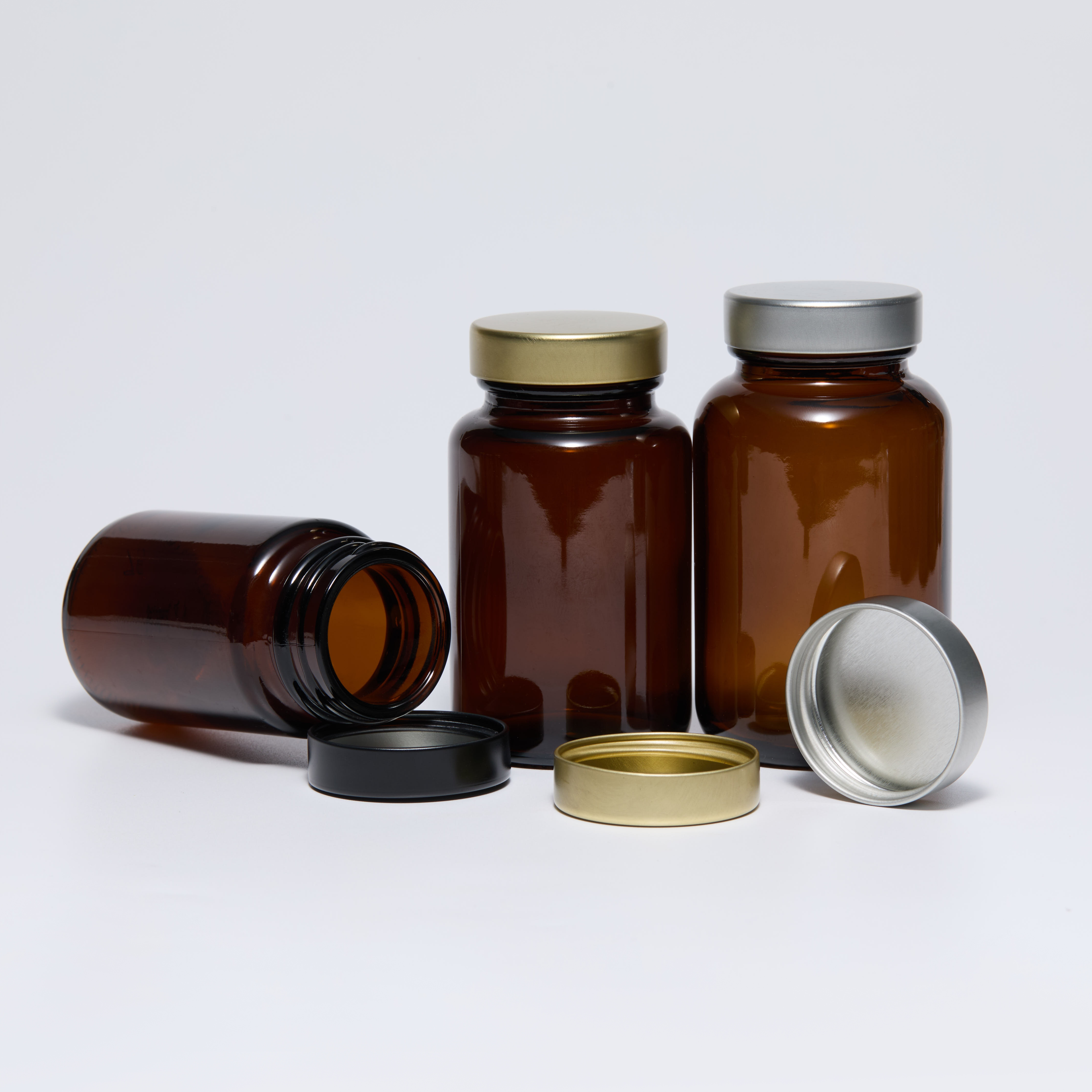
The testing of PET bottle caps represents a critical phase in packaging manufacturing that ensures product integrity, consumer safety, and brand reliability. As the packaging industry continues to evolve with stricter quality standards and increased consumer expectations, manufacturers must implement comprehensive testing protocols to verify that their PET bottle caps meet durability and consistency requirements across various applications and environmental conditions.

Physical Durability Testing Methods
Compression Resistance Evaluation
Compression resistance testing forms the foundation of physical durability assessment for PET bottle caps. This process involves subjecting caps to controlled vertical forces that simulate real-world scenarios such as stacking during transportation and storage. Testing equipment applies graduated pressure loads while monitoring the point at which structural deformation occurs. The data collected helps manufacturers establish load limits and optimize cap wall thickness to prevent crushing damage during normal handling operations.
Advanced compression testing protocols incorporate cyclic loading patterns that replicate repeated stress applications. These tests reveal potential fatigue points and material degradation patterns that might not be apparent under single-load scenarios. The results enable engineers to refine cap geometry and material selection to enhance long-term durability performance across diverse operating environments.
Impact Resistance Assessment
Impact testing evaluates how PET bottle caps respond to sudden shock loads that occur during shipping, handling, and consumer use. Drop testing apparatus releases caps from predetermined heights onto various surface materials to assess crack propagation, thread damage, and overall structural integrity. Temperature variations during impact testing provide insights into material brittleness under different environmental conditions.
Pendulum impact testing offers another dimension of assessment by delivering controlled energy impacts at specific velocities. This method helps quantify the energy absorption capacity of cap materials and identifies optimal resin formulations that balance flexibility with structural strength. The testing data supports design modifications that improve impact resistance while maintaining closure performance specifications.
Consistency Verification Protocols
Dimensional Accuracy Measurements
Dimensional consistency testing ensures that every PET bottle cap meets precise geometric specifications required for proper bottle fitment and seal integrity. Coordinate measuring machines equipped with high-resolution sensors capture detailed dimensional data across multiple measurement points on each cap sample. Thread pitch accuracy, diameter tolerances, and height variations are documented to verify manufacturing precision.
Statistical process control methods analyze dimensional data to identify trending patterns and potential process drift indicators. Control charts track key dimensions over time, enabling proactive adjustments to injection molding parameters before dimensional variations exceed acceptable limits. This approach maintains consistent cap performance while minimizing material waste and production downtime.
Thread Integrity Testing
Thread integrity represents a crucial consistency parameter that directly affects cap removal torque and resealing capability. Specialized testing equipment measures thread engagement forces and identifies any irregularities in thread formation that could compromise closure performance. Cross-threading resistance tests evaluate how caps respond to misaligned installation attempts that commonly occur during automated filling operations.
Thread durability testing involves repeated application and removal cycles that simulate extended product shelf life and multiple consumer interactions. The testing protocol monitors changes in removal torque, thread wear patterns, and seal effectiveness throughout the cycling process. This data helps establish cap lifespan expectations and supports quality assurance decisions for different application requirements.
Chemical Compatibility Testing
Migration Analysis Procedures
Chemical migration testing evaluates the interaction between PET bottle caps and various product formulations to ensure consumer safety and product stability. Gas chromatography and mass spectrometry equipment analyze cap material samples exposed to different chemical environments over extended time periods. The testing identifies any extractable compounds that could migrate into packaged products and affect taste, odor, or safety characteristics.
Accelerated aging protocols expose PET bottle caps to elevated temperatures and humidity levels that simulate long-term storage conditions in compressed timeframes. These tests reveal potential chemical interactions that might develop over months or years of actual storage, enabling manufacturers to select appropriate materials and additives that maintain product integrity throughout intended shelf life periods.
Solvent Resistance Evaluation
Solvent resistance testing assesses how cap materials respond to exposure to various organic and inorganic solvents commonly found in packaged products. Test specimens are immersed in representative solvents at different concentrations and temperatures while monitoring changes in mechanical properties, dimensional stability, and visual appearance. This testing ensures that caps maintain their functional properties when exposed to aggressive chemical environments.
Environmental stress cracking resistance testing combines chemical exposure with mechanical stress to identify potential failure modes under combined loading conditions. The results help manufacturers understand the limits of material performance and guide formulation adjustments that improve chemical resistance without compromising other essential properties.
Environmental Stress Testing
Temperature Cycling Protocols
Temperature cycling testing subjects PET bottle caps to repeated thermal transitions that simulate transportation and storage conditions across different climate zones. Testing chambers cycle between extreme temperature ranges while monitoring cap dimensions, seal performance, and material properties. The data reveals how thermal expansion and contraction affect cap functionality and identifies potential failure modes related to temperature stress.
Thermal shock testing involves rapid temperature changes that exceed normal cycling rates to evaluate material response to extreme thermal stress conditions. This testing helps identify the thermal limits of cap materials and supports design modifications that improve performance across broader temperature ranges commonly encountered in global distribution networks.
Humidity and Moisture Resistance
Humidity testing evaluates how moisture exposure affects cap material properties and dimensional stability over time. Controlled humidity chambers maintain specific moisture levels while monitoring changes in cap performance characteristics. The testing identifies potential issues such as material swelling, liner adhesion problems, and seal degradation that could compromise package integrity in humid environments.
Condensation resistance testing simulates conditions where temperature variations create moisture accumulation on cap surfaces. This testing ensures that caps maintain their grip characteristics and visual appearance when exposed to condensation cycles that commonly occur during refrigeration and temperature transitions in distribution chains.
Automated Quality Control Systems
Vision System Integration
Advanced vision systems provide real-time quality assessment of PET bottle caps during production processes. High-resolution cameras capture detailed images of each cap while specialized software analyzes dimensional parameters, surface defects, and color consistency. Machine learning algorithms continuously improve defect detection accuracy by analyzing historical data patterns and identifying subtle quality variations that might escape traditional inspection methods.
Multi-angle imaging systems evaluate caps from various perspectives to ensure comprehensive quality coverage. The integration of artificial intelligence enables predictive quality control that identifies potential issues before they result in defective products, supporting proactive process adjustments that maintain consistent quality standards.
Statistical Process Monitoring
Statistical process control software analyzes real-time production data to identify quality trends and process variations that could affect cap performance. Control charts display key quality parameters and alert operators when measurements approach specification limits, enabling immediate corrective actions that prevent quality deviations from affecting finished products.
Data analytics platforms integrate information from multiple testing stations to provide comprehensive quality insights that support continuous improvement initiatives. The analysis identifies correlations between process variables and quality outcomes, enabling optimization strategies that enhance both consistency and efficiency in cap production operations.
FAQ
What is the typical testing frequency for PET bottle caps during production?
Testing frequency varies based on production volume and quality requirements, but most manufacturers implement continuous automated testing for dimensional parameters and perform comprehensive durability testing on hourly or shift-based sampling schedules. Critical safety parameters may require testing on every production lot, while routine quality checks typically follow statistical sampling protocols that balance testing thoroughness with production efficiency.
How do temperature variations affect PET bottle cap testing results?
Temperature significantly impacts testing accuracy because PET materials exhibit thermal expansion and contraction that can affect dimensional measurements and mechanical properties. Testing laboratories maintain controlled temperature environments and often conduct tests at multiple temperature points to ensure results represent actual performance across expected operating conditions. Temperature compensation factors are applied to measurement data when necessary to maintain testing consistency.
What role do international standards play in PET bottle cap testing protocols?
International standards such as ASTM, ISO, and FDA guidelines provide standardized testing methodologies that ensure consistent quality assessment across different manufacturers and regions. These standards define specific testing procedures, acceptance criteria, and documentation requirements that facilitate quality verification and regulatory compliance. Adherence to recognized standards also supports quality comparisons and supplier evaluations in global supply chains.
How long does comprehensive durability testing typically take for new cap designs?
Complete durability testing programs for new PET bottle cap designs typically require 4-8 weeks depending on the scope of testing requirements and the number of different conditions evaluated. Accelerated aging tests can reduce testing timeframes by simulating long-term exposure conditions in compressed time periods, but certain real-time tests such as chemical migration analysis may require extended exposure periods to generate reliable results for regulatory approval and quality certification.
Table of Contents
- Physical Durability Testing Methods
- Consistency Verification Protocols
- Chemical Compatibility Testing
- Environmental Stress Testing
- Automated Quality Control Systems
-
FAQ
- What is the typical testing frequency for PET bottle caps during production?
- How do temperature variations affect PET bottle cap testing results?
- What role do international standards play in PET bottle cap testing protocols?
- How long does comprehensive durability testing typically take for new cap designs?