
 EN
EN

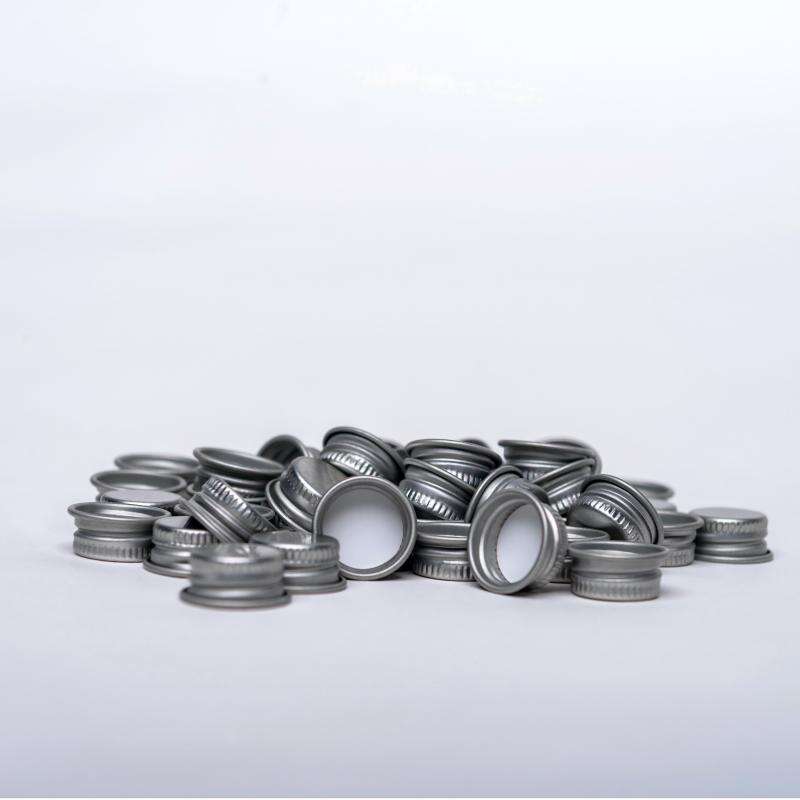
The packaging industry has witnessed remarkable transformations over the past decades, with screw caps emerging as one of the most versatile and reliable closure solutions across multiple sectors. These threaded closures have revolutionized how manufacturers approach product packaging, offering superior sealing properties, enhanced user convenience, and exceptional durability. From beverage containers to pharmaceutical bottles, screw caps have become the preferred choice for businesses seeking efficient, cost-effective packaging solutions that maintain product integrity while delivering exceptional consumer experiences.
Superior Sealing Technology and Product Protection
Advanced Barrier Properties
Modern screw caps incorporate sophisticated sealing mechanisms that create multiple barriers against external contaminants, moisture, and oxygen infiltration. The threaded design ensures consistent contact between the cap and container neck, while specialized liner materials provide additional protection layers. These advanced barrier properties significantly extend product shelf life, particularly crucial for beverages, pharmaceuticals, and food products that require optimal freshness preservation.
The precision engineering behind contemporary screw cap designs allows manufacturers to achieve hermetic sealing standards that surpass traditional closure methods. Multiple thread configurations accommodate various container specifications, ensuring proper torque application and consistent sealing performance across production lines. This technological advancement has made screw caps indispensable for products requiring long-term storage stability.
Tamper-Evident Security Features
Security remains paramount in modern packaging applications, and screw caps deliver comprehensive tamper-evident solutions through innovative design features. Break-away bands, induction sealing capabilities, and visual indicators provide immediate evidence of unauthorized access, protecting both consumers and brand integrity. These security mechanisms have become industry standards across pharmaceutical, food, and beverage sectors.
The integration of advanced tamper-evident technologies within screw cap designs enables manufacturers to comply with stringent regulatory requirements while maintaining user-friendly opening experiences. Specialized materials and construction techniques ensure that security features activate reliably without compromising the closure's primary sealing functions or consumer convenience.
Manufacturing Efficiency and Cost Optimization
Streamlined Production Processes
Screw caps offer significant advantages in automated production environments, where consistent application speeds and reliable sealing performance directly impact manufacturing efficiency. The standardized threading systems enable high-speed capping equipment to achieve precise torque specifications while maintaining quality control standards. This automation compatibility reduces labor costs and minimizes production bottlenecks commonly associated with alternative closure methods.
Modern capping machinery designed specifically for screw cap applications can process thousands of containers per hour while monitoring sealing parameters in real-time. This technological integration allows manufacturers to optimize production schedules, reduce waste, and maintain consistent quality standards across large-volume production runs. The reliability of screw cap application systems contributes significantly to overall equipment effectiveness in packaging operations.
Material Versatility and Customization Options
The diverse material options available for screw cap manufacturing enable businesses to optimize packaging solutions according to specific product requirements and brand positioning strategies. Aluminum, plastic, and composite materials each offer unique benefits regarding barrier properties, chemical resistance, and aesthetic possibilities. This versatility allows manufacturers to balance performance requirements with cost considerations effectively.
Customization capabilities extend beyond material selection to include specialized finishes, colors, embossing options, and integrated labeling solutions. These features enable brands to create distinctive packaging presentations while maintaining the functional benefits inherent in screw caps. Advanced manufacturing techniques support complex design requirements without compromising structural integrity or sealing performance.
Consumer Convenience and User Experience Enhancement
Effortless Opening and Resealing Capabilities
Consumer preference trends increasingly favor packaging solutions that provide convenient access while maintaining product freshness throughout the consumption period. Screw caps excel in delivering effortless opening experiences that require minimal force or specialized tools, making them accessible to users across all age demographics. The intuitive twisting motion eliminates the learning curve associated with alternative closure mechanisms.
The resealing functionality of screw caps addresses modern lifestyle demands for portion control and extended consumption periods. Users can confidently reseal containers multiple times without compromising product integrity, reducing waste and enhancing value perception. This convenience factor has driven widespread adoption across beverage, condiment, and personal care product categories.
Ergonomic Design Considerations
Contemporary screw cap designs incorporate ergonomic principles that enhance grip comfort and reduce opening effort required from consumers. Textured surfaces, optimized diameter specifications, and strategic ridge placement improve handling characteristics, particularly beneficial for users with limited dexterity or strength. These design refinements demonstrate the packaging industry's commitment to inclusive accessibility.
The compact profile of screw caps contributes to efficient storage and transportation logistics while maintaining aesthetic appeal on retail shelves. Streamlined designs minimize material usage without sacrificing functionality, supporting sustainability initiatives while delivering cost-effective packaging solutions that meet diverse market requirements.
Environmental Sustainability and Recycling Benefits
Material Recovery and Circular Economy Integration
Environmental consciousness drives significant innovation in screw cap manufacturing, with emphasis on recyclability, material efficiency, and sustainable production practices. Many screw cap materials integrate seamlessly into existing recycling infrastructure, supporting circular economy principles while reducing packaging waste streams. The standardized designs facilitate efficient sorting and processing in recycling facilities.
Lightweight construction techniques reduce material consumption per closure while maintaining structural integrity and sealing performance standards. This optimization minimizes environmental impact throughout the product lifecycle, from raw material extraction through end-of-life disposal or recycling. Manufacturers increasingly prioritize sustainable material sourcing and production methods in response to regulatory requirements and consumer preferences.
Reduced Food Waste Through Extended Shelf Life
The superior sealing capabilities of screw caps contribute significantly to food waste reduction by extending product shelf life and maintaining quality throughout storage periods. Effective barrier properties prevent spoilage, oxidation, and contamination that commonly affect products with less reliable closure systems. This preservation capability supports global sustainability goals while delivering economic benefits to both manufacturers and consumers.
Extended shelf life enabled by effective screw cap sealing reduces the frequency of product replacement cycles, minimizing packaging material consumption and transportation impacts associated with frequent restocking. The cumulative environmental benefits of improved product preservation demonstrate how packaging innovation contributes to broader sustainability objectives across supply chains.
Industry Applications and Market Adaptability
Pharmaceutical and Healthcare Applications
The pharmaceutical industry relies heavily on screw caps for critical medication packaging applications where product integrity, tamper evidence, and child-resistant features are mandatory requirements. Advanced liner technologies ensure chemical compatibility with various pharmaceutical formulations while maintaining hermetic sealing properties essential for drug stability. Regulatory compliance features integrate seamlessly with screw cap designs to meet stringent industry standards.
Child-resistant screw caps incorporate specialized opening mechanisms that prevent accidental access while remaining accessible to adult users following proper instructions. These safety features have become industry standards for prescription medications, over-the-counter drugs, and hazardous household products, demonstrating the versatility of screw cap technology in addressing diverse safety requirements.
Beverage Industry Innovation
Beverage manufacturers increasingly adopt screw caps for premium products traditionally associated with alternative closure methods, recognizing the superior preservation qualities and consumer convenience benefits. Wine producers, in particular, have embraced screw cap technology to eliminate cork-related quality issues while maintaining product prestige through sophisticated cap designs and materials.
Sports drinks, premium juices, and craft beverages benefit from screw cap features that support active consumption patterns and portion control preferences. The reliable resealing capability encourages consumer loyalty while reducing product waste, supporting brand positioning strategies focused on convenience and quality assurance.
FAQ
What materials are commonly used in screw cap manufacturing
Screw caps are manufactured from various materials including aluminum, different grades of plastic polymers, tinplate steel, and composite materials. Aluminum caps offer excellent barrier properties and premium appearance, while plastic options provide cost-effectiveness and design flexibility. Tinplate caps deliver superior strength and chemical resistance, making them ideal for aggressive product formulations. Material selection depends on specific application requirements, budget constraints, and brand positioning objectives.
How do screw caps compare to traditional cork closures in terms of product preservation
Screw caps provide superior and more consistent sealing performance compared to traditional cork closures, eliminating issues such as cork taint, oxidation variability, and storage position sensitivity. The controlled oxygen transmission rates achievable with screw caps enable predictable aging characteristics for wine and other beverages. Additionally, screw caps eliminate the risk of cork-related contamination while providing reliable long-term storage capabilities that maintain product quality throughout extended shelf life periods.
Are screw caps suitable for hot-fill packaging applications
Many screw cap designs are specifically engineered for hot-fill applications commonly used in juice, sauce, and preserve manufacturing. Heat-resistant materials and specialized liner compositions maintain sealing integrity throughout cooling cycles while accommodating thermal expansion and contraction. Proper cap and container design coordination ensures vacuum formation during cooling, creating additional security and freshness preservation. Manufacturers must select appropriate cap specifications matched to specific hot-fill temperature requirements and product characteristics.
What factors should manufacturers consider when selecting screw cap specifications
Key selection factors include thread specifications that match container neck designs, material compatibility with product formulations, required barrier properties for shelf life objectives, aesthetic requirements for brand presentation, regulatory compliance needs, and production line compatibility. Cost considerations must balance material specifications with volume requirements, while sustainability goals may influence material selection and design optimization. Collaboration between packaging engineers and cap suppliers ensures optimal specification development for specific applications.