
 EN
EN
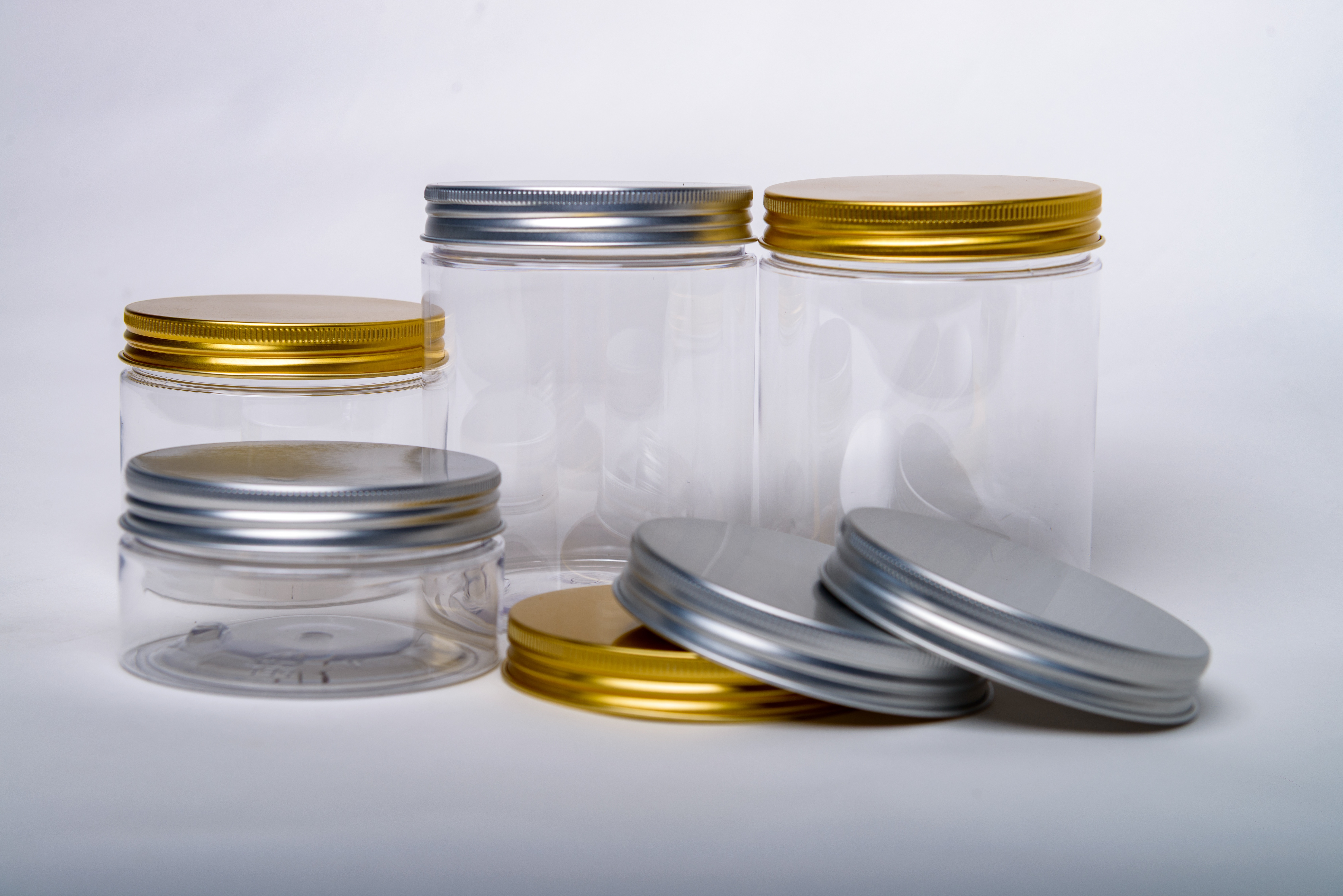
Manufacturing high-quality metal bottle caps that meet international export standards requires precision engineering, advanced materials, and strict adherence to regulatory compliance protocols. Modern production facilities must balance efficiency with quality control to deliver caps that satisfy diverse global market requirements. The complexity of creating export-ready metal bottle caps involves understanding regional specifications, safety standards, and material certifications that vary significantly across different international markets.

Essential Material Selection for Export-Quality Production
Aluminum Alloy Specifications for International Markets
Selecting appropriate aluminum alloys forms the foundation of manufacturing durable metal bottle caps that withstand international shipping and storage conditions. Premium-grade aluminum alloys such as 3104 and 5182 offer superior corrosion resistance and formability characteristics essential for export applications. These materials must meet specific tensile strength requirements ranging from 270-320 MPa while maintaining excellent deep-drawing properties during the forming process.
The aluminum thickness typically ranges from 0.20mm to 0.30mm depending on the intended application and regional preferences. European markets often prefer slightly thicker materials for enhanced tamper-evidence, while Asian markets may prioritize lightweight solutions for cost-effective transportation. Understanding these regional nuances helps manufacturers optimize their material selection strategy for maximum market penetration.
Coating Systems and Surface Treatment Requirements
Advanced coating systems protect metal bottle caps from environmental factors during extended storage and international transit. Polymer-based coatings such as BPA-free vinyl organosols provide excellent chemical resistance while meeting food safety regulations across multiple jurisdictions. The coating thickness must be precisely controlled between 5-15 microns to ensure optimal performance without compromising the cap's functionality.
Surface treatment processes including chromating and phosphating enhance adhesion properties between the aluminum substrate and protective coatings. These treatments also provide additional corrosion resistance in humid environments commonly encountered during ocean freight transportation. Proper surface preparation significantly extends the shelf life of finished products in diverse climatic conditions.
Advanced Manufacturing Processes and Quality Control
Precision Stamping and Forming Techniques
High-speed stamping presses operating at speeds exceeding 2000 strokes per minute enable efficient production of metal bottle caps while maintaining dimensional accuracy. Progressive die systems incorporate multiple forming stations that gradually shape the aluminum blanks into finished caps through controlled deformation processes. Each forming stage must be carefully calibrated to prevent material tearing or excessive work hardening that could compromise seal integrity.
Thread forming represents a critical aspect of cap manufacturing where precision tooling creates helical grooves that ensure proper engagement with bottle neck threads. The thread pitch accuracy must remain within ±0.02mm tolerances to guarantee consistent sealing performance across production batches. Advanced servo-driven systems provide the precise control necessary for achieving these demanding dimensional requirements.
Automated Quality Inspection Systems
Implementing comprehensive quality control measures throughout the manufacturing process ensures that metal bottle caps meet stringent export specifications. Vision inspection systems utilize high-resolution cameras and advanced image processing algorithms to detect dimensional variations, surface defects, and coating irregularities in real-time. These automated systems can identify defects as small as 0.1mm while processing caps at production line speeds.
Statistical process control methods track key parameters including cap height, diameter, thread pitch, and torque removal values throughout production runs. Data collection systems generate comprehensive reports that demonstrate compliance with international quality standards such as ISO 9001 and HACCP requirements. This documentation proves invaluable when obtaining export certifications and satisfying customer audit requirements.
International Compliance and Certification Standards
Food Safety Regulations Across Global Markets
Navigating complex food safety regulations requires thorough understanding of regional requirements that govern metal bottle caps intended for beverage and food packaging applications. FDA regulations in the United States mandate specific migration limits for substances that may transfer from packaging materials to food products. European Union directives establish additional requirements for heavy metal content and overall migration testing protocols.
Japanese food safety standards emphasize microbiological testing and chemical analysis of packaging materials under accelerated aging conditions. These tests simulate long-term storage effects and help predict product performance throughout the intended shelf life. Manufacturers must maintain detailed test records and certificates of compliance for each material lot used in production.
Environmental and Sustainability Requirements
Growing environmental consciousness among consumers and regulatory bodies drives demand for sustainable manufacturing practices in metal bottle caps production. Recycling protocols must accommodate aluminum recovery rates exceeding 95% while maintaining material quality for subsequent manufacturing cycles. Life cycle assessments demonstrate the environmental advantages of aluminum packaging compared to alternative materials.
Carbon footprint reduction initiatives influence manufacturing decisions including energy source selection, transportation optimization, and waste stream management. Many export markets now require environmental impact documentation as part of their import approval processes. Implementing comprehensive sustainability programs positions manufacturers competitively in environmentally conscious markets.
Production Optimization and Cost Management Strategies
Lean Manufacturing Implementation
Adopting lean manufacturing principles significantly improves production efficiency while reducing waste generation in metal bottle caps manufacturing operations. Value stream mapping identifies non-value-added activities that can be eliminated or optimized to streamline production flow. Single-minute exchange of die systems enables rapid changeovers between different cap specifications, reducing downtime and improving overall equipment effectiveness.
Continuous improvement programs engage production teams in identifying opportunities for efficiency gains and quality enhancements. Regular kaizen events focus on specific production challenges while fostering a culture of innovation and problem-solving. These initiatives often result in measurable improvements in throughput, quality metrics, and customer satisfaction scores.
Supply Chain Management and Vendor Relations
Establishing robust supply chain partnerships ensures consistent availability of high-quality raw materials necessary for producing export-grade metal bottle caps. Supplier qualification programs evaluate potential vendors based on quality systems, delivery performance, and technical capabilities. Long-term agreements with qualified suppliers provide price stability and guaranteed material supply during peak demand periods.
Inventory management systems optimize raw material stock levels while minimizing carrying costs and obsolescence risks. Just-in-time delivery schedules coordinate material arrivals with production requirements, reducing warehouse space requirements and improving cash flow management. Strategic supplier relationships often provide access to new technologies and materials that enhance product competitiveness.
Technology Integration and Industry 4.0 Applications
IoT Sensors and Real-Time Monitoring
Internet of Things sensors throughout production equipment provide real-time data on machine performance, environmental conditions, and product quality parameters. Temperature and humidity monitoring ensures optimal conditions for coating applications and adhesive curing processes. Vibration analysis systems predict maintenance requirements before equipment failures occur, minimizing unplanned downtime.
Cloud-based data analytics platforms process sensor information to identify trends and optimization opportunities across manufacturing operations. Predictive maintenance algorithms schedule service activities based on actual equipment condition rather than arbitrary time intervals. These systems significantly reduce maintenance costs while improving equipment reliability and production consistency.
Artificial Intelligence and Machine Learning Applications
Machine learning algorithms analyze production data to optimize process parameters for improved quality and efficiency in metal bottle caps manufacturing. Neural networks identify subtle patterns in quality data that human operators might miss, enabling proactive adjustments before defects occur. These systems continuously learn from production experience, becoming more effective over time.
Computer vision systems powered by artificial intelligence provide enhanced defect detection capabilities compared to traditional inspection methods. Deep learning models trained on thousands of product images can identify complex defect patterns and classify quality issues with high accuracy. This technology enables 100% inspection at production line speeds while reducing false rejection rates.
FAQ
What are the most critical quality parameters for export-grade metal bottle caps
The most critical quality parameters include dimensional accuracy within ±0.05mm tolerances, thread pitch consistency, coating thickness uniformity, and torque removal values that meet international specifications. Additionally, migration testing results, heavy metal content analysis, and microbiological safety certification are essential for export approval. Manufacturers must also demonstrate consistent performance across production batches through statistical process control documentation.
How do international shipping conditions affect metal bottle caps design requirements
International shipping exposes metal bottle caps to extreme temperature variations, humidity fluctuations, and mechanical stress during handling and transportation. Design requirements must account for thermal expansion and contraction cycles that could affect seal integrity. Corrosion resistance becomes critical in marine environments, necessitating enhanced coating systems and material selection. Packaging designs must also protect caps from mechanical damage during long-distance transportation.
What certification processes are required for entering different global markets
Certification requirements vary significantly across global markets, with FDA registration needed for US market entry, CE marking for European Union compliance, and JIS standards for Japanese markets. Most regions require food contact material certifications, migration testing reports, and manufacturing facility audits. Documentation must include material certificates, quality system certifications, and environmental compliance statements. The certification process typically requires 3-6 months depending on the target market and product complexity.
How can manufacturers optimize production costs while maintaining export quality standards
Cost optimization strategies include implementing lean manufacturing principles to eliminate waste, investing in automated quality control systems to reduce inspection costs, and establishing long-term supplier partnerships for material cost stability. Energy-efficient equipment and optimized production scheduling reduce operating expenses while maintaining quality standards. Additionally, standardizing designs across multiple markets reduces tooling costs and simplifies inventory management without compromising performance requirements.
Table of Contents
- Essential Material Selection for Export-Quality Production
- Advanced Manufacturing Processes and Quality Control
- International Compliance and Certification Standards
- Production Optimization and Cost Management Strategies
- Technology Integration and Industry 4.0 Applications
-
FAQ
- What are the most critical quality parameters for export-grade metal bottle caps
- How do international shipping conditions affect metal bottle caps design requirements
- What certification processes are required for entering different global markets
- How can manufacturers optimize production costs while maintaining export quality standards