
 EN
EN
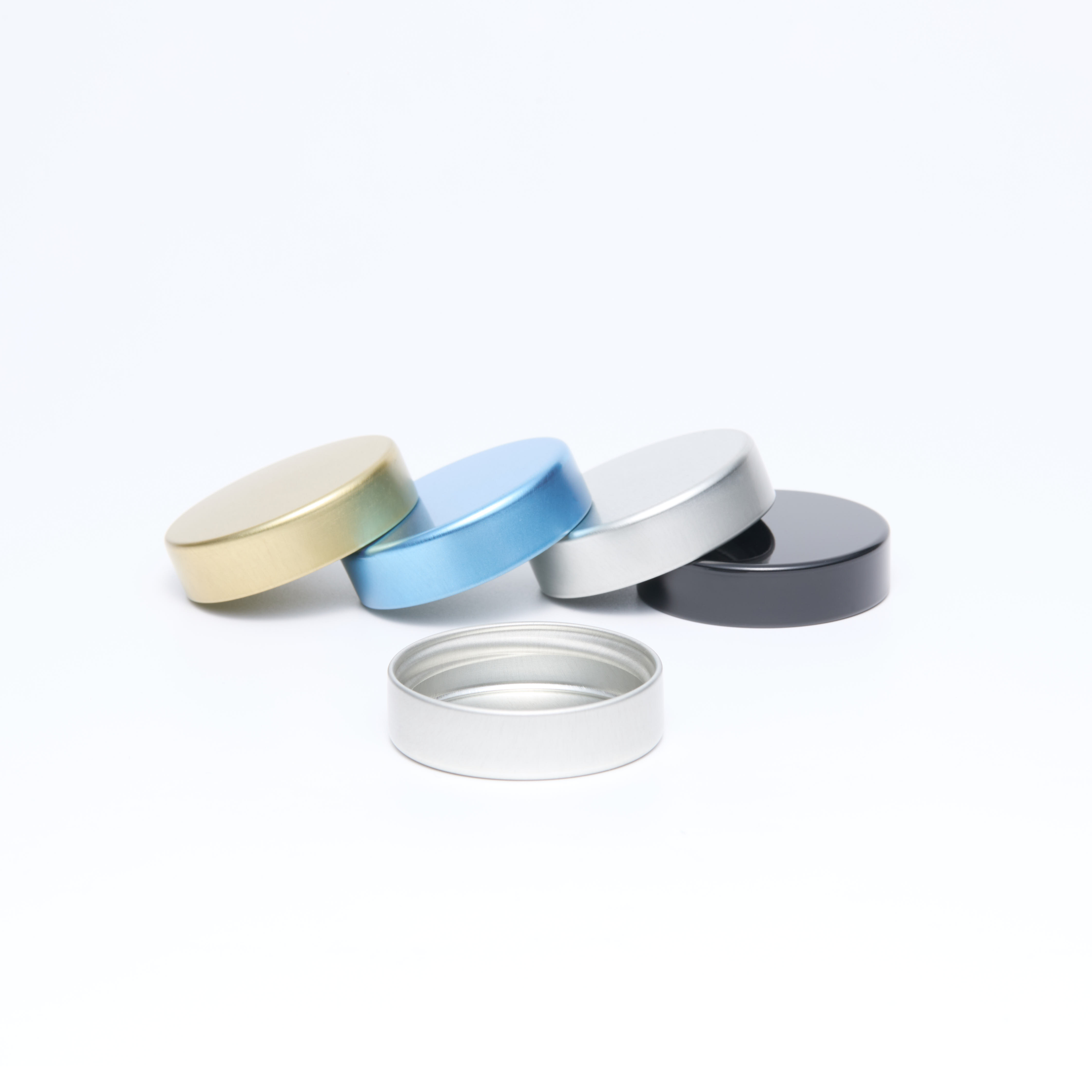
Glass bottle caps play a critical role in preserving product quality, maintaining seal integrity, and ensuring safe delivery from the production line to the end consumer. When glass bottle caps fail or perform inconsistently, the consequences extend beyond simple leakage — they can damage brand reputation, trigger recalls, and increase production costs. Understanding the most common issues with glass bottle caps is the first step toward building a reliable, high-performance packaging solution.
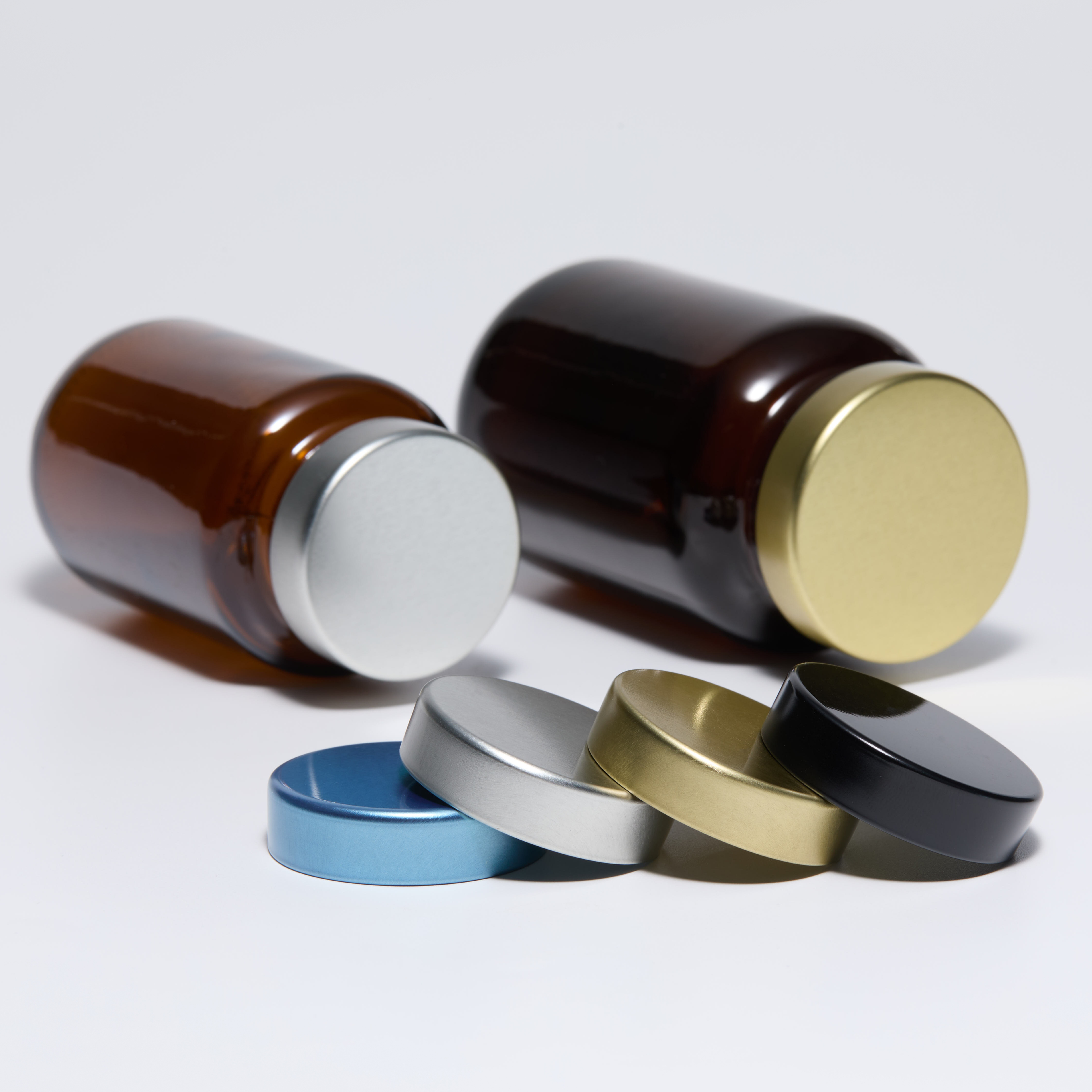
This article examines the key problems that manufacturers, bottlers, and distributors encounter with glass bottle caps across industries such as food and beverage, pharmaceuticals, cosmetics, and specialty chemicals. For each issue, we provide clear, practical guidance on how to resolve it. Whether you are sourcing glass bottle caps for the first time or troubleshooting an existing line, these insights will help you make better decisions.
Sealing Failures in Glass Bottle Caps
Why Glass Bottle Caps Lose Their Seal
One of the most frequent problems with glass bottle caps is inadequate sealing. Glass bottle caps that fail to form a consistent seal allow air, moisture, and contaminants to enter, compromising product freshness and safety. The root causes are varied. Misalignment during the capping process is a common contributor, where glass bottle caps are applied at a slight angle, preventing full thread engagement. Worn or incorrect liner materials inside glass bottle caps also reduce the compression needed to maintain an airtight seal.
Induction-sealed glass bottle caps offer a strong solution to many sealing problems. When glass bottle caps are equipped with heat induction liners, an electromagnetic field fuses the liner directly to the bottle mouth, creating a tamper-evident, airtight barrier. This approach is widely used for glass bottle caps across pharmaceutical and food-grade applications because of its reliability and consumer-visible tamper indication. Ensuring that glass bottle caps include properly rated induction liners matched to the bottle neck finish is essential to achieving consistent seal performance.
Thread Mismatch Between Caps and Bottle Necks
Glass bottle caps and bottle necks must share compatible thread profiles. When glass bottle caps are applied to bottles with mismatched threads — whether due to different standards or manufacturing tolerances — cross-threading occurs, weakening the seal and risking cap ejection under pressure. Glass bottle caps specified with industry-standard thread finishes such as 28mm, 38mm, or 45mm are far less likely to encounter compatibility issues. Always verify thread specifications when sourcing glass bottle caps for new bottle formats.
Physical Defects in Glass Bottle Caps
Cracking, Warping, and Surface Damage
Glass bottle caps, especially those made from aluminum or plastic, can develop physical defects that compromise function and appearance. Aluminum glass bottle caps may show cracking or micro-fractures if the raw material gauge is too thin or if the stamping process applies uneven pressure. Plastic glass bottle caps are susceptible to warping when exposed to elevated temperatures during storage or transport, which alters dimensional tolerances and prevents proper thread engagement. These physical defects in glass bottle caps not only affect sealing but also reduce shelf appeal, which is especially important in premium beverage and cosmetic packaging.
To prevent physical damage, glass bottle caps should be stored in temperature-controlled environments away from direct sunlight and humidity. Sourcing glass bottle caps from suppliers with strict dimensional quality control — including torque testing, drop testing, and visual inspection protocols — significantly reduces the likelihood of defective glass bottle caps reaching the production floor. Requesting batch-level quality certifications for glass bottle caps is a best practice that many experienced buyers follow.
Corrosion and Compatibility Issues
Aluminum glass bottle caps used with acidic or high-moisture contents are at risk of internal corrosion if the liner or internal coating is insufficient. Glass bottle caps applied to bottles containing vinegar, fruit acids, or alcohol must have liners specifically rated for chemical resistance. When glass bottle caps corrode internally, the corrosion products can contaminate the contents and create leakage pathways. Selecting glass bottle caps with appropriate EPE foam, PVC, or induction liner types for the specific product chemistry is non-negotiable for industries with strict contamination standards.
Application and Torque Problems with Glass Bottle Caps
Over-Tightening and Under-Tightening
Applying the correct torque when closing glass bottle caps is one of the most overlooked factors in packaging operations. Glass bottle caps that are over-tightened can crack, strip threads, or deform liners, reducing seal effectiveness. Glass bottle caps that are under-tightened will loosen during transport and distribution, leading to leaks and contamination. Both scenarios result in customer complaints and product losses. Establishing calibrated torque specifications for glass bottle caps on each line and performing regular torque verification checks are essential preventive measures.
Automated capping machines should be calibrated specifically for the dimensions and material of the glass bottle caps being used. Soft aluminum glass bottle caps require different torque settings than rigid plastic glass bottle caps. When changing cap formats, recalibrating the capping head for the new glass bottle caps prevents both over-tightening and under-tightening issues. Investing in reliable capping equipment that is compatible with the glass bottle caps you use is as important as the cap quality itself.
Inconsistent Application on High-Speed Lines
High-speed production lines introduce additional challenges for glass bottle caps. At high throughput rates, even minor variations in cap feeding, orientation, or placement can cause a significant number of poorly sealed glass bottle caps. Misfeeds occur when glass bottle caps jam in the sorter or chute, often due to static electricity, moisture, or dimensional inconsistency in the caps themselves. Regular maintenance of cap feeding equipment and using glass bottle caps with tight dimensional tolerances help maintain consistent application quality at scale.
FAQ
Why do glass bottle caps sometimes feel loose after filling?
Glass bottle caps can feel loose after filling if the torque applied during capping is insufficient, if the liner has compressed unevenly, or if thermal contraction occurred after hot-fill processes. Recalibrating capping machine torque settings and verifying liner compatibility with the fill temperature are the most effective corrective steps for glass bottle caps that loosen post-fill.
How do I choose the right liner for glass bottle caps?
The right liner for glass bottle caps depends on the product chemistry, fill temperature, and regulatory requirements. Heat induction liners are ideal for tamper-evident glass bottle caps in food and pharmaceutical use. EPE foam liners suit dry goods and moderate-temperature fills. Always match the liner material of glass bottle caps to the specific product to avoid contamination, leakage, or seal failure.
Can glass bottle caps be reused after opening?
Most glass bottle caps are designed for single-use sealing, especially those with induction liners or tamper-evident bands. Once the seal of glass bottle caps is broken, the liner is no longer capable of forming an equivalent airtight seal. While the outer shell of glass bottle caps may appear undamaged, reusing them for sealed storage is not recommended in food, pharmaceutical, or cosmetic applications where contamination risk must be minimized.