
 EN
EN
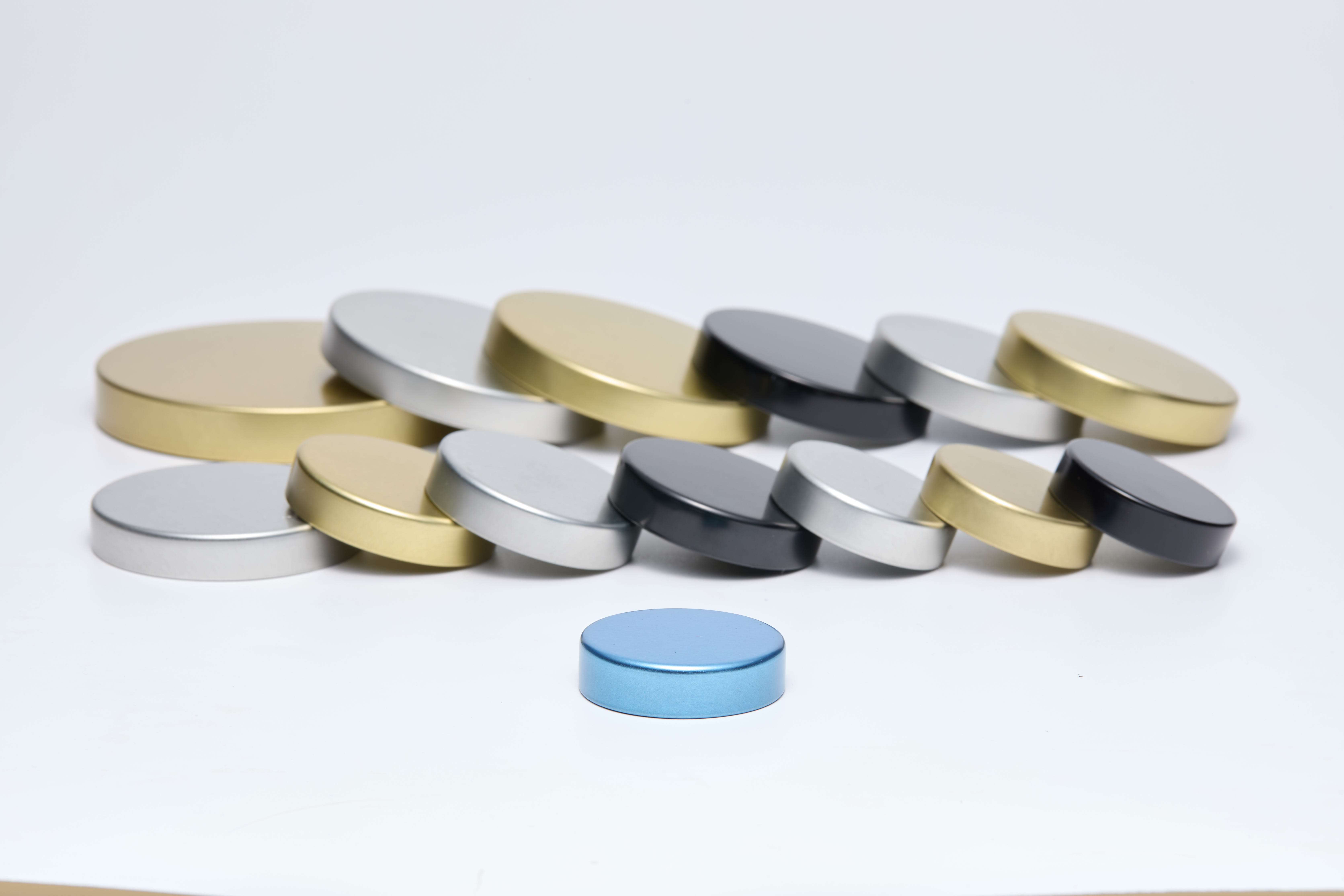
In today's competitive packaging industry, finding reliable bottle cap manufacturers is crucial for businesses seeking consistent quality and timely delivery. Whether you're a beverage company, pharmaceutical manufacturer, or cosmetics brand, the right manufacturing partner can significantly impact your product's success in the market. Understanding the key factors that distinguish reputable suppliers from unreliable ones will help you make informed decisions that protect your brand reputation and ensure customer satisfaction.
Understanding Manufacturing Capabilities and Specializations
Production Capacity Assessment
When evaluating potential suppliers, production capacity stands as one of the most critical factors to consider. Leading bottle cap manufacturers typically operate multiple production lines capable of handling various order volumes, from small batch runs to large-scale industrial requirements. You should inquire about their daily, monthly, and annual production capabilities to ensure they can meet your current needs while accommodating future growth.
Modern manufacturing facilities often utilize automated systems that can produce thousands of caps per hour while maintaining consistent quality standards. These advanced production capabilities allow manufacturers to offer competitive pricing through economies of scale while ensuring reliable delivery schedules. Additionally, established manufacturers usually maintain buffer capacity to handle unexpected demand spikes or rush orders without compromising quality.
Material Expertise and Options
Different applications require specific materials, and experienced manufacturers understand these nuanced requirements. Professional suppliers work with various materials including aluminum, tinplate, plastic polymers, and specialty compounds designed for specific industries. They should demonstrate deep knowledge of material properties, compatibility issues, and regulatory compliance requirements for different markets.
The best manufacturers maintain relationships with certified raw material suppliers and can provide detailed specifications for each material option. They should also offer guidance on material selection based on your specific application, storage requirements, and target market regulations. This expertise becomes particularly valuable when developing products for international markets with varying compliance standards.
Quality Control Systems and Certifications
Industry Standards Compliance
Reputable bottle cap manufacturers maintain comprehensive quality management systems that meet or exceed industry standards. ISO certifications, FDA approvals, and other relevant quality credentials demonstrate a manufacturer's commitment to consistent quality delivery. These certifications require regular audits and continuous improvement processes that benefit your supply chain reliability.
Beyond basic certifications, many manufacturers implement advanced quality control measures including statistical process control, automated inspection systems, and comprehensive testing protocols. These systems help identify potential issues before they impact production, reducing the risk of defective products reaching your facility. When sourcing caps for food, beverage, or pharmaceutical applications, ensure your chosen manufacturer meets all relevant regulatory requirements.
Testing and Validation Processes
Professional manufacturers employ rigorous testing protocols throughout the production process, from incoming raw materials to finished product validation. These tests typically include dimensional accuracy checks, torque testing, liner integrity verification, and chemical compatibility assessments. Understanding a manufacturer's testing capabilities helps ensure they can meet your specific performance requirements.
Advanced testing facilities may also offer specialized services such as shelf-life studies, migration testing, and custom performance evaluations. bottle cap manufacturers with comprehensive testing capabilities can provide detailed documentation supporting your product development and regulatory approval processes.
Supply Chain Management and Logistics
Inventory Management Systems
Efficient inventory management distinguishes professional manufacturers from less organized suppliers. Established companies typically maintain strategic inventory levels of raw materials and finished goods to ensure consistent supply availability. They should provide visibility into inventory levels and production schedules, allowing you to plan your own operations more effectively.
Modern inventory management systems enable manufacturers to track materials from receipt through production to final shipment. This traceability becomes crucial when addressing quality issues or managing product recalls. Additionally, sophisticated inventory systems help manufacturers optimize production schedules and minimize waste, contributing to more competitive pricing structures.
Shipping and Distribution Networks
Reliable manufacturers maintain established relationships with multiple shipping providers and can offer flexible delivery options to meet your specific requirements. They should demonstrate experience handling various shipping scenarios, from expedited deliveries to cost-optimized standard shipments. International shipping capabilities become particularly important for businesses operating across multiple markets.
Professional suppliers often provide detailed tracking information and proactive communication regarding shipment status. They understand that supply chain visibility helps their customers manage inventory levels and production schedules more effectively. Some manufacturers also offer vendor-managed inventory programs, where they maintain stock levels at your facility or nearby distribution centers.

Technical Support and Customer Service
Engineering and Design Assistance
Leading manufacturers provide comprehensive technical support throughout the product development and production process. Their engineering teams can assist with cap design optimization, material selection, and manufacturing process improvements. This technical expertise becomes particularly valuable when developing new products or troubleshooting performance issues.
Experienced manufacturers often maintain dedicated customer support teams familiar with various industry applications and requirements. These teams can provide rapid responses to technical questions, quality concerns, or production challenges. The availability of knowledgeable technical support can significantly reduce your internal resource requirements while ensuring optimal product performance.
Communication and Responsiveness
Effective communication forms the foundation of successful manufacturing partnerships. Reliable suppliers maintain clear communication channels and provide regular updates on order status, production schedules, and any potential issues. They should assign dedicated account managers who understand your business requirements and can coordinate effectively with their internal teams.
Professional manufacturers also demonstrate flexibility in adapting to changing requirements or addressing unexpected challenges. This responsiveness becomes crucial during new product launches, seasonal demand fluctuations, or market disruptions. The ability to communicate proactively and adapt quickly distinguishes exceptional suppliers from average ones.
Cost Structure and Value Proposition
Pricing Transparency and Competitiveness
Professional manufacturers provide transparent pricing structures that clearly outline base costs, volume discounts, and any additional charges for special services or rush orders. They should be able to explain their pricing methodology and provide detailed quotations that enable accurate cost comparisons. Understanding the complete cost structure helps avoid unexpected charges and enables better budget planning.
While competitive pricing remains important, the lowest price doesn't always represent the best value. Consider the total cost of ownership, including quality consistency, delivery reliability, technical support, and the potential costs of supplier changes. Established manufacturers often provide better long-term value through consistent quality and reliable service, even if their initial pricing appears higher.
Payment Terms and Financial Stability
Flexible payment terms and demonstrated financial stability indicate a manufacturer's commitment to long-term customer relationships. Professional suppliers typically offer various payment options and can accommodate different financial arrangements based on order volumes and relationship history. They should also provide references and financial information demonstrating their stability and reliability.
Financially stable manufacturers are better positioned to invest in equipment upgrades, quality improvements, and capacity expansion. This stability also reduces the risk of supply disruptions due to financial difficulties or ownership changes. When evaluating potential partners, consider their financial health as an important factor in supplier selection decisions.
FAQ
What minimum order quantities should I expect from bottle cap manufacturers
Most professional bottle cap manufacturers establish minimum order quantities based on production efficiency and setup costs. Standard minimums typically range from 10,000 to 100,000 pieces depending on cap size, material, and customization requirements. Custom designs or specialized materials often require higher minimums to justify tooling and setup costs. However, many manufacturers offer flexibility for established customers or can suggest alternative approaches to meet smaller quantity needs.
How long does it typically take to receive caps after placing an order
Standard delivery times vary based on order complexity, customization requirements, and current production schedules. For stock items, delivery typically ranges from 2-4 weeks, while custom orders may require 6-8 weeks or longer depending on tooling requirements. Rush orders may be accommodated for additional fees, but advance planning remains the most cost-effective approach. Established manufacturers usually provide accurate delivery estimates and proactive updates if schedules change.
What documentation should I expect to receive with cap shipments
Professional manufacturers provide comprehensive documentation including certificates of compliance, material specifications, test results, and traceability information. For regulated industries, additional documentation such as FDA compliance certificates, migration test results, or third-party quality certifications may be required. The specific documentation depends on your industry requirements and the intended application of the caps.
How can I verify a manufacturer's quality claims before committing to large orders
Request samples for evaluation, ask for customer references, and consider facility visits or third-party audits. Many manufacturers welcome quality assessments and can provide detailed information about their processes, certifications, and quality control systems. Starting with smaller trial orders allows you to evaluate quality, service, and reliability before committing to larger volumes. Additionally, reviewing their certification documents and speaking with existing customers provides valuable insights into their actual performance.