
 EN
EN
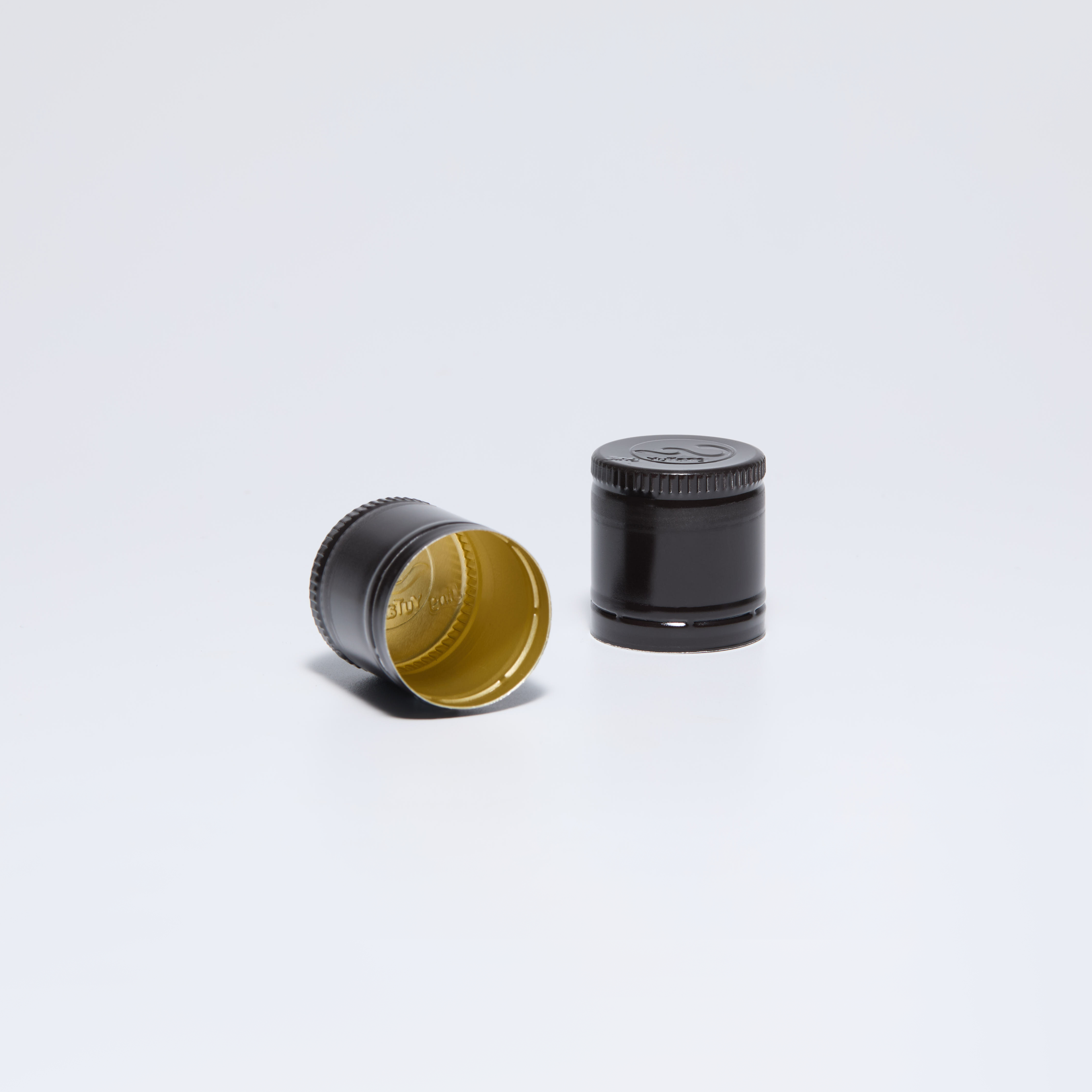
Manufacturing industries rely heavily on effective sealing solutions to maintain product integrity, freshness, and safety throughout the supply chain. Among the most critical components in packaging are bottle caps, which serve as the primary barrier between packaged contents and external environmental factors. Understanding the various types of bottle caps available in manufacturing helps businesses make informed decisions that directly impact product quality, consumer satisfaction, and operational efficiency. Modern manufacturing processes have developed sophisticated capping solutions that cater to diverse industry requirements, from pharmaceutical applications to food and beverage production.
Screw-On Caps in Industrial Applications
Threaded Closure Systems
Threaded closure systems represent the most widely adopted sealing mechanism in manufacturing environments due to their reliability and versatility. These caps feature precision-engineered threads that create secure connections with compatible bottle necks, ensuring consistent sealing performance across high-volume production lines. Manufacturing facilities benefit from the standardized thread specifications that allow for automated capping equipment integration and reduced quality control complexities. The threading mechanism provides multiple engagement points that distribute sealing pressure evenly, creating superior barrier properties against moisture, oxygen, and other contaminants.
Industrial threaded caps are manufactured using various materials including polyethylene, polypropylene, and specialized thermoplastics that offer chemical resistance properties. Advanced manufacturing techniques such as injection molding and compression molding ensure dimensional accuracy and consistent thread formation across large production batches. Quality control measures in threaded cap production include torque testing, thread gauge verification, and leak detection protocols that maintain manufacturing standards. The compatibility between threaded caps and automated filling lines makes them particularly valuable for high-speed production environments where efficiency and reliability are paramount.
Tamper-Evident Features
Tamper-evident features integrated into screw-on cap designs provide additional security layers that are essential for consumer protection and regulatory compliance. These features typically include breakaway bands, tear strips, or visible indicators that clearly show if a product has been opened or compromised during distribution. Manufacturing processes incorporate these security elements during the molding phase, ensuring they are integral parts of the cap structure rather than separate components that could fail or be removed. The implementation of tamper-evident features requires precise engineering to balance security effectiveness with consumer convenience during legitimate product opening.
Modern tamper-evident technologies include shrink bands, induction seals, and mechanical locks that activate during the capping process. These systems undergo rigorous testing protocols to verify their effectiveness under various environmental conditions and handling scenarios. Manufacturing facilities must consider the additional complexity these features introduce to production lines, including specialized application equipment and quality verification systems. The cost-benefit analysis of tamper-evident features often favors their implementation due to enhanced product security, reduced liability risks, and improved consumer confidence in product integrity.
Snap-On and Push-Pull Cap Technologies
Mechanical Engagement Systems
Mechanical engagement systems in snap-on cap designs utilize precision-engineered features that create secure connections through physical interlocking mechanisms. These systems typically employ flexible tabs, locking ridges, or compression seals that engage with corresponding features on bottle necks during the capping process. Manufacturing advantages of snap-on designs include faster application speeds, reduced capping torque requirements, and simplified automation equipment compared to threaded alternatives. The mechanical engagement provides immediate feedback to production operators, confirming proper cap placement and sealing effectiveness.
Push-pull cap technologies offer convenient dispensing solutions while maintaining secure sealing when closed. These sophisticated designs incorporate spring-loaded mechanisms, valve systems, or sliding closures that enable controlled product dispensing without complete cap removal. Manufacturing considerations for push-pull caps include material selection for moving components, precision molding for smooth operation, and durability testing under repeated use cycles. The complexity of these mechanisms requires specialized tooling and quality control procedures to ensure consistent performance across production batches.
Application Versatility
The versatility of snap-on and push-pull cap systems makes them suitable for diverse manufacturing applications ranging from personal care products to industrial chemicals. Design flexibility allows manufacturers to customize cap features based on specific product requirements, including dispensing characteristics, child-resistance capabilities, and aesthetic preferences. Material selection options include various plastics, elastomers, and composite materials that provide optimal performance for different chemical compatibility requirements. Manufacturing scalability enables production volume adjustments based on market demand without significant equipment modifications.
Integration with existing production lines requires careful consideration of capping equipment specifications and bottle compatibility factors. Snap-on and push-pull cap systems often require specialized application techniques that differ from traditional threading methods, necessitating operator training and equipment calibration procedures. Quality assurance protocols for these cap types focus on engagement force measurements, seal integrity testing, and functional performance validation. The adoption of these advanced capping technologies can significantly enhance product differentiation and consumer appeal while maintaining manufacturing efficiency standards.
Specialty Caps for Specific Industries
Pharmaceutical and Medical Applications
Pharmaceutical manufacturing requires specialized bottle caps that meet stringent regulatory requirements and provide exceptional barrier properties for sensitive medications. Child-resistant closures represent a critical safety feature that must comply with specific testing standards while remaining accessible to adult users with varying physical capabilities. These caps incorporate complex mechanisms such as push-and-turn actions, squeeze-and-pull operations, or alignment-based opening systems that effectively prevent accidental access by children. Manufacturing pharmaceutical caps requires adherence to Good Manufacturing Practice guidelines and comprehensive documentation of all production processes.
Medical-grade materials used in pharmaceutical cap production undergo extensive biocompatibility testing and chemical resistance evaluation to ensure they do not interact with active pharmaceutical ingredients. Specialized liner materials including foam, pulp, and polymer seals provide additional protection against moisture ingress and oxygen exposure that could degrade medication effectiveness. Manufacturing facilities producing pharmaceutical caps must maintain controlled environments with appropriate air filtration systems and personnel hygiene protocols. Quality control procedures include extractable and leachable testing, closure integrity verification, and stability studies under accelerated aging conditions.
Food and Beverage Industry Requirements
Food and beverage manufacturing demands caps that maintain product freshness while meeting food safety regulations and consumer convenience expectations. Specialized barrier coatings and liner materials prevent flavor migration, oxygen transmission, and moisture loss that could compromise product quality during storage and distribution. Manufacturing processes for food-grade caps include thorough cleaning protocols, contamination prevention measures, and traceability systems that enable rapid response to quality issues. The integration of freshness indicators and date coding systems provides additional value for both manufacturers and consumers.
Beverage industry applications require caps capable of withstanding internal pressure from carbonated products while providing reliable sealing performance throughout the product lifecycle. Specialized venting systems in some cap designs allow controlled gas release to prevent over-pressurization while maintaining carbonation levels. Manufacturing considerations include pressure testing protocols, accelerated shelf-life studies, and compatibility verification with various beverage formulations. The development of lightweight cap designs reduces material consumption and transportation costs while maintaining performance standards required for beverage applications.
Material Selection and Manufacturing Processes
Polymer Materials and Properties
Polymer selection for bottle cap manufacturing involves careful evaluation of mechanical properties, chemical resistance, and processing characteristics that directly impact cap performance and production efficiency. Polyethylene and polypropylene represent the most commonly used thermoplastics due to their excellent chemical resistance, flexibility, and cost-effectiveness in high-volume production applications. Advanced polymer grades incorporate additives such as antioxidants, UV stabilizers, and impact modifiers that enhance cap durability under various environmental conditions. Material specifications must consider the intended application environment, including temperature ranges, chemical exposure, and mechanical stress factors.
Specialized polymer formulations provide enhanced barrier properties for applications requiring superior gas and moisture resistance. These materials may include multi-layer structures, barrier coatings, or specialty additives that create effective barriers against specific permeants. Manufacturing processes must accommodate the unique processing requirements of these advanced materials, including modified temperature profiles, residence times, and cooling procedures. Quality control testing for polymer materials includes density measurements, melt flow index verification, and chemical composition analysis to ensure consistency across production batches.
Advanced Manufacturing Techniques
Modern cap manufacturing employs sophisticated techniques such as injection molding, compression molding, and thermoforming that enable precise dimensional control and high production rates. Injection molding represents the predominant manufacturing method due to its ability to produce complex geometries with excellent surface finish and dimensional accuracy. Multi-cavity mold designs maximize production efficiency while maintaining consistent part quality across all cavities. Advanced process control systems monitor critical parameters including temperature, pressure, and cycle time to ensure optimal part formation and minimize defect rates.
Automation integration in cap manufacturing includes robotic part handling, automated quality inspection, and real-time process monitoring that enhance production efficiency and product consistency. Vision systems verify dimensional accuracy, surface quality, and functional features during the manufacturing process, enabling immediate corrective actions when deviations are detected. Manufacturing flexibility allows for rapid changeovers between different cap designs and sizes, supporting diverse product portfolios and varying production volumes. Lean manufacturing principles guide process optimization efforts that reduce waste, minimize energy consumption, and improve overall equipment effectiveness.
Quality Control and Testing Standards
Performance Validation Protocols
Comprehensive quality control protocols ensure that manufactured caps meet performance specifications and regulatory requirements throughout their intended service life. Testing procedures include closure torque measurements, seal integrity verification, and functional performance evaluation under simulated use conditions. Accelerated aging studies expose caps to elevated temperatures, humidity levels, and mechanical stress to predict long-term performance characteristics. Statistical process control methods monitor key quality parameters and identify trends that could indicate potential quality issues before they impact product performance.
Leak detection testing employs various methodologies including vacuum decay, pressure differential, and dye penetration techniques that verify sealing effectiveness under different conditions. These tests simulate real-world scenarios including temperature cycling, mechanical shock, and chemical exposure that caps may encounter during distribution and storage. Automated testing equipment enables high-throughput quality verification while maintaining consistent testing conditions and accurate result documentation. Test data analysis identifies correlation patterns between manufacturing parameters and cap performance, enabling process optimization and defect prevention strategies.
Regulatory Compliance Standards
Manufacturing facilities must maintain compliance with various regulatory standards including FDA requirements for food contact materials, pharmaceutical packaging regulations, and international quality management systems. Documentation systems track all aspects of cap production from raw material sourcing through final product distribution, ensuring complete traceability and accountability. Regulatory compliance audits verify adherence to established procedures and identify opportunities for continuous improvement in quality management systems. Change control procedures ensure that any modifications to materials, processes, or specifications undergo appropriate evaluation and approval before implementation.
International standards such as ISO certification requirements establish consistent quality management frameworks that facilitate global market access and customer confidence. These standards encompass various aspects of manufacturing operations including supplier qualification, process validation, and customer satisfaction measurement. Compliance maintenance requires ongoing training programs, internal audit activities, and management review processes that ensure continued adherence to established standards. The investment in regulatory compliance provides long-term benefits including reduced liability risks, enhanced customer relationships, and improved market positioning.
FAQ
What factors should manufacturers consider when selecting bottle caps for their products
Manufacturers should evaluate several critical factors including product compatibility, regulatory requirements, application method, and cost considerations when selecting appropriate cap solutions. Product compatibility encompasses chemical resistance, barrier properties, and interaction potential between cap materials and packaged contents. Regulatory requirements vary by industry and geographic market, with pharmaceutical and food applications typically requiring more stringent compliance standards. Application method considerations include production line compatibility, capping speed requirements, and quality control capabilities. Cost analysis should include not only initial cap costs but also application equipment requirements, quality control expenses, and total lifecycle costs.
How do tamper-evident features impact manufacturing processes and costs
Tamper-evident features typically increase manufacturing complexity and costs due to additional molding requirements, specialized application equipment, and enhanced quality control procedures. The initial investment in tooling and equipment modifications is often offset by reduced liability risks, improved product security, and enhanced consumer confidence. Manufacturing processes may require additional steps such as band application, induction sealing, or mechanical locking mechanisms that extend production cycle times. Quality control procedures must verify the effectiveness of tamper-evident features through specialized testing protocols that confirm proper functionality under various conditions.
What are the key differences between injection molding and compression molding for cap production
Injection molding offers superior dimensional accuracy, faster cycle times, and better surface finish compared to compression molding, making it preferred for high-volume production applications. Compression molding provides advantages for larger cap sizes, specialized materials, and applications requiring enhanced barrier properties through the use of composite materials or multi-layer structures. Tooling costs for injection molding are typically higher due to complex mold designs and precision requirements, while compression molding tooling is generally simpler and less expensive. Material utilization efficiency favors injection molding due to precise shot control and minimal waste generation, while compression molding may generate more material waste during the molding process.
How do environmental considerations influence bottle cap material selection and design
Environmental considerations increasingly influence cap material selection toward recyclable polymers, bio-based materials, and lightweight designs that reduce overall environmental impact. Recyclability requirements favor single-material constructions and materials that are compatible with existing recycling infrastructure. Bio-based and biodegradable materials are gaining attention for applications where environmental impact is a primary concern, though these materials may have different performance characteristics compared to traditional petroleum-based polymers. Lightweight designs reduce material consumption and transportation costs while maintaining required performance standards, contributing to overall sustainability objectives without compromising product protection capabilities.
Table of Contents
- Screw-On Caps in Industrial Applications
- Snap-On and Push-Pull Cap Technologies
- Specialty Caps for Specific Industries
- Material Selection and Manufacturing Processes
- Quality Control and Testing Standards
-
FAQ
- What factors should manufacturers consider when selecting bottle caps for their products
- How do tamper-evident features impact manufacturing processes and costs
- What are the key differences between injection molding and compression molding for cap production
- How do environmental considerations influence bottle cap material selection and design