
 EN
EN
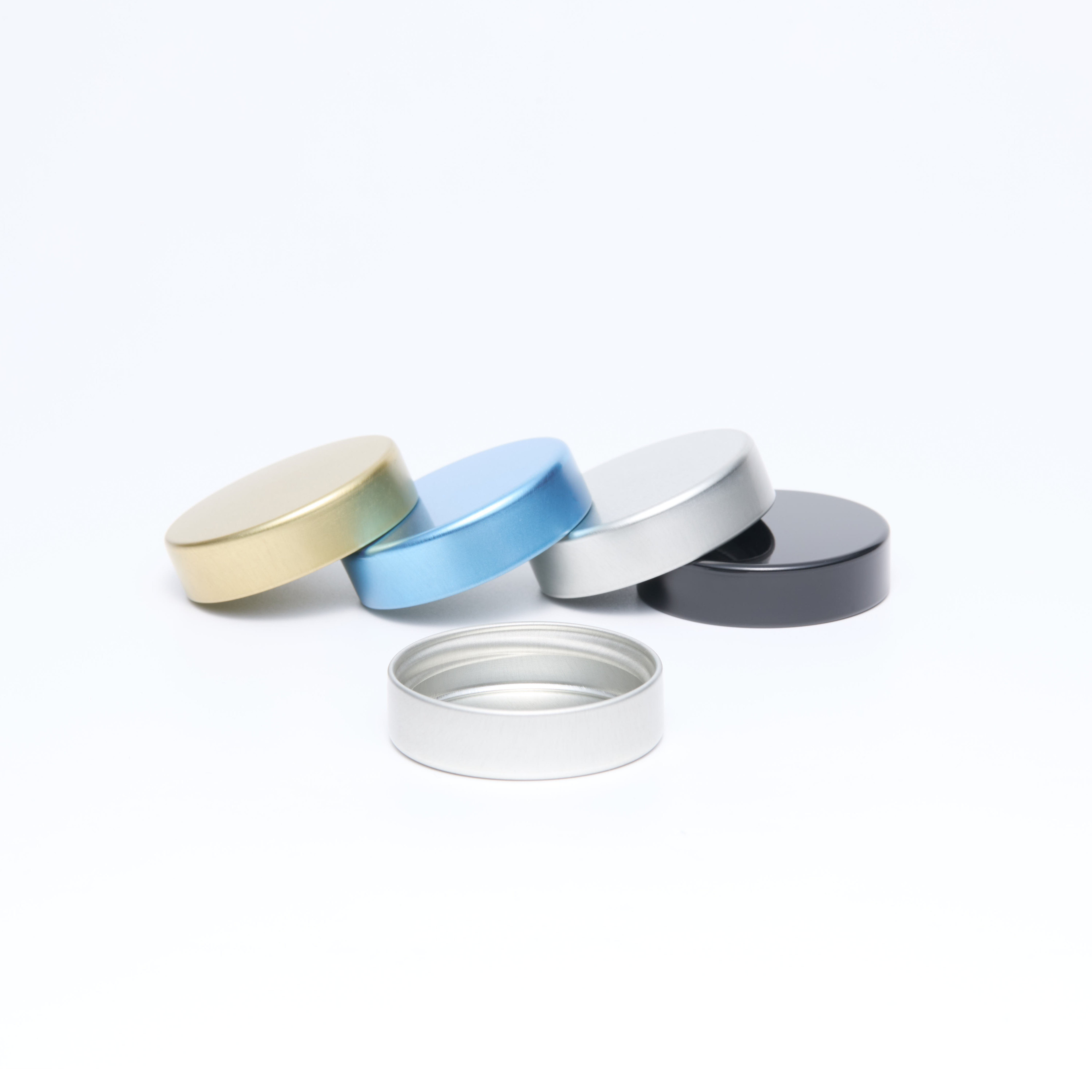
Metal screw caps serve as essential closure solutions across numerous industrial applications, providing secure sealing and product protection for bottles, containers, and packaging systems. The manufacturing process of these precision-engineered components involves sophisticated machinery, quality materials, and stringent production standards to meet diverse industry requirements. Understanding the intricate steps behind metal screw cap production reveals the technical expertise and manufacturing precision required to create reliable closure systems that maintain product integrity throughout distribution and storage cycles.
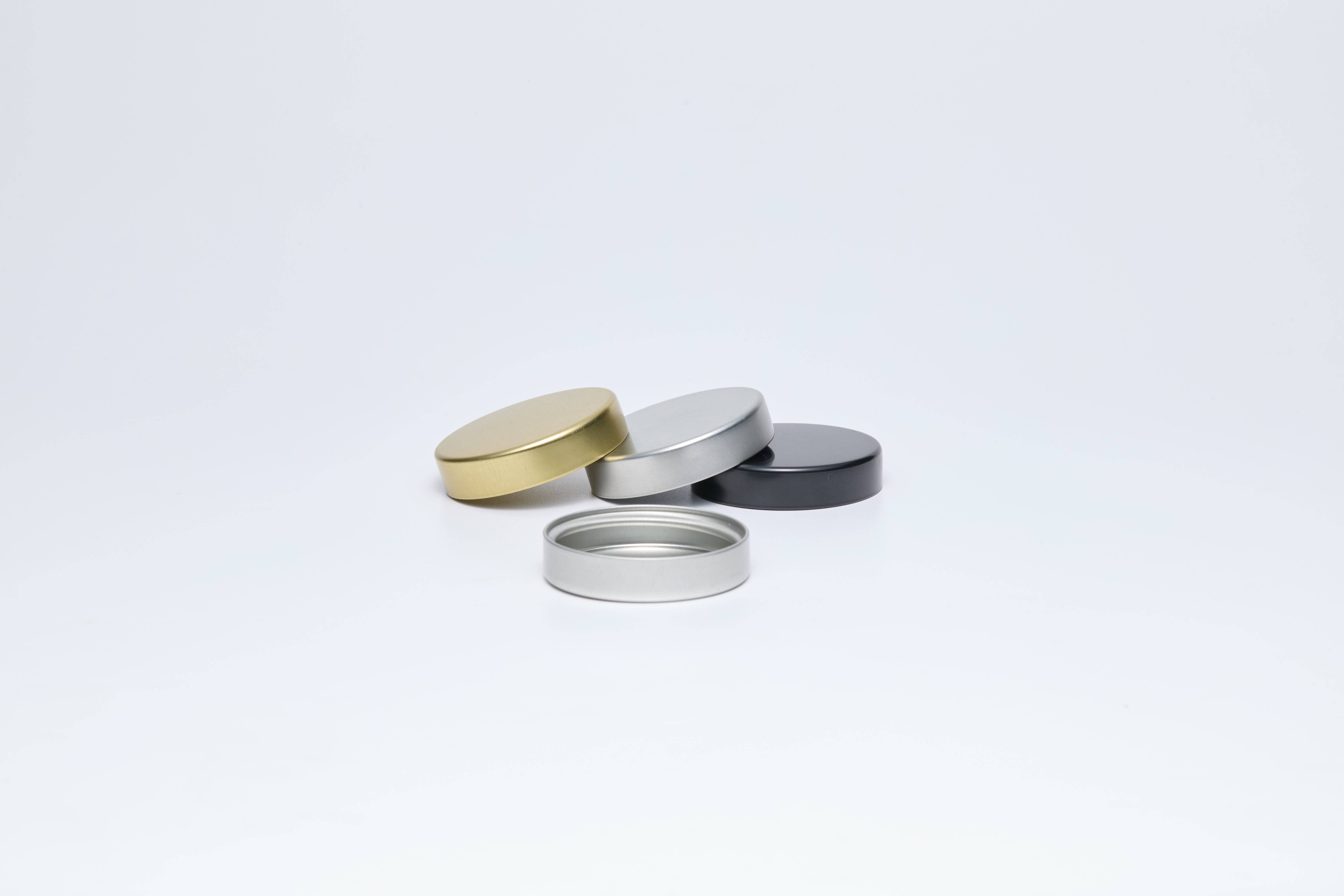
Raw Materials Selection and Preparation
Primary Metal Materials Used
The foundation of quality metal screw caps begins with careful selection of appropriate base materials. Aluminum stands as the most commonly utilized material due to its lightweight properties, corrosion resistance, and excellent formability characteristics. Tinplate, consisting of thin steel sheets coated with tin, offers superior strength and barrier properties, making it ideal for applications requiring enhanced protection against moisture and contamination. Stainless steel provides exceptional durability and chemical resistance for specialized applications where harsh environments or aggressive contents demand premium closure performance.
Material specifications must align with intended applications, considering factors such as chemical compatibility, temperature resistance, and regulatory compliance requirements. Manufacturers source materials from certified suppliers who maintain consistent quality standards and provide detailed material certifications. The thickness of base materials typically ranges from 0.15mm to 0.30mm, with specific gauges selected based on cap size, intended torque requirements, and anticipated stress loads during application and removal cycles.
Quality Control Standards for Raw Materials
Incoming material inspection protocols ensure that all raw materials meet established specifications before entering the production process. Testing procedures include dimensional verification, chemical composition analysis, and surface quality assessment to identify any defects or inconsistencies that could compromise final product performance. Material handling systems maintain proper storage conditions, preventing contamination, oxidation, or physical damage that could affect manufacturing outcomes.
Traceability systems track material batches throughout the production process, enabling quality teams to identify and address any issues that may arise during manufacturing or field performance. Advanced testing equipment measures material properties such as tensile strength, elongation characteristics, and surface roughness to verify compliance with internal specifications and customer requirements.
Manufacturing Process Overview
Blanking and Cutting Operations
The manufacturing journey begins with precision blanking operations that cut circular blanks from continuous metal coil stock. High-speed stamping presses equipped with progressive dies create uniform blanks with precise dimensions and clean edge profiles. Die design incorporates specific clearances and cutting angles optimized for each material type, ensuring consistent blank quality while minimizing material waste and maintaining production efficiency.
Automated feeding systems guide metal coils through straightening rollers and into the stamping press, where programmable controls regulate feeding speed, cutting frequency, and blank collection processes. Quality monitoring systems inspect each blank for dimensional accuracy, edge quality, and surface defects, automatically rejecting any components that fall outside established tolerance ranges. Production speeds can reach several hundred blanks per minute, depending on cap size and material specifications.
Deep Drawing and Forming
Deep drawing operations transform flat blanks into cylindrical cap shells through controlled metal flow and plastic deformation. Multi-stage drawing dies gradually shape the metal, reducing diameter while increasing wall height to achieve the desired cap geometry. Progressive forming stages prevent material tearing or wrinkling while maintaining uniform wall thickness throughout the cap structure.
Drawing parameters including blank holder pressure, die clearances, and forming speed require precise adjustment for each material and cap design. Lubrication systems apply appropriate drawing compounds to reduce friction and prevent galling, ensuring smooth material flow and extending die life. Temperature control during forming operations helps maintain consistent material properties and prevents work hardening that could lead to cracking or splitting.
Thread Formation and Precision Engineering
Threading Mechanisms and Techniques
Thread formation represents one of the most critical aspects of metal screw caps manufacturing, requiring precise control over thread pitch, depth, and profile geometry. Roll threading processes use hardened steel rollers to cold-form threads into the cap sidewalls, creating uniform thread profiles with consistent engagement characteristics. The rolling action work-hardens the thread surface, improving durability and resistance to thread stripping during installation and removal cycles.
Thread specifications must match corresponding bottle neck dimensions to ensure proper fit and sealing performance. Standard thread profiles include PCO threads for beverage applications, continuous thread designs for pharmaceutical containers, and specialized profiles for industrial applications. Precision measurement systems verify thread dimensions using optical comparators and coordinate measuring machines to maintain tight tolerances typically within 0.05mm.
Quality Assurance in Thread Production
Thread quality directly impacts closure performance, making comprehensive inspection protocols essential throughout the threading process. Go/no-go gauges provide rapid verification of thread pitch and major diameter dimensions, while specialized thread measuring equipment evaluates thread form accuracy and surface finish quality. Statistical process control methods monitor thread consistency across production runs, identifying trends that could indicate tooling wear or process drift.
Torque testing protocols validate thread engagement characteristics, measuring the force required for cap application and removal under controlled conditions. These tests ensure that caps provide adequate sealing pressure while remaining easily removable by end users. Thread inspection frequency typically involves checking every hundredth cap during high-volume production, with additional sampling when process parameters change or new tooling is introduced.
Surface Treatment and Finishing
Coating and Protective Treatments
Surface treatments enhance the performance and appearance of metal screw caps while providing protection against corrosion, chemical attack, and wear. Lacquer coatings create barrier layers that prevent interaction between cap materials and package contents, particularly important for acidic or chemically reactive products. Spray coating systems apply uniform lacquer layers using programmable robots that ensure consistent coverage thickness and eliminate coating defects.
Polymer liner application provides sealing surfaces that conform to bottle neck irregularities, creating leak-proof closures even under varying environmental conditions. Heat-activated liners bond to cap surfaces during curing processes, forming integral sealing systems that maintain effectiveness throughout product shelf life. Liner materials include plastisol, EPE foam, and specialty compounds designed for specific chemical compatibility requirements.
Decorative and Branding Elements
Printing and embossing operations add branding elements, product information, and decorative features to finished caps. Offset printing systems apply multi-color graphics with precise registration and color consistency, while embossing presses create raised or recessed features that enhance tactile appeal and brand recognition. Digital printing technologies enable short-run customization and variable data printing for specialized applications.
Surface preparation preceding decoration involves cleaning operations that remove manufacturing lubricants and contaminants that could interfere with ink adhesion or coating uniformity. Corona treatment or flame treatment processes modify surface energy to improve coating and printing adhesion on aluminum and tinplate substrates. Quality control protocols verify print registration, color accuracy, and adhesion strength to ensure that decorative elements maintain appearance throughout product life cycles.
Quality Control and Testing Procedures
Dimensional Verification Systems
Comprehensive dimensional inspection protocols verify that finished metal screw caps meet all specified requirements for diameter, height, thread dimensions, and wall thickness. Automated measurement systems using laser technology and vision systems inspect 100% of production output, identifying and rejecting any caps that exceed tolerance limits. Statistical analysis of measurement data provides insights into process capability and identifies opportunities for continuous improvement.
Coordinate measuring machines provide detailed analysis of complex cap geometries, verifying thread profiles, concentricity relationships, and surface contours with micron-level accuracy. These measurements support process optimization efforts and provide data for customer qualification requirements. Measurement protocols follow established industry standards such as ASTM and ISO specifications to ensure consistency and traceability.
Performance Testing and Validation
Performance testing evaluates the functional characteristics of metal screw caps under simulated service conditions. Torque testing measures application and removal forces across temperature ranges, ensuring that caps maintain proper sealing while remaining user-friendly. Leak testing using pressure decay or vacuum methods validates sealing integrity under various stress conditions including temperature cycling and mechanical vibration.
Accelerated aging tests expose caps to elevated temperatures, humidity cycles, and chemical environments to predict long-term performance characteristics. These tests help manufacturers validate material selections, coating systems, and liner compounds for specific applications. Test results guide product development efforts and support customer technical discussions regarding suitability for particular packaging requirements.
Advanced Manufacturing Technologies
Automation and Robotics Integration
Modern metal screw cap manufacturing facilities incorporate advanced automation systems that enhance production efficiency, consistency, and safety. Robotic material handling systems transport components between processing stations while maintaining precise positioning and orientation control. Automated inspection systems using machine vision technology identify defects and quality issues in real-time, enabling immediate corrective actions that prevent defective products from reaching customers.
Production line integration connects individual manufacturing processes through sophisticated control systems that optimize material flow, minimize work-in-process inventory, and coordinate production scheduling across multiple product lines. Predictive maintenance systems monitor equipment performance parameters and schedule maintenance activities to prevent unplanned downtime while maximizing equipment utilization rates.
Industry 4.0 and Smart Manufacturing
Digital transformation initiatives bring Industry 4.0 concepts to metal screw cap manufacturing through connected sensors, data analytics, and artificial intelligence applications. Real-time monitoring systems track key performance indicators including production rates, quality metrics, and energy consumption to identify optimization opportunities and support continuous improvement initiatives. Digital twin technologies create virtual representations of manufacturing processes that enable simulation and optimization without disrupting production operations.
Advanced data analytics platforms process manufacturing data to identify patterns and correlations that human operators might miss, leading to insights that improve process control and product quality. Machine learning algorithms analyze historical quality data to predict potential issues and recommend preventive actions, reducing scrap rates and improving overall equipment effectiveness.
Environmental Considerations and Sustainability
Sustainable Manufacturing Practices
Environmental responsibility drives continuous improvement in metal screw cap manufacturing processes, focusing on waste reduction, energy efficiency, and sustainable material sourcing. Closed-loop recycling systems capture and reprocess manufacturing waste, converting scrap metal back into usable raw materials while minimizing landfill disposal. Energy recovery systems capture waste heat from forming operations and curing ovens, redirecting thermal energy to support facility heating and other manufacturing processes.
Water management systems treat and recycle process water used in cleaning and cooling operations, reducing freshwater consumption and minimizing wastewater discharge. Solvent recovery systems capture and purify organic compounds from coating operations, enabling reuse while reducing volatile organic compound emissions. These initiatives demonstrate commitment to environmental stewardship while generating cost savings through improved resource utilization efficiency.
Lifecycle Assessment and Circular Economy
Lifecycle assessment methodologies evaluate the environmental impact of metal screw caps throughout their entire lifespan, from raw material extraction through end-of-life disposal or recycling. These analyses guide material selection decisions, process optimization efforts, and product design modifications that reduce overall environmental footprint. Collaboration with suppliers and customers supports circular economy initiatives that maximize material recovery and minimize waste generation.
Design for recycling principles influence cap design decisions, ensuring that materials can be efficiently separated and recovered at end-of-life. Material identification systems and coding schemes facilitate proper sorting in recycling facilities, supporting high recovery rates for aluminum and steel components. Partnership with recycling organizations helps establish collection and processing infrastructure that maximizes material recovery efficiency.
FAQ
What materials are commonly used for manufacturing metal screw caps
Metal screw caps are primarily manufactured using aluminum, tinplate (tin-coated steel), and stainless steel. Aluminum offers excellent corrosion resistance and lightweight properties, making it ideal for beverage and cosmetic applications. Tinplate provides superior barrier properties and strength for pharmaceutical and food packaging. Stainless steel delivers exceptional durability and chemical resistance for specialized industrial applications. Material selection depends on factors including chemical compatibility, barrier requirements, cost considerations, and regulatory compliance needs for specific market segments.
How do manufacturers ensure thread accuracy and consistency
Thread accuracy relies on precision tooling, controlled forming parameters, and comprehensive inspection protocols. Roll threading processes use hardened steel rollers to cold-form threads with consistent pitch and profile geometry. Dimensional inspection systems including go/no-go gauges and optical measurement equipment verify thread specifications throughout production runs. Statistical process control methods monitor thread consistency and identify trends indicating tooling wear or process drift, enabling proactive adjustments that maintain quality standards.
What quality control measures are implemented during manufacturing
Comprehensive quality control encompasses incoming material inspection, in-process monitoring, and finished product testing. Raw material verification includes chemical composition analysis, dimensional checking, and surface quality assessment. Production monitoring uses automated inspection systems with machine vision technology to identify defects in real-time. Performance testing evaluates torque characteristics, sealing integrity, and durability under simulated service conditions to ensure caps meet functional requirements and customer specifications.
How do environmental considerations influence manufacturing processes
Environmental sustainability drives adoption of closed-loop recycling systems that capture and reprocess manufacturing waste, energy recovery systems that utilize waste heat, and water treatment systems that enable process water recycling. Lifecycle assessment methodologies guide material selection and process optimization decisions to minimize environmental impact. Design for recycling principles ensure that caps can be efficiently recovered and reprocessed at end-of-life, supporting circular economy initiatives and reducing overall environmental footprint throughout the product lifecycle.