
 EN
EN
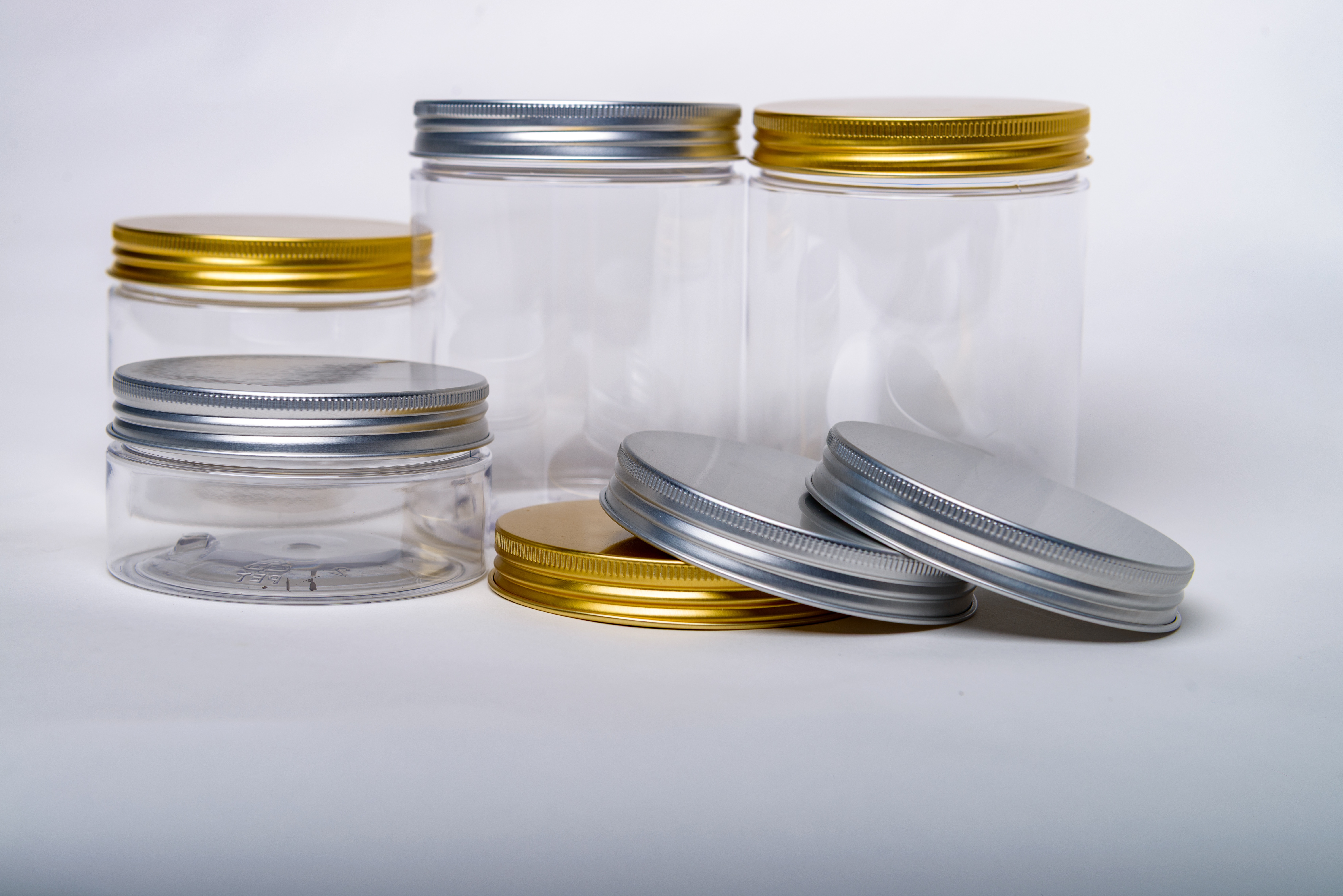
Selecting the right closure system for packaging is a critical decision that directly impacts product integrity, shelf appeal, and end-user experience. When working with PET or glass bottles, understanding how to properly match external thread caps ensures a secure seal, prevents contamination, and maintains brand consistency across production runs. This process involves more than simply choosing a cap that fits—it requires careful consideration of thread profiles, material compatibility, sealing mechanisms, and the specific demands of your product and market segment.
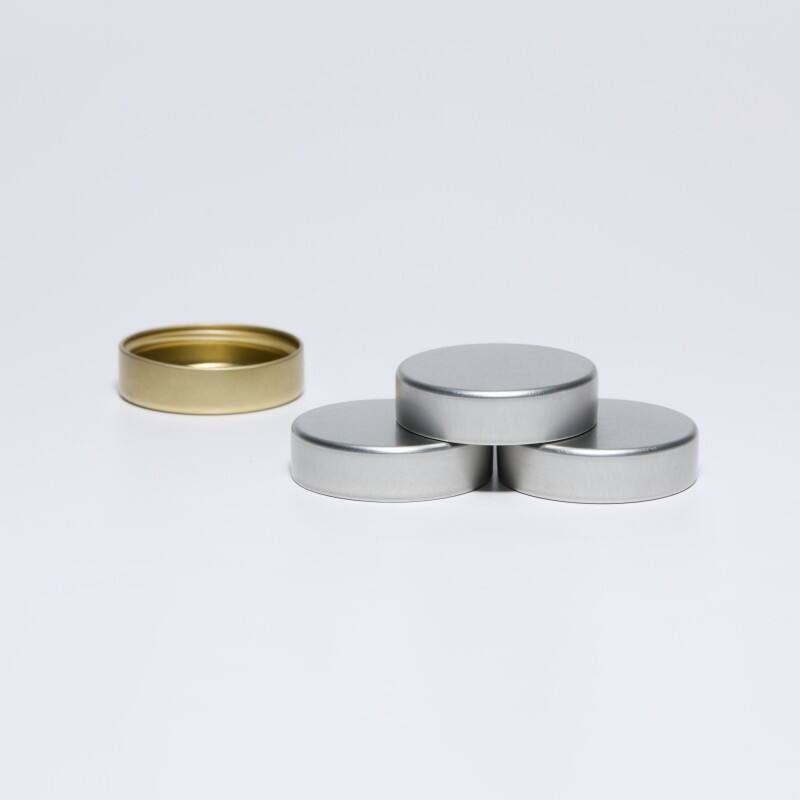
The pharmaceutical, nutraceutical, beverage, and personal care industries rely heavily on precision-engineered external thread caps to deliver consistent performance across diverse bottle materials. Whether you are packaging dietary supplements in PET containers or premium cosmetics in glass bottles, the matching process involves evaluating thread standards, dimensional tolerances, liner materials, and closure torque specifications. This comprehensive guide walks you through the technical and practical steps required to achieve optimal cap-to-bottle compatibility, reduce production waste, and enhance consumer satisfaction through reliable packaging performance.
Understanding Thread Standards and Compatibility Requirements
Common Thread Finish Specifications for External Thread Caps
External thread caps are designed to interface with standardized bottle neck finishes, which are defined by industry-recognized dimensional codes. The most prevalent thread standards include 28/400, 38/400, 45/400, and 53/400, where the first number represents the approximate outer diameter of the bottle neck in millimeters, and the second number indicates the thread style designation. Understanding these specifications is fundamental when matching external thread caps to either PET or glass bottles, as even minor dimensional discrepancies can compromise seal integrity and lead to product leakage or contamination during storage and transportation.
The 400-series thread finish is particularly common in pharmaceutical and nutraceutical applications, offering a continuous thread design that provides consistent engagement and torque resistance. When working with external thread caps in this category, it is essential to verify that both the cap and bottle conform to the same thread gauge standards, typically measured using go/no-go thread gauges or precision calipers. Proper thread engagement ensures that the cap advances smoothly along the bottle neck without cross-threading, binding, or excessive resistance that could damage either component during application.
Material Considerations for PET Versus Glass Bottle Interfaces
PET and glass bottles present distinct interface characteristics that influence how external thread caps should be selected and applied. PET bottles, formed through blow molding processes, exhibit slight dimensional variability compared to glass due to material flexibility and thermal expansion during manufacturing. This variability means that external thread caps intended for PET applications often incorporate slightly wider tolerance ranges and softer liner materials to accommodate minor dimensional inconsistencies while maintaining an effective seal. The inherent resilience of PET also allows for some deformation under closure torque, which can enhance seal contact but requires careful torque calibration to avoid bottle distortion.
Glass bottles, conversely, offer superior dimensional precision and rigidity, resulting in more consistent thread profiles that allow for tighter tolerance matching with external thread caps. However, glass is brittle and susceptible to chipping or cracking if excessive torque is applied during capping operations. When matching external thread caps to glass bottles, it is crucial to select liner materials that provide adequate cushioning and distribute closure pressure evenly across the sealing surface. Additionally, glass bottle finishes must be inspected for burrs, chips, or surface defects that could interfere with proper cap seating or compromise the hermetic seal required for moisture-sensitive or oxygen-sensitive products.
Dimensional Measurement and Tolerance Verification
Accurate dimensional measurement is the cornerstone of successful cap-to-bottle matching. Before committing to large-scale production, conduct thorough measurements of both the bottle neck finish and the internal thread dimensions of external thread caps using calibrated instruments such as thread plug gauges, digital calipers, or optical comparators. Key measurements include thread pitch, thread depth, major and minor diameters, and the overall height of the thread engagement zone. These parameters must align within specified tolerance ranges, typically expressed in hundredths of a millimeter, to ensure consistent cap application across automated or manual capping lines.
For PET bottles, additional verification should include wall thickness at the neck finish, as insufficient material can lead to thread deformation under closure torque. Glass bottle inspections should focus on thread continuity and surface finish quality, as irregularities can prevent external thread caps from achieving the required turn count or final position. Establishing a robust incoming quality control protocol that includes statistical sampling and measurement recording enables early detection of out-of-specification components, reducing the risk of costly production interruptions or field failures due to incompatible closures.
Selecting Liner Materials and Sealing Mechanisms
Evaluating Liner Composition for Product Compatibility
The liner embedded within external thread caps serves as the primary barrier between the product and the external environment, making its composition a critical factor in achieving proper seals with both PET and glass bottles. Common liner materials include polyethylene foam, pulpboard with various coatings, pressure-sensitive adhesives, and induction heat-seal foils. Each material offers distinct performance characteristics related to moisture resistance, chemical compatibility, temperature tolerance, and seal integrity under varying storage conditions. When matching external thread caps to bottles containing pharmaceuticals, supplements, or food products, the liner must be chemically inert and approved for direct food contact by relevant regulatory bodies.
Polyethylene foam liners are widely used with external thread caps due to their excellent compressibility and resilience, which allow them to conform to minor surface irregularities on both PET and glass bottle finishes. These liners provide reliable resealing capabilities for multi-use containers while maintaining consistent torque characteristics throughout the product's shelf life. For applications requiring enhanced barrier properties, such as moisture-sensitive nutraceuticals or volatile liquid formulations, pressure-sensitive or induction-sealed liners offer superior protection by forming a hermetic bond directly to the bottle rim, effectively isolating the product from atmospheric exposure until the consumer removes the liner before first use.
Matching Liner Thickness to Bottle Finish Geometry
Liner thickness directly influences the effectiveness of the seal created when external thread caps are applied to PET or glass bottles. Thicker liners provide greater tolerance for bottle finish imperfections and dimensional variability, making them particularly suitable for PET applications where slight neck out-of-roundness or thread irregularities may occur. However, excessively thick liners can increase the torque required to achieve proper seal compression, potentially leading to bottle deformation in lightweight PET containers or increased risk of glass bottle damage if application equipment is not properly calibrated.
Conversely, thinner liners offer lower application torque requirements and faster production speeds but demand higher precision in bottle finish quality to ensure consistent seal performance. When matching external thread caps with thin liners to glass bottles, the superior dimensional consistency of glass supports reliable sealing with minimal compression force. For PET bottles, careful evaluation of bottle finish quality and consistency is necessary before specifying thin-liner external thread caps, as any significant dimensional variation may result in inadequate seal compression and compromised product protection. Conducting seal integrity testing across representative production samples helps validate liner thickness selection and identifies potential compatibility issues before full-scale manufacturing begins.
Understanding Torque Specifications and Application Parameters
Proper application torque is essential for achieving optimal seal performance when matching external thread caps to PET or glass bottles. Insufficient torque results in under-compressed liners that fail to create adequate seals, allowing moisture ingress or product leakage. Excessive torque can cause bottle damage, thread stripping, or liner displacement, particularly when working with lightweight PET containers or delicate glass finishes. Manufacturers of external thread caps typically provide recommended torque ranges expressed in inch-pounds or Newton-meters, which serve as starting points for capping equipment setup and validation.
Application torque requirements vary based on liner type, thread design, and bottle material characteristics. PET bottles generally require lower torque than glass due to material deformation during cap application, which assists in liner compression. When establishing torque specifications for external thread caps on production lines, conduct systematic testing to identify the minimum torque that consistently achieves seal integrity across the expected range of bottle dimensional variation, then set operational targets slightly above this threshold to ensure process robustness. Regular torque monitoring using calibrated measurement tools helps maintain consistent cap application quality and enables early detection of equipment drift or component specification changes.
Implementing Quality Control and Testing Protocols
Seal Integrity Testing Methods for Cap-Bottle Assemblies
Validating the compatibility of external thread caps with PET or glass bottles requires systematic seal integrity testing that simulates real-world storage, handling, and distribution conditions. Common testing methods include vacuum decay leak detection, pressure hold testing, dye penetration inspection, and microbial ingress challenge studies. Each method provides specific insights into seal performance under different stress conditions and helps identify potential failure modes that could compromise product quality or consumer safety during the package lifecycle.
Vacuum decay testing is particularly effective for evaluating external thread caps on rigid glass bottles, as it detects even microscopic leaks by measuring pressure changes within a sealed test chamber. For PET bottles, which exhibit some degree of permeability and deformation under vacuum, pressure hold testing offers more relevant performance data by monitoring the ability of capped containers to maintain positive internal pressure over extended periods. Conducting these tests across representative samples from production runs provides statistical confidence in cap-to-bottle compatibility and establishes baseline performance metrics for ongoing quality monitoring throughout the manufacturing lifecycle.
Application Equipment Validation and Calibration
The performance of external thread caps on PET or glass bottles depends heavily on the capabilities and maintenance state of capping equipment. Whether using manual bench-top cappers, semi-automatic spindle systems, or high-speed rotary cappers, equipment must be properly validated to ensure consistent cap placement, thread engagement, and torque application across all production units. Equipment validation protocols should include verification of spindle alignment, clutch calibration, torque head accuracy, and cap feed consistency, with documented measurements compared against equipment specifications and cap manufacturer recommendations.
For operations matching external thread caps to both PET and glass bottles on the same production line, equipment setup changes may be necessary when transitioning between materials due to differences in optimal application parameters. Glass bottles typically require gentler handling and more precise torque control to prevent damage, while PET containers may tolerate wider process windows but require attention to prevent bottle collapse under excessive capping pressure. Establishing material-specific equipment settings and implementing formal changeover procedures with verification testing reduces the risk of application defects and maintains consistent quality across diverse product lines and package configurations.
Statistical Process Control for Ongoing Compatibility Assurance
Maintaining long-term compatibility between external thread caps and PET or glass bottles requires implementing statistical process control systems that monitor critical quality parameters throughout production. Key metrics include cap application torque, removal torque after specified aging periods, seal integrity test results, visual defect rates, and dimensional measurements of incoming components. Collecting and analyzing this data enables early detection of process drift, component specification changes, or equipment degradation that could compromise cap-bottle matching performance.
Effective statistical process control programs establish control limits based on capability studies conducted during initial process validation, then use ongoing measurements to identify trends or outliers that signal potential quality issues. When monitoring external thread caps applied to PET bottles, particular attention should be given to seasonal variations in ambient temperature and humidity, which can affect both bottle dimensional stability and liner sealing characteristics. For glass bottle applications, tracking glass supplier lot variations and correlating them with seal performance metrics helps identify supply chain factors that influence compatibility and enables proactive supplier quality management to maintain consistent packaging performance.
Optimizing Cap Selection for Specific Product Applications
Pharmaceutical and Nutraceutical Packaging Requirements
Pharmaceutical and nutraceutical products place stringent demands on external thread caps due to regulatory requirements for product protection, tamper evidence, and child resistance. When matching external thread caps to PET or glass bottles containing capsules, tablets, or liquid supplements, compliance with applicable regulations such as FDA 21 CFR Part 211 or EU Good Manufacturing Practice guidelines is mandatory. These regulations often specify requirements for moisture barrier performance, compatibility with product ingredients, and resistance to contamination that directly influence cap liner selection and thread design choices.
Many pharmaceutical applications require external thread caps with integrated child-resistant features, which add complexity to the bottle matching process. Child-resistant closures typically incorporate special thread designs, locking tabs, or squeeze-and-turn mechanisms that must align precisely with corresponding features molded into the bottle neck finish. Achieving reliable child-resistant performance while maintaining senior-friendly accessibility requires careful dimensional coordination between caps and bottles, along with rigorous functional testing to verify compliance with standards such as ISO 8317 or ASTM D3475 across expected user demographics and environmental conditions.
Beverage and Food Product Packaging Considerations
Beverage and food applications using external thread caps on PET or glass bottles prioritize factors such as seal freshness retention, carbonation containment, flavor preservation, and consumer convenience. When matching external thread caps to beverage bottles, the closure system must withstand internal pressure from carbonated products while preventing oxygen ingress that could degrade flavor or nutritional quality. High-performance liner materials with low oxygen transmission rates are essential for extending shelf life in juices, flavored waters, and functional beverages packaged in PET bottles with external thread caps.
Food safety regulations impose additional requirements on external thread caps used with edible products, including restrictions on migration of cap or liner components into food contact, requirements for tamper-evident features, and specifications for cleanability of reusable closures. When working with glass bottles for premium food products such as sauces, oils, or condiments, external thread caps often incorporate aesthetically appealing designs that enhance shelf presence while delivering functional performance. Matching these caps to glass bottles requires attention to visual alignment, finish quality, and the tactile experience of cap removal and replacement, as these factors significantly influence consumer perception of product quality and value.
Industrial and Chemical Product Packaging Specifications
Industrial chemicals, laboratory reagents, and technical products packaged in PET or glass bottles with external thread caps demand closure systems resistant to aggressive chemical environments, temperature extremes, and rough handling conditions. When matching external thread caps to bottles containing solvents, acids, or other reactive substances, material compatibility testing is essential to ensure that neither the cap body nor the liner degrades through chemical attack, which could compromise container integrity or contaminate the product with dissolved cap materials.
Glass bottles are preferred for many chemical applications due to their superior chemical resistance and impermeability, requiring external thread caps constructed from equally robust materials such as phenolic resins, polypropylene, or specialized fluoropolymers. The liner materials used in these external thread caps must provide chemical resistance matching or exceeding that of the cap body while maintaining effective seal performance throughout the product's use cycle. Applications involving hazardous materials may also require external thread caps that meet UN packaging standards for dangerous goods, adding regulatory compliance dimensions to the cap-bottle matching process that must be verified through drop testing, stack compression testing, and compatibility studies under simulated transport conditions.
Troubleshooting Common Matching Issues and Performance Problems
Addressing Thread Engagement and Cross-Threading Problems
Cross-threading represents one of the most common issues when applying external thread caps to PET or glass bottles, resulting from misalignment between cap and bottle threads during initial engagement. This problem typically manifests as increased application torque, uneven cap seating, or visible thread damage on either component. Cross-threading occurs more frequently with manual capping operations or when automated equipment experiences cap feed misalignment, and it can lead to compromised seal integrity, product contamination, or consumer complaints about difficult cap removal.
Preventing cross-threading requires ensuring proper alignment between external thread caps and bottle finishes before applying rotational force. In automated systems, this involves optimizing cap delivery mechanisms, spindle centering devices, and initial contact sensors that verify correct positioning before torque application begins. For PET bottles with some dimensional flexibility, slight misalignment may be accommodated through material deformation, but glass bottles offer no such tolerance and will exhibit immediate thread damage if cross-threading occurs. Implementing automatic rejection systems that detect abnormal torque profiles during cap application helps remove defective units before they reach consumers and provides data for identifying systematic alignment issues requiring equipment adjustment.
Resolving Seal Leakage and Insufficient Barrier Performance
Seal leakage between external thread caps and PET or glass bottles can result from multiple factors including inadequate liner compression, bottle finish defects, contamination on sealing surfaces, or improper torque application. Diagnosing the root cause requires systematic investigation of both components and the application process. Visual inspection of bottles should identify finish defects such as nicks, burrs, or out-of-round conditions that prevent uniform liner contact. Examination of removed external thread caps may reveal liner damage, displacement, or incomplete compression patterns that indicate application problems.
When seal leakage occurs specifically with PET bottles, consideration should be given to bottle wall rigidity and potential deformation under internal pressure or external handling forces. Lightweight PET designs may flex sufficiently to disrupt the seal between external thread caps and bottle finishes, particularly if the container is subjected to temperature cycling or physical stress during distribution. In such cases, either increasing bottle wall thickness at the finish area or selecting external thread caps with more compliant liner materials can improve seal reliability. For glass bottle applications, ensuring finish cleanliness and verifying that glass supplier quality standards address critical finish dimensions reduces seal failure risk and improves matching consistency.
Managing Torque-Related Cap and Bottle Damage
Excessive application torque when matching external thread caps to PET or glass bottles can cause various forms of damage including thread stripping, bottle neck deformation, cap shell cracking, or liner displacement. These problems compromise both functional performance and aesthetic appeal, potentially leading to product returns or brand reputation damage. Torque-related damage typically indicates mismatched components, improperly calibrated capping equipment, or application parameters that exceed material strength limits for either the cap or bottle.
Addressing torque-related damage begins with verifying that external thread caps and bottles conform to compatible specifications and that recommended torque ranges from component suppliers are appropriate for the specific material grades in use. PET bottles exhibit considerable variation in mechanical strength depending on resin formulation, bottle design, and processing conditions, requiring torque optimization for each specific bottle source. Glass bottles, while more consistent in material properties, vary in finish strength based on glass composition and annealing processes, with some specialty glasses being more prone to chipping under closure stress. Conducting systematic torque studies that incrementally increase application force while monitoring for damage onset helps establish safe operating ranges that balance seal performance against component protection for both external thread caps and their mating bottles.
FAQ
What is the most critical measurement when matching external thread caps to bottles?
The thread pitch and major diameter of the bottle neck finish are the most critical measurements, as these dimensions must align precisely with the internal thread specifications of external thread caps to ensure proper engagement, adequate turn count, and consistent seal compression. Using calibrated thread gauges to verify both components before production prevents compatibility issues and reduces rejection rates.
Can the same external thread caps be used interchangeably on PET and glass bottles?
External thread caps can often be used on both PET and glass bottles if the bottles share identical thread finish specifications, but application parameters such as torque settings may require adjustment due to material property differences. PET's flexibility typically allows for slightly higher torque tolerance, while glass demands more precise control to prevent finish damage. Always conduct seal integrity testing when transitioning external thread caps between bottle materials to verify performance.
How do I determine if liner material is compatible with my product?
Liner compatibility assessment involves conducting chemical resistance testing where the liner material is exposed to the actual product under accelerated aging conditions, then evaluating for physical changes, chemical migration, or degradation. Additionally, organoleptic testing ensures that liner materials do not impart off-flavors or odors to products. Consulting regulatory databases such as FDA food contact substance listings helps confirm that liner compositions are approved for specific product categories.
What causes external thread caps to become difficult to remove after storage?
Difficult cap removal typically results from liner adhesion to the bottle finish due to chemical interactions, moisture absorption, or cold flow of liner materials under sustained compression. This phenomenon is more common with pressure-sensitive liners or in applications where product residue migrates to the seal area. Selecting liner materials with appropriate release characteristics and ensuring proper torque application that compresses without over-stressing the liner helps maintain consistent removal torque throughout product shelf life.
Table of Contents
- Understanding Thread Standards and Compatibility Requirements
- Selecting Liner Materials and Sealing Mechanisms
- Implementing Quality Control and Testing Protocols
- Optimizing Cap Selection for Specific Product Applications
- Troubleshooting Common Matching Issues and Performance Problems
-
FAQ
- What is the most critical measurement when matching external thread caps to bottles?
- Can the same external thread caps be used interchangeably on PET and glass bottles?
- How do I determine if liner material is compatible with my product?
- What causes external thread caps to become difficult to remove after storage?