
 EN
EN

External thread caps have become essential components in modern production environments across industries ranging from pharmaceuticals to food and beverage manufacturing. These closure systems, characterized by their threaded design on the outer surface, provide reliable sealing solutions that protect product integrity while streamlining packaging operations. Understanding the specific advantages that external thread caps bring to production workflows helps manufacturers make informed decisions about their packaging strategies and optimize both efficiency and product quality.
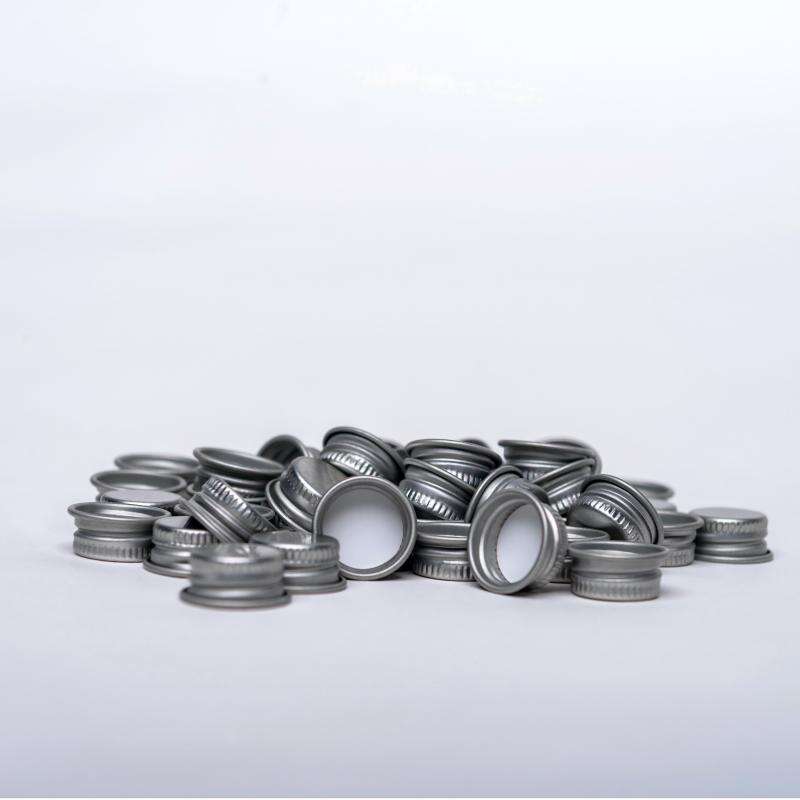
The benefits of implementing external thread caps in production extend far beyond simple container closure. These specialized caps deliver measurable improvements in production speed, quality control, material efficiency, and end-user satisfaction. From reducing contamination risks to enabling faster capping line speeds, the strategic advantages touch every phase of the manufacturing process. This comprehensive examination explores how external thread caps contribute to operational excellence and why they remain the preferred choice for producers seeking to balance cost management with uncompromising quality standards.
Enhanced Production Speed and Line Efficiency
Streamlined Automated Capping Operations
One of the primary benefits of using external thread caps in production environments is their compatibility with high-speed automated capping equipment. The external threading design allows capping machinery to grip and apply closures with exceptional precision and consistency. Unlike internal thread systems that require more complex tooling adjustments, external thread caps can be handled by standard chuck-style capping heads that rotate the cap onto the container neck in a single continuous motion. This simplicity translates directly into faster line speeds, with modern production lines achieving capping rates exceeding 300 units per minute when using properly designed external thread caps.
The mechanical advantage of external thread caps becomes particularly evident in facilities running multiple product lines with varying container sizes. Production managers can switch between different bottle formats with minimal downtime since the capping equipment requires only minor adjustments to accommodate different cap diameters. This flexibility reduces changeover times by as much as forty percent compared to systems requiring extensive recalibration. The consistent engagement between external threads and bottle neck threads also minimizes the occurrence of cross-threading incidents that can halt production and necessitate costly equipment resets.
Manufacturing facilities utilizing external thread caps benefit from reduced mechanical wear on capping machinery as well. The external threading distributes torque forces more evenly during application, reducing stress on both the cap material and the equipment components. This balanced force distribution extends the service life of capping heads and reduces maintenance frequency, contributing to higher overall equipment effectiveness scores and lower total cost of ownership for packaging lines.
Reduced Labor Requirements and Training Complexity
The intuitive design of external thread caps significantly reduces the training burden for production staff and quality control personnel. Operators can visually verify proper cap application by observing the alignment of external threads with container neck features, making quality checks faster and more reliable. This visual confirmation capability is especially valuable during shift changes or when temporary workers join production teams, as it minimizes the learning curve associated with identifying properly sealed containers versus those requiring rework.
Manual or semi-automated production lines particularly benefit from the ergonomic advantages of external thread caps. Workers can apply these closures with less physical effort compared to snap-on or press-fit alternatives, reducing fatigue during extended production runs. The threaded engagement provides tactile feedback that helps operators achieve consistent torque application without requiring specialized gauges or measurement tools. This natural feedback mechanism contributes to lower defect rates and reduces the need for secondary inspection processes that consume additional labor hours.
Production facilities also experience fewer work-related injury claims when using external thread caps, as the application process involves smooth rotational motion rather than forceful pressing or snapping actions. The reduced physical strain translates into improved worker satisfaction and lower turnover rates in packaging departments, helping manufacturers maintain experienced teams that drive continuous quality improvements.
Superior Product Protection and Shelf Life Extension
Enhanced Barrier Properties Against Contamination
External thread caps provide exceptional barrier performance that directly extends product shelf life and maintains quality throughout distribution channels. The threaded closure creates multiple contact points between the cap and container neck, forming a tortuous path that effectively blocks moisture, oxygen, and microbial contaminants from reaching the product. This multi-barrier design is particularly crucial for sensitive formulations in pharmaceutical and nutraceutical applications where even minimal exposure to environmental factors can degrade active ingredients and compromise therapeutic efficacy.
The sealing effectiveness of external thread caps can be further enhanced through the integration of liner materials specifically engineered to match product chemistry requirements. Manufacturers can select from induction seal liners for tamper-evidence, foam liners for compression sealing, or pulp-backed foil liners for applications requiring extended barrier protection. The external threading provides a secure mechanical foundation that maintains consistent compression on these liner materials, ensuring reliable seals even when products undergo temperature fluctuations during storage and transportation.
Quality control testing consistently demonstrates that containers sealed with properly torqued external thread caps maintain internal atmospheres more effectively than alternative closure systems. Oxygen transmission rates remain below critical thresholds for extended periods, preventing oxidation reactions that cause discoloration, flavor degradation, and potency loss. This superior barrier performance translates directly into reduced product waste, fewer customer complaints, and stronger brand reputation for manufacturers prioritizing quality over cost-cutting measures.
Pressure Retention and Gas Containment Capabilities
For producers of carbonated beverages, fermented products, and pressurized formulations, external thread caps deliver critical advantages in maintaining internal pressure levels. The threaded engagement between cap and container creates a mechanical lock that resists pressure-driven separation, even when products experience temperature increases during distribution. This pressure retention capability prevents premature carbonation loss that affects product taste and consumer perception of freshness.
The design geometry of external thread caps allows engineers to optimize thread pitch, depth, and engagement length to match specific pressure requirements. Products requiring higher retention forces benefit from multi-start thread designs that increase the number of engagement points without sacrificing application speed. This customization flexibility enables manufacturers to precisely balance sealing performance against production efficiency requirements, ensuring that each product category receives appropriate closure specifications without over-engineering solutions.
Testing protocols for pressure retention demonstrate that external thread caps maintain seal integrity across wider temperature ranges compared to friction-fit alternatives. The mechanical threading prevents gradual cap loosening that can occur when materials undergo thermal expansion and contraction cycles. This stability is particularly valuable for products distributed through uncontrolled temperature environments, where ambient conditions may vary significantly between manufacturing facilities and final retail locations.
Cost Efficiency and Material Optimization
Reduced Material Consumption Through Design Efficiency
External thread caps enable significant material cost savings through their inherently efficient structural design. The external threading distributes mechanical stresses uniformly around the cap perimeter, allowing manufacturers to reduce wall thickness without compromising closure integrity. This material optimization becomes increasingly important as raw material costs fluctuate and sustainability initiatives drive demand for reduced plastic consumption. Production facilities transitioning to lightweight external thread caps typically achieve ten to fifteen percent reductions in resin usage per closure unit while maintaining equivalent performance specifications.
The predictable material flow characteristics of external thread caps during injection molding processes contribute to lower scrap rates and improved production yields. Mold designers can optimize gate locations and cooling channel configurations to minimize sink marks, warpage, and dimensional inconsistencies that lead to rejected parts. These process improvements reduce the quantity of off-spec caps that must be recycled or discarded, directly improving the material utilization efficiency of closure manufacturing operations.
Manufacturers also benefit from the compatibility of external thread caps with recycled resin content. The robust structural design tolerates the slight performance variations inherent in post-consumer recycled materials, enabling producers to incorporate higher percentages of recycled content without sacrificing functional requirements. This capability supports corporate sustainability goals while simultaneously reducing raw material procurement costs, creating a favorable economic case for environmental stewardship initiatives.
Lower Total Packaging System Costs
The economic advantages of external thread caps extend throughout the entire packaging system, affecting not only closure costs but also container specifications and secondary packaging requirements. Bottles designed for external thread caps can utilize lighter-weight neck finishes since the threading provides structural reinforcement that prevents deformation during capping operations. This systemic weight reduction compounds material savings across both closures and containers, delivering measurable reductions in per-unit packaging costs.
Transportation and logistics expenses decrease proportionally with packaging weight reductions enabled by external thread caps. Lighter package weights allow more product units per shipping container, reducing freight costs per unit and lowering the carbon footprint associated with product distribution. These logistics efficiencies become particularly significant for high-volume consumer products where even marginal per-unit savings translate into substantial annual cost reductions when multiplied across millions of production units.
The durability and reusability of external thread caps also contribute to cost efficiency in refillable container programs and industrial applications. The threaded design withstands repeated removal and reapplication cycles without significant performance degradation, enabling manufacturers to implement closed-loop packaging systems that reduce overall closure consumption. This reusability extends the functional life of each cap unit, improving the return on investment for closure procurement spending.
Consumer Convenience and Brand Differentiation
Improved User Experience and Accessibility
External thread caps provide superior convenience for end users across diverse demographic groups, including elderly consumers and individuals with limited dexterity. The threaded opening mechanism requires less grip strength compared to flip-top or press-and-turn closures, making products more accessible to consumers with arthritis or other mobility challenges. This inclusive design approach expands potential market reach and demonstrates corporate commitment to universal accessibility standards that increasingly influence purchasing decisions.
The intuitive operation of external thread caps reduces consumer frustration and enhances overall product satisfaction. Users immediately understand the opening mechanism without requiring instructional labels or diagrams, creating a seamless interaction that reflects positively on brand perception. The audible and tactile feedback provided during cap removal and reapplication confirms secure closure, giving consumers confidence that product freshness and safety are maintained between usage occasions.
Market research consistently indicates that consumers associate external thread caps with premium quality and product integrity. The substantial feel and precise engagement of threaded closures communicate attention to detail and manufacturing excellence, reinforcing brand positioning strategies for products competing in quality-conscious market segments. This perception value justifies premium pricing strategies and supports brand differentiation objectives in crowded product categories.
Enhanced Tamper Evidence and Consumer Safety
The integration of tamper-evident features with external thread caps provides critical consumer protection while strengthening brand trust. Break-away bands, pilfer-proof rings, and induction seal liners can be seamlessly incorporated into external thread cap designs, creating visible evidence of any tampering attempts. These safety features are particularly important for pharmaceutical products, infant nutrition formulations, and other applications where consumer safety concerns drive regulatory requirements and purchasing preferences.
The visible nature of tamper-evidence features on external thread caps enables consumers to quickly verify package integrity at the point of purchase, reducing the likelihood of compromised products reaching end users. This transparency builds consumer confidence and reduces the risk of safety incidents that can result in product recalls, regulatory penalties, and lasting brand damage. Manufacturers implementing robust tamper-evident external thread caps demonstrate proactive commitment to consumer protection that resonates with safety-conscious buyers.
Regulatory compliance becomes more straightforward when using external thread caps with integrated tamper-evident features. The mechanical design provides reliable, consistent performance that meets stringent safety standards established by regulatory agencies worldwide. This compliance reliability reduces the regulatory burden on manufacturers and accelerates market approval processes for new product introductions, supporting faster time-to-market objectives.
Versatility Across Applications and Industries
Adaptability to Diverse Product Formulations
External thread caps demonstrate exceptional versatility in accommodating products with widely varying physical and chemical properties. From low-viscosity liquids to thick creams and granular solids, the threaded closure design provides reliable containment regardless of product consistency. This universal applicability simplifies packaging component inventory management for manufacturers producing multiple product lines, as a single cap design can often serve several formulations with only minor size variations.
The chemical resistance of materials commonly used in external thread cap manufacturing enables compatibility with aggressive formulations including solvents, acids, and oxidizing agents. Manufacturers can select from polypropylene, polyethylene, aluminum, and specialized engineering resins to match specific chemical compatibility requirements. This material flexibility ensures that product integrity remains uncompromised throughout shelf life, regardless of formulation aggressiveness or environmental exposure conditions.
Temperature resistance capabilities of external thread caps extend their applicability to hot-fill processes and products requiring refrigeration or freezing. The dimensional stability of properly designed external thread caps maintains seal integrity across temperature ranges from subfreezing storage to elevated hot-fill temperatures exceeding eighty-five degrees Celsius. This thermal performance range accommodates diverse processing requirements without necessitating specialized closure designs for each thermal condition.
Scalability Across Production Volumes and Markets
The manufacturing processes for external thread caps scale efficiently from small-batch specialty production to high-volume consumer goods manufacturing. Injection molding technology enables rapid production cycles with minimal per-unit costs at high volumes, while still maintaining economic viability for shorter production runs through quick mold changeovers and flexible scheduling. This scalability supports business growth trajectories, allowing manufacturers to begin with modest production volumes and expand capacity as market demand increases.
Global standardization of thread specifications for external thread caps facilitates international market expansion by ensuring compatibility across regional manufacturing facilities and distribution networks. Products packaged with standardized external thread caps can be produced in multiple geographic locations without requiring region-specific closure designs, simplifying supply chain management and reducing inventory complexity for multinational operations.
The established infrastructure for external thread cap production ensures reliable supply continuity and competitive pricing through mature supply chains. Multiple suppliers offer compatible products, reducing dependency on single-source relationships and enabling competitive bidding that drives cost optimization. This supply security proves especially valuable during periods of raw material scarcity or transportation disruptions, when diversified sourcing options maintain production continuity.
FAQ
What industries benefit most from using external thread caps in their production processes?
External thread caps deliver significant benefits across pharmaceutical manufacturing, food and beverage production, personal care products, household chemicals, and industrial liquids packaging. Pharmaceutical producers value the superior contamination barrier and tamper-evidence capabilities that protect sensitive formulations. Food and beverage manufacturers benefit from pressure retention for carbonated products and extended shelf life through effective oxygen barriers. Personal care brands appreciate the premium perception and user convenience that enhance consumer satisfaction. Chemical producers rely on the chemical resistance and secure closure properties that prevent leakage of aggressive formulations. Industrial applications utilize the durability and reusability of external thread caps for refillable container programs.
How do external thread caps improve production line efficiency compared to other closure types?
External thread caps enhance production efficiency through several mechanisms including faster automated capping speeds, reduced changeover times between product runs, lower defect rates requiring less rework, and decreased equipment maintenance requirements. The external threading design allows capping machinery to achieve consistent application torque with standard chuck-style heads, eliminating the need for specialized tooling that slows production. The visual verification capability of external threads enables faster quality control checks, reducing inspection bottlenecks. The balanced force distribution during application minimizes mechanical stress on equipment components, extending service intervals and reducing unplanned downtime. These combined factors typically improve overall equipment effectiveness scores by fifteen to twenty-five percent compared to alternative closure systems.
Can external thread caps accommodate sustainability initiatives while maintaining performance standards?
External thread caps support sustainability objectives through multiple pathways including reduced material consumption via lightweight design optimization, compatibility with high percentages of post-consumer recycled content, extended product shelf life that reduces food waste, and reusability in closed-loop packaging systems. The structural efficiency of external threading allows manufacturers to reduce wall thickness by ten to fifteen percent without compromising closure integrity, directly decreasing plastic consumption per unit. The robust design tolerates the slight performance variations in recycled resins, enabling incorporation of up to fifty percent recycled content in many applications. The superior barrier properties prevent premature product degradation, reducing waste throughout the supply chain. For industrial applications, the durability of external thread caps enables repeated use cycles, substantially reducing total closure consumption over product lifecycles.
What factors should manufacturers consider when selecting external thread caps for specific products?
Manufacturers should evaluate chemical compatibility between cap materials and product formulations, required barrier properties for moisture and oxygen protection, pressure retention needs for carbonated or pressurized products, temperature exposure during processing and storage, desired tamper-evidence features for consumer safety, aesthetic requirements supporting brand positioning, and compatibility with existing capping equipment. Chemical compatibility testing prevents material degradation that could compromise product quality or safety. Barrier property specifications should match product sensitivity and target shelf life requirements. Pressure retention capabilities must accommodate maximum internal pressures under worst-case temperature scenarios. Temperature resistance must span the full range from hot-fill conditions through cold chain distribution. Tamper-evidence features should meet applicable regulatory standards while remaining user-friendly. Aesthetic considerations including color, finish, and embossing options should reinforce brand identity. Equipment compatibility assessment ensures seamless integration into existing production lines without requiring capital investment in new machinery.
Table of Contents
- Enhanced Production Speed and Line Efficiency
- Superior Product Protection and Shelf Life Extension
- Cost Efficiency and Material Optimization
- Consumer Convenience and Brand Differentiation
- Versatility Across Applications and Industries
-
FAQ
- What industries benefit most from using external thread caps in their production processes?
- How do external thread caps improve production line efficiency compared to other closure types?
- Can external thread caps accommodate sustainability initiatives while maintaining performance standards?
- What factors should manufacturers consider when selecting external thread caps for specific products?