
 EN
EN
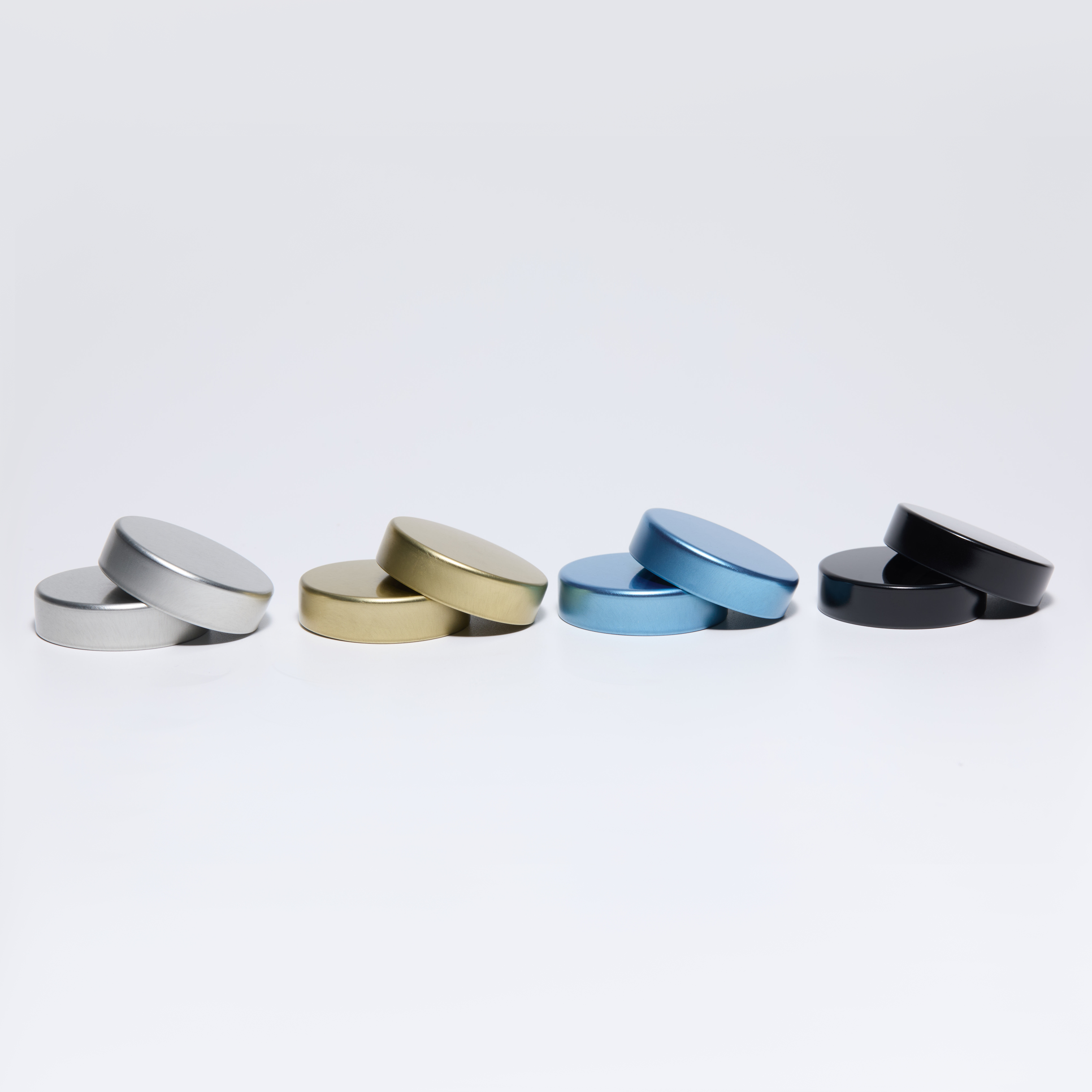
Seal integrity represents the cornerstone of product preservation in bottling operations across pharmaceutical, food and beverage, chemical, and cosmetic industries. When bottles fail to maintain proper seals, manufacturers face devastating consequences including product contamination, premature spoilage, regulatory violations, and substantial financial losses. The solution to these challenges lies in a component that often receives insufficient attention during packaging specification: the cap liner. Understanding how cap liners function as the critical barrier between bottle contents and external environment helps industrial buyers make informed decisions that directly impact product quality, shelf life, and brand reputation.
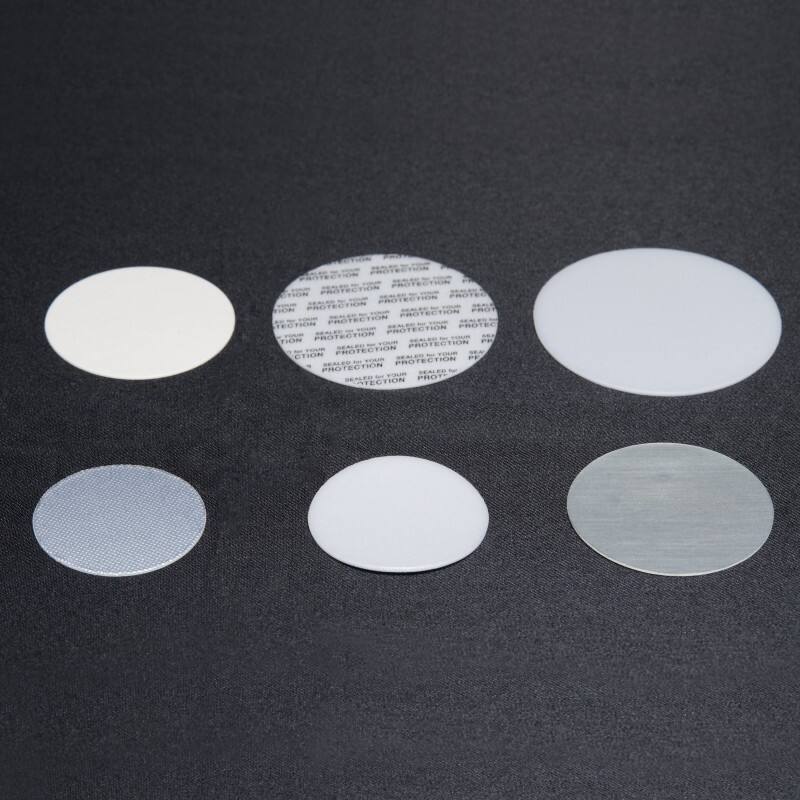
The mechanics behind seal integrity improvement involve complex interactions between liner materials, closure systems, and container characteristics. Cap liners work through multiple simultaneous mechanisms including compression sealing, chemical resistance barriers, and cushioning effects that compensate for container finish irregularities. This article examines the specific ways these small but essential components transform ordinary closures into high-performance sealing systems. By exploring material science principles, application-specific requirements, and performance optimization strategies, packaging engineers and procurement professionals can leverage cap liners to solve persistent sealing challenges while maintaining cost efficiency in high-volume production environments.
The Fundamental Sealing Mechanisms of Cap Liners
Compression Sealing and Contact Surface Optimization
Cap liners improve seal integrity primarily through controlled compression that creates continuous contact between the closure system and bottle finish. When caps are applied with appropriate torque, cap liners compress against the sealing surface of the container, conforming to microscopic irregularities in glass or plastic finishes that would otherwise create leak paths. This compression generates a mechanical seal that prevents liquid egress and gas exchange. The effectiveness of this mechanism depends on liner material compressibility, which must be carefully matched to the application torque range and container finish tolerances used in production.
The contact surface area between cap liners and bottle finishes directly influences sealing performance. Liners with broader sealing surfaces distribute compression forces more evenly, reducing stress concentrations that can cause seal failure over time. Material selection plays a crucial role here, as different polymer compositions exhibit varying degrees of elastic recovery after compression. High-quality cap liners maintain consistent contact pressure throughout product shelf life, even when subjected to temperature fluctuations and mechanical vibrations during distribution. This sustained contact prevents the gradual seal degradation that leads to quality complaints and product recalls.
Chemical Barrier Formation and Compatibility
Beyond mechanical sealing, cap liners function as chemical barriers that protect both product contents and closure components from reciprocal interaction. Many bottled products contain aggressive chemicals, essential oils, or active pharmaceutical ingredients that can degrade standard closure materials. Cap liners manufactured from chemically resistant polymers such as fluoropolymers or specialized polyethylene compounds isolate these contents from cap interiors, preventing corrosion, discoloration, and material degradation that compromise seal integrity. This barrier function proves especially critical in applications involving acids, alkalis, organic solvents, and oxidizing agents.
The chemical compatibility between cap liners and product formulations determines long-term sealing success. Incompatible materials may swell, shrink, or dissolve when exposed to certain chemicals, creating gaps that allow leakage or contamination. Pharmaceutical manufacturers frequently specify multi-layer cap liners that combine chemical resistance with regulatory compliance, using foam backing layers for conformability and inert facing materials for product contact. This layered approach allows cap liners to simultaneously address multiple sealing challenges while maintaining the material properties necessary for extended shelf life in demanding storage conditions.
Micro-Gap Elimination Through Material Flow
Container finish variations represent a persistent challenge in bottling operations, as molding processes inevitably produce dimensional inconsistencies within specified tolerance ranges. Cap liners improve seal integrity by flowing into and filling microscopic gaps that result from these manufacturing variations. When compressed during cap application, liner materials undergo controlled deformation that allows them to conform to surface irregularities, thread imperfections, and finish geometry variations. This flow behavior transforms imperfect mating surfaces into effective sealing interfaces that maintain integrity throughout distribution and storage.
The flow characteristics of cap liners depend on material formulation, temperature conditions during application, and compression forces applied by capping equipment. Thermoplastic materials used in many cap liners exhibit temperature-dependent viscosity that facilitates flow during hot-fill applications or induction sealing processes. This controlled flow ensures complete contact between liner and container, eliminating air pockets and discontinuities that would otherwise provide paths for gas or liquid migration. Understanding these material flow properties enables packaging engineers to optimize capping parameters for specific production environments and container specifications.
Material Science Behind Enhanced Seal Performance
Polymer Selection and Structure-Property Relationships
The seal integrity improvements delivered by cap liners stem directly from polymer selection and the structure-property relationships inherent in different materials. Polyethylene-based cap liners offer excellent chemical resistance and flexibility, making them suitable for products requiring long-term seal maintenance. Polypropylene formulations provide higher temperature resistance for hot-fill applications while maintaining adequate sealing pressure. Expanded polyethylene foam liners combine cushioning properties with conformability, effectively compensating for larger container finish variations. Each polymer type exhibits distinct compression set characteristics, gas permeability values, and chemical resistance profiles that determine suitability for specific applications.
Multi-layer cap liners leverage complementary properties of different polymers to achieve superior sealing performance. A typical pharmaceutical liner might combine a low-density polyethylene foam core for compressibility with a high-density polyethylene facing layer for chemical resistance and a pressure-sensitive adhesive backing for cap retention. This engineered structure allows each layer to perform specialized functions while the composite system delivers comprehensive sealing capabilities. Understanding these material combinations helps procurement professionals specify cap liners that address multiple performance requirements simultaneously, reducing the need for application-specific customization.
Compressibility and Elastic Recovery Characteristics
The ability of cap liners to maintain seal integrity over extended periods depends critically on their compressibility and elastic recovery properties. When caps are initially applied, cap liners compress to conform to sealing surfaces. However, long-term seal performance requires that liners maintain sealing pressure despite relaxation forces and environmental changes. Materials with high elastic recovery resist permanent deformation, preserving contact pressure throughout product shelf life. This characteristic becomes especially important in carbonated beverage applications, where internal pressure can gradually push closures outward, and in applications experiencing significant temperature cycling during distribution.
Compression set testing quantifies the permanent deformation cap liners undergo after sustained compression, providing critical data for predicting long-term sealing performance. Low compression set values indicate materials that recover well after compression release, maintaining sealing effectiveness despite repeated stress cycles. Cap liners engineered for demanding applications incorporate polymer formulations specifically designed for minimal compression set, often including crosslinked structures or elastomeric components that enhance recovery characteristics. These advanced materials command premium pricing but deliver measurably superior seal integrity in applications where product protection justifies the investment.
Gas Barrier Properties and Permeability Control
For many bottled products, preventing gas exchange between container contents and external atmosphere represents the primary sealing challenge. Cap liners improve seal integrity by providing low-permeability barriers that minimize oxygen ingress, carbon dioxide loss, and moisture vapor transmission. These barrier properties prove essential for carbonated beverages, oxygen-sensitive pharmaceuticals, and food products susceptible to oxidative degradation. The gas transmission rates of different liner materials vary by several orders of magnitude, with specialized barrier films offering permeability coefficients suitable for applications requiring extended shelf life without quality degradation.
The effectiveness of cap liners as gas barriers depends on both material selection and seal geometry. Even materials with excellent inherent barrier properties provide inadequate protection if mechanical seal discontinuities allow gas bypass around liner edges. Consequently, optimal gas barrier performance requires cap liners that combine low-permeability materials with designs ensuring complete peripheral sealing. Induction-sealed cap liners address this requirement by creating hermetic seals through heat-activated bonding to container finishes, eliminating potential bypass paths. This dual-function approach transforms cap liners from simple gaskets into comprehensive barrier systems that control both mechanical leakage and molecular diffusion.
Application-Specific Seal Integrity Requirements
Pharmaceutical and Nutraceutical Product Protection
Pharmaceutical applications impose stringent seal integrity requirements driven by regulatory compliance, product stability, and patient safety considerations. Cap liners used in pharmaceutical packaging must prevent moisture ingress that can degrade hygroscopic active ingredients, block oxygen transmission that accelerates oxidation reactions, and eliminate contamination risks from external particulates or microorganisms. These requirements typically necessitate high-performance cap liners combining multiple barrier layers with validated sealing reliability. Pharmaceutical manufacturers frequently specify cap liners that meet USP Class VI biocompatibility standards and demonstrate extractables and leachables profiles compatible with drug product formulations.
The tamper-evidence requirements common in pharmaceutical packaging add complexity to cap liner selection. Induction-sealed cap liners provide visible evidence of container opening through the removal of the bonded liner membrane, satisfying regulatory requirements while delivering superior seal integrity. These systems require careful optimization of sealing parameters including induction heating time, power levels, and cooling rates to achieve consistent bond strength without damaging container finishes or product contents. Pharmaceutical packaging engineers must balance tamper-evidence requirements with ease-of-opening considerations, particularly for patient populations with limited dexterity, making cap liner selection a critical factor in overall packaging system performance.
Food and Beverage Preservation Challenges
Food and beverage applications present diverse seal integrity challenges ranging from carbonation retention in soft drinks to oxidation prevention in edible oils. Cap liners address these challenges through material formulations optimized for specific preservation requirements. Carbonated beverage cap liners must withstand internal pressures while preventing carbon dioxide loss through both mechanical leakage and permeation. This typically requires high-compression materials that maintain sealing pressure against outward forces, combined with low-permeability compositions that minimize gas transmission. Hot-fill applications demand cap liners with dimensional stability at elevated temperatures, preventing seal failure during thermal processing while maintaining integrity after cooling.
Flavor and aroma preservation represents another critical function of cap liners in food packaging. Many food products contain volatile flavor compounds that readily permeate through standard closure materials, resulting in gradual quality loss. Specialized cap liners incorporating barrier films or adsorptive layers reduce flavor scalping and aroma loss, extending the period during which products maintain sensory characteristics matching consumer expectations. These advanced cap liners prove particularly valuable in premium product categories where flavor integrity justifies the incremental cost of enhanced closure systems. Understanding the relationship between liner material properties and flavor retention helps food packaging professionals optimize closure specifications for specific product formulations.
Chemical and Industrial Product Containment
Industrial chemical applications impose extreme demands on cap liner performance, often requiring resistance to aggressive solvents, concentrated acids, caustic solutions, and oxidizing agents. Cap liners for chemical containment must maintain seal integrity despite direct exposure to products that rapidly degrade many common packaging materials. Fluoropolymer-faced cap liners provide broad chemical resistance suitable for laboratory reagents, industrial solvents, and specialty chemicals. These materials resist swelling, dissolution, and chemical attack while maintaining mechanical sealing properties necessary for safe product storage and transportation.
The regulatory framework governing chemical packaging adds complexity to cap liner selection. Hazardous material regulations specify performance standards for closures used in shipping containers, including drop testing, pressure differential testing, and leakage prevention requirements. Cap liners must contribute to overall closure system performance that meets these standards while remaining compatible with aggressive chemical contents. This often requires custom liner designs incorporating specialized materials, reinforced structures, or multi-component sealing systems. Chemical manufacturers working with packaging suppliers to develop application-specific cap liners can achieve seal integrity improvements that simultaneously enhance safety, reduce environmental risks, and minimize product loss during storage and distribution.
Optimizing Cap Liner Performance in Production Environments
Capping Equipment Configuration and Torque Control
The seal integrity improvements provided by cap liners depend critically on proper capping equipment configuration and precise torque control during cap application. Insufficient application torque leaves cap liners inadequately compressed, creating potential leak paths and compromising sealing effectiveness. Excessive torque can cause liner material extrusion, thread damage, or container finish deformation that similarly degrades seal performance. Modern capping equipment incorporates torque monitoring systems that ensure consistent application forces within specifications validated during packaging development. These systems typically employ servo-driven spindles or pneumatic torque control mechanisms that compensate for variations in cap thread engagement and liner compression characteristics.
The relationship between application torque and seal integrity follows complex patterns influenced by cap liner material properties, container finish geometry, and environmental conditions. Packaging engineers must establish torque specifications through systematic testing that evaluates sealing performance across the full range of expected production variables. This typically involves measuring closure removal torque, conducting leak testing at various torque levels, and assessing seal integrity after simulated distribution testing. The resulting torque windows balance sealing effectiveness against consumer opening convenience, with tighter specifications generally required for applications involving hazardous materials or products requiring extended shelf life.
Container Finish Quality and Dimensional Control
While cap liners compensate for minor container finish variations, significant dimensional deviations or surface defects can overwhelm liner capabilities and cause seal failures. Container finish specifications must establish tolerance ranges compatible with selected cap liner performance characteristics. Critical finish dimensions include outside diameter, thread geometry, sealing surface flatness, and verticality. Glass bottle finishes require particular attention to surface roughness and edge sharpness that can compromise liner integrity. Plastic container finishes must address flash, sink marks, and dimensional variations resulting from molding process inconsistencies.
Implementing effective container quality control systems helps maximize seal integrity improvements achievable with cap liners. This includes establishing incoming container inspection protocols, monitoring finish dimensions using statistical process control methods, and investigating seal failure root causes when quality issues arise. Many bottling operations employ automated vision systems that inspect container finishes prior to filling, rejecting containers with defects likely to cause sealing problems. These quality assurance measures complement cap liner performance capabilities, creating robust closure systems that maintain integrity despite the inherent variability of high-volume manufacturing processes.
Environmental Factors and Storage Condition Impacts
The seal integrity provided by cap liners varies with environmental conditions during storage and distribution. Temperature fluctuations cause expansion and contraction of both containers and closure components, potentially creating gaps or excessive compression that affect sealing performance. High humidity environments can influence moisture-sensitive liner materials or promote corrosion of metal closure components. These environmental factors require consideration when selecting cap liners for products that will experience challenging distribution conditions or extended storage periods.
Accelerated aging studies help predict how cap liners will perform under various environmental stress conditions. These studies typically expose sealed containers to elevated temperatures, humidity cycling, or mechanical vibration that simulates months or years of storage in compressed timeframes. Seal integrity testing conducted at intervals throughout aging studies reveals degradation patterns and identifies potential failure modes before commercial distribution. Products requiring multi-year shelf life benefit particularly from this testing approach, as it validates cap liner selection and closure system design before committing to large-scale production. Understanding environmental impacts on seal performance enables packaging professionals to specify cap liners with appropriate performance margins for intended application conditions.
FAQ
What factors should I consider when selecting cap liners for my specific bottled product?
Selection of appropriate cap liners requires evaluating multiple factors including product chemical composition, required shelf life, regulatory requirements, filling temperature, storage conditions, and distribution environment. Begin by identifying chemical compatibility requirements between your product formulation and liner materials, as incompatible combinations lead to seal failure. Consider barrier property needs such as oxygen sensitivity, moisture sensitivity, or carbonation retention requirements. Evaluate regulatory compliance needs including food contact approvals, pharmaceutical standards, or hazardous material regulations. Assess mechanical requirements such as application torque ranges, container finish variations, and consumer opening convenience. Finally, consider cost-performance tradeoffs by comparing liner options that meet minimum requirements against premium materials offering extended shelf life or enhanced protection.
How do induction-sealed cap liners differ from standard compression-seal liners in terms of seal integrity?
Induction-sealed cap liners create hermetic seals by bonding directly to container finishes through heat-activated adhesive layers, providing superior seal integrity compared to compression-only designs. The induction sealing process uses electromagnetic induction to heat a foil layer within the cap liner, melting adhesive that bonds to the container finish upon cooling. This creates a continuous seal across the entire container opening, eliminating potential leak paths around liner perimeters. Induction seals also provide tamper evidence through visible liner removal upon first opening. However, they require specialized sealing equipment, compatible container materials, and precise process control. Standard compression-seal cap liners rely solely on mechanical pressure to create seals, offering simpler application but potentially lower barrier performance for demanding applications. The choice depends on product protection requirements, production capabilities, and cost constraints specific to each application.
Can cap liners maintain seal integrity in bottles subjected to significant temperature variations during shipping?
Quality cap liners maintain seal integrity through moderate temperature variations commonly encountered during shipping, though extreme conditions may require specialized materials or designs. Temperature changes cause dimensional variations in both containers and closure systems through thermal expansion and contraction. Cap liners with good elastic recovery accommodate these dimensional changes by maintaining contact pressure across temperature ranges. However, severe thermal cycling or exposure to extreme temperatures can exceed liner material capabilities, causing permanent deformation or adhesive failure in bonded systems. Products shipped through temperature extremes benefit from cap liners specifically formulated for thermal stability, such as high-temperature polyethylene or fluoropolymer materials. Additionally, proper application torque becomes critical, as seals applied too loosely may fail when containers contract in cold conditions, while overly tight application may cause excessive stress when components expand in heat. Conducting distribution simulation testing under expected temperature profiles validates seal integrity for specific shipping conditions.
How frequently should capping equipment be calibrated to ensure consistent seal integrity with cap liners?
Capping equipment calibration frequency depends on production volume, equipment type, and product criticality, but most operations benefit from daily torque verification with comprehensive calibration quarterly or whenever seal integrity issues arise. High-speed production lines should verify application torque at startup and monitor continuously using torque feedback systems integrated into capping machinery. Manual or semi-automatic capping equipment requires more frequent verification due to greater operator influence on application consistency. Calibration procedures should include testing torque accuracy across the working range, verifying spindle alignment, checking chuck condition, and confirming proper cap feeding. Maintain calibration records documenting torque measurements, adjustment actions, and seal integrity test results to establish performance trends and support root cause investigations when quality issues occur. For pharmaceutical or other regulated applications, establish calibration protocols meeting applicable quality system requirements and maintain validation documentation supporting equipment qualification status.
Table of Contents
- The Fundamental Sealing Mechanisms of Cap Liners
- Material Science Behind Enhanced Seal Performance
- Application-Specific Seal Integrity Requirements
- Optimizing Cap Liner Performance in Production Environments
-
FAQ
- What factors should I consider when selecting cap liners for my specific bottled product?
- How do induction-sealed cap liners differ from standard compression-seal liners in terms of seal integrity?
- Can cap liners maintain seal integrity in bottles subjected to significant temperature variations during shipping?
- How frequently should capping equipment be calibrated to ensure consistent seal integrity with cap liners?