 EN
EN
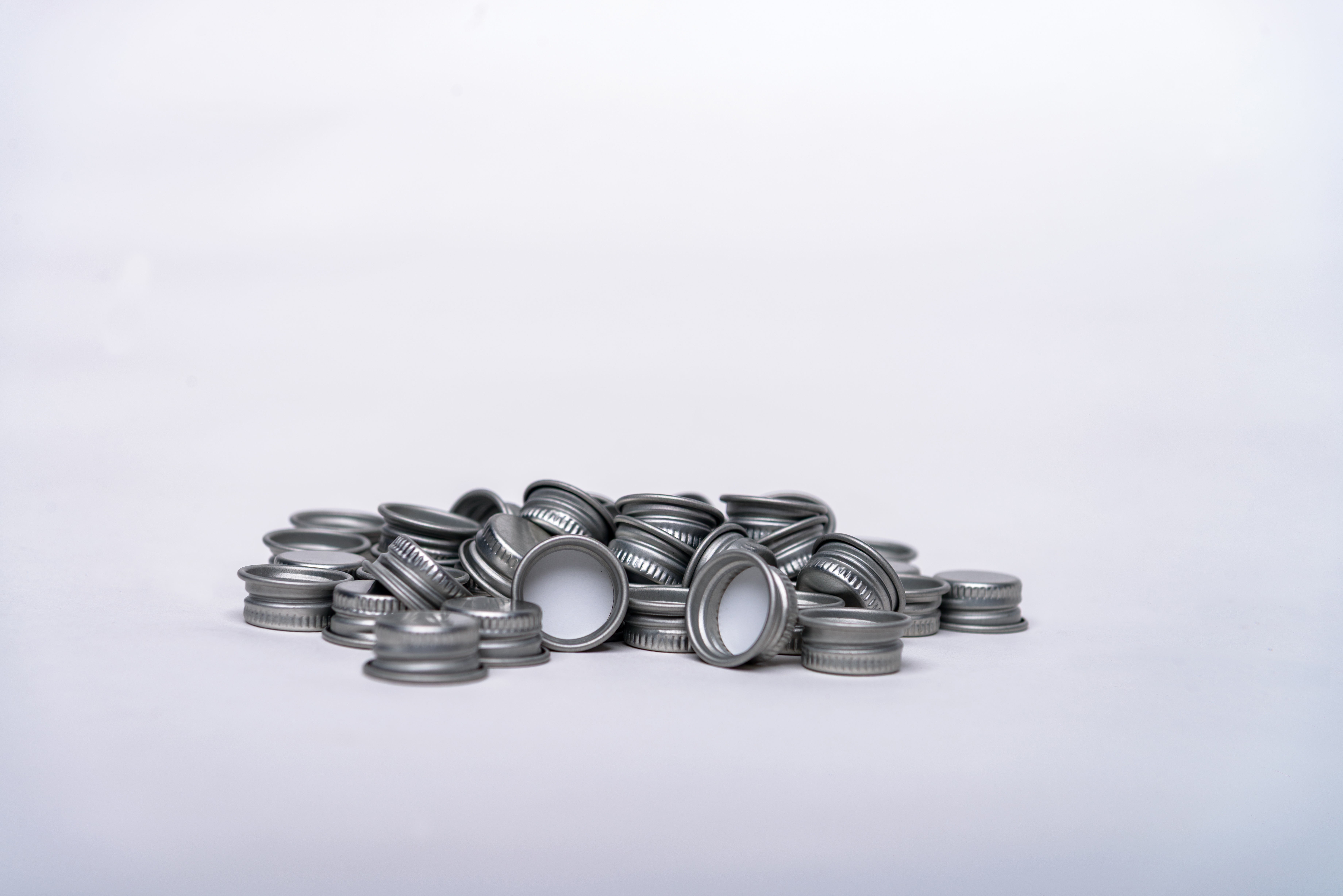
In today's competitive industrial landscape, manufacturers constantly seek innovative methods to differentiate their products while ensuring quality and consumer trust. Customized cap liners represent a strategic branding opportunity that extends far beyond basic product sealing. These specialized components, positioned at the critical interface between packaging and product, offer manufacturers a unique canvas for brand communication while simultaneously delivering essential functional benefits. Understanding why customized cap liners have become indispensable for forward-thinking manufacturers requires examining both the tangible business advantages and the psychological impact on end consumers.
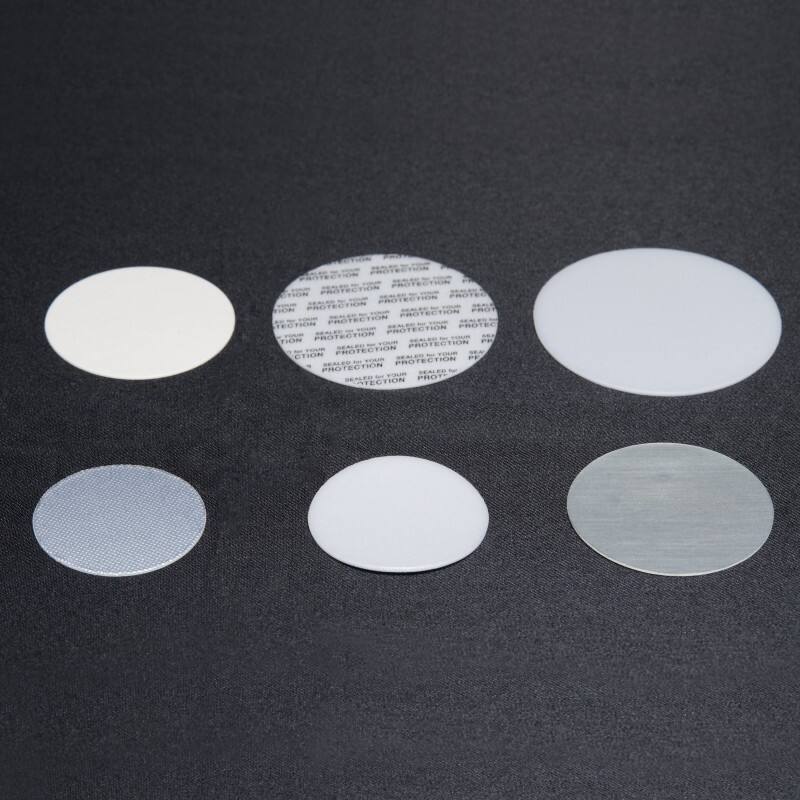
The decision to implement customized cap liners stems from manufacturers recognizing that every customer touchpoint matters in building brand equity. When consumers remove a cap to access a product, the liner becomes an immediate visual and tactile brand encounter that can reinforce quality perception, communicate essential information, and create memorable brand moments. This article explores the compelling reasons manufacturers should invest in customized cap liners as a core component of their branding strategy, examining the functional advantages, marketing benefits, authentication capabilities, and long-term value proposition that make these components essential in modern packaging design.
Brand Visibility and Consumer Recognition
Creating Immediate Brand Impressions at Point of Use
Customized cap liners deliver brand messaging precisely when consumers are most engaged with a product. Unlike external packaging that may be discarded immediately after purchase, cap liners remain with the product throughout its entire lifecycle, creating repeated brand exposures with every use. Manufacturers who leverage this consistent visibility establish stronger brand recall compared to competitors relying solely on external labeling. The psychological impact of seeing brand elements during product usage reinforces purchase decisions and builds familiarity that translates into brand loyalty over time.
The visual real estate provided by customized cap liners allows manufacturers to incorporate logos, color schemes, taglines, and design elements that align perfectly with overall brand identity. This consistency across all packaging touchpoints creates a cohesive brand experience that professional buyers and end consumers recognize and value. For manufacturers operating in crowded market segments, the distinctive appearance of customized cap liners can become a differentiating factor that makes products instantly recognizable even when competitors offer similar formulations or features.
Beyond simple logo placement, sophisticated manufacturers use customized cap liners to communicate brand values and quality positioning. Premium brands can incorporate metallic finishes, embossed textures, or multi-color printing that signals superior quality before consumers even experience the product itself. This strategic use of cap liner design influences perceived value and justifies premium pricing strategies that might otherwise face resistance in price-sensitive markets.
Reinforcing Brand Identity Through Design Consistency
Design consistency across all packaging components strengthens brand recognition and builds professional credibility with both distribution partners and end users. Customized cap liners that mirror the visual language of bottles, labels, and secondary packaging create a unified presentation that communicates attention to detail and manufacturing excellence. This holistic approach to packaging design signals to buyers that the manufacturer invests in quality throughout the entire product experience, not just in the formulation itself.
Manufacturers serving multiple market segments can use customized cap liners to create distinct product lines while maintaining overarching brand cohesion. Different liner colors, patterns, or informational content can help consumers quickly identify product variants, strength levels, or application-specific formulations within a product family. This visual organization system reduces confusion at point of purchase and improves the overall user experience, contributing to higher customer satisfaction and repeat purchase rates.
The permanence of customized cap liners also protects brand identity throughout distribution channels. Unlike adhesive labels that may peel, fade, or become damaged during shipping and handling, properly manufactured cap liners maintain their appearance and legibility under typical storage conditions. This durability ensures that brand messaging remains intact from factory to final consumer, protecting brand reputation and preventing the negative impressions that can result from deteriorated packaging components.
Product Authentication and Anti-Counterfeiting Protection
Implementing Security Features That Protect Brand Integrity
Counterfeiting poses an escalating threat to manufacturers across numerous industries, from pharmaceuticals and nutraceuticals to personal care products and industrial chemicals. Customized cap liners provide an effective platform for incorporating authentication features that help distributors and consumers verify product authenticity. Manufacturers can integrate security elements such as holographic patterns, microprinting, UV-reactive inks, or serialized codes that are difficult for counterfeiters to replicate accurately, creating a verifiable chain of custody that protects both brand reputation and consumer safety.
The cost-effectiveness of embedding security features within customized cap liners makes authentication accessible even for mid-sized manufacturers who might find other anti-counterfeiting technologies prohibitively expensive. Because cap liners are already necessary functional components, adding security elements represents an incremental investment rather than an entirely separate expense. This economic efficiency allows manufacturers to protect their intellectual property and market position without significantly impacting overall production costs or profit margins.
Beyond preventing unauthorized reproduction, authentication-enabled customized cap liners build consumer confidence in product legitimacy. In markets where counterfeit goods are prevalent concerns, visible security features provide immediate reassurance that consumers are purchasing genuine products. This confidence factor can become a competitive advantage, particularly when manufacturers educate customers about authentication methods and position their security measures as evidence of commitment to quality and consumer protection.
Supporting Regulatory Compliance and Traceability Requirements
Regulatory environments in pharmaceutical, food, and chemical industries increasingly demand enhanced traceability throughout supply chains. Customized cap liners can incorporate batch codes, production dates, expiration information, and tracking identifiers that support compliance with serialization mandates and enable rapid response to quality issues or recall situations. Manufacturers who proactively integrate these informational elements into customized cap liners position themselves favorably for evolving regulatory requirements while demonstrating commitment to product safety and quality management.
The permanent nature of information printed or embossed on customized cap liners provides reliable documentation that remains legible throughout product shelf life. Unlike external labels that may be removed, switched, or damaged, liner-based identification stays with the product until consumption, ensuring accurate tracking and preventing mix-ups in storage or distribution environments. This reliability makes customized cap liners particularly valuable for manufacturers managing complex product portfolios or operating in highly regulated sectors where documentation accuracy is critical.
Digital integration represents an emerging frontier for customized cap liners, with some manufacturers incorporating QR codes or NFC tags that enable smartphone-based authentication and provide access to detailed product information, usage instructions, or brand engagement content. These smart packaging approaches transform customized cap liners from passive branding elements into interactive tools that enhance consumer experience while generating valuable data about product usage patterns and market dynamics.
Functional Advantages That Support Brand Promises
Ensuring Product Freshness and Quality Preservation
Brand reputation ultimately depends on consistent product quality, and customized cap liners contribute significantly to maintaining formulation integrity from manufacturing through consumption. Properly designed liners create effective barriers against oxygen, moisture, and contaminants that can degrade product quality, extend shelf life, and prevent the disappointing experiences that damage brand perception. Manufacturers who invest in customized cap liners with appropriate barrier properties demonstrate tangible commitment to delivering products that meet performance expectations, reinforcing the quality promises central to their brand positioning.
The material selection and construction specifications for customized cap liners can be tailored to specific product requirements, ensuring optimal protection for different formulation chemistries and packaging environments. Manufacturers of volatile compounds might specify liners with enhanced vapor barrier properties, while those producing moisture-sensitive products would prioritize materials with superior humidity resistance. This customization capability allows manufacturers to optimize protection for their specific products rather than accepting compromise solutions from generic liner options.
Tamper-evidence features integrated into customized cap liners provide additional quality assurance by making any unauthorized access immediately visible. Whether through pull-tab designs, breakaway rings, or adhesive systems that leave clear evidence of opening, these features protect product integrity throughout distribution channels and reassure consumers that they are receiving uncompromised products. This visible security supports brand trust and differentiates manufacturers in markets where product tampering concerns influence purchasing decisions.
Delivering Superior User Experience Through Thoughtful Design
Consumer experience with packaging directly influences overall product satisfaction and brand perception. Customized cap liners designed with user convenience in mind contribute to positive brand associations that extend beyond product formulation alone. Features such as easy-removal tabs, textured grip surfaces, or clearly visible opening instructions reduce frustration during initial use and create favorable impressions that influence repurchase likelihood and word-of-mouth recommendations.
Manufacturers serving aging demographics or consumers with limited dexterity can use customized cap liners to demonstrate inclusive design thinking that broadens market appeal. Liners engineered for easier removal or incorporating visual aids for proper usage communicate brand values of accessibility and consumer consideration. These thoughtful design elements differentiate caring brands from competitors who treat packaging merely as functional necessity rather than an opportunity to enhance customer relationships.
The sensory qualities of customized cap liners also contribute to brand perception in subtle but meaningful ways. Premium materials with satisfying tactile properties, clean removal characteristics, and quality appearance reinforce perceptions of product excellence. Conversely, liners that tear irregularly, leave adhesive residue, or appear cheap can undermine even superior formulations by creating negative associations that consumers may unconsciously transfer to the product itself. Strategic investment in high-quality customized cap liners ensures that packaging quality matches and supports product quality claims.
Marketing Communication and Consumer Engagement Opportunities
Utilizing Cap Liners as Secondary Messaging Platforms
The interior surface of customized cap liners represents valuable communication space that many manufacturers underutilize. Beyond basic branding elements, this platform can deliver important usage instructions, safety warnings, promotional messages, or educational content that enhances product value and supports marketing objectives. Manufacturers who strategically leverage this space create additional consumer touchpoints without requiring separate inserts or increasing packaging complexity, maximizing marketing efficiency while maintaining clean external aesthetics.
Seasonal campaigns, limited editions, or promotional partnerships can be supported through temporary customization of cap liners without requiring changes to primary packaging components. This flexibility allows manufacturers to execute targeted marketing initiatives cost-effectively while maintaining brand consistency across core product lines. The ability to modify liner messaging without retooling entire packaging systems provides marketing agility that supports responsive campaign management and market testing of new positioning concepts.
Interactive elements incorporated into customized cap liners can drive consumer engagement beyond the physical product experience. Manufacturers might include contest codes, loyalty program identifiers, or social media prompts that encourage digital interaction and build ongoing relationships with customers. These engagement mechanisms transform one-time purchases into opportunities for continued brand dialogue, supporting customer retention strategies and generating valuable consumer data that informs future product development and marketing efforts.
Communicating Sustainability Commitments and Environmental Responsibility
Environmental consciousness increasingly influences purchasing decisions across consumer and industrial markets. Customized cap liners manufactured from recyclable, biodegradable, or post-consumer recycled materials provide tangible evidence of corporate sustainability commitments that resonate with environmentally aware buyers. Manufacturers who highlight these material choices through liner messaging or certification symbols differentiate themselves in markets where environmental responsibility has become a key selection criterion for conscious consumers and corporate procurement departments.
The use of customized cap liners can also support broader packaging optimization initiatives that reduce overall environmental impact. Liners designed to enable lighter-weight primary packaging, eliminate secondary seals, or improve recyclability of complete package systems contribute to sustainability goals while maintaining product protection standards. Communicating these system-level environmental benefits through liner messaging helps manufacturers build credibility with stakeholders who evaluate suppliers based on comprehensive sustainability performance rather than isolated material choices.
Transparency about material composition and disposal instructions printed on customized cap liners supports consumer participation in recycling programs and demonstrates manufacturer commitment to circular economy principles. Clear guidance about proper separation of packaging components for recycling reduces contamination of waste streams and increases actual recycling rates, contributing to measurable environmental improvements that support corporate responsibility reporting and sustainability marketing claims.
Economic Value and Return on Investment Considerations
Analyzing Cost-Benefit Dynamics of Customized Cap Liners
While customized cap liners require higher initial investment compared to generic alternatives, comprehensive analysis reveals favorable economics when considering the full range of benefits delivered. The branding value, authentication protection, quality assurance, and marketing communication capabilities of customized cap liners generate returns that significantly exceed incremental costs for most manufacturers. Understanding this value proposition requires looking beyond simple per-unit pricing to examine impacts on brand equity, customer acquisition costs, product differentiation, and long-term customer lifetime value.
Manufacturers operating in competitive markets often find that customized cap liners enable premium pricing strategies that quickly offset implementation costs. The quality perception and brand differentiation supported by professional customized cap liners justifies price premiums that generic packaging cannot command. Even modest price improvements across product lines can generate substantial revenue increases that dwarf the incremental investment in liner customization, particularly for manufacturers with established distribution networks and significant sales volumes.
The protective functions of properly specified customized cap liners also deliver economic value through reduced product losses, fewer quality complaints, and lower costs associated with handling returns or managing reputation damage from deteriorated products. Manufacturers who calculate total cost of ownership rather than focusing exclusively on acquisition pricing recognize that investing in superior liner performance reduces downstream expenses and protects revenue streams from quality-related disruptions that can severely impact profitability and market position.
Strategic Sourcing and Supplier Partnership Approaches
Maximizing the value of customized cap liners requires establishing productive relationships with capable suppliers who understand both technical requirements and branding objectives. Manufacturers should seek liner suppliers offering comprehensive design support, material expertise, quality assurance capabilities, and production flexibility that enables responsive execution of customization requirements. The supplier selection process should evaluate technical competencies, production capacity, quality management systems, and collaborative approach rather than focusing exclusively on unit pricing.
Long-term partnerships with specialized liner manufacturers often yield superior outcomes compared to transactional sourcing approaches that prioritize short-term cost minimization. Collaborative relationships enable continuous improvement of liner specifications, proactive problem-solving when issues arise, and strategic planning for future product launches or packaging innovations. Suppliers invested in customer success provide valuable technical consultation that helps manufacturers optimize liner performance while managing costs effectively over time.
Volume consolidation strategies can improve economics of customized cap liners by reducing setup costs and enabling more favorable pricing structures. Manufacturers operating multiple product lines should work with suppliers to identify opportunities for standardizing base liner specifications while maintaining differentiation through printing or secondary customization processes. This balanced approach captures economies of scale without sacrificing the branding benefits that justify customization investment in the first place.
FAQ
How do customized cap liners improve brand recognition compared to standard liners?
Customized cap liners improve brand recognition by providing consistent visual reinforcement of brand identity at every product interaction throughout the entire usage cycle. Unlike standard liners that offer no branding opportunity, customized versions incorporate logos, colors, and design elements that create repeated brand exposures each time consumers open the product. This persistent visibility builds familiarity and recall more effectively than external packaging alone, particularly for products with extended usage periods. The psychological impact of seeing brand elements during active product use creates stronger memory associations than passive exposure to shelf packaging, translating into improved recognition in competitive retail environments and increased likelihood of repeat purchases when consumers seek familiar, trusted brands.
What security features can be incorporated into customized cap liners to prevent counterfeiting?
Customized cap liners can incorporate multiple authentication technologies including holographic patterns that display distinctive visual effects difficult to replicate, microprinting with fine detail visible only under magnification, UV-reactive inks that reveal hidden patterns under ultraviolet light, serialized codes enabling track-and-trace verification, and proprietary material compositions detectable through specialized testing. Advanced implementations might include digital elements such as QR codes linked to authentication databases or NFC chips enabling smartphone verification of product legitimacy. The most effective anti-counterfeiting approaches combine multiple visible and covert features in layered security systems that create significant barriers to reproduction while providing straightforward verification methods for legitimate supply chain participants and concerned consumers seeking assurance of product authenticity.
Are customized cap liners suitable for small-batch or specialty product manufacturers?
Customized cap liners are increasingly accessible for small-batch and specialty manufacturers due to evolving production technologies that reduce minimum order quantities and setup costs. Digital printing capabilities enable economical customization even for limited production runs, while modular tooling approaches allow manufacturers to create distinctive liners without prohibitive initial investments. Small-batch producers often find customized cap liners particularly valuable because distinctive packaging helps specialty products stand out in markets dominated by larger competitors with established brands. The branding impact and quality perception benefits of customization can be especially significant for premium specialty products where packaging quality directly influences purchase decisions and justifies higher price points that offset incremental liner costs.
How long does the customization process typically take from design approval to production delivery?
The timeline for customized cap liner implementation varies based on complexity of design requirements, material specifications, and supplier production schedules, but typically ranges from four to eight weeks from final design approval to delivery of production quantities. Initial development including design consultation, material selection, and prototype sampling may require additional time before formal approval. Manufacturers planning new product launches should initiate liner customization discussions early in packaging development timelines to ensure adequate lead time for design iteration, tooling preparation, and production scheduling. Established supplier relationships and standardized base specifications can significantly reduce turnaround times for subsequent orders or product line extensions, while rush production capabilities may be available for urgent requirements though often at premium pricing.
Table of Contents
- Brand Visibility and Consumer Recognition
- Product Authentication and Anti-Counterfeiting Protection
- Functional Advantages That Support Brand Promises
- Marketing Communication and Consumer Engagement Opportunities
- Economic Value and Return on Investment Considerations
-
FAQ
- How do customized cap liners improve brand recognition compared to standard liners?
- What security features can be incorporated into customized cap liners to prevent counterfeiting?
- Are customized cap liners suitable for small-batch or specialty product manufacturers?
- How long does the customization process typically take from design approval to production delivery?