
 EN
EN
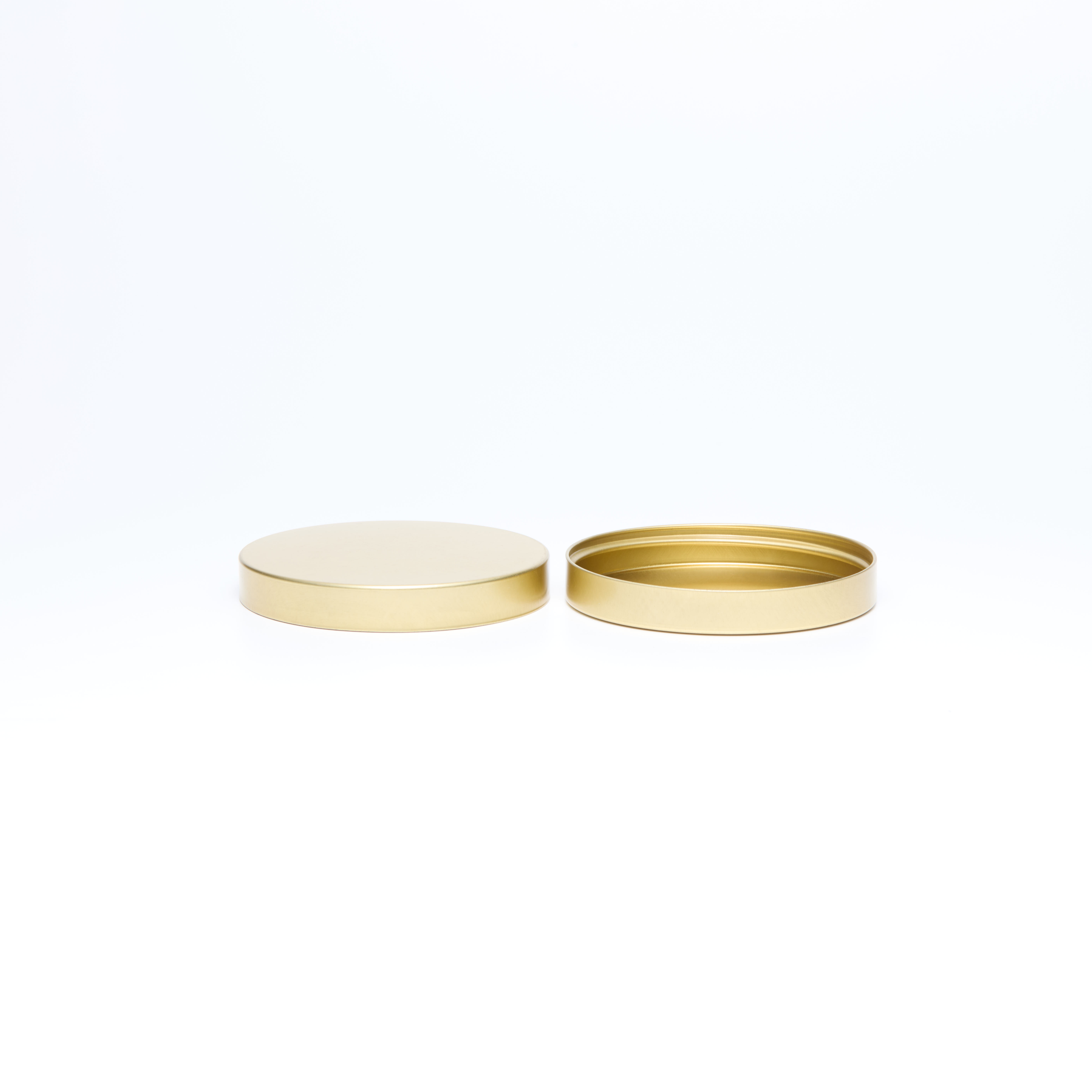
Die Verpackungseffizienz wirkt sich unmittelbar auf die Produktionsgeschwindigkeit, den Materialabfall und die gesamten Betriebskosten in der Fertigungs- und Distributionsbranche aus. Unter den verschiedenen verfügbaren Verschlusssystemen hat sich die Außengewindekappe als entscheidende Komponente herausgestellt, die die Leistungsfähigkeit von Verpackungsprozessen signifikant verbessert. Dieser Verschlussmechanismus bietet eine Kombination aus hoher Applikationsgeschwindigkeit, zuverlässiger Dichtleistung und Kompatibilität mit automatisierten Abfülllinien, wodurch die Produktionsprozesse – von der Abfüllung bis zum endgültigen Versand – optimiert werden. Um zu verstehen, wie Außengewindekappen zur Verpackungseffizienz beitragen, ist es erforderlich, die mechanischen Vorteile, betrieblichen Nutzen sowie systemweiten Verbesserungen zu untersuchen, die sie entlang der gesamten Lieferkette bewirken.
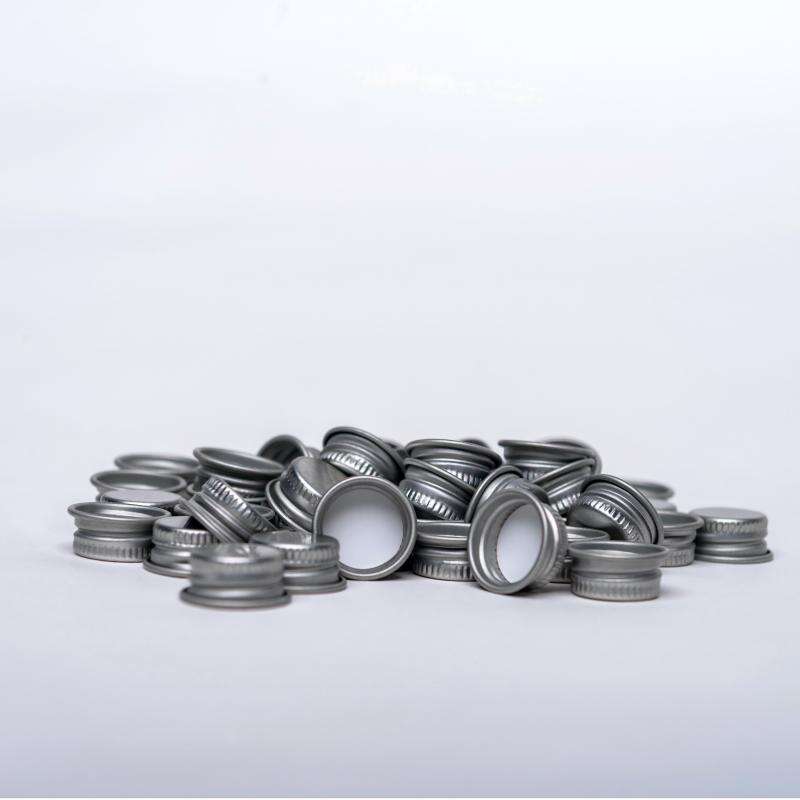
Die durch Außengewindeverschlüsse erzielten Effizienzsteigerungen resultieren aus ihrer konstruktiven Einfachheit und funktionalen Vielseitigkeit. Im Gegensatz zu komplexen Verschlusssystemen, die spezielle Applikationsgeräte oder mehrstufige Versiegelungsverfahren erfordern, funktionieren Außengewindeverschlüsse nach einem einfachen Aufschraubprinzip, das sowohl die Zeit pro Einheit als auch den Wartungsaufwand für die Geräte reduziert. Dieser grundlegende Vorteil führt zu messbaren Verbesserungen bei mehreren Verpackungskennzahlen, darunter Liniengeschwindigkeit, Personalaufwand, Qualitätskonstanz und Materialausnutzung. Für Hersteller, die ihre Abfüllprozesse optimieren möchten, ohne die Produktintegrität zu beeinträchtigen, stellt der Außengewindeverschluss eine bewährte Lösung dar, die Leistungsfähigkeit mit praktischen betrieblichen Vorteilen in Einklang bringt.
Mechanische Konstruktionsvorteile, die die Verschlussapplikation beschleunigen
Gewindeeingriffsmechanik und Applikationsgeschwindigkeit
Die Außengewindekappe erreicht durch ihre optimierte Gewindegeometrie eine überlegene Applikationsgeschwindigkeit, die eine schnelle Verzahnung mit den Flaschenabschlüssen ermöglicht. Die externe Positionierung der Gewinde am Flaschenhals erlaubt es der Verschließmaschine, Kontakt und Drehung gleichzeitig einzuleiten, wodurch die Ausrichtungsverzögerungen entfallen, die bei Systemen mit Innengewinde üblich sind. Die meisten Außengewindekappen nutzen grobe Gewindemuster mit Steigungswerten zwischen zwei und drei Millimetern, sodass zur vollständigen Verschließung lediglich eineinhalb bis drei volle Umdrehungen erforderlich sind. Diese reduzierte Anzahl an Umdrehungen verringert direkt die Zykluszeit pro Flasche und ermöglicht es automatisierten Verschließmaschinen, innerhalb desselben Betriebszeitfensters höhere Mengen zu verarbeiten.
Der mechanische Vorteil von Außengewinden zeigt sich besonders deutlich in Hochgeschwindigkeits-Produktionsumgebungen, wo Millisekunden sich zu erheblichen Unterschieden bei der Durchsatzleistung summieren. Standard-Verschließmaschinen können Außengewindeverschlüsse mit einer korrekten Kalibrierung mit einer Geschwindigkeit von über vierhundert Einheiten pro Minute aufbringen, verglichen mit langsameren Aufbringgeschwindigkeiten, die für Press- oder Schnappverschlüsse erforderlich sind, da diese eine präzise vertikale Kraftaufbringung erfordern. Die rotationsgesteuerte Verriegelung des Außengewindeverschlusses verteilt die Schließkraft entlang der spiralförmigen Gewindeganglinie, anstatt die Spannung an einem einzigen Punkt zu konzentrieren; dies verringert das Risiko einer Fehlverzahnung und ermöglicht höhere Maschinengeschwindigkeiten, ohne die Dichtigkeitsintegrität zu beeinträchtigen.
Konsistenz bei der Drehmomentaufbringung und automatisierte Steuerung
Außengewindeverschlüsse ermöglichen eine präzise Drehmomentkontrolle durch automatisierte Verschließsysteme, wodurch die Verpackungseffizienz direkt gesteigert wird, indem sowohl zu locker als auch zu fest verschlossene Verschlüsse minimiert werden. außengewindekappe erhält die optimale Anzugskraft, die für die jeweilige Behälter- und Produktkombination vorgegeben ist. Diese Konsistenz beseitigt die inhärente Variabilität manueller Verschließvorgänge und senkt die Ausschussraten, die durch Dichtungsversagen oder Beschädigung der Verschlüsse infolge übermäßigen Drehmoments verursacht werden.
Die Möglichkeit, spezifische Drehmomentparameter für Verschlüsse mit Außengewinde zu programmieren, ermöglicht es Herstellern, die Verschluss-Spezifikationen für unterschiedliche Produktviskositäten, Abfülltemperaturen und Vertriebsbedingungen zu optimieren, ohne die physikalische Ausrüstung zu wechseln. Drehmomenteinstellungen liegen typischerweise zwischen acht und fünfundzwanzig Inch-Pound für Behälter im Kleinformatsbereich und bis zu sechzig Inch-Pound für größere industrielle Verpackungen; programmierbare Verschlusssysteme erlauben dabei eine sofortige Anpassung zwischen den Produktionsläufen. Diese Flexibilität eliminiert Ausfallzeiten, die mit mechanischen Umrüstungen verbunden sind, und ermöglicht eine schnelle Reaktion auf Qualitätsabweichungen – was sich direkt auf die Gesamteffektivität der Anlage (OEE) und die Produktionseffizienz auswirkt.
Verträglichkeit mit Materialien und Vorteile des leichten Designs
Die strukturelle Effizienz von Außengewindeverschlüssen ermöglicht es Herstellern, dünnere Wandstärken und geringeres Materialgewicht einzusetzen, ohne die funktionale Leistungsfähigkeit einzubüßen. Aluminium- und Weißblech-Außengewindeverschlüsse können durch präzises Stanzen und Umformen mit Wandstärken von nur 0,2 Millimetern hergestellt werden, was im Vergleich zu schwereren Verschlussalternativen zu erheblichen Materialeinsparungen führt. Diese Gewichtsreduktion senkt die Rohstoffkosten, verringert das Transportgewicht entlang der gesamten Distributionskette und mindert die Umweltbelastung durch den Materialverbrauch.
Die Kompatibilität von Außengewindeverschlüssen mit unterschiedlichen Materialien – darunter Aluminium, Weißblech und verschiedene Polymerformulierungen – bietet Herstellern Optimierungsmöglichkeiten basierend auf spezifischen Produktanforderungen und Kostenzielen. Metallische Außengewindeverschlüsse bieten hervorragende Barriereeigenschaften und Manipulationssicherheit, behalten dabei jedoch die geringe Masse bei, die die Handhabungseffizienz sowohl beim Aufbringen als auch beim Öffnen durch den Endverbraucher verbessert. Die Möglichkeit, Materialien anhand funktionaler Prioritäten statt aufgrund von Einschränkungen des Verschlusssystems auszuwählen, stellt einen bedeutenden Effizienzvorteil in der Produktentwicklung und im Supply-Chain-Management dar.
Betriebliche Vorteile in automatisierten Produktionsumgebungen
Integration in Hochgeschwindigkeits-Fülllinien
Außengewindeverschlüsse zeichnen sich durch eine außergewöhnliche Kompatibilität mit automatisierten Abfüll- und Verschließsystemen aus und ermöglichen so eine nahtlose Integration, die die Linieneffizienz maximiert. Die bei der Herstellung von Außengewindeverschlüssen erzielbaren konstanten Maßtoleranzen gewährleisten eine zuverlässige Zuführung durch Schwingrinnen-, Verschluss-Sortier- und Förderkanalsysteme, ohne dass es zu Verstopfungen oder Fehlausrichtungen kommt, die den Produktionsfluss stören würden. Diese Zuverlässigkeit reduziert ungeplante Ausfallzeiten und minimiert den Arbeitsaufwand für die Überwachung und manuelle Eingriffe an den Anlagen während der Produktionsläufe.
Moderne Abfüllanlagen mit Außengewindeverschlüssen ermöglichen eine Synchronisation zwischen Abfüllstationen und Verschlussköpfen, die den Gesamtdurchsatz optimiert. Die vorhersehbaren Applikationseigenschaften von Außengewindeverschlüssen erlauben eine präzise Zeitabstimmung, bei der Verschlüsse kontinuierlich in Bewegung zusammen mit den sich bewegenden Behältern zugeführt und aufgebracht werden – wodurch der Start-Stopp-Betrieb entfällt, der bei Chargenverarbeitungssystemen die Effizienz mindert. Diese Fähigkeit zum kontinuierlichen Betrieb gewinnt zunehmend an Bedeutung, wenn die Produktionsmengen steigen; die Effizienzgewinne verstärken sich dabei, sobald die Anlagengeschwindigkeit über dreihundert Einheiten pro Minute ansteigt.
Verringerte Wartungs- und Umrüstzeiten für die Anlagen
Die einfache mechanische Schnittstelle zwischen Außengewindeverschlüssen und Anlagenausrüstung führt im Vergleich zu komplexeren Verschlusssystemen zu deutlich geringeren Wartungsanforderungen. Verschlussköpfe, die für Außengewindeverschlüsse ausgelegt sind, bestehen typischerweise aus weniger beweglichen Teilen und weisen aufgrund des Dreh-Einrast-Prozesses weniger Verschleiß auf als Geräte, die Steck- oder Krimpverschlüsse verarbeiten. Die geringere Wartungshäufigkeit führt zu einer höheren Anlagenverfügbarkeit und niedrigeren Gesamtbetriebskosten für Verpackungsprozesse und trägt dadurch direkt zu einer verbesserten Effizienz durch erhöhte produktive Betriebszeit bei.
Die Umrüstung zwischen verschiedenen Außengewindeverschlussgrößen und -ausführungen erfordert nur geringfügige Anpassungen an automatisierten Verschließanlagen, insbesondere bei Verwendung von Schnellwechselsystemen, die speziell für Gewindeverschlüsse konzipiert sind. Die meisten Umrüstungen können in weniger als fünfzehn Minuten durchgeführt werden, indem lediglich die Spindelhöhe, die Verschlusszuführführungen und die Drehmomentparameter angepasst werden – ohne umfangreiche mechanische Demontage oder Neuausrichtung. Diese schnelle Umrüstbarkeit unterstützt die Fertigungsflexibilität und ermöglicht eine wirtschaftliche Produktion kleinerer Losgrößen, was die Lagerwirtschaft optimiert und das im Fertigwarenlager gebundene Betriebskapital reduziert.
Qualitätssicherung und Fehlerreduzierung
Außengewindekappen ermöglichen eine umfassende Inline-Qualitätsprüfung durch Drehmomentüberwachung, Kappenpräsenzerkennung und Dichtheitsprüfung. So werden Fehler erkannt, bevor die Produkte die Verpackungslinie verlassen. Der rotierende Aufschraubvorgang erzeugt messbare Drehmomentsignale, die in Echtzeit analysiert werden können, um Anomalien wie Gewindeverkantung, fehlende Dichtungskomponenten oder Verunreinigungen auf den Dichtflächen zu erkennen. Dieses unmittelbare Feedback ermöglicht die schnelle Korrektur von Prozessabweichungen und verhindert die Ansammlung fehlerhafter Einheiten, die andernfalls kostspielige Nacharbeit oder Entsorgung erfordern würden.
Die konsistenten Leistungsmerkmale von Verschlüssen mit Außengewinde verringern die Varianz bei der Verschlussqualität, die erweiterte Prüfprotokolle und Qualitäts-Hold-Verfahren erforderlich macht. Daten zur statistischen Prozesskontrolle bei der Anwendung von Verschlüssen mit Außengewinde zeigen in der Regel eine engere Verteilung kritischer Parameter im Vergleich zu alternativen Verschlusssystemen, wodurch Hersteller die Stichprobengröße und die Inspektionshäufigkeit senken können, ohne das Vertrauen in die Qualitätssicherung einzubüßen. Diese Reduzierung des Qualitätskontrollaufwands trägt zur Verpackungseffizienz bei, indem Ressourcen für wertschöpfende Aktivitäten freigesetzt und die Durchlaufzeit von der Produktion bis zur Freigabe für die Distribution verkürzt wird.
Effizienzgewinne in der Lieferkette und beim Bestandsmanagement
Standardisierung und Lieferantenkonsolidierung
Die breite Einführung von Verschlusskappen mit Außengewinde in zahlreichen Branchen hat zur Standardisierung der Abschlussmaße und Gewindespezifikationen geführt und damit eine erhebliche Vereinfachung der Lieferkette ermöglicht. Hersteller, die Verschlusskappen mit Außengewinde verwenden, können kompatible Behälter und Verschlüsse von mehreren Zulieferern beziehen, ohne auf maßgeschneiderte Werkzeuge oder proprietäre Spezifikationen angewiesen zu sein; dies verringert die Komplexität des Beschaffungsprozesses und verbessert die Versorgungssicherheit. Diese Standardisierung erleichtert zudem die Lagerkonsolidierung, da gängige Spezifikationen für Verschlusskappen mit Außengewinde mehrere Produktlinien bedienen können, wodurch die Gesamtanzahl der Artikelstammsätze (SKUs) sowie die damit verbundenen Lagerhaltungskosten reduziert werden.
Die Verfügbarkeit standardisierter Außengewindeverschlüsse aus verschiedenen Materialien und mit unterschiedlichen Auskleidungskonfigurationen ermöglicht Verpackungsingenieuren, die Verschluss-Spezifikationen für spezifische Anwendungen zu optimieren, während gleichzeitig die Gewindedimensionen und grundlegenden Konstruktionsparameter einheitlich gehalten werden. Diese Flexibilität innerhalb der Standardisierung reduziert den Bedarf an umfangreichen Validierungstests bei geringfügigen Spezifikationsänderungen und ermöglicht eine schnelle Reaktion auf Lieferunterbrechungen, indem alternative Lieferquellen mit minimalem Vorlaufzeitbedarf qualifiziert werden können. Die daraus resultierende Resilienz der Lieferkette trägt zur operativen Effizienz bei, indem Produktionsunterbrechungen infolge von Komponentenknappheit oder Qualitätsproblemen bei Einzelquellenlieferanten vermieden werden.
Platzsparende Lagerung und Handhabung
Außengewindekappen weisen eine günstige Geometrie für eine effiziente Lagerung und den Transport entlang der gesamten Lieferkette auf. Die zylindrische Form mit Außengewinde ermöglicht es, die Kappen stapel- oder nestbar in Großbehältern mit minimalem Hohlraum zu lagern, wodurch die Anzahl der Einheiten pro Kubikmeter Lagervolumen maximiert wird. Diese Raumeffizienz senkt die Lagerkosten, optimiert die Auslastung des Frachtvolumens und reduziert den physischen Platzbedarf für die Komponentenbereitstellung in der Nähe der Fertigungslinien. Die Möglichkeit, größere Mengen an Außengewindekappen im verfügbaren Raum zu lagern, unterstützt direkt die Grundsätze der schlanken Produktion (Lean Manufacturing), indem die Häufigkeit der Materialnachbestellung sowie die damit verbundenen Handhabungsarbeiten verringert werden.
Die mechanische Stabilität von Außengewindeverschlüssen während Handhabung und Transport reduziert die Beschädigungsrate im Vergleich zu empfindlicheren Verschlusskonstruktionen mit hervorstehenden Merkmalen oder dünnen, flexiblen Abschnitten. Die robuste Bauweise typischer metallischer Außengewindeverschlüsse widersteht den bei Massenversand auftretenden Vibrations- und Kompressionskräften, ohne sich zu verformen oder zu brechen – was sonst dazu führen könnte, dass Verschlüsse unbrauchbar werden. Diese Langlebigkeit führt zu geringerem Verpackungsmaterialabfall, weniger Qualitätsreklamationen in der Lieferkette und verbesserter Lagergenauigkeit, da die Diskrepanz zwischen bestellten Mengen und tatsächlich verwendbaren Einheiten in Fertigungsstätten minimiert wird.
Kompatibilität mit Just-in-Time-Lieferung
Die Standardisierung und Lieferbarkeit von Außengewindekappen unterstützen Just-in-Time-Lagerstrategien, die den Bedarf an Betriebskapital und Lagerkosten senken. Hersteller können häufige Liefertermine mit kleineren Bestellmengen umsetzen, ohne an Preiswettbewerbsfähigkeit einzubüßen oder Unterbrechungen der Versorgungskette zu riskieren, da die Massenartikel-Natur standardisierter Außengewindekappenspezifikationen mehrere qualifizierte Bezugsquellen und stabile Marktbedingungen gewährleistet. Diese Lagerflexibilität erweist sich insbesondere für Unternehmen als besonders wertvoll, die ein breites Produktsortiment verwalten, da andernfalls umfangreiche Sicherheitsbestände verschiedener Verschlussvarianten erhebliche finanzielle Ressourcen binden würden.
Die vorhersehbaren Lieferzeiten beim Bezug von Außengewindekappen ermöglichen eine genauere Produktionsplanung und verringern den Pufferbestand, der zur Kompensation von Lieferunsicherheiten erforderlich ist. Die meisten Standard-Außengewindekappen können innerhalb von zwei bis vier Wochen nach Auftragserteilung hergestellt und geliefert werden; einige Spezifikationen mit hohem Volumen sind zudem sofort vom Lager des Distributors lieferbar. Diese Lieferflexibilität ermöglicht es Verpackungsbetrieben, den Bezug von Verschlüssen stärker an den tatsächlichen Produktionszeitplan anzupassen, wodurch die Lagerhaltungskosten und das Risiko von Komponentenveraltung durch übermäßige Bestände gesenkt werden – bei gleichzeitiger Sicherstellung der Materialverfügbarkeit, die für einen effizienten Produktionsablauf erforderlich ist.
Erlebnis des Endverbrauchers und Effizienz der Distribution
Komfort beim Öffnen und Wiederverschließen
Außengewindeverschlüsse bieten Endnutzern eine intuitive Öffnungs- und Wiederverschlussfunktion, die die Produktverwendbarkeit während des gesamten Verbrauchszyklus verbessert. Der vertraute Drehmechanismus erfordert keinerlei Fachkenntnisse oder spezielle Werkzeuge zur Bedienung und reduziert so die Frustration der Verbraucher sowie die Wahrscheinlichkeit, das Produkt aufgrund komplexerer Verschlusssysteme nicht zu nutzen. Diese einfache Handhabung führt zu einer höheren Kundenzufriedenheit und weniger Serviceanfragen im Zusammenhang mit Schwierigkeiten bei der Verpackungshandhabung; indirekt unterstützt sie zudem die Effizienz der Distribution, indem Logistikrückläufe aufgrund wahrgenommener Produktmängel – die in Wirklichkeit lediglich auf Probleme mit der Verschlussbenutzerfreundlichkeit zurückzuführen sind – minimiert werden.
Die wiederverschließbare Bauart von Verschlusskappen mit Außengewinde erhält die Frische des Produkts und reduziert Abfall, indem sie eine teilweise Entnahme bei mehreren Verwendungsgelegenheiten ermöglicht. Diese Funktion erweist sich insbesondere bei Produkten als besonders wertvoll, die über Einzelhandelskanäle vertrieben werden, wo Verbraucher neben bequemem Zugriff auch den Erhalt der verbleibenden Inhalte erwarten. Die zuverlässige Wiederversiegelungsleistung von Verschlusskappen mit Außengewinde bewahrt die Produktintegrität zwischen den einzelnen Verwendungen, ohne dass sekundäre Verpackungen oder ein Umfüllen in alternative Behältnisse erforderlich sind – dies vereinfacht die Benutzererfahrung und stärkt die Wahrnehmung der Markenqualität, was das Wiederkaufverhalten fördert.
Manipulationssicherheit und Produktsicherheit
Außengewindeverschlüsse lassen sich problemlos mit manipulationssicheren Merkmalen ausstatten, darunter Abbruchbänder, diebstahlsichere Röcke und Dichtungslinien, die sichtbare Hinweise auf einen Zugriff auf den Behälter liefern. Diese Sicherheitsmerkmale integrieren sich nahtlos in das grundlegende Design von Außengewindeverschlüssen, ohne die Applikationseffizienz zu beeinträchtigen oder spezielle Maschinen über die Standard-Verschließmaschinen hinaus zu erfordern. Die Möglichkeit, Manipulationssicherheit direkt in das Verschlusssystem einzubauen, macht sekundäre Sicherheitsversiegelungen oder Schrumpfbänder überflüssig, die zusätzliche Arbeitsschritte und Materialkosten im Verpackungsprozess verursachen würden.
Die manipulationssicheren Eigenschaften von Verschlusskappen mit Außengewinde tragen zur Effizienz der Distribution bei, indem sie den Prüfaufwand für Logistikpartner und Einzelhändler reduzieren, die die Produktintegrität entlang der gesamten Lieferkette überprüfen müssen. Die klare visuelle Anzeige eines ungeöffneten Behälters – etwa durch intakte Manipulationsschutzbänder oder unbeschädigte Dichtungsfolien – ermöglicht eine schnelle Verifizierung, ohne dass zerstörende Tests oder zeitaufwändige Untersuchungen erforderlich sind. Dieser optimierte Authentifizierungsprozess verkürzt die Bearbeitungszeit an Verteilungsstationen und minimiert das Risiko einer Produktumleitung oder Kontamination, die kostspielige Rückrufe oder die Entsorgung betroffener Bestände erforderlich machen könnte.
Markenbildung und Einhaltung regulatorischer Anforderungen
Die oberen und seitlichen Flächen von Außengewindekappen bieten wertvollen Platz für Markenelemente, gesetzliche Kennzeichnungsvorgaben und Verbraucherinformationen, die Marketingziele unterstützen und gleichzeitig die Verpackungseffizienz bewahren. Hersteller können Lithografiedruck, Prägung oder Etikettierung direkt auf Außengewindekappen anbringen, ohne die Verschlussfunktion zu beeinträchtigen oder den Applikationsprozess zu erschweren. Dieser integrierte Ansatz für die Dekoration entfällt zusätzliche Etikettierungsprozesse und stellt sicher, dass wesentliche Informationen während Distribution und Gebrauch stets mit dem Produkt verbunden bleiben.
Die Möglichkeit, regulatorische Informationen wie Chargenkennungen, Verfallsdaten und Sicherheitswarnungen direkt auf externe Gewindeverschlüsse aufzubringen, verbessert die Rückverfolgbarkeit und unterstützt die Einhaltung branchenspezifischer Verpackungsanforderungen. Viele Rechtsordnungen schreiben für regulierte Produkte – darunter Arzneimittel, Chemikalien und Lebensmittel – spezifische Kennzeichnungsvorgaben für Verschlüsse vor; die bedruckbaren Flächen externer Gewindeverschlüsse erfüllen diese Anforderungen, ohne dass größere Etiketten auf den Behältern oder zusätzliche Beilagen notwendig wären. Diese Integration der regulatorischen Konformität vereinfacht das Verpackungsdesign und verringert das Risiko einer Nichtkonformität, die eine Verzögerung der Markteinführung oder eine Neuverpackung vor der Auslieferung zur Folge haben könnte.
Häufig gestellte Fragen
Welche Produktionsgeschwindigkeiten können mit automatisierten Systemen zur Applikation externer Gewindeverschlüsse erreicht werden?
Moderne automatisierte Verschließanlagen für Außengewindeverschlüsse können je nach Behältergröße, Verschlussausführung und Anlagenkonfiguration Applikationsgeschwindigkeiten von zweihundert bis über sechshundert Einheiten pro Minute erreichen. Hochgeschwindigkeits-Drehverschließmaschinen mit mehreren gleichzeitig arbeitenden Verschlussköpfen stellen die schnellste Applikationsmethode dar, während Inline-Spindelverschließmaschinen Geschwindigkeiten bieten, die für die meisten mittelvolumigen Produktionsanforderungen geeignet sind. Die tatsächlich erzielbare Geschwindigkeit hängt von Faktoren wie der Stabilität der Behälter während des Transports, der Zuverlässigkeit der Verschlusszuführung sowie den für eine ordnungsgemäße Abdichtung erforderlichen Drehmomentvorgaben ab. Die meisten Hersteller erzielen eine optimale Effizienz bei Geschwindigkeiten zwischen dreihundert und vierhundert Einheiten pro Minute, bei denen die Betriebssicherheit der Anlagen hoch bleibt und die Qualitätskonsistenz ohne übermäßige Justierung oder Überwachung gewährleistet ist.
Wie beeinflusst die Auswahl des Materials für Außengewindeverschlüsse die Effizienz der Verpackungslinie?
Die Auswahl des Materials für Außengewindeverschlüsse beeinflusst die Verpackungseffizienz durch Auswirkungen auf das Verschlussgewicht, die Zuführeigenschaften, die erforderlichen Anzugsmomente sowie die Kompatibilität mit bestehender Ausrüstung. Aluminium-Außengewindeverschlüsse bieten eine leichte Bauweise und hervorragende Umformbarkeit, wodurch präzise Gewindedimensionen und ein konsistentes Verhalten in automatisierten Applikationssystemen erreicht werden. Weißblechverschlüsse zeichnen sich durch überlegene Festigkeit bei Anwendungen mit höherem Drehmoment aus und behalten gleichzeitig gute Zuführeigenschaften über Standard-Verschlusszuführgeräte. Kunststoff-Außengewindeverschlüsse reduzieren das Gewicht weiter und eliminieren Bedenken hinsichtlich der Empfindlichkeit gegenüber Metallerkennung in Lebensmittelverarbeitungsumgebungen, erfordern jedoch möglicherweise andere Drehmomentvorgaben und andere Konfigurationen der Verschlussköpfe. Die optimale Materialwahl stellt einen Kompromiss zwischen funktionalen Anforderungen – wie Barriereeigenschaften und chemischer Beständigkeit – und betrieblichen Aspekten – wie Gerätekompatibilität und Verfügbarkeit innerhalb der Lieferkette – dar, um die Gesamteffizienz des Verpackungssystems zu maximieren.
Welche Wartungspraktiken optimieren die Leistung von Geräten zur Aufbringung von Außengewindekappen?
Die Aufrechterhaltung einer maximalen Effizienz bei Geräten zur Anbringung von Außengewindeverschlüssen erfordert regelmäßige Inspektion und Wartung der Verschlussköpfe, Drehmomentsteuerungssysteme sowie der Verschlusszuführmechanismen. Zu den kritischen Wartungsmaßnahmen zählen die Reinigung der gewindegängigen Kontaktflächen, um Ablagerungen von Produktresten oder Schmierstoffen zu verhindern, die die Drehmomentgenauigkeit beeinträchtigen könnten; die Überprüfung der Kalibrierung von Kupplungen oder Servomotoren, um eine konstante Anziehkraft sicherzustellen; sowie die Inspektion von Verschlussrutschen und -führungen auf Verschleiß oder Beschädigung, die zu Unterbrechungen der Zuführung führen könnten. Die meisten Hersteller implementieren präventive Wartungspläne mit täglicher Reinigung und Inspektion kritischer Kontaktstellen, wöchentlicher Überprüfung der Drehmomentkalibrierung mithilfe zertifizierter Prüfgeräte sowie monatlicher umfassender Inspektion mechanischer Komponenten wie Lager, Antriebsriemen und pneumatischer Systeme. Eine sachgemäße Wartung verlängert die Lebensdauer der Anlagen, reduziert ungeplante Ausfallzeiten und gewährleistet die Konsistenz der Verschlussqualität, die für einen effizienten Produktionsbetrieb mit minimalen Qualitätsblockierungen oder Nacharbeit erforderlich ist.
Können Außengewindekappen den Heißabfüllprozess effizient bewältigen?
Außengewindeverschlüsse funktionieren bei Hot-Fill-Verpackungsanwendungen wirksam, wenn sie korrekt mit geeigneten Dichtungsmaterialien spezifiziert und die Anzugsmomente an die erhöhten Produkttemperaturen angepasst werden. Die metallische Bauart typischer Aluminium- und Weißblech-Außengewindeverschlüsse gewährleistet eine dimensionsstabile Passform bei den erhöhten Temperaturen, die während der Hot-Fill-Operationen beim Verschließen auftreten – üblicherweise zwischen 85 und 95 Grad Celsius zum Zeitpunkt des Verschließens. Hitzebeständige Dichtungsmaterialien wie thermoplastische Elastomere oder spezielle Plastisol-Formulierungen bewahren trotz thermischer Belastung ihre Dichtintegrität und bieten die erforderliche Elastizität, um das Vakuum auszugleichen, das sich beim Abkühlen der befüllten Behälter auf Umgebungstemperatur bildet. Für eine hohe Verpackungseffizienz bei Hot-Fill-Anwendungen ist eine sorgfältige Abstimmung von Fülltemperatur, Zeitpunkt der Verschlussanbringung und Abkühlungsprotokollen erforderlich, um eine ordnungsgemäße Dichtbildung sicherzustellen, ohne die Produktionsgeschwindigkeit einzuschränken. Die meisten Hot-Fill-Anlagen erreichen bei entsprechender Maschinenauslegung und Optimierung der Prozessparameter Anbringungsraten für Außengewindeverschlüsse, die vergleichbar sind mit denen von Umgebungs-Temperatur-Füllprozessen.
Inhaltsverzeichnis
- Mechanische Konstruktionsvorteile, die die Verschlussapplikation beschleunigen
- Betriebliche Vorteile in automatisierten Produktionsumgebungen
- Effizienzgewinne in der Lieferkette und beim Bestandsmanagement
- Erlebnis des Endverbrauchers und Effizienz der Distribution
-
Häufig gestellte Fragen
- Welche Produktionsgeschwindigkeiten können mit automatisierten Systemen zur Applikation externer Gewindeverschlüsse erreicht werden?
- Wie beeinflusst die Auswahl des Materials für Außengewindeverschlüsse die Effizienz der Verpackungslinie?
- Welche Wartungspraktiken optimieren die Leistung von Geräten zur Aufbringung von Außengewindekappen?
- Können Außengewindekappen den Heißabfüllprozess effizient bewältigen?