
 EN
EN
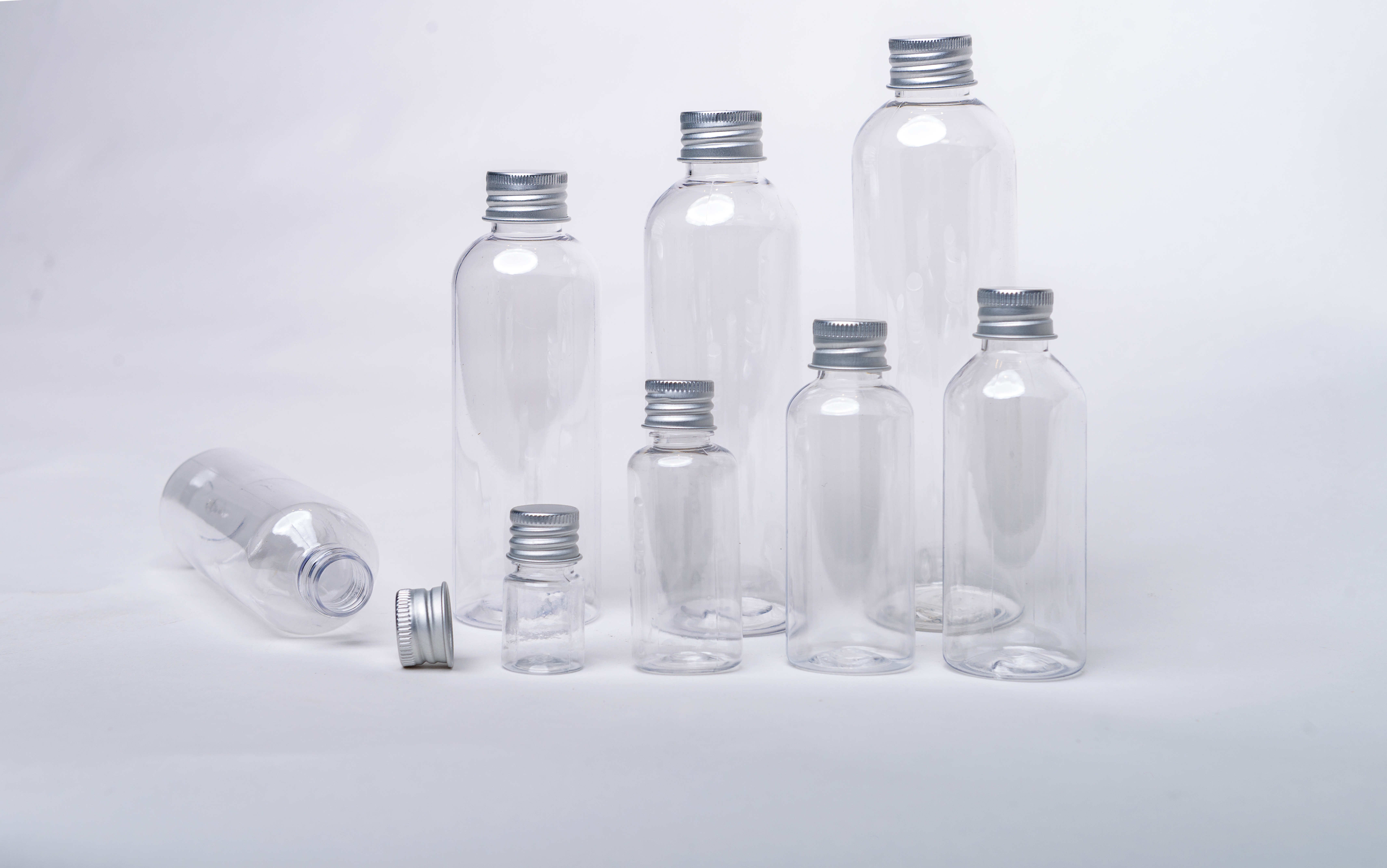
The packaging industry relies heavily on specialized components to ensure product integrity, safety, and consumer satisfaction. Among these critical components, cap liners play an essential role in creating secure seals between bottle caps and container openings. These thin, circular materials serve as barriers that prevent contamination, maintain freshness, and provide tamper-evident protection across countless products we encounter daily. Understanding the various types of cap liners and their specific applications helps manufacturers select the most appropriate sealing solution for their unique packaging requirements.
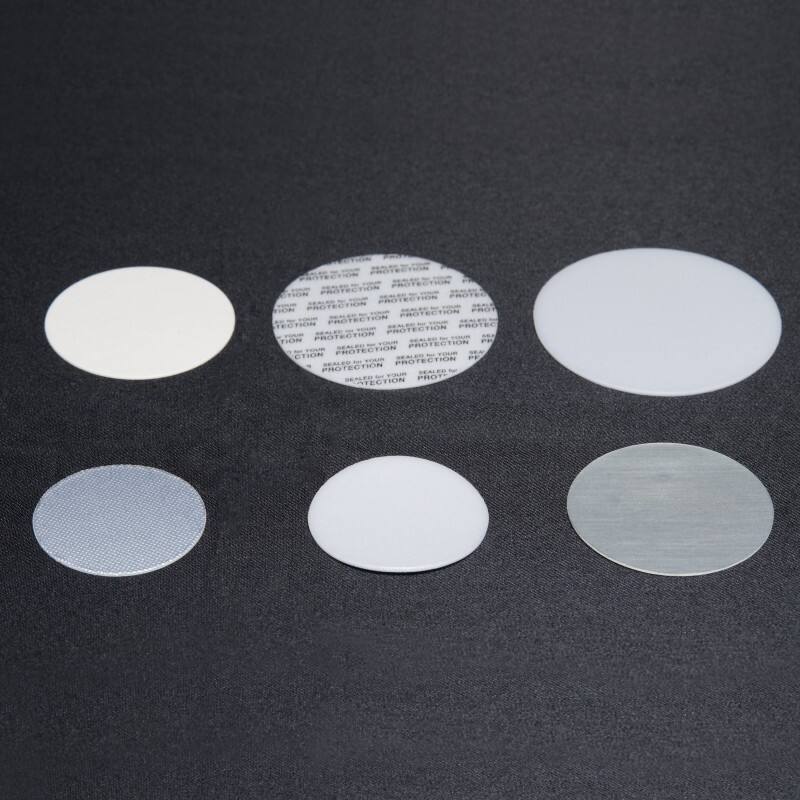
Essential Materials Used in Cap Liner Manufacturing
Polymer-Based Liner Materials
Modern cap liners frequently utilize advanced polymer materials that offer exceptional sealing properties and chemical resistance. Polyethylene foam represents one of the most widely adopted materials due to its compressibility and ability to conform to irregular bottle rim surfaces. This material creates reliable seals while remaining cost-effective for high-volume production runs. The closed-cell structure of polyethylene foam prevents liquid absorption, making it ideal for beverages and other liquid products.
Polyvinyl chloride compounds provide another popular option for cap liners, particularly in applications requiring enhanced chemical resistance. These materials maintain their sealing properties when exposed to oils, acids, and other potentially corrosive substances. The flexibility of PVC-based cap liners allows them to accommodate slight variations in bottle manufacturing tolerances while maintaining consistent seal integrity throughout the product's shelf life.
Natural and Composite Liner Options
Cork-based cap liners continue to find applications in premium beverage packaging, especially in wine and specialty spirits markets. Natural cork offers excellent sealing properties while allowing controlled oxygen transmission that can benefit certain aging processes. Composite cork materials combine natural cork particles with binding agents to create more consistent performance characteristics while retaining the traditional aesthetic appeal that consumers associate with quality products.
Pulp-based liners represent an environmentally conscious choice for manufacturers seeking sustainable packaging solutions. These cap liners utilize recycled paper fibers combined with barrier coatings to achieve necessary sealing performance. The biodegradable nature of pulp liners appeals to environmentally aware consumers while meeting regulatory requirements for food contact applications in many markets worldwide.
Food and Beverage Industry Applications
Carbonated Beverage Sealing Requirements
The carbonated beverage industry demands cap liners that can withstand significant internal pressure while preventing carbon dioxide loss over extended storage periods. Specialized foam liners with enhanced compression resistance help maintain carbonation levels that consumers expect from soft drinks, energy beverages, and sparkling waters. These cap liners must also resist flavor migration and maintain their sealing properties across temperature fluctuations during distribution and storage.
Pressure-sensitive adhesive liners provide tamper-evident features that alert consumers to potential product tampering while ensuring product safety. These innovative cap liners combine sealing functionality with security features, creating visible evidence when containers have been opened. The adhesive formulations must balance strong initial adhesion with clean removal properties that don't leave residue on bottle rims after consumer opening.
Wine and Spirits Packaging Solutions
Premium alcoholic beverage packaging often requires specialized cap liners that complement the product's quality positioning while providing necessary functional performance. Saranex liners, combining multiple polymer layers, offer excellent barrier properties against oxygen and moisture while maintaining compatibility with high-alcohol content products. These sophisticated cap liners help preserve flavor profiles and prevent oxidation that could compromise product quality.
Temperature-resistant formulations ensure that wine and spirits maintain their intended characteristics regardless of storage conditions. These cap liners must perform reliably in wine cellars, retail environments, and consumer homes where temperature variations are common. The material selection process considers both immediate sealing requirements and long-term aging compatibility to protect valuable products throughout their intended lifespan.
Pharmaceutical and Healthcare Packaging Standards
Regulatory Compliance Requirements
Pharmaceutical packaging demands the highest standards for cap liners, with strict regulatory oversight governing material selection, manufacturing processes, and quality control procedures. FDA-approved materials ensure that cap liners meet safety requirements for direct contact with medications and healthcare products. These regulations mandate extensive testing protocols to verify that liner materials don't introduce harmful substances or interfere with drug stability over time.
Child-resistant packaging often incorporates specialized cap liners that work in conjunction with safety closures to prevent accidental ingestion by young children. These cap liners must maintain their sealing integrity while accommodating the mechanical requirements of push-and-turn or squeeze-and-turn closure systems. The material properties must remain consistent throughout the product's shelf life to ensure continued safety effectiveness.
Sterile Product Protection
Sterile pharmaceutical products require cap liners that maintain contamination barriers throughout manufacturing, distribution, and storage processes. Gamma-radiation sterilizable materials allow cap liners to undergo terminal sterilization procedures without degrading their sealing properties or introducing unwanted chemical changes. These specialized materials undergo rigorous biocompatibility testing to ensure patient safety in critical healthcare applications.
Moisture barrier properties become particularly critical for solid dosage forms and powder medications that can lose potency when exposed to humidity. Advanced cap liners incorporate desiccant properties or enhanced barrier films to maintain optimal moisture levels within pharmaceutical containers. These protective features help ensure medication efficacy throughout the product's labeled shelf life under normal storage conditions.
Chemical and Industrial Product Packaging
Aggressive Chemical Compatibility
Industrial chemical packaging presents unique challenges for cap liners, requiring materials that resist degradation when exposed to solvents, acids, bases, and other reactive substances. Fluoropolymer-based cap liners offer exceptional chemical resistance across broad pH ranges and solvent compatibility spectrums. These high-performance materials maintain their sealing properties even when exposed to aggressive chemicals that would quickly degrade conventional liner materials.
Temperature resistance becomes crucial for chemicals that generate heat during storage or undergo temperature cycling during shipping and handling. Specialized cap liners designed for chemical applications must maintain dimensional stability and sealing effectiveness across extended temperature ranges. The material selection process considers both the immediate chemical compatibility and long-term performance under realistic use conditions.
Safety and Environmental Considerations
Hazardous material packaging requires cap liners that provide reliable containment while meeting strict transportation regulations for dangerous goods. These specialized liners often incorporate multiple barrier layers to prevent vapor transmission and maintain product containment even under challenging shipping conditions. Regular testing protocols verify that cap liners maintain their protective properties throughout typical distribution cycles.
Environmental regulations increasingly influence cap liner selection for industrial applications, with manufacturers seeking materials that minimize environmental impact while maintaining necessary performance characteristics. Recyclable and biodegradable options are gaining acceptance in applications where performance requirements allow for these more sustainable alternatives to traditional materials.
Cosmetic and Personal Care Applications
Aesthetic and Functional Balance
Cosmetic packaging demands cap liners that combine functional sealing properties with aesthetic considerations that complement premium product positioning. Clear liner materials allow product visibility while providing necessary barrier protection against contamination and moisture intrusion. These cap liners must maintain their transparency and sealing effectiveness throughout the product's shelf life without developing cloudiness or other visual defects.
Fragrance preservation requires specialized cap liners that prevent volatile compound loss while maintaining product integrity over extended periods. Essential oils and synthetic fragrances can migrate through conventional liner materials, leading to product degradation and reduced consumer satisfaction. Advanced barrier formulations specifically designed for cosmetic applications help preserve fragrance profiles throughout the product lifecycle.
Consumer Safety and Experience
Personal care products often require cap liners that facilitate easy opening while maintaining secure closure for travel and daily use. The compression characteristics of these liners must balance leak prevention with user-friendly opening forces that accommodate diverse consumer demographics. Texture and grip considerations influence liner design to ensure positive user experiences across different age groups and physical capabilities.
Skin-safe materials are essential for personal care applications where consumers may come into contact with cap liners during product use. Hypoallergenic formulations and dermatologically tested materials help prevent adverse reactions while maintaining necessary functional performance. These safety considerations extend to manufacturing processes that eliminate potential contaminants or processing aids that could cause skin sensitivities.
Specialty Applications and Emerging Technologies
Smart Packaging Integration
Emerging smart packaging technologies are beginning to incorporate advanced cap liners with embedded sensors and communication capabilities. These innovative liners can monitor product conditions, detect tampering, or provide authentication features that help combat counterfeiting. The integration of electronic components requires careful material selection to ensure compatibility between traditional sealing functions and modern technological requirements.
Temperature-indicating cap liners change color or appearance when exposed to temperature extremes, providing visual alerts for temperature-sensitive products. These specialized materials help maintain cold chain integrity for vaccines, biologics, and other temperature-critical products. The color-change mechanisms must remain stable under normal conditions while providing reliable indication when temperature excursions occur.
Sustainable Innovation Trends
Biodegradable cap liners represent a growing segment as manufacturers respond to environmental concerns and regulatory pressures. Plant-based polymers and compostable materials are being developed to replace traditional petroleum-based liners without compromising sealing performance. These sustainable alternatives must meet the same functional requirements while providing end-of-life disposal options that align with circular economy principles.
Recycling compatibility has become a crucial consideration in cap liner development, with manufacturers designing products that don't interfere with container recycling processes. Water-soluble liners and easily separable materials help streamline recycling operations while maintaining necessary product protection during use. These innovations support packaging sustainability goals without compromising product safety or consumer convenience.
FAQ
What factors should be considered when selecting cap liners for different industries
Cap liner selection requires careful evaluation of product compatibility, regulatory requirements, sealing performance needs, and cost considerations. Chemical compatibility testing ensures that liner materials won't react with product contents or degrade over time. Regulatory compliance varies by industry, with pharmaceutical and food applications having stricter requirements than industrial uses. Performance factors include compression characteristics, temperature resistance, and barrier properties against moisture, oxygen, or other environmental factors that could affect product quality.
How do cap liners contribute to product safety and quality assurance
Cap liners serve as critical barriers that prevent contamination, maintain product integrity, and provide tamper-evident security features. They create hermetic seals that protect contents from external contaminants while preventing product loss through evaporation or leakage. Quality assurance programs include material testing, dimensional verification, and performance validation under various storage conditions. Properly selected cap liners help maintain product potency, flavor, and safety throughout the intended shelf life.
What are the latest innovations in cap liner technology
Recent innovations include smart liners with embedded sensors, biodegradable materials from renewable sources, and enhanced barrier formulations for specialized applications. Temperature-indicating liners provide visual feedback about cold chain maintenance, while antimicrobial treatments offer additional protection against contamination. Sustainability-focused developments include compostable materials and designs that improve recyclability without compromising functional performance. These advances help manufacturers meet evolving regulatory requirements and consumer expectations.
How do environmental regulations impact cap liner selection and development
Environmental regulations increasingly influence cap liner materials and manufacturing processes, driving demand for sustainable alternatives and recyclable options. Restrictions on certain chemicals have led to reformulation of traditional materials, while waste reduction initiatives promote designs that minimize environmental impact. Manufacturers must balance environmental compliance with functional requirements, leading to innovative materials that meet both performance and sustainability goals. Future regulations will likely accelerate adoption of bio-based and circular economy solutions in cap liner applications.