
 EN
EN
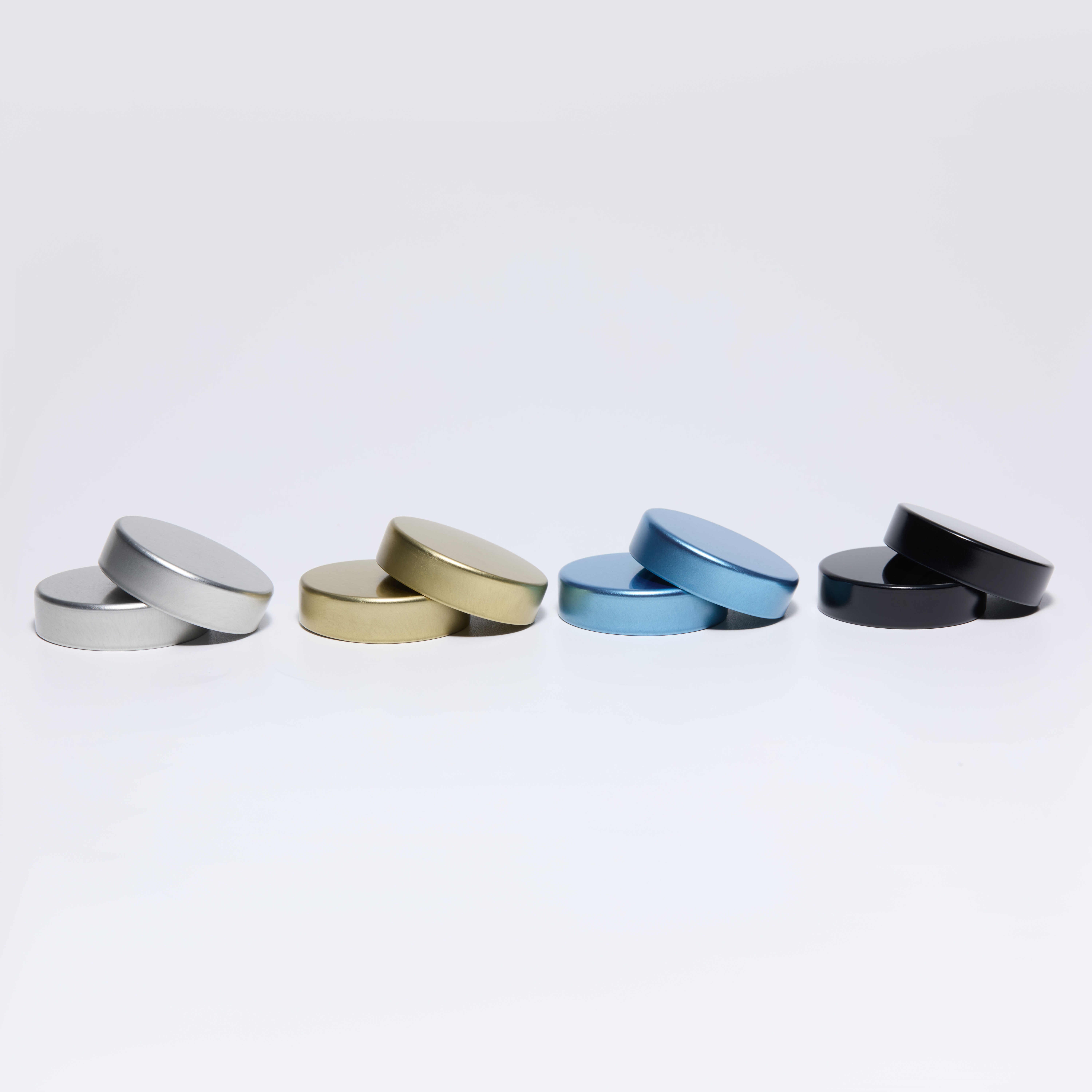
Selecting the appropriate silicone stopper for your application requires careful consideration of multiple factors that directly impact performance and functionality. The choice between different sizes and hardness levels can determine whether your sealing solution provides optimal protection or fails to meet operational requirements. Understanding the fundamental properties of silicone stopper materials and their applications across various industries enables informed decision-making that ensures long-term reliability and cost-effectiveness.
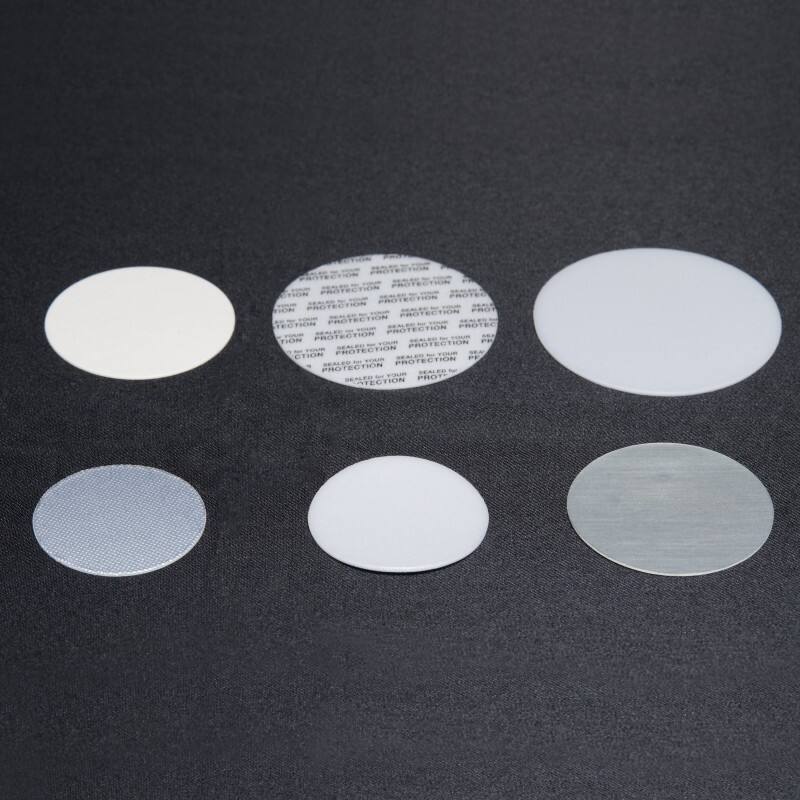
The versatility of silicone stopper solutions extends beyond basic sealing applications, encompassing specialized uses in pharmaceutical, laboratory, food processing, and industrial manufacturing environments. Each application presents unique challenges that demand specific material properties, dimensional tolerances, and performance characteristics. Modern silicone stopper technology offers unprecedented flexibility in customization, allowing manufacturers to tailor products to exact specifications while maintaining consistent quality standards.
Understanding Silicone Stopper Material Properties
Chemical Composition and Performance Characteristics
The molecular structure of silicone stopper materials determines their resistance to temperature extremes, chemical exposure, and mechanical stress. High-quality silicone polymers exhibit exceptional stability across temperature ranges from -65°F to 450°F, making them suitable for applications requiring thermal cycling or extreme environmental conditions. The cross-linking density within the silicone matrix directly influences the final hardness and compression characteristics of the finished stopper.
Platinum-cured silicone stopper formulations offer superior purity levels compared to peroxide-cured alternatives, eliminating potential contamination concerns in sensitive applications. The absence of sulfur-based catalysts in platinum-cured systems prevents discoloration and maintains consistent performance over extended service periods. These material properties become particularly critical in pharmaceutical and food-grade applications where purity standards cannot be compromised.
Durometer Ratings and Hardness Selection
Shore A durometer measurements provide standardized hardness ratings that guide silicone stopper selection based on application requirements. Typical durometer ranges span from 20 Shore A for ultra-soft applications to 80 Shore A for rigid sealing requirements. The relationship between durometer rating and compression force requirements determines the optimal hardness level for specific bottle neck geometries and closure torque specifications.
Lower durometer ratings generally provide better conformability to irregular surfaces but may lack the structural integrity required for high-pressure applications. Conversely, higher durometer silicone stopper materials offer increased resistance to deformation but require greater insertion forces and may not seal effectively against surface imperfections. Balancing these competing requirements demands thorough analysis of operating conditions and performance expectations.
Dimensional Considerations for Optimal Fit
Bottle Neck Compatibility and Sizing Standards
Accurate dimensional matching between silicone stopper geometry and bottle neck specifications ensures reliable sealing performance without excessive insertion forces. Standard bottle neck dimensions follow established industry protocols, but variations in manufacturing tolerances can create compatibility challenges that require careful stopper sizing. The relationship between stopper diameter, bottle neck inner diameter, and wall thickness determines the interference fit that creates effective sealing pressure.
Tapered silicone stopper designs accommodate a broader range of bottle neck variations while maintaining consistent sealing performance across production batches. The taper angle and overall length must be optimized to provide adequate engagement depth without creating excessive stress concentrations that could lead to premature failure. Proper dimensional analysis includes consideration of thermal expansion effects that may alter fit characteristics under operating conditions.
Compression and Sealing Mechanics
The compression characteristics of a silicone stopper determine its ability to form effective seals under various pressure conditions. Radial compression creates the primary sealing force against bottle neck walls, while axial compression contributes to overall retention force and prevents stopper migration. The balance between these compression forces must be optimized to prevent over-compression that could damage the bottle neck or under-compression that allows leakage.
Advanced silicone stopper designs incorporate multiple sealing zones that provide redundant protection against leakage pathways. Primary sealing zones typically feature optimized contact pressure distribution, while secondary zones provide backup protection against manufacturing variations or wear-related degradation. This multi-zone approach enhances reliability while accommodating broader tolerance ranges in both stopper and bottle manufacturing.
Application-Specific Selection Criteria
Pharmaceutical and Laboratory Requirements
Pharmaceutical applications demand silicone stopper materials that meet stringent regulatory requirements for biocompatibility, extractables, and leachables testing. USP Class VI certification ensures compliance with United States Pharmacopeia standards for biological reactivity testing, while additional certifications may be required for specific drug formulations or international markets. The selection process must consider potential interactions between the silicone stopper material and stored pharmaceutical compounds.
Laboratory applications often require silicone stopper solutions that resist chemical attack from aggressive solvents, acids, or bases commonly used in analytical procedures. The chemical resistance profile of different silicone formulations varies significantly, making material selection critical for maintaining sample integrity and preventing contamination. Specialized grades offer enhanced resistance to specific chemical families while maintaining the flexibility and sealing performance required for laboratory use.
Food and Beverage Industry Applications
Food-grade silicone stopper materials must comply with FDA regulations for food contact surfaces while providing reliable sealing performance across temperature ranges encountered in food processing and storage. The migration of silicone compounds into food products must remain below established limits, requiring careful selection of base polymers and additives used in stopper manufacturing. Taste and odor neutrality becomes particularly important for applications involving sensitive flavor profiles.
Beverage applications present unique challenges related to carbonation retention, alcohol compatibility, and long-term storage stability. The permeability characteristics of silicone stopper materials to various gases and vapors influence product shelf life and quality retention. Specialized formulations minimize gas transmission while maintaining flexibility and chemical resistance required for diverse beverage formulations and storage conditions.
Installation and Performance Optimization
Proper Installation Techniques
Correct installation procedures ensure optimal silicone stopper performance and prevent common failure modes associated with improper insertion techniques. The insertion force required varies with stopper hardness, bottle neck geometry, and environmental conditions, requiring careful control to prevent damage to either component. Lubrication may be necessary for harder durometer materials, but lubricant selection must consider compatibility with stored products and potential contamination concerns.
Automated installation equipment must be calibrated to apply consistent insertion forces while accommodating normal variations in stopper and bottle dimensions. Force monitoring systems can detect installation anomalies that might compromise sealing performance or indicate dimensional inconsistencies requiring corrective action. Proper installation depth ensures adequate engagement without over-insertion that could damage the bottle neck or create stress concentrations in the silicone stopper.
Quality Control and Testing Protocols
Comprehensive quality control programs verify silicone stopper performance through standardized testing procedures that simulate actual use conditions. Leak testing protocols must replicate expected pressure conditions, temperature cycles, and storage durations to validate sealing effectiveness over the intended service life. Accelerated aging tests provide insights into long-term performance characteristics and potential degradation mechanisms.
Statistical quality control methods help identify trends in silicone stopper performance that might indicate process variations or material inconsistencies requiring corrective action. Dimensional inspection protocols ensure consistency with established specifications, while visual inspection identifies surface defects or contamination that could compromise performance. Regular validation of testing equipment and procedures maintains the integrity of quality control data.
Advanced Selection Strategies
Multi-Parameter Optimization Approaches
Complex applications may require simultaneous optimization of multiple silicone stopper parameters to achieve optimal performance across diverse operating conditions. Design of experiments methodologies can identify the relationships between material properties, dimensional characteristics, and performance outcomes. This systematic approach enables informed trade-offs between competing requirements while minimizing the risk of unexpected interactions.
Finite element analysis tools provide detailed insights into stress distribution, deformation patterns, and sealing pressure distribution within silicone stopper assemblies. These computational methods support design optimization efforts while reducing the need for extensive physical testing during development phases. Validation of analytical results through targeted testing ensures accuracy and builds confidence in predicted performance characteristics.
Cost-Benefit Analysis and Total Cost of Ownership
Economic evaluation of silicone stopper alternatives must consider both initial material costs and long-term operational expenses associated with different selection options. Higher-performance materials may justify premium pricing through reduced failure rates, extended service life, or improved process efficiency. Lifecycle cost analysis provides a comprehensive framework for comparing alternatives across multiple evaluation criteria.
Supply chain considerations become increasingly important as businesses seek to minimize inventory costs while ensuring reliable availability of critical sealing components. Standardization on fewer silicone stopper variants can reduce inventory complexity and achieve volume-based pricing advantages without compromising application-specific performance requirements. Strategic partnerships with specialized suppliers provide access to technical expertise and customization capabilities that support ongoing optimization efforts.
Troubleshooting Common Issues
Sealing Performance Problems
Leakage issues in silicone stopper applications often result from mismatched hardness levels, improper sizing, or installation defects that prevent effective sealing contact. Systematic troubleshooting begins with verification of dimensional compatibility followed by assessment of compression characteristics under actual use conditions. Surface finish variations on bottle necks can create leak paths that require harder durometer materials or modified stopper geometries to eliminate.
Chemical compatibility problems may manifest as swelling, hardening, or degradation of silicone stopper materials when exposed to aggressive stored products. Preventive measures include thorough compatibility testing during material selection and regular monitoring of installed stoppers for signs of chemical attack. Alternative formulations or protective coatings may provide solutions for challenging chemical environments while maintaining required sealing performance.
Installation and Handling Challenges
Excessive insertion forces during silicone stopper installation often indicate sizing issues, inappropriate hardness selection, or environmental factors affecting material properties. Temperature conditioning may improve installation characteristics for harder materials, while redesigned tapers or surface treatments can reduce insertion forces without compromising sealing effectiveness. Training programs ensure consistent installation techniques across production personnel.
Storage and handling practices significantly impact silicone stopper performance and shelf life characteristics. Contamination from storage environments can compromise sealing surfaces or introduce particulates that create leak paths. Proper packaging, environmental controls, and rotation procedures maintain stopper quality throughout storage periods while minimizing handling damage that could affect installation or sealing performance.
FAQ
What durometer rating should I choose for standard bottle sealing applications
For typical bottle sealing applications, a durometer rating between 40-60 Shore A provides the optimal balance of sealing effectiveness and installation ease. This range offers sufficient compression to conform to normal bottle neck variations while maintaining structural integrity under standard handling conditions. Higher durometer ratings may be necessary for high-pressure applications, while lower ratings work better for delicate glass containers or applications requiring easy removal.
How do I determine the correct silicone stopper size for my bottles
Accurate measurement of the bottle neck inner diameter, wall thickness, and depth provides the foundation for proper silicone stopper sizing. The stopper diameter should create 10-15% compression when fully inserted to ensure adequate sealing pressure without excessive insertion force. Consider manufacturing tolerances in both the bottle and stopper when specifying dimensions, and request samples for fit testing before committing to large quantities.
Can the same silicone stopper work for different chemical storage applications
While high-quality silicone materials offer broad chemical resistance, specific formulations may be optimized for particular chemical families or applications. Conducting compatibility testing with actual stored products ensures reliable performance and prevents unexpected interactions that could compromise product integrity. Some specialized applications may require custom formulations or alternative materials to achieve optimal chemical resistance characteristics.
What factors affect the shelf life of silicone stopper materials
Storage temperature, humidity levels, UV exposure, and packaging materials all influence silicone stopper shelf life characteristics. Proper storage in cool, dry conditions away from direct sunlight maximizes shelf life while maintaining consistent performance properties. Most high-quality silicone stopper materials maintain their properties for several years under appropriate storage conditions, but periodic testing may be necessary for critical applications or extended storage periods.