
 EN
EN
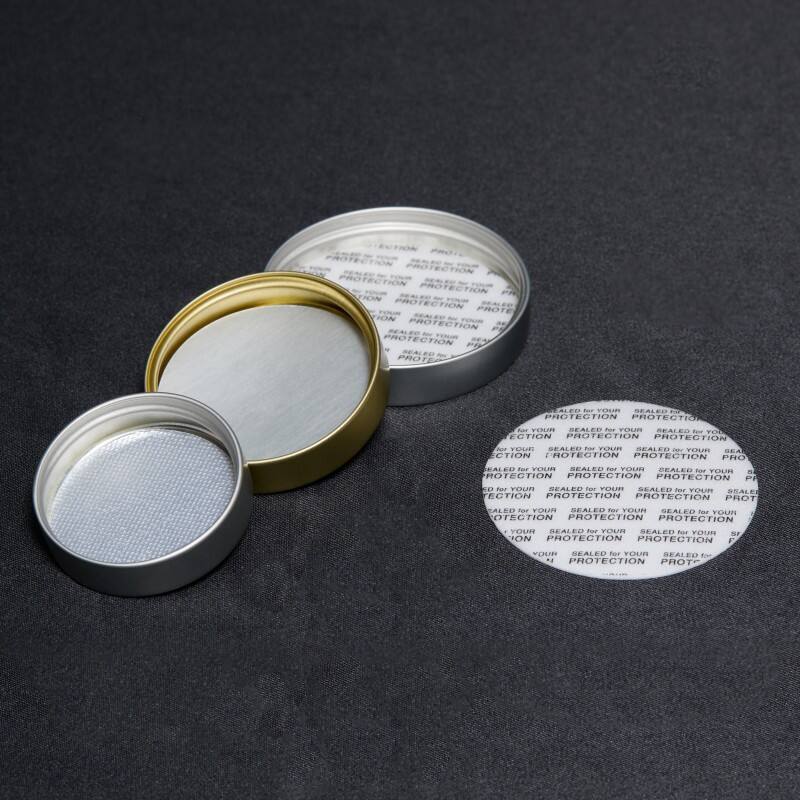
The packaging industry has witnessed a remarkable shift toward premium materials and customized solutions, with custom metal caps emerging as a cornerstone of modern branding strategies. These sophisticated closures offer manufacturers and brands an unparalleled opportunity to combine functional excellence with distinctive visual appeal. Custom metal caps serve dual purposes in today's competitive marketplace, providing both practical sealing solutions and powerful branding vehicles that can transform ordinary containers into premium product presentations.
The evolution of packaging technology has elevated metal cap customization from a simple manufacturing process to an art form that requires careful consideration of materials, design elements, and production techniques. Modern businesses across industries including food and beverage, cosmetics, pharmaceuticals, and specialty chemicals are discovering the transformative power of personalized metal closures. These caps not only protect product integrity but also serve as the first point of consumer interaction, making them crucial elements in brand recognition and consumer experience.
Understanding Metal Cap Customization Fundamentals
Material Selection and Properties
The foundation of effective metal cap customization begins with understanding the diverse range of materials available for production. Tinplate remains the most popular choice due to its excellent corrosion resistance, formability, and cost-effectiveness for large-scale production runs. Aluminum offers superior lightweight properties and exceptional printability, making it ideal for premium cosmetic and beverage applications. Stainless steel provides the highest level of durability and chemical resistance, particularly valuable for pharmaceutical and specialty chemical products.
Each material presents unique advantages that must be carefully matched to specific product requirements and branding objectives. Tinplate's versatility allows for complex embossing and deep drawing operations, enabling intricate design elements that enhance tactile appeal. Aluminum's natural properties facilitate vibrant color reproduction and detailed graphics through various printing processes. The choice of base material fundamentally influences the available customization options and ultimately affects both functional performance and aesthetic possibilities.
Design Considerations for Brand Identity
Successful custom metal caps require strategic design planning that aligns with overall brand identity while addressing functional requirements. Color psychology plays a crucial role in consumer perception, with metallic finishes conveying premium quality and sophistication. Brand colors must be carefully translated to metal surfaces through appropriate coating and printing technologies. The integration of logos, text, and graphic elements requires precise scaling and positioning to ensure visibility and impact across various container sizes.
Typography selection becomes particularly important when incorporating text elements into metal cap designs. Font choices must consider legibility at small sizes while maintaining brand consistency. The interplay between raised and recessed design elements creates visual depth and tactile interest that enhances user experience. These design decisions collectively contribute to creating distinctive custom metal caps that reinforce brand recognition and elevate product positioning in competitive markets.
Advanced Customization Techniques and Technologies
Surface Finishing and Coating Options
Modern surface finishing techniques offer unprecedented opportunities for creating unique visual and tactile experiences through custom metal caps. Powder coating provides exceptional durability and color consistency while enabling special effects such as textured, matte, or high-gloss finishes. Electroplating processes can apply thin layers of precious metals like gold, silver, or copper to create luxurious appearances that command premium pricing. Anodizing treatments for aluminum caps offer enhanced corrosion resistance while enabling vibrant color options that maintain their appearance over extended periods.
Specialized coating technologies continue to expand the possibilities for custom metal caps, including thermochromic materials that change color with temperature variations and photochromic coatings that respond to light exposure. These innovative finishes create interactive elements that engage consumers and generate memorable brand experiences. The selection of appropriate surface treatments must balance aesthetic goals with functional requirements such as chemical compatibility, wear resistance, and environmental stability throughout the product's intended lifespan.
Embossing and Debossing Capabilities
Three-dimensional design elements achieved through embossing and debossing processes add substantial value to custom metal caps by creating tactile branding opportunities. Embossed features raise design elements above the surface, creating shadows and highlights that enhance visual impact under various lighting conditions. Debossed elements create recessed areas that can be filled with contrasting colors or left natural to create subtle textural variations. These techniques enable the creation of complex patterns, detailed logos, and even textural elements that improve grip and handling characteristics.
The precision achievable through modern embossing equipment allows for extremely fine detail reproduction, enabling the incorporation of intricate brand elements that were previously impossible to achieve in metal closures. Multi-level embossing creates graduated depths that produce sophisticated visual effects and enhanced brand recognition. The combination of embossed and debossed elements within a single cap design opens unlimited creative possibilities for brands seeking to differentiate their products through innovative packaging solutions.
Production Methods and Quality Control
Manufacturing Process Overview
The production of custom metal caps involves sophisticated manufacturing processes that must maintain precise tolerances while accommodating creative design requirements. Deep drawing operations form the basic cap shape from flat metal sheets, with progressive dies enabling complex geometries in single operations. Secondary operations including trimming, threading, and sealing compound application require careful coordination to ensure consistent quality across production runs. Modern manufacturing facilities utilize automated systems that monitor critical parameters throughout the production process.
Quality control measures are integrated at every stage of custom metal cap production to ensure both functional performance and aesthetic consistency. Dimensional verification systems confirm that caps meet specified tolerances for proper fit and seal performance. Surface quality inspection identifies defects such as scratches, dents, or coating irregularities that could affect appearance or performance. Automated vision systems can detect subtle variations in print quality, color consistency, and design alignment that might escape manual inspection processes.
Testing and Validation Procedures
Comprehensive testing protocols ensure that custom metal caps meet both functional requirements and brand standards before market introduction. Seal integrity testing verifies that caps provide adequate product protection under various storage and transportation conditions. Torque testing confirms that caps can be applied and removed with appropriate force levels for the target consumer demographic. Chemical compatibility testing ensures that cap materials and coatings do not interact negatively with product contents over extended storage periods.
Accelerated aging tests simulate long-term exposure to environmental conditions including temperature cycling, humidity variations, and UV exposure. These tests reveal potential issues with coating adhesion, color stability, and mechanical properties that could affect product performance or appearance during shelf life. Migration testing for food and beverage applications confirms that no harmful substances transfer from cap materials to product contents, ensuring regulatory compliance and consumer safety.
Industry Applications and Market Trends
Food and Beverage Sector Innovations
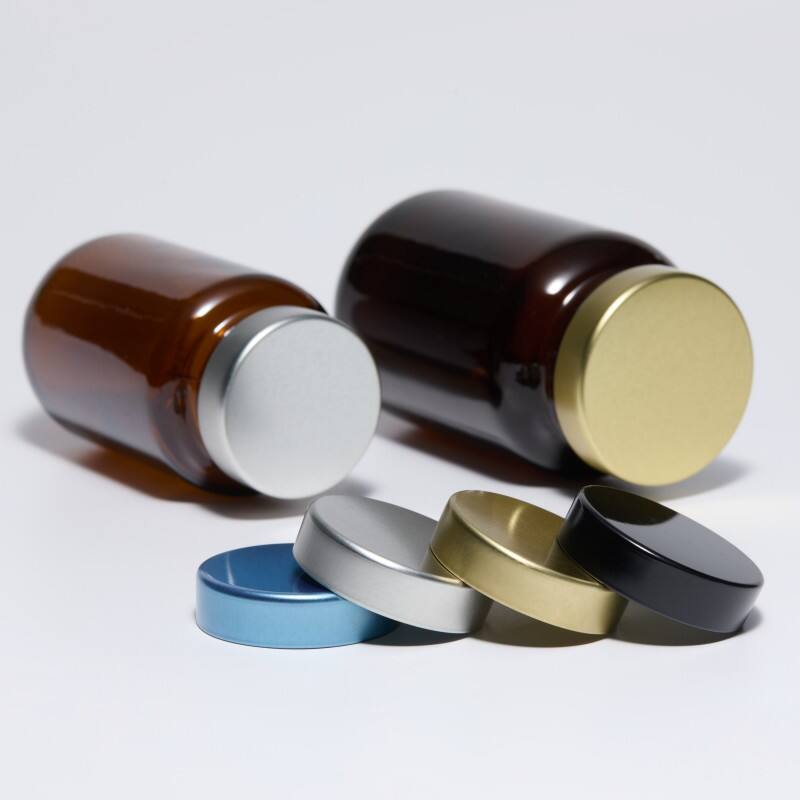
The food and beverage industry represents the largest market for custom metal caps, driving continuous innovation in design and functionality. Premium alcoholic beverages increasingly utilize custom metal caps as key differentiators that justify higher price points and enhance gift appeal. Specialty food products leverage unique cap designs to communicate artisanal quality and premium positioning. The trend toward sustainable packaging has increased demand for recyclable metal closures that maintain product integrity while supporting environmental objectives.
Functional innovations in food and beverage applications include tamper-evident features that provide visible evidence of unauthorized opening, enhancing consumer confidence in product safety. Easy-open designs accommodate aging demographics while maintaining secure sealing properties. The integration of QR codes and other interactive elements into custom metal caps creates opportunities for consumer engagement and brand storytelling that extend beyond the physical product experience.
Cosmetics and Personal Care Applications
The cosmetics and personal care industry has embraced custom metal caps as essential elements of luxury packaging that communicate brand values and product quality. High-end skincare products utilize precision-machined metal caps with intricate surface textures that convey sophistication and attention to detail. Color coordination between caps and product formulations creates cohesive visual presentations that enhance brand recognition and shelf appeal. The durability of metal closures ensures that premium appearance is maintained throughout the product lifecycle.
Innovative applications in personal care include caps with integrated applicators or dispensing mechanisms that enhance user convenience while maintaining the premium aesthetic of metal construction. Antimicrobial coatings on metal caps address hygiene concerns in personal care applications while providing additional value to health-conscious consumers. The trend toward refillable packaging systems has created opportunities for custom metal caps that facilitate product replenishment while maintaining brand consistency across multiple use cycles.
Cost Optimization and Value Engineering
Balancing Quality and Budget Constraints
Effective cost management in custom metal caps requires strategic decision-making that optimizes the balance between aesthetic appeal, functional performance, and production economics. Volume considerations significantly impact unit costs, with larger production runs enabling more sophisticated customization options while reducing per-unit expenses. Material selection decisions must weigh initial costs against long-term performance benefits and brand positioning objectives. The timing of design finalization affects tooling costs and production scheduling, making early planning essential for cost-effective implementation.
Value engineering principles help identify opportunities to reduce costs without compromising essential design elements or functional requirements. Standardizing certain design elements across product lines can reduce tooling costs while maintaining brand consistency. The strategic use of stock sizes and common threading specifications minimizes custom tooling requirements. Collaborative design processes between brands and manufacturers often reveal cost-saving opportunities that maintain design integrity while improving economic viability.
Return on Investment Considerations
The investment in custom metal caps must be evaluated against the potential returns in terms of brand differentiation, premium pricing opportunities, and market positioning advantages. Premium packaging elements including custom metal caps can justify price increases that far exceed the incremental packaging costs. Enhanced brand recognition resulting from distinctive packaging design contributes to customer loyalty and repeat purchases. The durability and reusability of metal caps can create ongoing brand exposure that extends marketing value beyond the initial purchase.
Market research consistently demonstrates that consumers associate metal packaging with higher quality and are willing to pay premium prices for products featuring sophisticated closure systems. The photogenic qualities of custom metal caps enhance social media marketing potential, creating organic brand promotion opportunities. Long-term brand building benefits often justify initial investments in custom metal cap development, particularly when integrated into comprehensive packaging strategies that reinforce brand positioning across multiple touchpoints.
Future Trends and Technological Developments
Smart Packaging Integration
The integration of smart technologies into custom metal caps represents an emerging frontier that promises to revolutionize packaging functionality and consumer interaction. Near-field communication (NFC) chips embedded in metal caps enable direct consumer engagement through smartphone interactions, providing access to product information, authenticity verification, and promotional content. Temperature-sensitive indicators incorporated into cap designs provide visual confirmation of proper storage conditions and product freshness. These technological enhancements create new opportunities for brand engagement while providing practical benefits to consumers.
Blockchain integration through smart cap technologies enables comprehensive supply chain tracking and counterfeit prevention capabilities that are particularly valuable for premium products. The data collection capabilities of smart caps provide valuable insights into consumer behavior patterns and product usage that can inform future product development and marketing strategies. As technology costs decrease and consumer adoption increases, smart features in custom metal caps are expected to become standard elements in premium packaging solutions.
Sustainability and Environmental Impact
Environmental considerations are driving significant innovations in custom metal cap design and production processes. The inherent recyclability of metal materials aligns with increasing consumer demand for sustainable packaging solutions. Advanced coating technologies are being developed to eliminate problematic chemicals while maintaining performance and appearance characteristics. Life cycle assessments are becoming standard tools for evaluating the environmental impact of custom metal caps throughout their entire lifecycle from raw material extraction to end-of-life recycling.
Circular economy principles are influencing custom metal cap design to facilitate easier recycling and material recovery. Standardization initiatives aim to improve recycling efficiency by reducing material complexity and contamination issues. The development of bio-based coatings and sustainable surface treatments addresses environmental concerns while maintaining the premium appearance and performance characteristics that make custom metal caps attractive to brands and consumers. These sustainability initiatives are expected to drive continued innovation in custom metal cap technology and manufacturing processes.
FAQ
What are the minimum order quantities for custom metal caps
Minimum order quantities for custom metal caps typically range from 10,000 to 50,000 pieces depending on the complexity of customization and manufacturing requirements. Simple designs with standard sizes may have lower minimums, while complex embossing, special coatings, or unique threading specifications usually require larger quantities to justify tooling costs. Many manufacturers offer prototype services for initial testing and approval before committing to full production runs.
How long does the custom metal cap development process take
The development timeline for custom metal caps generally spans 4-8 weeks from initial design approval to first production samples. This timeframe includes tooling fabrication, sample production, testing, and any necessary design modifications. Complex designs requiring multiple iterations or specialized testing may extend the timeline to 10-12 weeks. Early engagement with manufacturers and clear specification requirements help minimize development time.
What quality certifications are available for custom metal caps
Custom metal caps can be manufactured to meet various industry certifications including FDA compliance for food contact applications, ISO 9001 quality management standards, and specific industry requirements such as pharmaceutical packaging regulations. Many manufacturers maintain certifications for sustainable practices and environmental management systems. Third-party testing and certification services are available for specialized applications requiring documented compliance with specific regulatory requirements.
Can custom metal caps be designed for tamper-evident functionality
Yes, custom metal caps can incorporate various tamper-evident features including breakaway bands, vacuum buttons, and shrink sleeves that provide visible evidence of unauthorized opening. These security features can be integrated into custom designs while maintaining aesthetic appeal and brand consistency. The choice of tamper-evident mechanism depends on the specific product requirements, regulatory compliance needs, and target market expectations for product security and consumer safety.