
 EN
EN

Finding dependable metal screw cap suppliers in China requires careful evaluation of manufacturing capabilities, quality standards, and business practices. The Chinese packaging industry has evolved significantly over the past decade, with numerous manufacturers offering competitive solutions for various bottle closure needs. Understanding how to identify trustworthy suppliers can save your business time, money, and potential quality issues down the line. When sourcing from China, companies must balance cost considerations with reliability factors to ensure consistent product delivery and maintain their brand reputation in the marketplace.
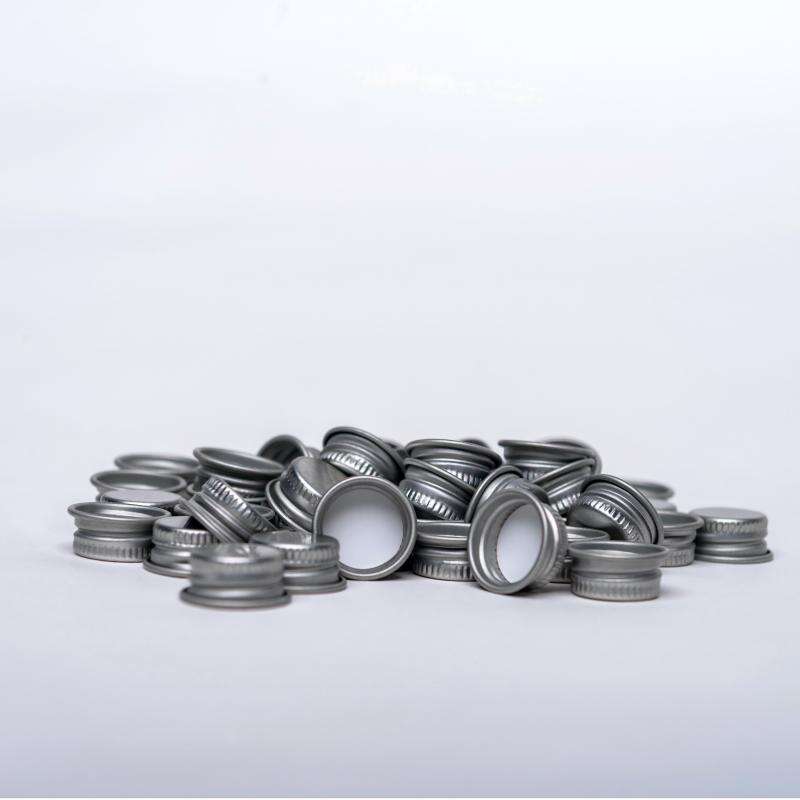
Understanding the Chinese Metal Cap Manufacturing Landscape
Market Overview and Industry Structure
China's metal packaging sector encompasses thousands of manufacturers ranging from small family-owned operations to large industrial complexes. The industry clusters are primarily located in Guangdong, Zhejiang, and Jiangsu provinces, where established supply chains and skilled labor create competitive advantages. Major metal screw cap suppliers often specialize in specific materials such as aluminum, tinplate, or stainless steel, with varying degrees of customization capabilities. Understanding this geographical and structural layout helps buyers identify the most suitable manufacturing partners for their specific requirements.
The competitive landscape includes both original equipment manufacturers and trading companies that serve as intermediaries. Direct engagement with manufacturers typically yields better pricing and quality control, while trading companies may offer broader product ranges and simplified communication processes. Market consolidation has led to the emergence of several dominant players who invest heavily in automation and quality systems, positioning themselves as preferred partners for international brands seeking consistent supply.
Technology and Innovation Trends
Modern Chinese manufacturers have embraced advanced production technologies including automated stamping, precision threading, and integrated quality inspection systems. Leading metal screw cap suppliers utilize computer-controlled machinery that ensures dimensional accuracy and surface finish consistency across large production runs. Investment in research and development has enabled Chinese manufacturers to develop specialized coatings, tamper-evident features, and custom printing capabilities that meet international packaging standards.
Sustainability initiatives have become increasingly important, with many suppliers adopting eco-friendly manufacturing processes and recyclable materials. Digital integration through Industry 4.0 technologies allows for real-time production monitoring and predictive maintenance, resulting in improved efficiency and reduced waste. These technological advances position qualified Chinese suppliers as competitive alternatives to traditional Western manufacturers while maintaining cost advantages.
Key Evaluation Criteria for Supplier Selection
Manufacturing Capabilities Assessment
Evaluating production capacity requires understanding both daily output limits and scalability potential of prospective metal screw cap suppliers. Manufacturers should demonstrate consistent production rates while maintaining flexibility to accommodate order volume fluctuations throughout different seasons. Facility tours, either virtual or in-person, provide valuable insights into equipment condition, workflow organization, and overall operational efficiency that impact delivery reliability.
Technical capabilities extend beyond basic manufacturing to include custom tooling development, prototype creation, and specialized finishing options. Suppliers with in-house engineering teams can provide design optimization suggestions that reduce costs while improving functionality. The ability to handle multiple material types and thread specifications within a single facility often indicates sophisticated operational management and reduces supply chain complexity for buyers.
Quality Management Systems
International quality certifications such as ISO 9001, ISO 14001, and industry-specific standards provide objective measures of supplier reliability and process consistency. Reputable metal screw cap suppliers maintain documented quality management systems that include incoming material inspection, in-process monitoring, and final product testing protocols. Third-party audit reports and customer testimonials offer additional validation of quality claims and operational performance.
Statistical process control implementation demonstrates commitment to continuous improvement and defect prevention rather than reactive quality corrections. Suppliers should provide quality documentation including material certificates, dimensional reports, and testing data that support their claims of meeting international standards. Long-term quality performance tracking through customer scorecards indicates mature quality management practices that support sustainable business relationships.
Due Diligence and Verification Processes
Financial Stability and Business Credentials
Verifying the financial health of potential suppliers protects against supply disruptions due to business failures or cash flow problems. Business license verification, tax registration confirmation, and credit reports provide essential background information about company legitimacy and operational status. Established metal screw cap suppliers typically maintain transparent financial practices and willingly share relevant documentation to support partnership discussions.
Export licensing and regulatory compliance documentation ensure suppliers can legally conduct international business and meet destination country requirements. Trade association memberships and industry certifications indicate active participation in professional development and adherence to industry best practices. Banking relationships and payment terms flexibility often reflect the supplier's financial stability and customer service orientation.
Reference Checks and Track Record Analysis
Customer references from similar industries provide valuable insights into supplier performance under comparable operating conditions and quality requirements. Direct communication with existing clients reveals information about delivery reliability, problem resolution capabilities, and overall satisfaction levels that may not appear in marketing materials. Long-term client relationships indicate supplier stability and commitment to customer success beyond initial order fulfillment.
Export history analysis through trade databases can reveal shipping patterns, destination markets, and volume trends that indicate supplier experience with international business practices. Consistent export activity demonstrates familiarity with shipping documentation, customs procedures, and international quality standards. Metal screw cap suppliers with established export channels often provide more reliable service and competitive pricing for international customers.
Communication and Cultural Considerations
Language and Technical Communication
Effective communication forms the foundation of successful supplier relationships, particularly when dealing with technical specifications and quality requirements. Professional metal screw cap suppliers typically maintain English-speaking sales and technical support teams capable of handling complex product discussions and problem-solving situations. Clear documentation standards and drawing interpretation capabilities prevent misunderstandings that could result in production delays or quality issues.
Response time consistency and communication frequency indicate supplier commitment to customer service and project management effectiveness. Regular update schedules and proactive communication about potential issues demonstrate professional business practices that support long-term partnerships. Modern communication tools including video conferencing, instant messaging, and collaborative platforms enable real-time coordination despite geographical distances.
Cultural Understanding and Business Practices
Understanding Chinese business culture, including relationship-building practices and negotiation styles, facilitates more effective supplier interactions and contract negotiations. Patience and mutual respect during initial discussions often lead to more favorable long-term arrangements and improved cooperation during challenging situations. Face-to-face meetings, whether in China or at international trade shows, help establish personal relationships that enhance business communication and trust.
Holiday schedules and cultural events impact production planning and delivery schedules, requiring advance coordination to avoid supply disruptions. Experienced metal screw cap suppliers typically provide annual calendars highlighting potential production impacts and suggest alternative scheduling approaches. Building cultural awareness and showing respect for Chinese business customs strengthens supplier relationships and often results in preferential treatment during capacity constraints.
Cost Analysis and Contract Negotiation
Total Cost of Ownership Evaluation
Comprehensive cost analysis extends beyond unit prices to include shipping expenses, customs duties, quality inspection costs, and inventory carrying charges. Hidden costs such as tooling development, sample preparation, and specification changes can significantly impact overall project economics. Experienced metal screw cap suppliers provide detailed cost breakdowns that enable accurate budget planning and meaningful price comparisons between alternative sources.
Currency fluctuation risk management becomes important for long-term contracts, with various hedging strategies available to protect against unfavorable exchange rate movements. Payment terms negotiation affects cash flow and overall project costs, with early payment discounts sometimes offsetting currency risks. Volume commitments and long-term agreements often yield significant price advantages while ensuring supply security.
Contract Terms and Risk Mitigation
Comprehensive supply agreements should address quality specifications, delivery schedules, payment terms, and dispute resolution procedures to minimize potential conflicts. Force majeure clauses and alternative sourcing arrangements protect against supply disruptions due to natural disasters, political events, or other uncontrollable circumstances. Clear intellectual property protection and confidentiality agreements safeguard proprietary designs and business information.
Performance guarantees and quality warranties provide recourse options when suppliers fail to meet contractual obligations or product specifications. Penalty clauses for late delivery and quality incentives for superior performance align supplier interests with buyer requirements. Regular contract reviews and amendment procedures accommodate changing business needs and market conditions while maintaining legal protection for both parties.
Quality Control and Inspection Protocols
Pre-Production Sample Approval
Rigorous sample approval processes ensure metal screw cap suppliers understand exact requirements before commencing full-scale production. Multiple sample iterations may be necessary to achieve optimal fit, finish, and functionality specifications. Detailed sample evaluation including dimensional verification, material testing, and performance assessment prevents costly production errors and reduces the risk of rejected shipments.
Golden sample retention by both parties provides reference standards for ongoing production monitoring and quality disputes resolution. Digital documentation of approved samples including photographs, measurements, and test results creates permanent records for future comparison. Sample approval timelines should accommodate thorough evaluation while supporting overall project schedules and market launch requirements.
Production Monitoring and Final Inspection
Third-party inspection services provide independent verification of product quality and conformance to specifications before shipment. Regular production audits and random sampling throughout manufacturing cycles identify potential quality trends and enable corrective actions before problems escalate. Qualified metal screw cap suppliers welcome inspection activities and provide necessary access and documentation to support verification processes.
Statistical quality control data and trending analysis help identify process improvements and prevent future quality issues. Real-time production monitoring through digital systems enables immediate response to quality deviations and maintains consistent output standards. Final inspection protocols should include functionality testing, dimensional verification, and visual appearance assessment to ensure customer satisfaction upon delivery.
FAQ
What certifications should reliable metal screw cap suppliers possess
Reputable suppliers should maintain ISO 9001 quality management certification, food safety certifications like FDA or FSSC 22000 if applicable, and environmental management systems such as ISO 14001. Industry-specific certifications and third-party audit reports provide additional assurance of manufacturing capabilities and quality consistency.
How can I verify the legitimacy of Chinese suppliers before placing orders
Verify business licenses through government databases, conduct facility visits or virtual tours, check trade references and customer testimonials, and use third-party verification services. Financial background checks and export history analysis through trade databases provide additional confirmation of supplier credibility and operational stability.
What are typical lead times for custom metal screw cap orders from China
Standard products typically require 2-3 weeks production time plus shipping, while custom designs with new tooling may need 4-6 weeks for initial orders. Seasonal variations, material availability, and order complexity affect lead times. Reliable suppliers provide accurate scheduling and maintain clear communication about potential delays throughout the production process.
How should I handle quality disputes with Chinese metal cap suppliers
Establish clear quality specifications and inspection criteria in contracts before production begins. Document all quality issues with photos, measurements, and detailed descriptions. Work collaboratively with suppliers to identify root causes and implement corrective actions. Consider third-party mediation or arbitration clauses in contracts for serious disputes that cannot be resolved through direct negotiation.