
 EN
EN

The beverage and packaging industry faces unprecedented environmental challenges, driving manufacturers to seek sustainable alternatives to traditional closure systems. Recyclable metal screw caps have emerged as a revolutionary solution that combines superior product protection with environmental responsibility. These innovative closures offer significant advantages over conventional plastic caps, providing enhanced recyclability while maintaining the functionality that consumers and manufacturers demand.
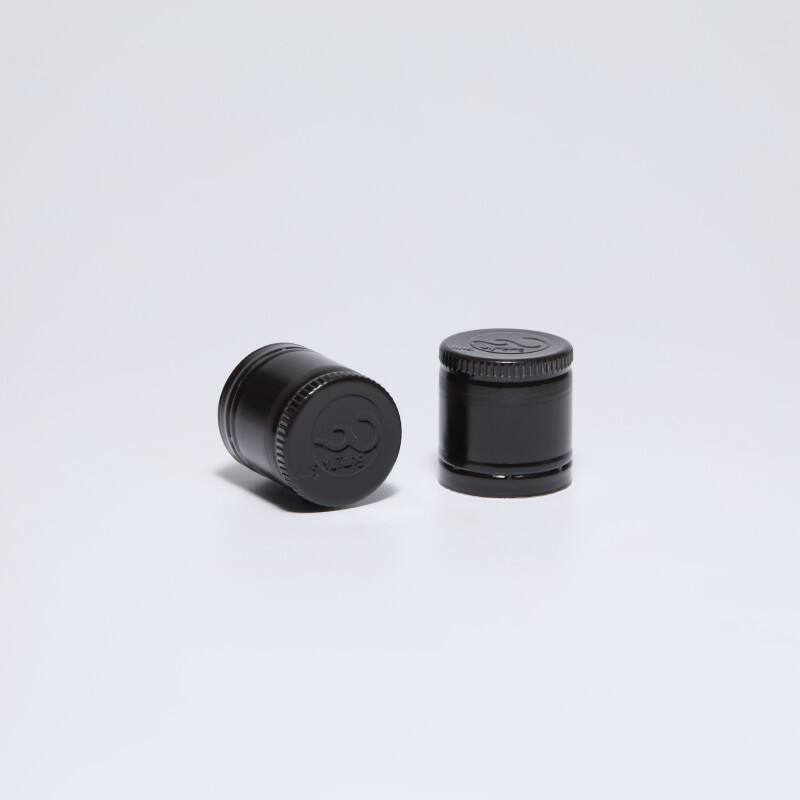
The shift toward sustainable packaging solutions has accelerated as businesses recognize their environmental impact and consumer preferences evolve. Metal closures represent a crucial component in this transformation, offering exceptional durability and infinite recyclability that supports circular economy principles. Understanding the comprehensive environmental benefits of recyclable metal screw caps enables manufacturers to make informed decisions that align with sustainability goals while maintaining product quality and consumer satisfaction.
Material Composition and Recyclability Advantages
Aluminum Properties and Environmental Impact
Aluminum serves as the primary material for most recyclable metal screw caps, offering exceptional environmental advantages that distinguish it from alternative materials. The lightweight nature of aluminum reduces transportation costs and associated carbon emissions throughout the supply chain. Aluminum's corrosion resistance ensures product integrity while maintaining the cap's structural properties over extended periods, preventing premature degradation that could compromise recyclability.
The energy efficiency of aluminum recycling represents one of the most compelling environmental benefits of recyclable metal screw caps. Recycling aluminum requires approximately 95% less energy compared to producing new aluminum from raw materials, resulting in substantial carbon footprint reductions. This energy efficiency translates directly into lower greenhouse gas emissions and reduced environmental impact across the packaging lifecycle.
Furthermore, aluminum maintains its molecular structure during recycling processes, ensuring that recycled material retains the same quality and performance characteristics as virgin aluminum. This property enables unlimited recycling cycles without material degradation, supporting truly circular manufacturing processes that minimize waste generation and resource consumption.
Steel Components and Sustainable Manufacturing
Steel elements in recyclable metal screw caps contribute additional environmental benefits through their exceptional durability and magnetic separation capabilities. The magnetic properties of steel components facilitate efficient sorting during recycling processes, improving recovery rates and reducing contamination in recycled material streams. This enhanced sortability increases the overall efficiency of recycling operations and supports higher-quality recycled outputs.
Manufacturing processes for steel components have evolved to incorporate advanced environmental controls and energy-efficient technologies. Modern steel production facilities utilize electric arc furnaces and other sustainable manufacturing methods that reduce energy consumption and minimize environmental emissions. These technological improvements enhance the overall environmental profile of recyclable metal screw caps while maintaining the performance characteristics required for effective product closure.
The durability of steel components extends the functional lifespan of recyclable metal screw caps, reducing replacement frequency and associated material consumption. This enhanced durability translates into lower overall environmental impact through reduced manufacturing requirements and decreased waste generation over the product lifecycle.
Circular Economy Integration and Resource Conservation
Closed-Loop Manufacturing Systems
Recyclable metal screw caps integrate seamlessly into closed-loop manufacturing systems that prioritize resource conservation and waste minimization. These systems capture used caps through established collection networks and process them into high-quality recycled materials suitable for manufacturing new closures. The closed-loop approach eliminates waste streams while reducing demand for virgin raw materials, creating sustainable production cycles that support environmental conservation goals.
Advanced sorting technologies enable precise separation of different metal types within recyclable metal screw caps, ensuring optimal material recovery and quality maintenance. Optical sorting systems and magnetic separation equipment facilitate efficient processing of mixed material streams, maximizing recovery rates while minimizing contamination that could compromise recycled material quality.
The integration of digital tracking systems throughout the supply chain enhances transparency and accountability in recyclable metal screw caps recycling processes. These systems provide detailed data on material flows, recycling rates, and environmental impact metrics, enabling continuous improvement in sustainability performance and supporting evidence-based decision making for manufacturers and consumers.
Resource Efficiency and Conservation Strategies
The implementation of recyclable metal screw caps supports comprehensive resource conservation strategies that extend beyond immediate material savings. Lightweight design optimization reduces raw material requirements while maintaining structural integrity and performance characteristics. These design improvements lower transportation costs and associated environmental impacts while supporting more efficient packaging solutions.
Water conservation represents another significant environmental benefit of recyclable metal screw caps manufacturing processes. Modern production facilities incorporate water recycling systems and closed-loop cooling processes that minimize freshwater consumption and reduce wastewater generation. These conservation measures contribute to overall environmental sustainability while reducing operational costs for manufacturers.
Energy recovery systems in manufacturing facilities capture and utilize waste heat from production processes, improving overall energy efficiency and reducing environmental impact. These systems support sustainable manufacturing practices while maintaining the quality and consistency required for recyclable metal screw caps production.
Carbon Footprint Reduction and Climate Impact
Lifecycle Carbon Assessment
Comprehensive lifecycle assessments demonstrate significant carbon footprint reductions achieved through recyclable metal screw caps implementation. These assessments evaluate environmental impact across all production phases, from raw material extraction through manufacturing, distribution, use, and end-of-life management. The results consistently show substantial greenhouse gas emission reductions compared to alternative closure systems, particularly when accounting for recycling benefits.
Transportation efficiency improvements contribute meaningfully to carbon footprint reductions for recyclable metal screw caps. The lightweight nature of aluminum and optimized packaging designs reduce shipping weights and enable more efficient logistics operations. These improvements translate into lower fuel consumption and reduced transportation-related emissions throughout the supply chain.
Manufacturing energy efficiency continues to improve through technological advances and process optimization initiatives. Modern production facilities incorporate renewable energy sources and energy recovery systems that reduce reliance on fossil fuels and minimize carbon emissions. These improvements enhance the overall environmental profile of recyclable metal screw caps while supporting industry-wide sustainability goals.
Long-Term Climate Benefits
The cumulative climate benefits of widespread recyclable metal screw caps adoption extend far beyond individual product impacts. Large-scale implementation creates positive feedback loops that drive continuous improvement in recycling infrastructure and processing technologies. These improvements enhance the environmental benefits of recyclable metal screw caps while supporting broader sustainability initiatives across multiple industries.
Carbon sequestration potential exists within certain manufacturing processes used for recyclable metal screw caps production. Advanced manufacturing techniques can incorporate carbon capture technologies that remove greenhouse gases from the atmosphere, creating net-positive climate impacts. While still emerging, these technologies represent significant opportunities for future environmental benefit enhancement.
Renewable energy integration in manufacturing facilities continues expanding, further reducing the carbon footprint of recyclable metal screw caps production. Solar, wind, and other renewable energy sources increasingly power manufacturing operations, eliminating fossil fuel dependence and supporting zero-emission production goals.
Waste Reduction and Landfill Diversion
Diversion Strategies and Implementation
Effective waste diversion strategies for recyclable metal screw caps focus on maximizing material recovery while minimizing landfill disposal. These strategies incorporate consumer education programs that promote proper sorting and collection practices, ensuring that used caps enter recycling streams rather than general waste systems. Educational initiatives increase recycling participation rates and improve material quality in recycling facilities.
Collection infrastructure development supports effective waste diversion for recyclable metal screw caps through expanded curbside recycling programs and specialized collection points. Municipal recycling programs increasingly accept metal closures, improving accessibility and convenience for consumers while increasing overall recycling rates. These infrastructure improvements create positive reinforcement cycles that encourage continued participation in recycling programs.
Industry partnerships facilitate comprehensive waste diversion initiatives that coordinate efforts across multiple stakeholders. Manufacturers, recyclers, municipalities, and retailers collaborate to develop integrated systems that maximize material recovery while minimizing operational costs. These partnerships create synergistic benefits that enhance the effectiveness of recyclable metal screw caps waste diversion efforts.
Contamination Prevention and Quality Maintenance
Contamination prevention measures ensure that recyclable metal screw caps maintain high quality throughout collection and processing operations. Proper cleaning protocols remove residual product materials and adhesives that could compromise recycling quality, ensuring that recovered materials meet specifications for new product manufacturing. These quality maintenance measures support closed-loop recycling systems and maximize environmental benefits.
Advanced separation technologies prevent contamination between different material types within recyclable metal screw caps recycling streams. Eddy current separators and air classification systems efficiently separate aluminum, steel, and other components, ensuring material purity and supporting high-quality recycling outputs. These separation technologies enhance the economic viability of recycling operations while maintaining environmental benefits.
Quality control systems throughout recycling processes monitor material properties and ensure compliance with environmental and performance standards. These systems provide real-time feedback that enables process optimization and continuous improvement in recyclable metal screw caps recycling operations. Quality control measures support both environmental goals and economic sustainability of recycling programs.
Economic and Environmental Synergies
Cost-Effectiveness and Environmental Performance
The economic advantages of recyclable metal screw caps align closely with environmental benefits, creating synergistic relationships that support sustainable business practices. Lower raw material costs through recycling programs reduce manufacturing expenses while simultaneously decreasing environmental impact. These cost savings enable continued investment in sustainability improvements and technology development that further enhance environmental performance.
Market demand for sustainable packaging solutions drives premium pricing opportunities for products utilizing recyclable metal screw caps. Consumer willingness to pay for environmentally responsible products creates economic incentives that support continued adoption of sustainable closure systems. This market dynamic reinforces the business case for environmental responsibility while supporting industry-wide transformation toward sustainability.
Regulatory compliance benefits provide additional economic advantages for companies implementing recyclable metal screw caps. Proactive adoption of sustainable packaging solutions positions companies favorably for emerging environmental regulations while avoiding potential compliance costs and penalties. These regulatory advantages support long-term business sustainability while contributing to environmental protection goals.
Innovation and Technology Development
Ongoing innovation in recyclable metal screw caps technology continues expanding environmental benefits while maintaining economic competitiveness. Research and development efforts focus on material optimization, manufacturing efficiency improvements, and enhanced recyclability features. These technological advances create opportunities for continuous environmental performance improvement while supporting business growth and profitability.
Collaborative research initiatives between manufacturers, academic institutions, and environmental organizations drive breakthrough innovations in recyclable metal screw caps technology. These partnerships leverage diverse expertise and resources to develop solutions that address complex environmental challenges while meeting commercial requirements. Collaborative approaches accelerate innovation timelines and enhance the scope of achievable environmental benefits.
Digital technology integration enhances both environmental performance and economic efficiency in recyclable metal screw caps operations. Smart manufacturing systems optimize resource utilization and minimize waste generation while reducing operational costs. These digital solutions support data-driven sustainability improvements and enable precise measurement of environmental impact metrics.
FAQ
How do recyclable metal screw caps compare to plastic caps in terms of environmental impact
Recyclable metal screw caps offer superior environmental performance compared to plastic caps through infinite recyclability and lower lifecycle carbon emissions. While plastic caps can only be recycled a limited number of times before material degradation occurs, metal caps maintain their properties through unlimited recycling cycles. Additionally, the energy required to recycle aluminum is significantly lower than producing new plastic materials, resulting in substantial carbon footprint reductions over the product lifecycle.
What percentage of recyclable metal screw caps actually get recycled in municipal programs
Current recycling rates for recyclable metal screw caps vary by region but typically range from 60-85% in areas with established collection infrastructure. The high value of aluminum and steel creates economic incentives for recovery, leading to better recycling rates compared to many other packaging materials. Ongoing improvements in sorting technology and consumer education continue to increase these recovery rates, with some advanced recycling programs achieving over 90% recovery for metal closure materials.
Are there any environmental drawbacks to using recyclable metal screw caps
While recyclable metal screw caps offer significant environmental benefits, initial production does require energy-intensive processes for raw aluminum and steel extraction. However, this environmental cost is quickly offset through recycling benefits, typically within 2-3 recycling cycles. Transportation weight considerations can also impact carbon footprint, but the lightweight design of modern metal caps minimizes this concern while optimized logistics planning further reduces transportation-related environmental impact.
How can consumers maximize the environmental benefits of recyclable metal screw caps
Consumers can maximize environmental benefits by ensuring proper cleaning and sorting of recyclable metal screw caps before disposal in recycling programs. Removing paper labels and adhesive residues improves recycling quality and processing efficiency. Participating in specialized collection programs where available and advocating for expanded municipal recycling acceptance also supports higher recovery rates and enhanced environmental benefits from recyclable metal screw caps usage.
Table of Contents
- Material Composition and Recyclability Advantages
- Circular Economy Integration and Resource Conservation
- Carbon Footprint Reduction and Climate Impact
- Waste Reduction and Landfill Diversion
- Economic and Environmental Synergies
-
FAQ
- How do recyclable metal screw caps compare to plastic caps in terms of environmental impact
- What percentage of recyclable metal screw caps actually get recycled in municipal programs
- Are there any environmental drawbacks to using recyclable metal screw caps
- How can consumers maximize the environmental benefits of recyclable metal screw caps