
 EN
EN
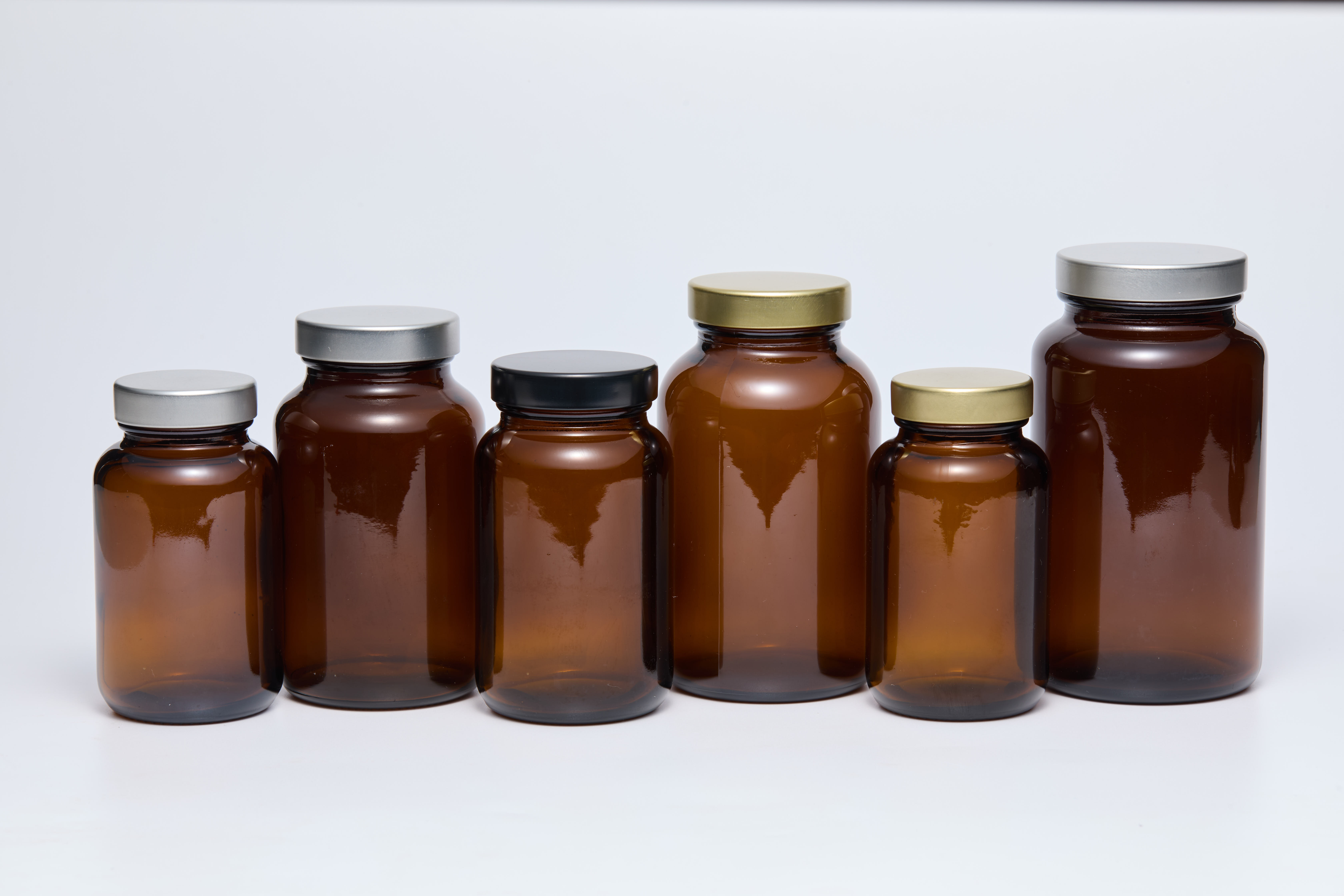
Kapsle z gwintem wewnętrznym stanowią kluczowy element przemysłowych systemów opakowań, zapewniając bezpieczne zamknięcia w wielu sektorach produkcji i dystrybucji. Te zamknięcia z gwintem charakteryzują się gwintem wewnętrznym, który łączy się z odpowiadającym mu gwintem zewnętrznym pojemników, tworząc niezawodne uszczelnienia chroniące zawartość przed zanieczyszczeniem, wyciekiem oraz oddziaływaniem czynników środowiskowych. Zrozumienie różnorodnych zastosowań przemysłowych kapselek z gwintem wewnętrznym umożliwia producentom, inżynierom ds. opakowań oraz specjalistom ds. zakupów dobór odpowiednich systemów zamknięć spełniających konkretne wymagania operacyjne oraz zapewniających integralność produktu na całym łańcuchu dostaw.
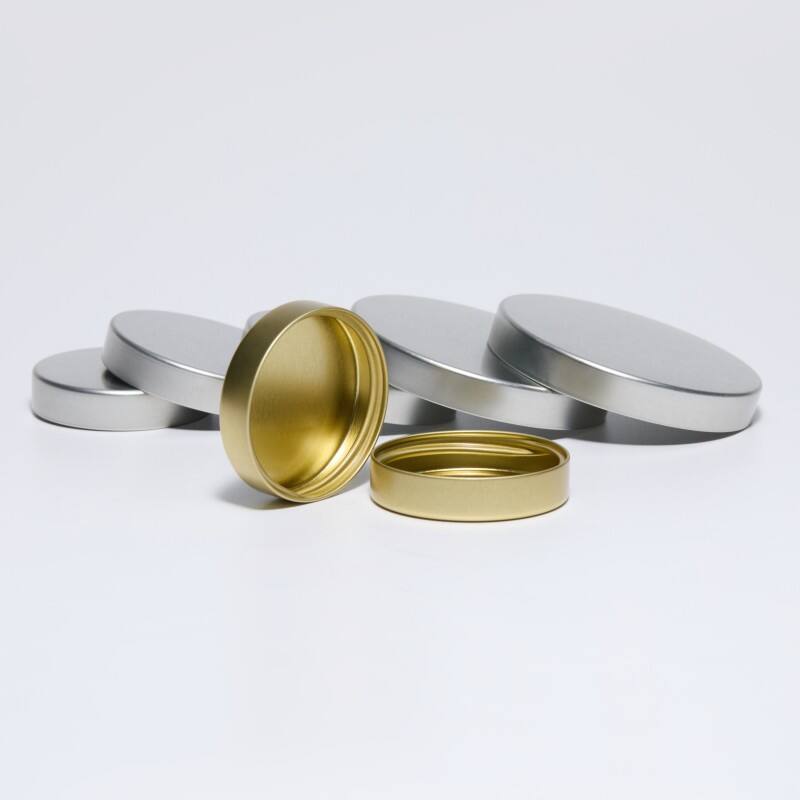
Przemysłowe zastosowanie korek z wewnętrzną gwintem obejmuje opakowania do przemysłu spożywczego i napojów, opakowania farmaceutyczne, przetwarzanie chemiczne, produkcję kosmetyków, dystrybucję suplementów diety oraz specjalistyczne zastosowania przemysłowe. Każdy sektor stawia określone wymagania wobec korek z wewnętrzną gwintem, w tym cechy zapewniające ochronę przed naruszeniem usunięcia, odporność chemiczną, zakresy odporności na temperaturę oraz zgodność ze standardami regulacyjnymi. Uniwersalność korek z wewnętrzną gwintem wynika z podstawowych zasad ich projektowania, które pozwalają na dostosowanie materiałów, wymiarów, składu wkładek oraz funkcjonalnych cech w celu rozwiązania konkretnych wyzwań aplikacyjnych występujących w różnych środowiskach przemysłowych.
Zastosowania w przemyśle spożywczym i napojowym
Opakowania szklane do żywności konserwowanej
Sektor konserwacji żywności opiera się w znacznym stopniu na pokrywkach z wewnętrzną gwintowaną śrubką do zamykania słoików szklanych, szczególnie w procesach konserwowania dżemów, żeli, ogórków kiszonych, sosów oraz innych produktów o długim terminie przydatności do spożycia. Te pokrywki z wewnętrzną gwintowaną śrubką zapewniają uszczelnienie hermetyczne w połączeniu z odpowiednimi materiałami uszczelniającymi (uszczelkami), zapobiegając zakażeniu mikrobiologicznemu oraz utlenianiu podczas długotrwałego przechowywania. Mechanizm gwintu umożliwia łatwe otwieranie pojemników przez konsumentów, zachowując jednocześnie integralność uszczelnienia w trakcie dystrybucji i magazynowania. Pokrywki z wewnętrzną gwintowaną śrubką przeznaczone do kontaktu z żywnością są zwykle wyposażone w uszczelki wykonane z plastysolu lub PVC, które mięknieją podczas obróbki cieplnej, dopasowując się precyzyjnie do konturów brzegu słoika w celu wyeliminowania przestrzeni powietrznych oraz utworzenia uszczelnienia próżniowego po ochłodzeniu.
Zakłady produkcyjne przetwarzające pokarmy kwasowe, takie jak produkty z pomidorów, konfitury owocowe oraz warzywa fermentowane, określają nakrętki z gwintem wewnętrznym z powłokami odpornymi na korozję lub materiałami wykładzinowymi obojętnymi chemicznie, które wytrzymują długotrwały kontakt z zawartością o niskim pH. Nakrętki muszą zachować stabilność wymiarową podczas przetwarzania w autoklawie lub operacji napełniania gorącym, w których temperatury mogą osiągać 85–95 stopni Celsjusza. Protokoły kontroli jakości w operacjach opakowywania żywności obejmują specyfikacje momentu dokręcania nakrętek, zapewniające spójne tworzenie uszczelki bez nadmiernego dokręcania, które mogłoby uszkodzić pojemniki szklane, ani zbyt luźnego dokręcania, które naruszałoby integralność uszczelki.
Operacje butelkowania napojów
Producenti napojów wykorzystują korki z wewnętrzną gwintem do premium produktów sokowych, aromatyzowanych wód, napojów mlecznych oraz specjalistycznych kategorii napojów, w których opakowania szklane podkreślają wysoką pozycję jakościową. W tych zastosowaniach wymagane są korki z wewnętrzną gwintem zaprojektowane tak, aby zapewniać utrzymanie dwutlenku węgla w napojach gazowanych lub właściwości barierowe wobec tlenu w wrażliwych formułach soków. Systemy zamykające zawierają technologie wkładek wielowarstwowych, łączących folie polimerowe ze związkami pochłaniającymi tlen lub barierami z folii aluminiowej. Linie produkcyjne napojów integrują maszyny do zakręcania dostosowane specjalnie do korków z wewnętrzną gwintem, stosujące precyzyjne wartości momentu obrotowego, które zapewniają spójne dociskanie uszczelki przy jednoczesnym utrzymaniu prędkości produkcji na poziomie 200–600 butelek na minutę, w zależności od konfiguracji linii.
Zastosowania napojów w łańcuchu chłodniczym wymagają korek z gwintem wewnętrznym, które zapewniają stałą skuteczność uszczelnienia przy zmianach temperatury występujących podczas rozprowadzania w warunkach chłodzenia. Korekki muszą uwzględniać rozszerzalność i kurczenie się termiczne zarówno samej korki, jak i pojemnika, bez utraty integralności uszczelnienia ani luzowania korki. Wiodące marki napojów często określają korki z gwintem wewnętrznym wyposażone w taśmy świadczące o naruszeniu oryginalnego opakowania lub cechy uniemożliwiające nieuprawnione otwarcie, które dostarczają widocznych dowodów otwarcia pojemnika, odpowiadając na obawy konsumentów dotyczące bezpieczeństwa oraz na wymagania regulacyjne obowiązujące na różnych rynkach.
Opakowania farmaceutyczne i medyczne
Przechowywanie suplementów diety i witamin
Przemysł suplementów diety stanowi ważny sektor zastosowań dla korków z gwintem wewnętrznym , szczególnie dla produktów pakowanych w butelkach szklanych o pojemności od 50 ml do 500 ml. Producentom suplementów potrzebne są zamknięcia chroniące higroskopijne składniki, takie jak witamina C, związki wapnia i ekstrakty ziół, przed dostaniem się wilgoci, a także zapobiegające utlenianiu wrażliwych składników odżywczych, takich jak kwasy omega-3 i witaminy rozpuszczalne w tłuszczach. Pokrywki z gwintem wewnętrznym stosowane w zastosowaniach suplementowych zawierają zazwyczaj wkładki uszczelniające metodą indukcyjną, zapewniające szczelne zamknięcie niezależnie od zaścisku gwintu, przy czym pokrywka z gwintem pełni funkcję ochronnej pokrywki zewnętrznej, którą konsument usuwa w celu uzyskania dostępu.
Zgodność z przepisami regulacyjnymi determinuje dobór materiałów do korek z wewnętrzną gwintowaną śrubką przeznaczonych do zastosowań farmaceutycznych, przy czym określone są żywice zatwierdzone przez FDA oraz powłoki bezpieczne w kontakcie z żywnością dla zastosowań bezpośredniego kontaktu z produktem. Korekki z wewnętrzną gwintowaną śrubką zapobiegające otwarciu przez dzieci charakteryzują się specjalnymi konstrukcjami gwintu lub mechanizmami nacisku i obrotu, które spełniają protokoły testowe CPSC, jednocześnie pozostając dostępne dla osób starszych lub osób z ograniczoną sprawnością ruchową. W sektorze farmaceutycznym stosuje się również korekki z wewnętrzną gwintowaną śrubką z wbudowanymi systemami odsączania wilgoci dla formuł wrażliwych na wilgoć, w których w zestawie zamknięcia umieszcza się woreczki z żelowym krzemionkiem lub wkładki uszczelniające nasączone środkiem odsączającym.
Opakowania leków bez recepty
Produkty farmaceutyczne dostępne bez recepty, w tym leki w postaci cieczy, roztworów do stosowania miejscowego oraz zawiesin doustnych, wykorzystują korki z gwintem wewnętrznym na butelkach szklanych i plastikowych w całym łańcuchu sprzedaży aptecznego. W tych zastosowaniach wymagane są cechy zapewniające widoczność naruszenia oryginalnego opakowania, takie jak paski łamliwe, które dają widoczną wskazówkę o pierwszym otwarciu opakowania, co odpowiada wymogom bezpieczeństwa konsumentów oraz obawom producentów leków związanych z odpowiedzialnością prawną. Korki muszą być chemicznie zgodne z substancjami czynnymi i substancjami pomocniczymi stosowanymi w lekach, zapobiegając wyciąganiu się materiałów korków do preparatów lub wchłanianiu składników produktu przez polimery użyte w zamykaczach.
Inżynierowie zajmujący się opakowaniami farmaceutycznymi określają korki z gwintem wewnętrznym z precyzyjnymi tolerancjami wymiarowymi, aby zapewnić spójne zaściskanie gwintu w ramach poszczególnych partii produkcyjnych, zapobiegając przy tym zacinaniu się gwintów podczas zautomatyzowanych operacji zakręcania lub użytkowania przez konsumentów. Zamykacze poddawane są testom zgodności z konkretnymi formułami, oceniając potencjalne oddziaływania w trakcie przyspieszonego starzenia, symulującego długotrwałą przydatność do użycia w różnych warunkach przechowywania. Leki wrażliwe na światło mogą wymagać korków z gwintem wewnętrznym wykonanych z materiałów nieprzezroczystych lub zawierających dodatki blokujące promieniowanie UV, które uzupełniają butelki szklane w kolorze bursztynowym w ochronie związków wrażliwych na działanie światła.
Zastosowania w przemyśle chemicznym i przetwórstwie przemysłowym
Przechowywanie odczynników laboratoryjnych
Producenci wyposażenia laboratoryjnego oraz dystrybutorzy chemikaliów stosują korki z gwintem wewnętrznym do butelek z odczynnikami, pojemników na próbki i standardów analitycznych w środowiskach badawczych, kontrolnych jakości oraz produkcyjnych laboratoriów. Te specjalistyczne korki z gwintem wewnętrznym muszą wykazywać odporność na agresywne chemikalia, w tym rozpuszczalniki organiczne, mocne kwasy, roztwory zasadowe oraz środki utleniające, zachowując przy tym integralność uszczelnienia podczas wielokrotnych cykli otwierania i zamykania. Dobór materiału koncentruje się na fluoropolimerach, polietylenie o wysokiej gęstości lub polipropylenie, których profile odporności chemicznej są dopasowane do charakterystyki konkretnych odczynników oraz wymagań związanych z ich przechowywaniem.
Korki z gwintem wewnętrznym o stopniu czystości odczynnikowym często zawierają uszczelki typu septum, które pozwalają na przebicie igłą w celu pobrania próbek bez usuwania korka, minimalizując narażenie na utlenianie oraz utratę lotnych składników w czułych standardach analitycznych. Korki mogą być wyposażone w powierzchnie do zapisywania identyfikatorów próbek lub integrować się z systemami etykietowania kodem kreskowym do śledzenia zapasów w zautomatyzowanych środowiskach laboratoryjnych. Projekt gwintów stosowanych w zastosowaniach laboratoryjnych uwzględnia łatwość obsługi jedną ręką przy jednoczesnym zapewnieniu niezawodnej szczelności, ponieważ personel laboratoryjny często manipuluje pojemnikami w rękawicach ochronnych ograniczających odczucia dotykowe.
Dystrybucja chemiczna przemysłowa
Producenci chemiczni dystrybuujący specjalistyczne związki chemiczne, dodatki do procesów przemysłowych oraz pośredniki do formułowania w małych pojemnikach wykorzystują korki z gwintem wewnętrznym przeznaczone do zawierania materiałów niebezpiecznych. W tych zastosowaniach wymagane są zamknięcia spełniające normy certyfikacji ONZ dla opakowań przeznaczonych na towary niebezpieczne oraz udokumentowane badania zgodności z konkretnymi klasyfikacjami chemicznymi. Korki z gwintem wewnętrznym do przemysłowych chemikaliów wyposażone są w odporno systemy uszczelnień, takie jak uszczelki stożkowe lub wkładkowe, które zachowują skuteczność mimo narażenia na pary chemiczne, cykle temperaturowe oraz naprężenia mechaniczne podczas transportu.
Sektor chemiczny przemysłowy określa korki z gwintem wewnętrznym z funkcjami wentylacyjnymi do zastosowań związanych z lotnymi związkami organicznymi lub produktami wydzielającymi gaz podczas przechowywania, zapobiegając przy tym wzrostowi ciśnienia i jednoczesnej utracie zawartości ciekłej. Te specjalizowane korki wentylacyjne zawierają materiały membranowe lub konstrukcje otworów regulowanych, które pozwalają na ucieczkę gazu, jednocześnie zapobiegając przepływowi cieczy. Przetwórcy chemiczni stosują również korki z gwintem wewnętrznym z dodatkowymi funkcjami zabezpieczającymi, takimi jak zatrzaski blokujące lub systemy drucianych uchwytów, w przypadku zastosowań krytycznych, w których przypadkowe otwarcie mogłoby spowodować zagrożenia dla bezpieczeństwa lub uwalnianie substancji do środowiska.
Opakowania do produktów kosmetycznych i do pielęgnacji ciała
Premium linie produktów kosmetycznych
Producentom kosmetyków pozycjonują korki z wewnętrzną gwintem jako premiumowe rozwiązania zamykające do serum do pielęgnacji skóry, mieszanki olejków eterycznych, koncentratów perfum oraz specjalistycznych produktów leczniczych, w których opakowania szklane przekazują luksusową pozycję marki i skuteczność produktu. Te korki z wewnętrzną gwintem podkreślają elementy estetycznego projektu, takie jak powłoki metaliczne, niestandardowe kolory dopasowane do systemów tożsamości wizualnej marek oraz dekoracyjne żebrowanie lub tekstury zwiększające jakość odczuć dotykowych. Korki muszą zapewniać skuteczną szczelność chroniącą czynne składniki wrażliwe na wilgoć, zapobiegającą ulatnianiu się lotnych składników zapachowych oraz gwarantującą spójne dozowanie produktu przez cały okres użytkowania pojemnika.
Zastosowania kosmetyczne wymagają korek z wewnętrzną gwintem produkowanych z materiałów zgodnych z złożonymi matrycami formuł zawierającymi emulgatory, środki powierzchniowo czynne, konserwanty oraz aktywne ekstrakty roślinne. Korek poddawane są badaniom zgodności w celu oceny potencjalnych oddziaływań chemicznych, przenoszenia barwników lub migracji plastyczynów, które mogłyby zagrozić stabilności produktu lub bezpieczeństwu konsumentów. Wysokiej klasy linie kosmetyczne często określają korki z wewnętrzną gwintem z wbudowanymi układami kroplówek lub dozownikami pompowymi, które dokręca się do otworów pojemników, łącząc funkcję zamknięcia z precyzyjnym dawkowaniem produktu.
Kategorie produktów naturalnych i organicznych
Sektor naturalnej pielęgnacji osobistej wykorzystuje korki z wewnętrzną gwintem do produktów oferowanych z podkreśleniem czystych składników, zrównoważonego pozyskiwania surowców oraz minimalnej obróbki. W tych zastosowaniach preferowane są korki z wewnętrzną gwintem wykonane z materiałów nadających się do recyklingu, takich jak aluminium, blacha cynowana lub jednoskładnikowe systemy polimerowe, które ułatwiają procesy recyklingu po zakończeniu cyklu życia produktu. Marki podkreślające odpowiedzialność środowiskową mogą określać korki z wewnętrzną gwintem zawierające surowce pochodzące z recyklingu odpadów po zużyciu przez konsumentów lub formułacje polimerowe pochodzenia biologicznego, uzyskane z odnawialnych surowców.
Naturalne formuły produktów często wykluczają syntetyczne systemy konserwujące, co zwiększa wrażliwość na ryzyko zanieczyszczenia mikrobiologicznego podczas użytkowania produktu. Pokrywki z wewnętrzną gwintowaną częścią stosowane w tych zastosowaniach zawierają dodatki o działaniu przeciwbakteryjnym w materiałach wkładek lub cechują się elementami konstrukcyjnymi minimalizującymi powierzchnię kontaktu z produktem, co zmniejsza potencjalne wektory zanieczyszczenia. Nakrętki muszą być dostosowane do formuł bez konserwantów, które mogą charakteryzować się innymi profilami lepkości lub tendencją do rozwarstwiania się faz w porównaniu do produktów tradycyjnie konserwowanych, zapewniając przy tym stałą skuteczność dawkowania oraz spójne wrażenia użytkownika przez cały okres użytkowania produktu.
Specjalistyczne zastosowania przemysłowe i techniczne
Opakowania na płyny motocyklowe i samochodowe
Dostawcy części zamiennych do motocykli i samochodów pakują płyny hamulcowe, dodatki do olejów przekładniowych, środki czyszczące układy paliwowe oraz specjalistyczne smary w pojemnikach z korkami z wewnętrzną gwintem zaprojektowanymi tak, aby wykazywać odporność chemiczną i zapewniać długotrwałą szczelność. W tych zastosowaniach korki z wewnętrzną gwintem są narażone na działanie agresywnych formuł, w tym etery glikolowe, destylaty ropopochodne, mieszanki środków detergентowych oraz inhibitory korozji, które zagrażają stabilności polimerów i integralności uszczelek. Korki muszą zachowywać swoje właściwości robocze w zakresie temperatur występujących w środowiskach sprzedaży detalicznej części samochodowych oraz w miejscach przechowywania pojazdów – od warunków zimowych poniżej zera po wysokie temperatury letnie przekraczające 50 stopni Celsjusza.
Opakowania płynów motocyklowych określają korki z gwintem wewnętrznym wyposażone w cechy zapewniające widoczność naruszenia usunięcia oraz konstrukcje odporno na dzieci, spełniające przepisy prawne dotyczące bezpieczeństwa niebezpiecznych produktów konsumenckich. Zamykacze te często zawierają wbudowane dozowniki lub mechanizmy dawkujące ułatwiające dokładne dawkowanie produktu podczas stosowania, co zmniejsza ryzyko wylania się płynu oraz umożliwia użytkownikom odmierzanie odpowiednich objętości leku. Korki z gwintem wewnętrznym przeznaczone do zastosowań motocyklowych poddawane są rygorystycznym testom wibracyjnym symulującym obciążenia występujące podczas transportu, zapewniając ich trwałe zamocowanie w trakcie dystrybucji przez złożone łańcuchy dostaw obejmujące wiele etapów manipulacji.
Przechowywanie przemysłowych klejów i uszczelniaczy
Producenci klejów budowlanych, uszczelniaczy przemysłowych oraz specjalistycznych związków klejących stosują korki z wewnętrzną gwintem w opakowaniach o różnej pojemności – od małych butelek do zastosowań jednorazowych po pojemniki średniej objętości przeznaczone dla profesjonalnych wykonawców. Te korki z wewnętrzną gwintem muszą zapobiegać przyklejaniu się do gwintu pojemnika mimo wielokrotnego narażenia na działanie produktów klejących, które mogą utwardzać się po kontakcie z powietrzem lub wilgocią. Profile gwintów są zaprojektowane z dużym skokiem i wystarczającą luzem, co zapobiega gromadzeniu się kleju i uniemożliwia zakłócenie prawidłowego zakręcania korka, podczas gdy systemy wkładek charakteryzują się powierzchniami z warstwą antyzaciekową, która zapobiega przyczepianiu się produktu.
Zastosowania przemysłowych uszczelniaczy mogą wymagać korek z wewnętrzną gwintowaną częścią zintegrowanych z końcówkami dozującymi, które wkręcane są bezpośrednio do otworów pojemników, eliminując konieczność stosowania oddzielnego sprzętu dozującego i redukując koszty materiałów. Te zintegrowane systemy zamknięcia i dozowania umożliwiają precyzyjne nanoszenie w ciasnych przestrzeniach lub przy szczegółowej pracy, gdzie tradycyjne metody dozowania okazują się niewykonalne. Korek muszą wytrzymać wielokrotne procedury czyszczenia rozpuszczalnikami, jakie stosują użytkownicy profesjonalni w celu utrzymania funkcjonalności końcówek dozujących, odporność na degradację spowodowaną agresywnymi środkami czyszczącymi oraz zachowanie integralności gwintu zapewniające długotrwałe i niezawodne zamknięcie.
Formuły atramentów i powłok
Producenci farb drukarskich oraz dostawcy specjalistycznych powłok wykorzystują korki z gwintem wewnętrznym do rozcieńczania pigmentów, farb do druku sitowego oraz produktów do powłok dekoracyjnych, które są dystrybuowane do zakładów komercyjnego druku i przemysłowych placówek wykańczania. W tych zastosowaniach korki z gwintem wewnętrznym są narażone na działanie formuł o wysokim stężeniu pigmentu, systemów opartych na rozpuszczalnikach oraz składów utwardzanych promieniowaniem UV, co wymaga określonych profili zgodności materiałów. Zatyczki muszą zapobiegać tworzeniu się skórki lub wczesnemu utwardzaniu się zawartości przy otworze pojemnika, jednocześnie umożliwiając szybki dostęp podczas operacji produkcyjnych, ponieważ przestoje bezpośrednio wpływają na wydajność produkcji.
Zastosowania opakowań do atramentu preferują korki z gwintem wewnętrznym z szerokimi otworami, ułatwiającymi mieszanie, dopasowywanie kolorów oraz regulację lepkości – czynności wykonywane rutynowo przez operatorów drukarni podczas przygotowania produkcji. Korki te zawierają cechy umożliwiające bezpieczne ponowne zamknięcie po częściowym zużyciu produktu, zapewniając stabilność atramentu podczas przechowywania między seriami produkcyjnymi, które mogą trwać dni lub tygodnie. Użytkownicy przemysłowi cenią sobie korki z gwintem wewnętrznym umożliwiające otwieranie i zamykanie bez użycia narzędzi, ponieważ w środowiskach drukarskich często wymagany jest szybki dostęp do pojemników bez zakłócania przebiegu pracy w celu poszukiwania specjalistycznych narzędzi.
Często zadawane pytania
Jakie materiały są powszechnie stosowane do produkcji korków z gwintem wewnętrznym w zastosowaniach przemysłowych?
Kapsle z gwintem wewnętrznym są produkowane z różnych materiałów, dobieranych w zależności od wymagań aplikacji, w tym z aluminium, blachy cynowanej, polipropylenu, polietylenu i PVC do zastosowań standardowych; do zastosowań wymagających odporności chemicznej lub wysokiej temperatury stosuje się specjalistyczne materiały, takie jak fluoropolimery lub inżynieryjne tworzywa termoplastyczne. Wybór materiału uwzględnia takie czynniki, jak zgodność z produktem, właściwości barierowe, odporność na temperaturę, zgodność z przepisami prawными oraz możliwość recyklingu po zakończeniu cyklu życia wyrobu. W wielu zastosowaniach przemysłowych stosuje się wieloskładnikowe kapsle z gwintem wewnętrznym, łączące obudowy metalowe lub polimerowe ze specjalistycznymi materiałami wkładek, takimi jak plastisol, pianka, tektura celulozowa lub folie uszczelniające indukcyjnie, zapewniające funkcję uszczelnienia dostosowaną do konkretnych wymagań ochrony produktu.
W jaki sposób kapsle z gwintem wewnętrznym porównują się do zamknięć z gwintem zewnętrznym w zastosowaniach przemysłowych opakowań?
Kapsle z gwintem wewnętrznym mają gwint na powierzchni wewnętrznej, który łączy się z gwintem zewnętrznym na końcówkach pojemników, podczas gdy kapsle z gwintem zewnętrznym mają gwint na powierzchni zewnętrznej, który łączy się z gwintem wewnętrznym pojemnika. Kapsle z gwintem wewnętrznym zapewniają zazwyczaj bardziej estetyczny wygląd dzięki gładkim zewnętrznym profilom oraz potencjalnie lepszej integracji z funkcjami zapewnienia niezawodności usunięcia pieczęci w porównaniu do konstrukcji z gwintem zewnętrznym. Wybór między kapslami z gwintem wewnętrznym a zewnętrznym zależy od uwarunkowań związanych z produkcją pojemników, zgodności wyposażenia linii napełniania, pożądanej estetyki kapsli oraz konkretnych wymagań dotyczących wydajności uszczelniania. W niektórych zastosowaniach preferuje się kapsle z gwintem wewnętrznym ze względu na poprawę stabilności układania w stosy podczas magazynowania i transportu, podczas gdy w innych przypadkach wybiera się konstrukcje z gwintem zewnętrznym w celu uzyskania wyższego momentu otwierania lub specjalnych funkcji dozowania.
Jakie środki kontroli jakości zapewniają niezawodną pracę kapsli z gwintem wewnętrznym w zastosowaniach krytycznych?
Protokoły kontroli jakości dla kapelek z wewnętrzną gwintem obejmują inspekcję wymiarową w celu zweryfikowania dokładności profilu gwintu oraz dopuszczalnych odchyłek średnicy kapelek, badania momentu dokręcania w celu potwierdzenia spójnego tworzenia uszczelnienia w określonych zakresach, ocenę momentu odkręcania zapewniającą wystarczający, ale nie nadmierny poziom bezpieczeństwa zamknięcia oraz badania szczelności uszczelnienia metodą spadku ciśnienia lub technikami penetraции barwnika. W przypadku zastosowań krytycznych przeprowadza się badania zgodności, w ramach których kapeleki z wewnętrzną gwintem są narażane na rzeczywiste formuły produktowe w warunkach przyspieszonego starzenia symulujących długotrwałe okresy przechowywania. Dodatkowe środki zapewnienia jakości obejmują wizualną kontrolę występowania wad estetycznych, badania przyczepności wkładki, weryfikację funkcjonalności elementów zapobiegających naruszeniu oryginalnego opakowania oraz monitorowanie kluczowych parametrów za pomocą statystycznej kontroli procesu w trakcie całej serii produkcyjnej, co zapewnia stałą wydajność kapelek zgodną ze specyfikacjami danego zastosowania.
Czy kapeleki z wewnętrzną gwintem mogą być zintegrowane z systemami automatyzacji w środowiskach produkcji wysokoprędkościowej?
Kapsle z gwintem wewnętrznym są w pełni kompatybilne z automatycznymi systemami zakręcania stosowanymi w liniach produkcyjnych o wysokiej wydajności w zakładach produkcyjnych artykułów spożywczych, farmaceutycznych, chemicznych oraz dóbr konsumenckich. Do sprzętu do automatycznego zakręcania należą m.in. zakrętarki obrotowe, zakrętarki liniowe z wrzecionami oraz głowice zakręcające typu chuck, które nakładają kapsle z gwintem wewnętrznym z prędkością od 50 do ponad 600 pojemników na minutę – w zależności od rozmiaru kapsli, formatu pojemnika oraz złożoności aplikacji. Skuteczna integracja z systemami automatycznymi wymaga stosowania kapsli z gwintem wewnętrznym wyprodukowanych z bardzo ścisłymi tolerancjami wymiarowymi, zapewniającymi spójną orientację podczas podawania, prawidłowe zaściskanie gwintu oraz niezawodne przekazywanie momentu obrotowego podczas mechanicznego zakręcania. Nowoczesne systemy zakręcania wykorzystują sterowanie serwonapędowe, monitorowanie momentu obrotowego oraz mechanizmy odrzucania niewłaściwie zakręconych pojemników, co pozwala utrzymać standardy jakości i osiągnąć cele wydajnościowe niezbędne w operacjach na skalę przemysłową.
Spis treści
- Zastosowania w przemyśle spożywczym i napojowym
- Opakowania farmaceutyczne i medyczne
- Zastosowania w przemyśle chemicznym i przetwórstwie przemysłowym
- Opakowania do produktów kosmetycznych i do pielęgnacji ciała
- Specjalistyczne zastosowania przemysłowe i techniczne
-
Często zadawane pytania
- Jakie materiały są powszechnie stosowane do produkcji korków z gwintem wewnętrznym w zastosowaniach przemysłowych?
- W jaki sposób kapsle z gwintem wewnętrznym porównują się do zamknięć z gwintem zewnętrznym w zastosowaniach przemysłowych opakowań?
- Jakie środki kontroli jakości zapewniają niezawodną pracę kapsli z gwintem wewnętrznym w zastosowaniach krytycznych?
- Czy kapeleki z wewnętrzną gwintem mogą być zintegrowane z systemami automatyzacji w środowiskach produkcji wysokoprędkościowej?