
 EN
EN
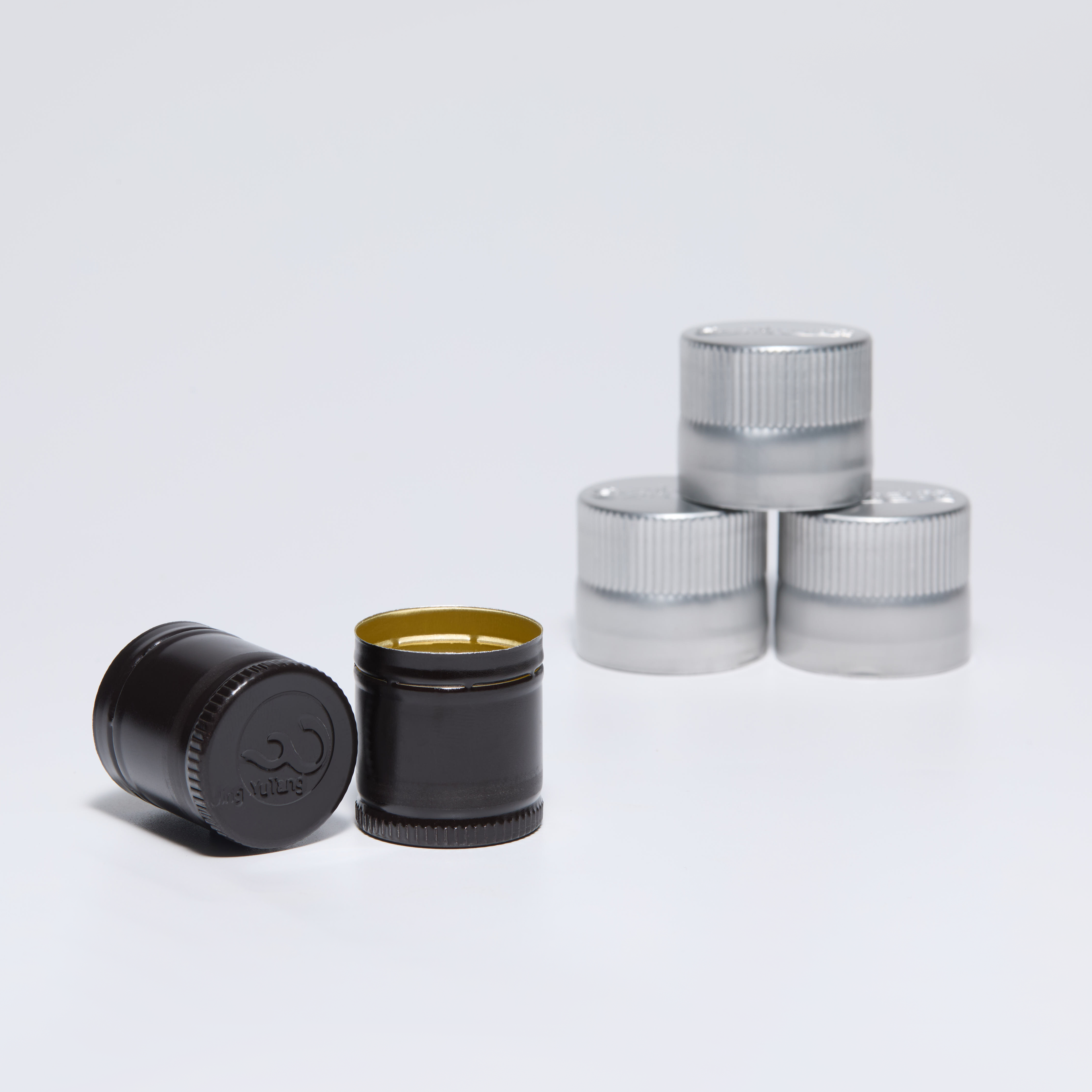
Pencemaran semasa penyimpanan farmaseutikal menimbulkan ancaman kritikal terhadap integriti produk, keselamatan pesakit, dan pematuhan peraturan. Apabila menyimpan ubat cecair, serum, dan larutan suntikan, penghalang antara kandungan steril dan pencemar persekitaran menjadi titik yang paling rentan dalam keseluruhan sistem pemeliharaan. Memahami cara penutup vial serum berfungsi sebagai penghalang pelindung ini mendedahkan prinsip kejuruteraan canggih yang menjaga jutaan dos di seluruh dunia.
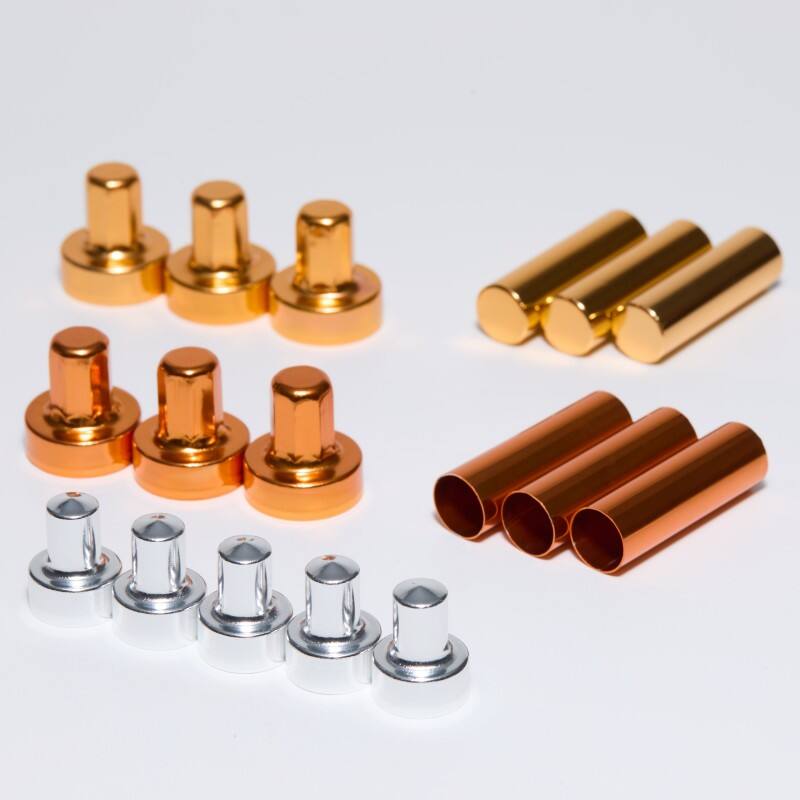
Mekanisme pencegahan kontaminasi pada penutup vial serum beroperasi melalui beberapa lapisan pertahanan terintegrasi yang berfungsi secara serentak untuk mengekalkan keadaan aseptik sepanjang tempoh penyimpanan yang panjang. Penutup khas ini menggabungkan sains bahan canggih, pembuatan tepat, dan teknologi pengedap yang telah terbukti untuk mencipta halangan yang tidak boleh ditembusi bagi melindungi daripada penembusan mikroorganisma, degradasi kimia, dan kontaminasi fizikal, sambil mengekalkan akses mudah bagi profesional kesihatan apabila diperlukan.
Mekanisme Halangan Fizikal dalam Penutup Vial Serum
Teknologi Penyegelan Hermetik
Fungsi utama pencegahan kontaminasi pada penutup vial serum bergantung pada teknologi penyegelan hermetik yang menciptakan halangan kedap udara antara kandungan steril dan persekitaran luar. Mekanisme penyegelan ini biasanya melibatkan sistem berbilang komponen di mana penutup berinteraksi dengan leher vial melalui mampatan mekanikal yang tepat. Permukaan penyegelan mesti mencapai tekanan sentuh yang cukup untuk menghilangkan celah mikroskopik yang boleh membenarkan penembusan mikroorganisma atau pertukaran gas.
Reka bentuk penutup vial serum moden menggabungkan geometri penyegelan yang direkabentuk secara kejuruteraan untuk mengagihkan daya mampatan secara sekata di seluruh antara muka penyegelan. Agihan tekanan yang seragam ini mengelakkan tumpuan tekanan yang boleh menjejaskan integriti penyegelan seiring masa. Ulir dalaman atau mekanisme pasak-pasak penutup menyediakan kelebihan mekanikal yang diperlukan untuk mencapai daya penyegelan optimum tanpa memerlukan tork aplikasi yang berlebihan yang boleh merosakkan vial atau komponen penutup.
Ketidakstabilan suhu semasa penyimpanan dan pengangkutan boleh memberi kesan ketara terhadap keberkesanan pengedap, menjadikan kestabilan terma sebagai pertimbangan penting dalam rekabentuk penutup vial serum. Sistem pengedap mesti mengekalkan sifat halangannya di sepanjang julat suhu yang dialami semasa keadaan penyimpanan farmaseutikal biasa, iaitu secara tipikal dari suhu sejuk beku sekitar 2–8°C hingga suhu bilik sehingga 25°C atau lebih tinggi semasa penghantaran.
Sifat Halangan Bahan
Kemampuan penutup vial serum dalam mencegah kontaminasi bergantung secara besar pada sifat penghalang bahan-bahan penyusunnya. Polimer berprestasi tinggi yang digunakan dalam pembinaan penutup menunjukkan kadar ketelapan yang sangat rendah terhadap wap air, oksigen, dan gas-gas berbahaya lain yang berpotensi merosakkan serum yang disimpan atau menyediakan laluan bagi kontaminasi. Bahan-bahan ini menjalani ujian mendalam untuk mengesahkan keserasian kimianya dengan formulasi farmaseutikal dan keupayaannya mengekalkan sifat penghalang sepanjang tempoh yang panjang.
Bahan penutup vial serum lanjutan sering menggunakan struktur berbilang lapisan di mana polimer berbeza menyumbang sifat pelindung tertentu. Lapisan luar mungkin memberi keutamaan kepada kekuatan mekanikal dan rintangan kimia terhadap agen pembersih serta proses pensterilan, manakala lapisan dalaman memberi tumpuan kepada keserasian farmaseutikal dan prestasi halangan yang ditingkatkan. Pendekatan berlapis ini membolehkan pengoptimuman setiap bahan mengikut fungsi pelindung khususnya.
Teknologi rawatan permukaan yang digunakan pada penutup vial serum bahan-bahan boleh seterusnya meningkatkan keupayaan pencegahan kontaminasi mereka. Rawatan ini mungkin termasuk salutan anti-mikrobial, sifat rintangan kimia yang ditingkatkan, atau ciri-ciri permukaan pengedap yang dipertingkat untuk mengoptimumkan antara muka antara penutup dan komponen vial.
Sistem Pencegahan Kontaminasi Mikrobiologi
Keperluan Pembuatan Steril
Kesannya dalam mencegah kontaminasi pada penutup vial serum bermula dengan proses pembuatan steril yang menghilangkan kontaminasi mikrobiologi semasa pengeluaran. Alam sekitar pengeluaran khusus ini mengekalkan piawaian kebersihan yang ketat, biasanya beroperasi di bawah keadaan bilik bersih ISO Kelas 7 atau lebih tinggi dengan penapisan udara berterusan, pengekalan tekanan positif, dan protokol kebersihan personel yang komprehensif. Setiap peringkat pengeluaran penutup vial serum dilakukan dalam alam sekitar terkawal yang direka khas untuk mengelakkan pengenalan pencemar.
Pengesahan pensterilan merupakan aspek kritikal dalam pembuatan penutup vial serum, dengan setiap kelompok pengeluaran menjalani proses pensterilan yang disahkan untuk mencapai tahap jaminan ketaksatuan (sterility assurance level) yang ditetapkan. Kaedah pensterilan biasa termasuk sinaran gama, rawatan oksida etilena atau pensterilan wap, di mana setiap kaedah dipilih berdasarkan keserasian bahan dan keperluan penggunaan akhir. Parameter proses pensterilan diuji dan disahkan secara menyeluruh untuk memastikan pemusnahan lengkap kontaminan mikrobiologi berpotensi tanpa menjejaskan fungsi penutup.
Ujian kawalan kualiti sepanjang proses pembuatan termasuk protokol ujian mikrobiologi yang komprehensif untuk mengesahkan pemeliharaan ketaksatuan pada setiap peringkat pengeluaran. Ujian-ujian ini menggunakan metodologi piawaian untuk mengesan sebarang kontaminasi mikrobiologi berpotensi serta memastikan produk penutup vial serum siap memenuhi piawaian ketaksatuan industri farmaseutikal sebelum dilepaskan untuk digunakan.
Pemeliharaan Ketaksatuan Jangka Panjang
Apabila dipasang dengan betul, penutup vial serum mesti mengekalkan keadaan steril sepanjang tempoh penyimpanan keseluruhan, yang boleh berlangsung dari beberapa bulan hingga beberapa tahun bergantung pada produk farmaseutikal tersebut. Pencegahan jangkitan jangka panjang ini bergantung pada keupayaan penutup untuk mengekalkan integriti kedapannya walaupun menghadapi tekanan persekitaran seperti kitaran suhu, perubahan kelembapan, getaran mekanikal, dan pendedahan kimia potensi akibat prosedur pembersihan atau pensterilan.
Kesannya sebagai halangan mikroba bagi sistem penutup vial serum diuji secara meluas melalui kajian penuaan terkumpul yang mensimulasikan keadaan penyimpanan jangka panjang. Kajian-kajian ini menilai integriti kelindungan, penguraian bahan, dan pengekalan steriliti dalam keadaan tertekan yang mewakili senario penyimpanan paling buruk. Protokol ujian biasanya merangkumi kitaran suhu, pendedahan kelembapan, ujian tekanan mekanikal, dan kajian cabaran mikroba sebenar menggunakan organisma ujian piawaian.
Program pemantauan alam sekitar di kemudahan penyimpanan farmaseutikal memberikan pengesahan berterusan bahawa sistem penutup vial serum terus menghalang kontaminasi sepanjang jangka hayat perkhidmatannya. Sistem pemantauan ini menjejak keadaan alam sekitar, menjalankan ujian kesterilan secara berkala, dan menyelenggara dokumentasi yang menunjukkan kesinambungan keberkesanan langkah-langkah pencegahan kontaminasi.
Perlindungan Kimia dan Peningkatan Kestabilan
Kesepadanan Kimia Perlu Dipertimbangkan
Pencegahan pencemaran bahan kimia merupakan fungsi penting lain sistem penutup vial serum, terutamanya apabila menyimpan formulasi farmaseutikal yang sensitif yang boleh terdegradasi melalui sentuhan dengan bahan-bahan yang tidak sesuai atau gas atmosfera. Proses pemilihan bahan penutup melibatkan ujian keserasian yang mendalam dengan formulasi farmaseutikal tertentu untuk memastikan tiada interaksi kimia berlaku yang boleh menjejaskan kualiti atau keselamatan produk. Kajian keserasian ini menilai potensi bahan yang terlepas (leachables), bahan yang dapat diekstrak (extractables), dan tindak balas kimia antara bahan penutup dengan produk yang disimpan.
Reka bentuk penutup vial serum lanjutan menggabungkan lapisan halangan kimia yang menghalang interaksi antara kandungan farmaseutikal dan bahan penutup, serta sekaligus menghalang masuknya pencemar atmosfera. Lapisan halangan ini kerap menggunakan polimer khusus atau salutan yang menunjukkan ketidakaktifan kimia yang luar biasa serta rintangan terhadap pelarut farmaseutikal, pengawet, dan bahan aktif yang biasa terdapat dalam formulasi serum.
Keperluan pematuhan peraturan bagi bahan penutup vial serum termasuk protokol ujian ekstraktibel dan lekabel yang komprehensif untuk mengenal pasti dan mengukur sebarang sebatian kimia yang mungkin berpindah dari penutup ke produk farmaseutikal yang disimpan. Kajian-kajian ini mengikuti garis panduan yang telah ditetapkan oleh agensi peraturan dan menggunakan teknik analitik canggih untuk mengesan walaupun pada tahap jejak sebarang kontaminan berpotensi.
Pencegahan Pengoksidaan dan Pereputan
Ramai serum farmaseutikal dan larutan suntikan mengandungi bahan aktif yang mudah terjejas oleh pengoksidaan apabila terdedah kepada oksigen atmosfera. Fungsi penutup vial serum dalam mencegah kontaminasi termasuklah mencipta halangan yang berkesan terhadap kemasukan oksigen yang boleh mengkatalisis tindak balas penguraian kimia dan menjejaskan keberkesanan produk. Keupayaan halangan oksigen ini bergantung kepada kedua-dua keberkesanan pengedapannya serta ciri ketelapan semula jadi bahan penutup tersebut.
Formula khas penutup vial serum menggabungkan teknologi penghilang oksigen yang secara aktif mengeluarkan jumlah kecil oksigen yang mungkin wujud dalam ruang kepala yang kedap. Sistem halangan aktif ini memberikan perlindungan lebih baik terhadap formula yang peka terhadap oksigen dan memperpanjang kestabilan produk melebihi apa yang boleh dicapai oleh sistem halangan pasif sahaja. Mekanisme penghilang oksigen mesti direka dengan teliti untuk mengelakkan sebarang interaksi dengan produk farmaseutikal sambil secara berkesan menghilangkan kontaminasi oksigen.
Program ujian kestabilan menilai keberkesanan sistem penutup vial serum dalam mencegah penguraian kimia sepanjang tempoh penyimpanan yang panjang. Kajian-kajian ini memantau parameter kualiti utama termasuk ketepatan bahan aktif, pembentukan bendasing, kestabilan pH, dan perubahan rupa fizikal yang mungkin menunjukkan kontaminasi atau penguraian. Keputusan daripada kajian-kajian ini mengesahkan keupayaan sistem dalam mencegah kontaminasi serta menyokong penetapan syarat penyimpanan yang sesuai dan spesifikasi jangka hayat simpan.
Sistem Kawalan Kualiti dan Pengesahan
Kaedah Ujian Keteguhan Penutup
Pengesahan keberkesanan pencegahan pencemaran memerlukan kaedah ujian yang canggih yang dapat mengesan kompromi kecil dalam integriti meterai yang mungkin membolehkan pencemaran masuk. Ujian integriti meterai moden untuk sistem tutup botol serum menggunakan pelbagai teknik pelengkap termasuk ujian kerosakan vakum, ujian kerosakan tekanan, dan kaedah pengesanan gas pelacak. Pendekatan ujian bukan merosakkan ini dapat mengenal pasti kecacatan penyegelan tanpa menjejaskan kandungan steril unit yang diuji.
Pengesanan kebocoran helium mewakili salah satu kaedah paling sensitif untuk menilai integriti kedap tutup vial serum, mampu mengesan kadar kebocoran jauh di bawah tahap yang membolehkan kontaminasi mikrobiologi. Kaedah ujian ini melibatkan penempatan vial yang telah ditutup dalam persekitaran kaya helium, kemudian menggunakan spektrometri jisim untuk mengesan sebarang helium yang menembusi cacat kedap. Ketelitian luar biasa kaedah ini menjadikannya ideal untuk mengesahkan keupayaan sistem pembungkusan farmaseutikal kritikal dalam mencegah kontaminasi.
Protokol pensampelan statistik memastikan bahawa ujian integriti kedap memberikan jaminan bermakna mengenai kualiti keseluruhan kelompok pengeluaran tutup vial serum. Pelan pensampelan ini mengambil kira sifat kritikal pencegahan kontaminasi dan menetapkan kekerapan ujian yang memberikan keyakinan tinggi dalam mengesan sebarang masalah kedap sistematik sebelum produk sampai kepada pengguna akhir.
Penuaan Dipercayakan dan Kajian Kestabilan
Pengesahan pencegahan pencemaran jangka panjang memerlukan kajian penuaan terkumput yang mensimulasikan keadaan penyimpanan lanjut dalam tempoh masa yang dipendekkan. Kajian ini mendedahkan sistem penutup vial serum kepada suhu tinggi, tekanan kelembapan, getaran mekanikal, dan faktor persekitaran lain yang boleh menjejaskan integriti pengedap seiring berlalunya masa. Keadaan ujian direka secara teliti berdasarkan prinsip saintifik yang telah ditetapkan, yang mengaitkan keadaan penuaan terkumput dengan persekitaran penyimpanan dunia sebenar.
Protokol ujian komprehensif menilai pelbagai aspek prestasi pencegahan pencemaran sepanjang kajian penuaan terkumput. Parameter yang dipantau termasuk pemeliharaan integriti pengedap, perubahan sifat bahan, pemeliharaan ketulinan, dan pemeliharaan keserasian kimia. Penilaian berbilang parameter ini memberikan pengesahan menyeluruh bahawa sistem penutup vial serum akan mengekalkan fungsi perlindungannya sepanjang hayat perkhidmatan yang dirancang.
Analisis data daripada kajian penuaan terkumpul membolehkan penentuan syarat penyimpanan yang disahkan dan spesifikasi jangka hayat produk yang menjamin keberkesanan berterusan dalam pencegahan kontaminasi. Model statistik menganggar hasil penuaan terkumpul untuk meramalkan prestasi jangka panjang di bawah syarat penyimpanan biasa, menyediakan asas saintifik bagi pengajuan peraturan dan program jaminan kualiti.
Soalan Lazim
Berapa lamakah penutup vial serum mampu mengekalkan keadaan steril semasa penyimpanan?
Penutup vial serum yang dihasilkan dan dipasang dengan betul dapat mengekalkan keadaan steril sepanjang tempoh hayat simpan produk farmaseutikal, biasanya antara 2–5 tahun bergantung kepada formula khusus dan syarat penyimpanan. Keberkesanan pencegahan kontaminasi disahkan melalui kajian penuaan terkumpul yang luas serta ujian kestabilan masa nyata yang menunjukkan pengekalan integriti segel sepanjang tempoh penyimpanan yang dirancang. Faktor-faktor yang mempengaruhi jangka hayat termasuk suhu penyimpanan, aras kelembapan, dan pendedahan kepada tekanan mekanikal semasa pengendalian dan pengangkutan.
Apakah yang berlaku jika segel penutup vial serum menjadi rosak semasa penyimpanan?
Penutup botol serum yang terjejas mencipta laluan bagi kontaminasi mikrobiologi, degradasi kimia, dan kehilangan steriliti yang boleh menjadikan produk farmaseutikal tidak selamat untuk digunakan. Kontaminasi boleh berlaku dengan cepat sekali integriti penutup hilang, yang berpotensi menyebabkan pertumbuhan bakteria, pengoksidaan kimia, atau kemasukan zarah asing. Sistem kawalan kualiti di kemudahan farmaseutikal merangkumi prosedur pemeriksaan berkala dan pemantauan persekitaran untuk mengesan kegagalan penutup sebelum produk sampai kepada pesakit. Sebarang botol yang disyaki mengalami kegagalan penutup mesti dikuarantin dan diuji secara komprehensif sebelum tindakan seterusnya diambil.
Bolehkah penutup botol serum digunakan semula selepas dibuka tanpa menjejaskan pencegahan kontaminasi?
Penutup vial serum direka sebagai penutup sekali pakai dan tidak boleh digunakan semula selepas dibuka untuk kali pertama. Mekanisme pencegahan kontaminasi bergantung pada geometri pengedap yang tepat dan sifat bahan yang boleh berubah secara kekal semasa proses pembukaan. Cubaan untuk mengedap semula menggunakan penutup asal tidak dapat memulihkan kedap udara yang diperlukan untuk mengekalkan steriliti, menyebabkan risiko besar kontaminasi mikrobiologi dan degradasi produk. Fasiliti penjagaan kesihatan mesti mematuhi protokol ketat dalam pengendalian dan pelupusan vial dos tunggal untuk mengekalkan piawaian keselamatan pesakit.
Bagaimanakah perubahan suhu mempengaruhi keupayaan penutup vial serum dalam mencegah kontaminasi?
Perubahan suhu boleh memberi kesan terhadap pencegahan kontaminasi penutup vial serum melalui pengembangan dan pengecutan termal bahan-bahan yang mungkin mempengaruhi tekanan dan integriti antara muka pengedap. Walau bagaimanapun, penutup vial serum bertaraf farmaseutikal direka khas dan diuji untuk mengekalkan fungsi pelindungnya di sepanjang julat suhu penyimpanan dan pengangkutan yang biasanya dialami. Kajian penuaan terkumpul termasuk protokol kitaran suhu yang mengesahkan pemeliharaan integriti pengedap di bawah keadaan tekanan termal yang realistik. Pencalaran suhu ekstrem di luar julat yang disahkan berpotensi mengganggu keberkesanan pengedap dan memerlukan penilaian produk sebelum digunakan.
Kandungan
- Mekanisme Halangan Fizikal dalam Penutup Vial Serum
- Sistem Pencegahan Kontaminasi Mikrobiologi
- Perlindungan Kimia dan Peningkatan Kestabilan
- Sistem Kawalan Kualiti dan Pengesahan
-
Soalan Lazim
- Berapa lamakah penutup vial serum mampu mengekalkan keadaan steril semasa penyimpanan?
- Apakah yang berlaku jika segel penutup vial serum menjadi rosak semasa penyimpanan?
- Bolehkah penutup botol serum digunakan semula selepas dibuka tanpa menjejaskan pencegahan kontaminasi?
- Bagaimanakah perubahan suhu mempengaruhi keupayaan penutup vial serum dalam mencegah kontaminasi?