
 EN
EN
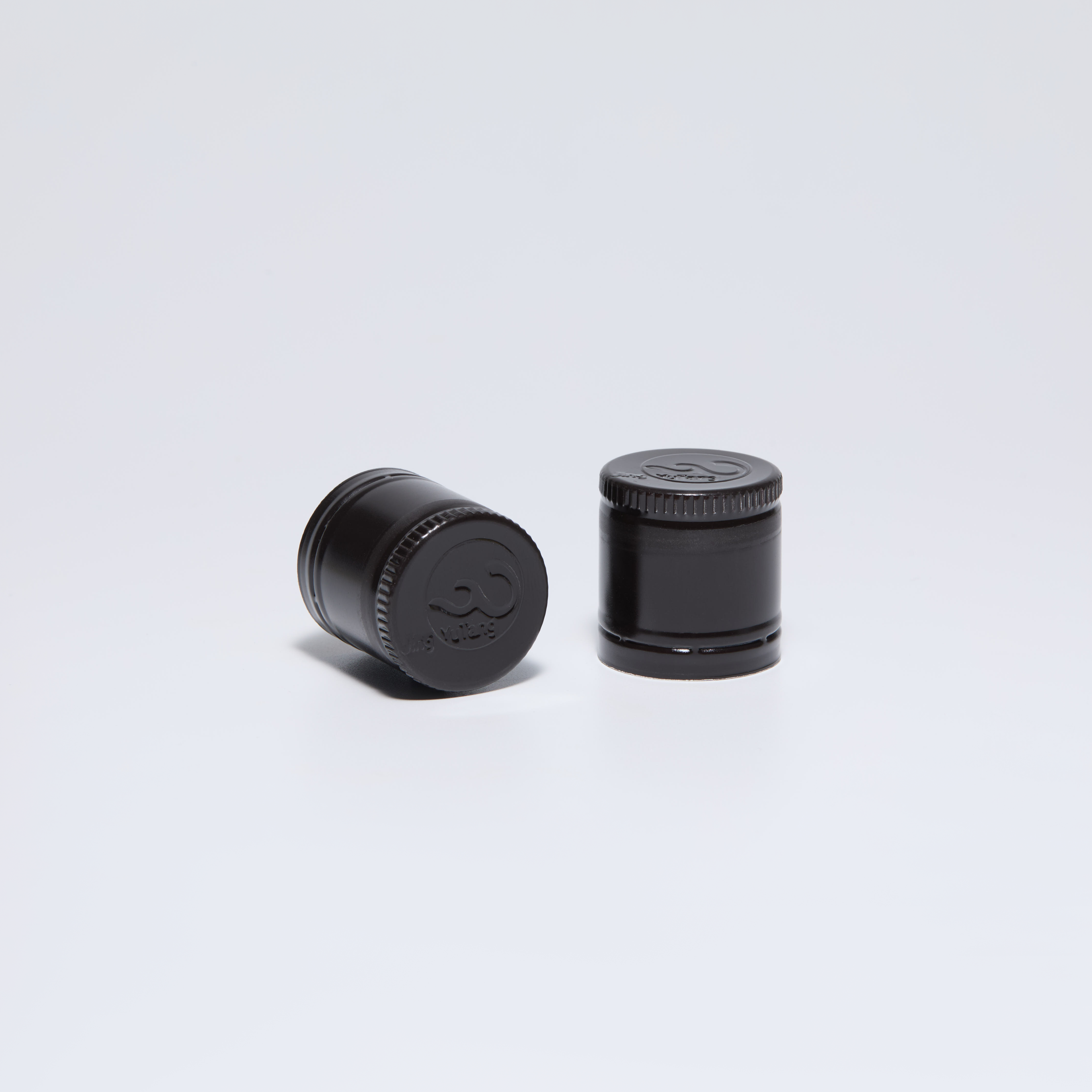
Oikean serumputken korkin valinta laboratoriosovelluksiin on ratkaiseva päätös, joka vaikuttaa suoraan näytteiden eheyyteen, säilytysluotettavuuteen ja kokeellisiin tuloksiin. Laboratoriotyöntekijöiden, jotka käsittelevät biologisia näytteitä, lääkkeitä ja diagnostisia materiaaleja, on ymmärrettävä tarkasti serumputken korkin rakenteen ja heidän sovellustensa erityisvaatimusten välinen suhde. Serumputken korkin valinta vaikuttaa ei ainoastaan näytteiden välittömään säilytykseen, vaan myös niiden pitkäaikaiseen vakauttaan, saastumisen estämiseen ja yhteensopivuuteen automatisoitujen laboratoriolaitteistojen kanssa.
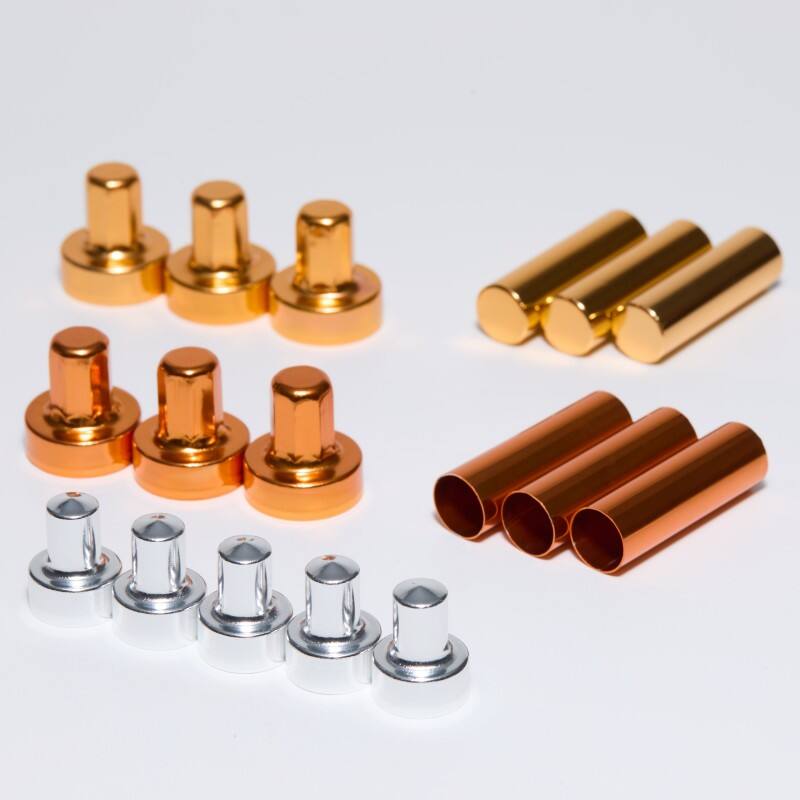
Modernien laboratoriotyöympäristöjen monimutkaisuus edellyttää, että seeruminäyteputkien korkkien valinnassa otetaan huomioon useita teknisiä tekijöitä, kuten materiaaliyhteensopivuus, tiivistysteho, kemiallinen kestävyys ja sääntelyvaatimusten noudattaminen. Jokainen laboratoriosovellus asettaa omia haasteita, jotka vaativat korkkien teknisten ominaisuuksien huolellista arviointia toiminnallisten vaatimusten mukaisesti. Näiden valintakriteerien ymmärtäminen mahdollistaa laboratorion johtajien ja tutkijoiden tehdä perusteltuja päätöksiä, jotka optimoivat sekä näytteiden suojelua että työnkulun tehokkuutta säilyttäen samalla korkeimman tason tieteellistä eheytta.
Ymmärtäminen Seraumin vialle korkki Materiaalin ominaisuudet
Kumiseoksen koostumus ja kemiallinen yhteensopivuus
Serumputkien korkkien kumiseoksen koostumus määrittää perustavanlaatuisesti niiden soveltuvuuden tiettyihin laboratoriosovelluksiin. Luonnonkumin yhdisteet tarjoavat erinomaisen kimmoisuuden ja tiivistysominaisuudet, mutta niillä saattaa olla yhteensopivuusongelmia tietyissä orgaanisissa liuottimissa ja lääkkeellisissä yhdisteissä. Synteettiset kumivaihtoehdot, kuten isobutyylikumi ja bromo-isobutyylikumi, tarjoavat paremman kemiallisen kestävyyden ja niitä suositaan sovelluksissa, joissa käytetään aggressiivisia kemikaaleja tai jotka vaativat pitkäaikaista säilytystä.
Butyylikumikumista valmistettujen serumputkien korkkivaihtoehdot osoittavat erinomaisia esteominaisuuksia kosteudelta ja kaasuilta, mikä tekee niistä ihanteellisia sovelluksia, joissa vaaditaan pitkiä säilytysaikoja tai jotka liittyvät herkkiin biologisiin näytteisiin. Butyylikumikumin alhainen kaasuläpäisykyky varmistaa, että haihtuvat yhdisteet pysyvät suljettuina ja että näytteitä ei kontaminoitu ilman kautta. Laboratorion ammattilaiset joutuvat arvioimaan näytteidensä ja korkkimateriaalin välisiä tiettyjä kemiallisia vuorovaikutuksia estääkseen hajoamisen tai kontaminaation aiheuttamat ongelmat.
Klooributyyli- ja bromibutyylikumiseokset tarjoavat parannettuja suoritusominaisuuksia vaativiin sovelluksiin. Nämä materiaalit tarjoavat parannettua pistoskestävyyttä, mikä on erityisen tärkeää sovelluksissa, joissa käytetään useita neulanläpäisyjä tai automatisoituja näytteenottojärjestelmiä. Eri kumiseosten valinta tulisi tehdä sen mukaan, kuinka usein näytteitä otetaan, kuinka kauan näytteitä säilytetään ja mitkä kemialliset yhteensopivuusvaatimukset tietyssä laboratoriosovelluksessa ovat.
Pintakäsittelyt ja pinnoitteet
Pintakäsittelyt ja pinnoitteet vaikuttavat merkittävästi seruminäytetölppien korkkien suorituskykyominaisuuksiin laboratoriotyössä. Fluoropolymeeripinnoitteet, kuten PTFE (polytetrafluoroetyyleeni), tarjoavat erinomaisen kemiallisen inertisuuden ja alhaiset irtoamistasot, mikä tekee niistä sopivia jäljitysanalyysien ja lääketeollisuuden testausten käyttöön. Nämä pinnoitteet muodostavat esteen näytteen ja kumialustan välille estäen mahdollisia vuorovaikutuksia, jotka voisivat vaarantaa näytteen eheytetä.
Silikonipohjaiset pinnoitteet tarjoavat vaihtoehtoisia etuja, kuten parannettua liukkuutta, joka edistää neulan tunkeutumista, sekä vähentävät hiukkasten muodostumista toistuvan käytön aikana. Pinnoitteen valinnassa on otettava huomioon käytetyt analyysimenetelmät, havaintoherkkyyden vaatimukset sekä mahdollinen häference vaikutus jälkikäsittelyyn. Joissakin sovelluksissa saattaa olla tarpeen käyttää pinnoittamattomia seruminäytetölppien korkkivaihtoehtoja poistaaaksen kaikki mahdollisuudet pinnoitteiden aiheuttamaan kontaminaatioon tai häiriöön.
Erikoiskäsittelyt, kuten silikonoituksella tai pesumenetelmillä suoritettavat käsittelyt, voivat lisäksi optimoida korkkien suorituskykyä tiettyihin käyttötarkoituksiin. Nämä käsittelyt vähentävät pinnanjännitystä, parantavat neulan tunkeutumisominaisuuksia ja vähentävät hiukkasastetta. Laboratorion ammattilaisiden tulee arvioida, täyttävätkö käsitteltyjä vai käsittelemättömiä seeruminäytetölppien korkkeja paremmin heidän käyttötarkoituksensa vaatimukset, samalla kun otetaan huomioon mahdolliset vaikutukset analyysituloksiin.
Tiivistyksen suorituskyvyn ja eheyden arviointi
Tiukennusvoima ja tiivistysmekanismi
Seeruminäytetölppien korkin mekaaninen tiivistyskyky riippuu korkkisuunnittelusta, tölkkiputken kaulan geometriasta ja tiukennusvoimasta. Tehokas tiivistys edellyttää riittävää kumitulpan puristumista tölkkiputken reunalle, jotta saavutetaan tehokas este saastumiselle ja näytteen menetykselle. Tiukennusvoiman on oltava riittävä säilyttääkseen tiivistyksen eheys erilaisissa säilytysolosuhteissa samalla kun neulan tunkeutuminen on mahdollista tarvittaessa.
Laboratoriosovellukset, joissa käytetään lämpötilan vaihtelua, paineen vaihtelua tai pitkiä säilytysjaksoja, asettavat lisävaatimuksia tiivistysteholle. seraumin vialle korkki tiivistyskansi on säilytettävä johdonmukaisena tiivistysvoimana kaikissa näissä olosuhteissa näytteiden hajoamisen tai saastumisen estämiseksi. Tekijät, kuten kumin kovuus (durometer), kannen paksuus ja puristussuhde, vaikuttavat pitkän ajan tiivistystehon luotettavuuteen.
Automaattiset laboratoriolaitteistot vaativat seeruminäyteliittimien kantta, joka tarjoaa johdonmukaisen tiivistystehon suurille näyteerille. Sulkeutumisvoiman tai tiivistystekniikan vaihtelut voivat johtaa näytteiden eheysongelmiin tai laitteiston vikaantumiseen. Valintakriteereihin kuuluu valmistustoleranssien, laadunvalvontastandardien ja eräkohtaisen yhdenmukaisuuden arviointi, jotta varmistetaan luotettava toiminta automaattisissa ympäristöissä.
Vuototestaus ja laadunvarmistus
Kattavat vuototestausprotokollat ovat välttämättömiä seeruminäytetölkkien korkkien suorituskyvyn varmistamiseksi laboratoriosovelluksissa. Standarditestimenetelmiin kuuluvat tyhjiöhäviötestaus, painetestaus ja väriaineen tunkeutumistutkimukset, joilla arvioidaan tiivistyksen eheyttä erilaisissa olosuhteissa. Nämä testausmenetelmät tuottavat kvantitatiivisia tietoja tiivistyksen suorituskyvystä ja auttavat määrittämään soveltuvat säilytys- ja käsittelyparametrit tiettyihin sovelluksiin.
Laadunvarmistusohjelmat seeruminäytetölkkien korkkivalinnassa tulisi sisältää sekä alustavan validointitestauksen että jatkuvan suorituskyvyn seurannan. Tiivistyksen eheytteen säännöllinen arviointi auttaa tunnistamaan mahdollisia ongelmia ennen kuin ne vaikuttavat näytteiden laatuun tai kokeellisiin tuloksiin. Laboratorion protokollissa tulisi määritellä hyväksyttävät vuotorateet, testausfrekvenssit ja epäonnistumisen kriteerit, jotta voidaan ylläpitää johdonmukaisia laatuvaatimuksia.
Ympäristöstressitestaus arvioi serumputkien korkkien suorituskykyä kiihdytetyn ikääntymisen olosuhteissa, lämpötilan äärimmäisyyksissä ja kemikaalien altistumistilanteissa. Tämä testaus antaa tietoa pitkän aikavälin luotettavuudesta ja auttaa määrittämään sopivan säilytysajan sekä säilytysohjeet. Valittujen korkkituotteiden suorituskyvyn ymmärtäminen mahdollistaa laboratorioiden säilytysolosuhteiden optimoinnin ja näytteiden eheytetyn säilymisen koko käyttöjakson ajan.
Säädösten noudattaminen ja sertifiointivaatimukset
Lääkkeiden ja lääketieteellisten laitteiden standardit
Säädösten noudattaminen on perustavaa laatua oleva näkökohta serumputkien korkkien valinnassa lääketeollisuuden ja lääketieteellisten sovellusten käytössä. Yhdysvaltain farmakopean (USP) standardit määrittelevät tiukat vaatimukset kumisulkuille, mukaan lukien erottuvien aineiden rajat, biologinen reaktiivisuustestaus ja fysikaaliset sekä kemialliset ominaisuudet. USP-luokan VI vaatimusten noudattaminen varmistaa, että serumputkien korkkimateriaalit täyttävät turvallisuusvaatimukset biologisten näytteiden ja lääkkeiden suoraa kosketusta varten.
Euroopan farmakopean (EP) standardit tarjoavat lisäsuunnan lääkkeiden sovelluksia varten Euroopan markkinoilla. Nämä standardit käsittelevät samankaltaisia turvallisuus- ja suorituskykyvaatimuksia, mutta ne sisältävät myös erityisiä testausprotokollia ja hyväksyntäkriteerejä. Laboratorioteknikoiden, jotka työskentelevät kansainvälisen näytteenvaihdon tai monialueellisten tutkimusten parissa, on varmistettava, että valitut seeruminäytepurkin kantimet täyttävät kaikki sovellettavat sääntelyvaatimukset.
Yhdysvaltain elintarvike- ja lääkehallinnon (FDA) määräykset lääkintälaitteista saattavat koskea seeruminäytepurkin kantimia, joita käytetään diagnostisissa sovelluksissa tai kliinisissä testeissä. Sääntelyluokituksen ja noudattamisvaatimusten ymmärtäminen auttaa laboratorioita välttämään mahdollisia ongelmia näytteiden hyväksynnässä, datan pätevyydessä tai sääntelyhyväksyntäprosesseissa. Sääntelyvaatimusten noudattamisen dokumentointi on säilytettävä osana laboratorion laatuajärjestelmiä.
Analyyttinen testaus ja validointi
Poimintatutkimukset ja liukenemistutkimukset tarjoavat kriittisiä tietoja seruminäytetölppien korkkien soveltuvuuden arvioimiseksi analyysisovelluksissa. Nämä tutkimukset tunnistavat mahdolliset yhdisteet, jotka voivat siirtyä korkkimateriaalista näytteisiin ja joita voi häiritä analyysituloksia tai vaarantaa näytteiden eheytettä. Poimintaprofiilien ymmärtäminen mahdollistaa laboratorioiden valita sopivat seruminäytetölppien korkit tiettyihin analyysimenetelmiin ja havaintovaatimuksiin.
Validointiprotokollat pitäisi käsitellä menetelmän herkkyyttä, havaittavuusrajoja ja mahdollisia korkkiliittyvien yhdisteiden aiheuttamia häiriöitä. Laaja-alainen validointi sisältää korkkien suorituskyvyn arviointia odotetulla säilytysolosuhteiden, näytetyyppien ja analyysimenetelmien alueella. Tämä lähestymistapa varmistaa, että valitut seruminäytetölppien korkit tukevat luotettavia analyysituloksia ilman, että niistä aiheutuisi haluttua vaihtelua tai vinoitumaa.
Analyysitodistuksen dokumentaatio tarjoaa olennaisia tietoja sarumipullojen korkkien laatuominaisuuksista, mukaan lukien mittojen määrittelyt, materiaaliominaisuudet ja testitulokset. Laboratorioiden on määritettävä vaatimukset toimittajien dokumentaatiolle ja säilytettävä asiakirjat, jotta voidaan varmistaa jäljitettävyys ja laaturakenteet. Analyysitodistusten säännöllinen tarkastelu auttaa tunnistamaan suuntauksia tai muutoksia, jotka voivat vaikuttaa suorituskykyyn.
Käyttötarkoituksen mukainen valintakriteeri
Säilytysaika ja ympäristöolosuhteet
Säilytysajan vaatimukset vaikuttavat merkittävästi sarumipullojen korkkien valintaan laboratoriosovelluksissa. Lyhyen aikavälin säilytykseen soveltuvat mahdollisesti standardimuotoiset kumiseokset, kun taas pitkän aikavälin säilytys tai arkistointinäytteet vaativat parannettuja esteominaisuuksia ja kemiallista stabiiliutta. Säilytysajan ja korkkien suorituskyvyn välisten suhteiden ymmärtäminen auttaa optimoimaan näytteiden eheytta koko suunnitellun säilytysajan ajan.
Säilytysolosuhteet vaikuttavat seeruminäyteputkien korkkien suorituskykyyn, ja niitä on otettava huomioon korkkien valinnassa. Lämpötilan äärimmäisyydet, kosteusvaihtelut ja valon altistus voivat vaikuttaa kumimateriaalien ominaisuuksiin ja tiivistystehokkuuteen. Erityisesti kryogeeniseen säilytykseen, korkeisiin lämpötiloihin tai muuhun vaativaan ympäristöön, joka ylittää normaalit käyttöparametrit, on saatavilla erikoismuotoiltuja korkkikoostumuksia.
Pakastus-sulatus-kierto aiheuttaa lisätaakkaa seeruminäyteputkien korkkimateriaaleille ja tiivistysliitoksille. Toimintoja, joissa esiintyy toistuvaa lämpötilan vaihtelua, varten tarvitaan korkkimateriaaleja, jotka säilyttävät joustavuutensa ja tiivistystehokkuutensa odotetulla lämpötila-alueella. Lämpötilakiertojen suorituskyvyn arviointi auttaa varmistamaan näytteiden eheyden niissä sovelluksissa, joissa käytetään pakastussäilytystä tai lämpötilapohjaisia näytteenvalmistusmenetelmiä.
Näytetilavuus ja pääsyn vaatimukset
Näytetilavuuden huomioon ottaminen vaikuttaa seeruminäyteputkien korkkien valintaan niiden vaikutuksen kautta päätilan hallintaan ja tiivistysalueen vaatimuksiin. Pieniä näytetilavuuksia varten saattaa vaadita korkkeja, joilla on parannettuja esteominaisuuksia haihtumishäviöiden minimoimiseksi, kun taas suuremmat tilavuudet saattavat edellyttää mekaanista lujuutta ja neulanläpäisyyn kestävyyttä useita kertoja tapahtuvaa näytteenottoa varten. Näytetilavuuden ja korkkien suorituskykyominaisuuksien välinen suhde tulisi olla linjassa sovellusvaatimusten kanssa.
Näytteenoton taajuus ja menetelmä vaikuttavat seeruminäyteputkien korkkien kestävyyteen ja suorituskykyvaatimuksiin. Yksinkertaisen käytön vaativissa sovelluksissa voidaan painottaa alussa saavutettavaa tiukkuutta, kun taas toistuvan näytteenoton vaativissa sovelluksissa tarvitaan korkkeja, jotka säilyttävät tiukkuutensa useiden neulan läpäisysten jälkeenkin. Näytteenoton taajuuden ja menetelmän ymmärtäminen auttaa optimoimaan seeruminäyteputkien korkkien valintaa tiettyihin työnkulkuvaatimuksiin.
Automaattiset näytteenottojärjestelmät asettavat erityisiä vaatimuksia seeruminäyteputkien korkkien suunnitteluun ja suorituskykyominaisuuksiin. Yhteensopivuus robottikäsittelyjärjestelmiin, johdonmukaiset läpäisyvoimat ja mahdollisimman vähäinen hiukkasten muodostuminen ovat ratkaisevia tekijöitä automaattisissa sovelluksissa. Valintakriteerit tulisi ottaa huomioon järjestelmän yhteensopivuusvaatimukset ja suorituskyvyn johdonmukaisuus suurilla näyteerillä, jotta varmistetaan luotettava automaattinen toiminta.
UKK
Mitkä ovat luonnonkumista ja synteettisestä kumista valmistettujen seeruminäyteputkien korkkien keskeiset erot?
Luonnollisen kumista valmistetut seerumpullojen kannukset tarjoavat erinomaisen kimmoisuuden ja kustannustehokkuuden, mutta niillä saattaa olla rajoitettu kemiallinen kestävyys ja korkeammat irtoavien aineiden pitoisuudet. Synteettiset kumivaihtoehdot, erityisesti butyylirubberi- ja bromobutyylirubberiseokset, tarjoavat paremman kemiallisen kestävyyden, alhaisemman kaasun läpäisykyvyn ja vähäisemmät irtoavien aineiden määrät, mikä tekee niistä suositelluin vaihtoehdon lääketeollisuudessa ja pitkäaikaisessa säilytyksessä käytettäviin sovelluksiin. Valinta riippuu kemiallisesta yhteensopivuudesta, säilytysajasta ja analyysien herkkyyden vaatimuksista.
Kuinka pinnoituskäsittelyt vaikuttavat seerumpullojen kannusten suorituskykyyn laboratoriosovelluksissa?
Pintakäsittelyt, kuten PTFE- tai silikoni-pinnoitteet, parantavat merkittävästi seerumipullojen kannen suorituskykyä tarjoamalla kemiallista inerttiä, vähentäen irtoavia aineita ja parantaen neulan tunkeutumisominaisuuksia. PTFE-pinnoitteet tarjoavat erinomaista kemiallista kestävyyttä ja ovat ideaalisia jäljitysanalyysien sovelluksiin, kun taas silikoni-pinnoitteet parantavat liukkuutta ja vähentävät hiukkasten muodostumista. Valinnan tulee vastata analyysivaatimuksia ja mahdollisia häiriötekijöitä.
Mitkä testimenetelmät tulisi käyttää seerumipullojen kannen tiukkuuden validointiin?
Tiukkuuden validointiin tulisi sisällyttää tyhjiöhäviötestaus, painetestaus ja väriaineen tunkeutumistutkimukset asianmukaisissa säilytysolosuhteissa. Lisätestaukseen voi kuulua vuodonopeuden mittaaminen, ympäristöstressitestaus ja kiihdytetty ikääntymistutkimus. Testiprotokollat tulisi suunnitella vastaamaan todellisia käyttöolosuhteita, mukaan lukien lämpötilavälit, säilytysaika ja pääsyvaatimukset, jotta suorituskyvyn validointi olisi luotettavaa.
Miten sääntelyvaatimukset vaikuttavat seerumpullojen korkkien valintaan lääketeollisuuden sovelluksissa?
Lääketeollisuuden sovelluksissa vaaditaan, että seerumpullojen korkit ovat yhteensopivia USP Class VI -standardin, Euroopan farmakopean vaatimusten tai muun markkintakohtaisesti sovellettavan lainsäädännön kanssa. Yhteensopivuus edellyttää testausta erottuvista aineista, biologisesta reaktiivisuudesta ja fysikaalis-kemiallisista ominaisuuksista. Sääntelyvaatimusten noudattamisen dokumentointi on välttämätöntä lääketeollisuuden sovelluksissa, ja sitä on tarkistettava toimittajan myöntämillä todistuksilla ja testaustiedoilla.
Sisällysluettelo
- Ymmärtäminen Seraumin vialle korkki Materiaalin ominaisuudet
- Tiivistyksen suorituskyvyn ja eheyden arviointi
- Säädösten noudattaminen ja sertifiointivaatimukset
- Käyttötarkoituksen mukainen valintakriteeri
-
UKK
- Mitkä ovat luonnonkumista ja synteettisestä kumista valmistettujen seeruminäyteputkien korkkien keskeiset erot?
- Kuinka pinnoituskäsittelyt vaikuttavat seerumpullojen kannusten suorituskykyyn laboratoriosovelluksissa?
- Mitkä testimenetelmät tulisi käyttää seerumipullojen kannen tiukkuuden validointiin?
- Miten sääntelyvaatimukset vaikuttavat seerumpullojen korkkien valintaan lääketeollisuuden sovelluksissa?