
 EN
EN
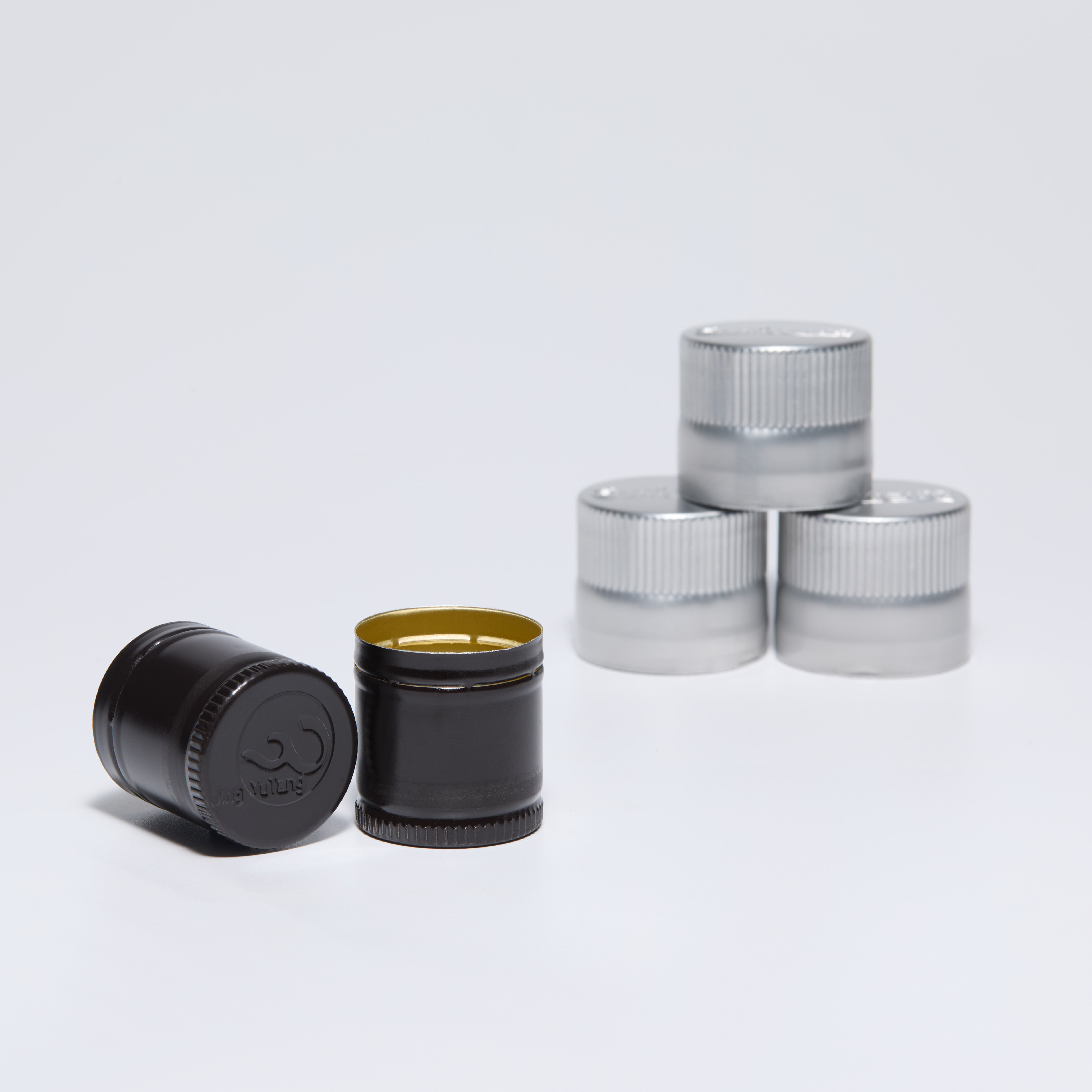
In the competitive landscape of premium product packaging, selecting the right closure solution plays a pivotal role in brand differentiation and consumer perception. Among the diverse range of closure options available, the tinplate cap has emerged as a preferred choice for manufacturers and brands seeking to elevate their packaging strategies. This preference stems from a combination of functional superiority, aesthetic appeal, sustainability credentials, and cost-effectiveness that few alternative materials can match comprehensively. Understanding why the tinplate cap commands such widespread adoption in premium packaging segments requires examining its unique material properties, performance advantages, and alignment with contemporary market demands.

The growing preference for tinplate caps in premium packaging reflects broader industry trends toward quality assurance, environmental responsibility, and enhanced consumer experience. Brands investing in premium positioning recognize that packaging components communicate value propositions before consumers even interact with the product itself. The tinplate cap serves as a tangible indicator of quality commitment, offering both protective functionality and visual sophistication that reinforces premium brand messaging. This dual capability makes it particularly valuable for sectors including pharmaceuticals, nutraceuticals, cosmetics, specialty foods, and artisanal beverages where packaging integrity directly influences purchase decisions and brand loyalty.
Material Excellence and Structural Advantages
Superior Barrier Protection Properties
The fundamental reason the tinplate cap excels in premium packaging applications lies in its exceptional barrier properties. Tinplate consists of cold-rolled steel coated with a thin layer of tin, creating a material that provides complete impermeability to light, oxygen, moisture, and contaminants. This comprehensive barrier protection is critical for products sensitive to environmental degradation, including vitamins, supplements, essential oils, and high-value food ingredients. Unlike plastic alternatives that may allow microscopic permeation over time, the tinplate cap delivers absolute protection that preserves product potency, freshness, and shelf stability throughout extended distribution cycles.
For pharmaceutical and nutraceutical manufacturers, this barrier performance translates directly into product efficacy maintenance and regulatory compliance. Many bioactive compounds degrade when exposed to ultraviolet light or oxidative conditions, compromising therapeutic value and potentially creating safety concerns. The tinplate cap eliminates these risks entirely, ensuring that products reach consumers with their intended potency intact. This reliability factor is particularly valuable for premium products where consumers pay premium prices with expectations of maximum effectiveness and quality consistency.
Mechanical Strength and Tamper Resistance
The inherent mechanical strength of the tinplate cap provides structural advantages that contribute significantly to its premium positioning. The material's rigidity ensures consistent dimensional stability during manufacturing, filling operations, and throughout the supply chain. This dimensional precision enables reliable threading performance, secure sealing, and predictable opening torque characteristics that enhance user experience. Premium brands value this consistency because it eliminates the variable performance issues sometimes associated with plastic closures that may deform under temperature fluctuations or handling stress.
Tamper-evidence capabilities represent another critical advantage driving tinplate cap adoption in premium packaging. The material readily accommodates various tamper-evident features including breakaway bands, pilfer-proof rings, and induction sealing compatibility. These security features provide consumers with visible confirmation that products have not been compromised prior to purchase, addressing growing concerns about product authenticity and safety. For premium brands, incorporating robust tamper-evidence through tinplate caps reinforces consumer trust and protects brand reputation against counterfeiting attempts that increasingly target high-value product categories.
Chemical Inertness and Product Compatibility
The chemical stability of tinplate caps ensures broad compatibility across diverse product formulations without risk of interaction or leaching. The tin coating provides a non-reactive surface that maintains its integrity when in contact with acidic, alkaline, or solvent-based products. This chemical inertness is particularly valuable for premium cosmetic formulations, essential oil products, and specialty food items where any closure material interaction could alter product characteristics, introduce off-flavors, or compromise safety profiles. Premium brands cannot afford formulation instability risks, making the tinplate cap a reliable choice that eliminates compatibility concerns.
Additionally, tinplate caps maintain their protective properties across wide temperature ranges, performing reliably in cold chain distribution, ambient storage, and elevated temperature conditions without degradation or performance compromise. This thermal stability extends product application possibilities and eliminates the need for specialized storage requirements that could increase supply chain complexity and costs. For exporters and brands with global distribution networks, this temperature tolerance provides operational flexibility while maintaining consistent product protection regardless of climatic conditions or transportation modes.
Aesthetic Appeal and Premium Brand Perception
Visual Sophistication and Shelf Presence
The aesthetic qualities of the tinplate cap contribute substantially to its popularity in premium packaging by delivering visual sophistication that immediately communicates quality positioning. The material's metallic appearance inherently suggests durability, value, and refinement, creating positive first impressions that influence purchase decisions at the critical point of sale. Unlike plastic alternatives that may appear utilitarian or value-oriented, tinplate caps convey premium positioning through their substantial feel, precise manufacturing quality, and elegant surface finish that catches light attractively on retail shelves.
Premium brands leverage these visual characteristics to create distinctive packaging identities that differentiate products in crowded market segments. The tinplate cap serves as a focal point in overall package design, often contrasting beautifully with glass bottles or jars to create sophisticated color combinations and material juxtapositions. This design flexibility allows brands to develop signature looks that become recognizable brand assets, building visual equity that supports long-term marketing strategies and customer recognition in competitive retail environments.
Customization Capabilities and Brand Expression
The exceptional printability and decoration potential of tinplate caps enables extensive customization that supports premium brand storytelling and differentiation strategies. Advanced decoration techniques including lithographic printing, embossing, debossing, and metallic finishes allow brands to create highly detailed graphics, intricate patterns, and textured surfaces that enhance tactile appeal. This customization capability is particularly valuable for premium brands seeking to communicate heritage, craftsmanship, or luxury positioning through packaging design elements that cannot be replicated as effectively on alternative closure materials.
Furthermore, tinplate cap surfaces accept various coating technologies that enable precise color matching, special effect finishes, and protective topcoats that enhance durability and visual impact. Premium brands can specify exact Pantone color matches, create vintage or antique appearances through specialized finishing, or apply holographic and iridescent effects that create memorable unboxing experiences. This level of customization control allows brand managers to execute packaging strategies with precision, ensuring that every tinplate cap reinforces brand identity and communicates intended value propositions effectively to target consumer segments.
Perceived Value and Consumer Psychology
Consumer psychology research consistently demonstrates that packaging materials significantly influence perceived product value and quality expectations. The tinplate cap benefits from positive material associations that consumers have developed through exposure to premium product categories traditionally using metal closures. These associations link metal packaging components with higher quality, longer history, and greater manufacturing investment, creating implicit value perceptions that justify premium pricing strategies and support brand positioning objectives.
The substantial weight and solid feel of the tinplate cap during opening and closing operations reinforces quality perceptions through tactile feedback. This sensory dimension of packaging interaction creates memorable brand experiences that extend beyond visual aesthetics into physical engagement. Premium consumers particularly value these sensory quality cues as they validate purchase decisions and provide ongoing satisfaction with each product use. This psychological dimension makes the tinplate cap especially effective for products consumed repeatedly over time, where positive closure interaction builds cumulative brand loyalty and repurchase intention.
Sustainability Credentials and Environmental Responsibility
Infinite Recyclability and Circular Economy Alignment
Environmental sustainability has become a critical selection criterion for premium packaging components, and the tinplate cap excels in this dimension through its infinite recyclability without quality degradation. Steel and tin can be recycled repeatedly through standard municipal recycling streams without losing material properties, making tinplate caps genuinely circular economy compliant. This recyclability advantage addresses growing consumer concerns about packaging waste and environmental impact, allowing premium brands to align with sustainability values without compromising packaging performance or aesthetic quality.
The established recycling infrastructure for metal packaging provides practical advantages that theoretical recyclability of other materials cannot match. Tinplate caps are readily separated through magnetic sorting in recycling facilities, ensuring high recovery rates and efficient processing into new steel products. This proven recycling pathway gives premium brands confidence in making environmental claims and provides consumers with actionable disposal guidance that supports responsible consumption patterns. For brands seeking third-party sustainability certifications or pursuing carbon neutrality goals, the tinplate cap contributes favorably to lifecycle assessments and environmental footprint calculations.
Resource Efficiency and Manufacturing Sustainability
Modern tinplate cap manufacturing has achieved remarkable resource efficiency through technological advancement and process optimization. Contemporary production methods minimize material waste through precise stamping and forming operations, while energy recovery systems capture and reuse thermal energy from coating and curing processes. These manufacturing efficiencies reduce the environmental footprint of tinplate cap production, making them competitive with or superior to alternative closure materials when assessed through comprehensive lifecycle analysis methodologies.
Additionally, the durability and long service life of tinplate caps reduce overall packaging consumption by enabling product protection throughout extended shelf life periods without replacement or additional protective packaging. This longevity factor is particularly relevant for premium products with naturally longer usage cycles or those designed for multiple openings over time. By eliminating premature product degradation and extending usable product life, the tinplate cap contributes to broader sustainability objectives by reducing product waste, which represents significantly greater environmental impact than packaging materials themselves in most product categories.
Corporate Responsibility and Consumer Expectations
Premium brands increasingly face stakeholder pressure to demonstrate environmental responsibility through transparent sustainability initiatives and measurable packaging improvements. Selecting tinplate caps represents a visible commitment to sustainable packaging that resonates with environmentally conscious consumers willing to pay premium prices for products aligned with their values. This alignment creates marketing opportunities and strengthens brand reputation among demographic segments that prioritize environmental considerations in purchase decisions, particularly younger consumers who will drive future premium market growth.
The tinplate cap also supports corporate sustainability reporting and goal achievement by providing quantifiable environmental benefits including recycled content utilization, end-of-life recyclability rates, and carbon footprint metrics. These measurable attributes enable brands to substantiate sustainability claims, meet retailer packaging requirements, and participate in industry sustainability initiatives that increasingly influence market access and competitive positioning. For premium brands building long-term market positions, the environmental credentials of tinplate caps provide strategic advantages that extend beyond immediate consumer preferences into broader stakeholder relationships and regulatory compliance considerations.
Economic Value and Operational Efficiency
Cost Performance and Total Ownership Economics
While initial unit costs of tinplate caps may appear higher than some plastic alternatives, comprehensive economic analysis reveals favorable total cost of ownership for premium packaging applications. The superior protective properties of tinplate caps reduce product loss due to degradation, contamination, or damage during distribution, generating savings that offset closure costs. For high-value products where product loss represents significant financial impact, this protective value becomes particularly important in overall packaging economics and supply chain risk management.
The durability and consistent performance of tinplate caps also reduce operational costs associated with closure application failures, consumer complaints, and product returns. Premium brands cannot afford the reputational damage and customer service costs associated with packaging failures, making reliability a critical economic factor beyond direct material costs. The tinplate cap delivers this reliability consistently across high-speed filling operations, diverse product formulations, and variable storage conditions, providing operational stability that supports efficient manufacturing and reduces quality control complexities.
Supply Chain Reliability and Manufacturing Integration
The established global supply base for tinplate caps provides premium brands with supply chain security and sourcing flexibility that supports business continuity and risk mitigation strategies. Multiple qualified manufacturers operate across geographic regions, enabling localized sourcing strategies that reduce transportation costs, carbon footprint, and supply chain vulnerability to regional disruptions. This supplier diversity contrasts with more specialized closure technologies where limited manufacturing capacity or proprietary technologies create supply concentration risks that can jeopardize production continuity.
Manufacturing integration advantages further enhance the economic value proposition of tinplate caps. The closures perform reliably on standard capping equipment with minimal adjustment requirements, reducing changeover time and equipment investment compared to specialized closure systems. This compatibility with existing infrastructure allows brands to upgrade packaging aesthetics and performance without major capital expenditure or production line reconfiguration. For companies managing multiple product lines or planning packaging evolution over time, this flexibility provides strategic advantages and protects manufacturing investments.
Brand Investment Return and Market Positioning
Premium packaging represents a strategic brand investment designed to generate returns through enhanced perceived value, price premium capability, and market differentiation. The tinplate cap contributes effectively to these objectives by delivering visible quality signals that justify premium pricing and attract target consumers seeking superior products. Market research consistently demonstrates that premium packaging enables higher price realization, with consumers willing to pay substantially more for products presenting quality cues through packaging materials, design sophistication, and attention to detail.
The longevity of tinplate cap appeal provides sustained return on packaging investment without requiring frequent redesign or material changes to maintain contemporary relevance. The timeless aesthetic qualities of metal closures transcend temporary design trends, allowing brands to build enduring visual identities that accumulate equity over extended periods. This design longevity contrasts with trend-dependent packaging approaches that require periodic reinvestment to maintain market relevance, making the tinplate cap particularly valuable for heritage brands and products positioned around tradition, craftsmanship, or enduring quality values.
FAQ
What makes tinplate caps suitable for pharmaceutical and nutraceutical packaging?
Tinplate caps are exceptionally suitable for pharmaceutical and nutraceutical packaging due to their complete barrier protection against light, oxygen, and moisture, which are primary degradation factors for bioactive compounds. The material's chemical inertness ensures no interaction with product formulations, while tamper-evident features and sealing reliability meet stringent regulatory requirements for product safety and integrity. Additionally, the caps maintain consistent performance across required shelf life periods, ensuring product potency preservation from manufacturing through consumer use.
How do tinplate caps contribute to sustainable packaging strategies?
Tinplate caps support sustainable packaging strategies through infinite recyclability without material quality degradation, allowing them to participate in genuine circular economy systems. The caps are easily separated and recovered through established municipal recycling infrastructure using magnetic sorting, achieving high recycling rates in practice rather than theoretical recyclability. Their durability extends product shelf life and reduces waste, while modern manufacturing processes incorporate energy efficiency and material optimization that minimize environmental footprint throughout the production lifecycle.
Can tinplate caps be customized to match specific brand aesthetics?
Yes, tinplate caps offer extensive customization capabilities including lithographic printing, embossing, debossing, precise color matching, and various decorative finishes that enable brands to create distinctive packaging identities. The material accepts detailed graphics reproduction, textured surfaces, and special effect coatings that enhance visual appeal and tactile experience. This customization flexibility allows brands to express unique positioning, communicate heritage or innovation, and create memorable packaging that differentiates products effectively in competitive premium market segments.
Are tinplate caps cost-effective for premium product packaging?
While tinplate caps may have higher initial unit costs than basic plastic alternatives, they deliver favorable total cost of ownership for premium packaging applications. Their superior protective properties reduce product loss and returns, while manufacturing reliability minimizes operational disruptions and quality issues. The caps enable premium pricing through enhanced perceived value and support brand positioning that generates market differentiation returns. When evaluated comprehensively including protective performance, brand contribution, and operational reliability, tinplate caps provide strong economic value for premium product applications.