
 EN
EN
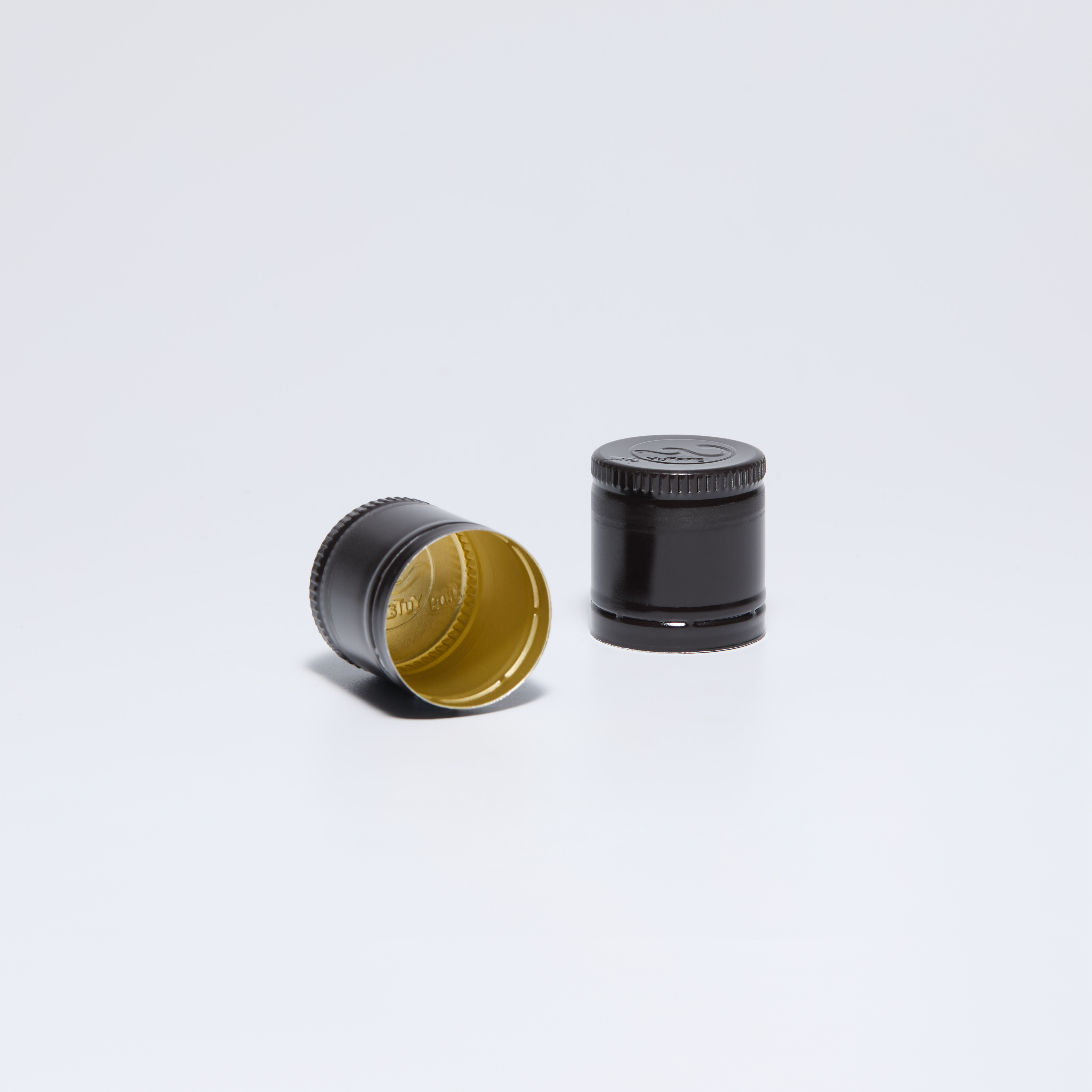
Manufacturing decisions often hinge on materials that deliver superior performance, cost-effectiveness, and brand positioning. When it comes to closure solutions for bottles and containers, manufacturers increasingly face a critical choice between plastic and metal options. The shift toward metal external thread caps represents more than just a material preference—it reflects strategic business considerations that impact product integrity, consumer perception, and long-term operational efficiency.
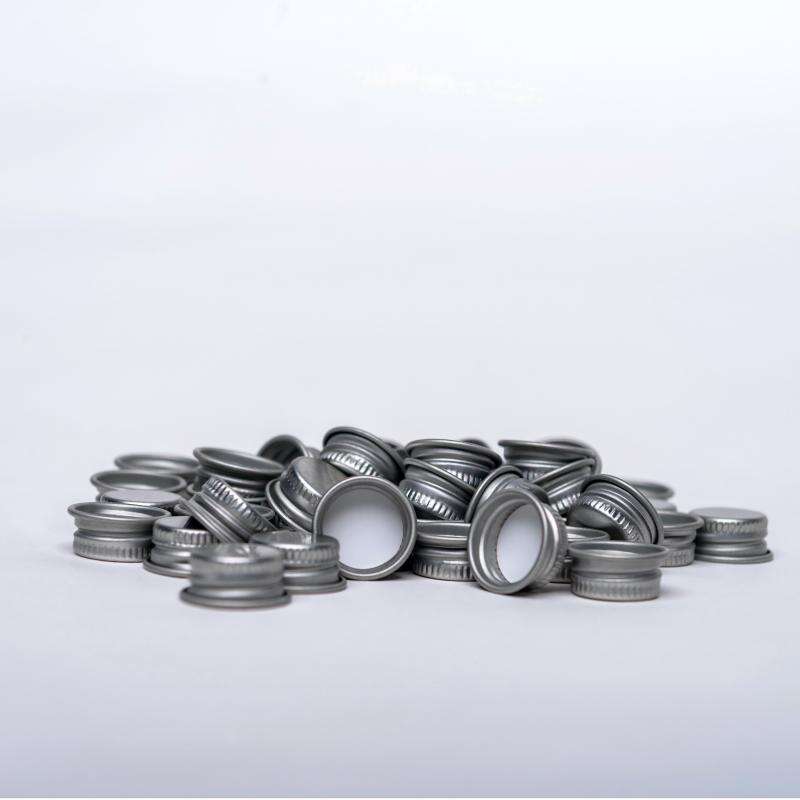
The growing preference for metal external thread caps stems from their superior barrier properties, enhanced durability, and premium aesthetic appeal that plastic alternatives struggle to match. These advantages translate into tangible business benefits including reduced product contamination, extended shelf life, improved brand perception, and decreased warranty claims. Understanding why manufacturers make this material choice reveals the complex interplay between technical performance requirements and market positioning strategies that drive modern packaging decisions.
Superior Barrier Protection and Product Integrity
Enhanced Oxygen and Moisture Resistance
Metal external thread caps provide exceptional barrier properties that far exceed plastic alternatives in preventing oxygen and moisture infiltration. The molecular structure of metals creates an impermeable seal that maintains product freshness and extends shelf life significantly. This barrier effectiveness proves particularly crucial for sensitive products like pharmaceuticals, cosmetics, and specialty chemicals where even minimal contamination can compromise product efficacy.
The oxygen transmission rate through metal caps measures virtually zero compared to plastic caps which allow measurable permeation over time. This difference becomes magnified during extended storage periods or challenging environmental conditions. Manufacturers dealing with oxygen-sensitive formulations find that metal external thread caps eliminate oxidation-related degradation that can occur with plastic closures.
Moisture protection represents another critical advantage where metal caps excel. The hygroscopic nature of many plastic materials means they can absorb atmospheric moisture and potentially transfer it to sensitive products. Metal caps maintain consistent moisture barrier performance regardless of humidity fluctuations, ensuring product stability throughout distribution and storage cycles.
Chemical Compatibility and Inertness
Chemical resistance stands as a fundamental reason why manufacturers choose metal external thread caps for aggressive or reactive formulations. Unlike plastic materials that may experience stress cracking, chemical degradation, or leaching when exposed to certain compounds, metals like aluminum and tinplate maintain their structural integrity and barrier properties across diverse chemical environments.
The inert nature of properly coated metal caps prevents unwanted chemical interactions that could alter product composition or introduce contaminants. This chemical stability proves essential for manufacturers of industrial chemicals, automotive fluids, and pharmaceutical preparations where product purity requirements are stringent. Plastic caps may exhibit compatibility issues with organic solvents, essential oils, or highly acidic formulations that pose no challenges for metal alternatives.
Temperature resistance further enhances the chemical compatibility advantage of metal external thread caps. While plastic caps may soften, deform, or release volatile compounds under elevated temperatures, metal caps maintain their sealing performance and chemical inertness across broader temperature ranges. This thermal stability allows manufacturers to implement hot-fill processes or distribute products to high-temperature environments without compromising closure integrity.
Enhanced Durability and Mechanical Performance
Superior Thread Engagement and Seal Retention
The mechanical properties of metal external thread caps deliver superior thread engagement that maintains consistent sealing performance over multiple open-close cycles. Metal threads resist wear and deformation better than plastic alternatives, ensuring that the cap maintains proper torque specifications and sealing pressure throughout the product lifecycle. This durability advantage translates into reduced customer complaints about loose caps or compromised seals.
Thread precision in metal caps remains stable over time, whereas plastic caps may experience thread stripping or dimensional changes due to stress relaxation. The ability of metal external thread caps to maintain precise thread geometry ensures consistent application torque and removal force, factors that directly impact user experience and product security. Manufacturing tolerances can be held tighter with metal materials, resulting in more predictable sealing performance.
Impact resistance represents another mechanical advantage where metal caps outperform plastic alternatives. During transportation and handling, containers frequently experience drops, impacts, and compression forces that can damage plastic closures. Metal external thread caps maintain their structural integrity under these conditions, protecting both the closure seal and the container contents from contamination or loss.
Resistance to Environmental Stress
Environmental stress resistance explains why manufacturers increasingly specify metal external thread caps for challenging application conditions. UV exposure, which can degrade and weaken plastic materials over time, has minimal effect on metal caps that maintain their properties and appearance throughout extended outdoor storage or display periods. This UV stability proves particularly valuable for products with long shelf lives or those stored in warehouse environments with skylights.
Temperature cycling creates stress conditions that can cause plastic caps to become brittle or lose their elastic properties. Metal external thread caps demonstrate superior performance under thermal stress, maintaining consistent sealing force and dimensional stability across temperature variations. This thermal stability advantage becomes critical for products shipped through diverse climate zones or stored in uncontrolled temperature environments.
Compression resistance allows metal caps to withstand the stacking forces encountered in distribution without permanent deformation. Plastic caps may crush or deform under load, compromising their sealing ability and potentially allowing contamination. The structural strength of metal external thread caps ensures reliable performance even under significant compression loads typical in pallet stacking and bulk storage applications.
Premium Brand Positioning and Consumer Perception
Enhanced Visual Appeal and Shelf Presence
The aesthetic advantages of metal external thread caps create significant brand positioning opportunities that plastic alternatives cannot match. The metallic finish conveys premium quality and sophistication that resonates with consumers across diverse market segments. This visual impact becomes particularly pronounced in competitive retail environments where product differentiation depends heavily on packaging appeal and perceived value.
Surface finish options for metal caps include polished, brushed, embossed, and printed variations that allow extensive customization to match brand identity requirements. The light-reflecting properties of metal surfaces create dynamic visual effects under retail lighting that enhance shelf presence and consumer attraction. These aesthetic capabilities enable manufacturers to justify premium pricing strategies while building stronger brand recognition through distinctive packaging elements.
Color consistency and fade resistance represent additional visual advantages of metal external thread caps. While plastic caps may experience color shifts due to UV exposure or chemical interactions, metal caps with appropriate coatings maintain their appearance throughout product life. This consistency ensures that brand colors remain true and recognizable, supporting brand integrity and consumer confidence in product quality.
Perceived Quality and Value Enhancement
Consumer psychology research consistently demonstrates that metal packaging components enhance perceived product quality and value compared to plastic alternatives. The weight, feel, and sound characteristics of metal external thread caps create sensory cues that suggest premium content and careful manufacturing. This perception effect can justify higher product pricing and build consumer loyalty through enhanced satisfaction with the unpackaging experience.
The tactile experience of metal caps provides positive user feedback that plastic caps struggle to match. The substantial feel, precise threading action, and distinctive closure sound create quality impressions that extend to consumer perceptions of the product contents. Manufacturers leverage these psychological advantages to position their products in premium market segments where packaging quality signals product excellence.
Sustainability messaging benefits from metal cap selection due to the recyclability and environmental friendliness of metal materials. Consumers increasingly value packaging choices that support environmental responsibility, and metal external thread caps can be promoted as part of sustainable packaging strategies. This environmental positioning advantage becomes particularly valuable in markets where eco-conscious consumers drive purchasing decisions.
Economic and Operational Advantages
Long-term Cost Effectiveness
Despite higher initial material costs, metal external thread caps often deliver superior long-term economic value through reduced failure rates, fewer customer complaints, and extended product shelf life. The reliability of metal caps reduces warranty claims and product returns that can significantly impact overall profitability. Manufacturers find that the prevention of just a few contamination incidents often justifies the incremental cost of metal over plastic alternatives.
Inventory management benefits emerge from the extended shelf life enabled by metal external thread caps. Products with superior barrier protection can be manufactured in larger batches, stored for longer periods, and distributed across wider geographic areas without quality degradation. These operational efficiencies reduce manufacturing setup costs, storage requirements, and obsolescence risks associated with shorter shelf-life products using plastic closures.
Quality assurance costs decrease when metal external thread caps eliminate common failure modes associated with plastic alternatives. Reduced testing requirements, fewer quality holds, and decreased inspection intensity contribute to operational cost savings that offset higher material expenses. The predictable performance of metal caps allows manufacturers to optimize quality control processes and reduce quality-related overhead costs.
Supply Chain and Manufacturing Efficiency
Manufacturing process compatibility represents a significant advantage of metal external thread caps in high-speed production environments. The dimensional stability and consistent properties of metal caps enable reliable automated application with minimal adjustment requirements. Unlike plastic caps that may vary in dimension due to molding conditions or material batch variations, metal caps provide consistent performance that reduces line downtime and adjustment labor.
Supply chain resilience benefits from the established metal processing infrastructure and multiple supplier options available for metal external thread caps. The mature supply base reduces dependency risks and provides flexibility in sourcing strategies. Plastic cap production often involves more specialized tooling and fewer qualified suppliers, creating potential bottlenecks in supply continuity.
Storage and handling advantages emerge from the stackability and durability of metal caps during warehouse operations. Metal external thread caps resist damage during handling and can be stored in higher stacks without crushing, optimizing warehouse space utilization. The elimination of handling damage reduces waste costs and ensures consistent cap quality at the production line, improving overall operational efficiency.
FAQ
Are metal external thread caps more expensive than plastic alternatives?
Metal external thread caps typically have higher initial material costs than plastic alternatives, but they often provide superior long-term value through reduced failure rates, extended product shelf life, and premium brand positioning opportunities. The total cost of ownership frequently favors metal caps when considering warranty claims, customer satisfaction, and market positioning benefits.
Do metal external thread caps work with all types of bottle necks?
Metal external thread caps are designed to work with standard bottle neck configurations and thread specifications. Compatibility depends on matching the cap thread pattern, diameter, and sealing surface geometry to the specific bottle design. Most metal cap manufacturers offer extensive size ranges and can provide custom solutions for unique bottle neck requirements.
How do metal external thread caps compare in terms of recyclability?
Metal external thread caps offer excellent recyclability advantages compared to many plastic alternatives. Aluminum and tinplate caps can be recycled indefinitely without quality degradation, making them environmentally sustainable choices. The separation and recycling infrastructure for metal caps is well-established, supporting circular economy principles and sustainability goals.
Can metal external thread caps be used with automated filling equipment?
Metal external thread caps are highly compatible with automated filling and capping equipment due to their consistent dimensions and predictable handling characteristics. The dimensional stability of metal caps reduces machine adjustments and improves line efficiency compared to plastic caps that may vary in size due to molding conditions. Most capping equipment can be easily configured to handle metal caps with minimal modification requirements.