
 EN
EN
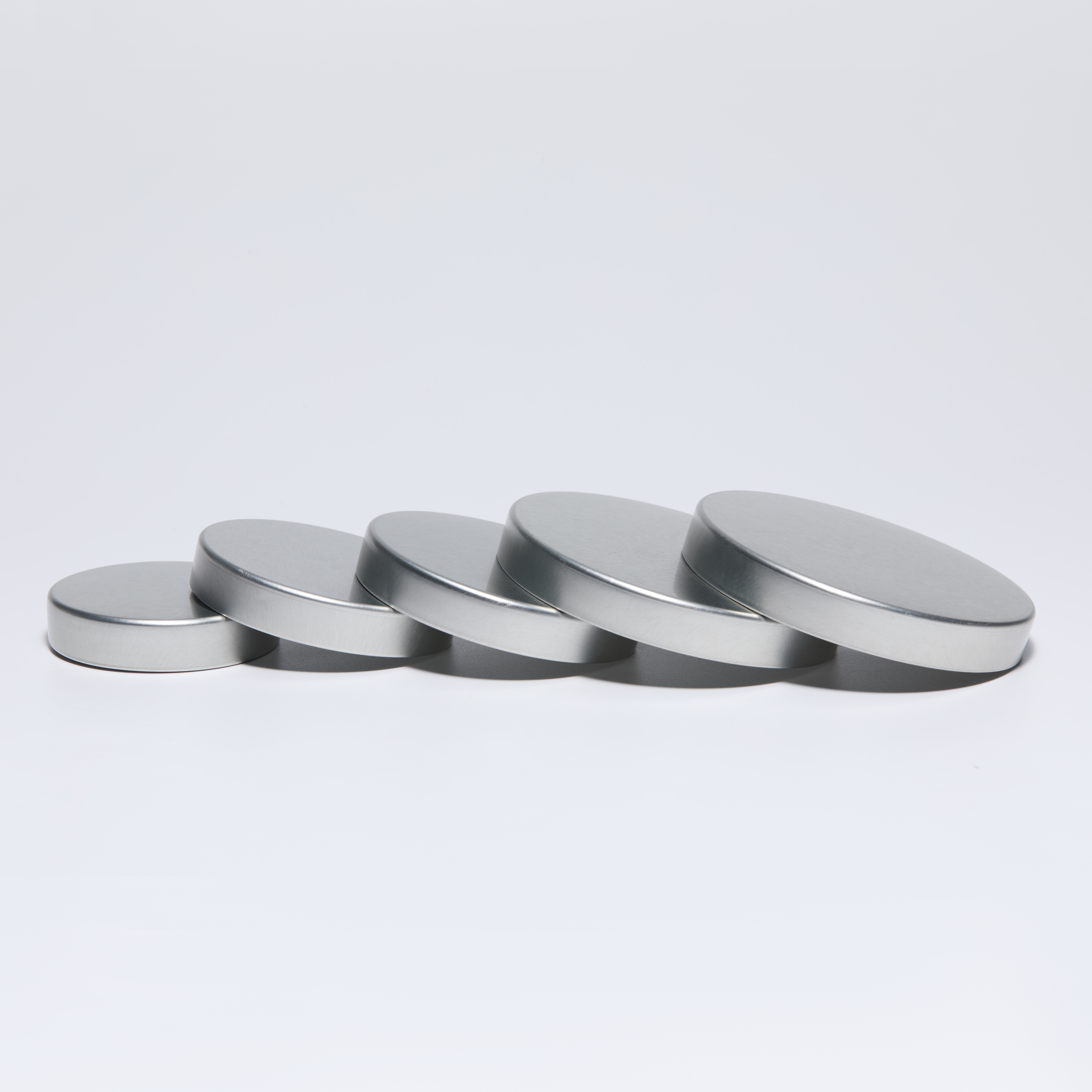
A cap liner is a specialized sealing component placed inside bottle caps and closures to create an airtight and tamper-evident seal between the container and its contents. In industrial packaging applications, cap liners serve as the critical barrier that prevents contamination, maintains product integrity, and ensures regulatory compliance across diverse sectors including pharmaceuticals, chemicals, food processing, and cosmetics manufacturing.
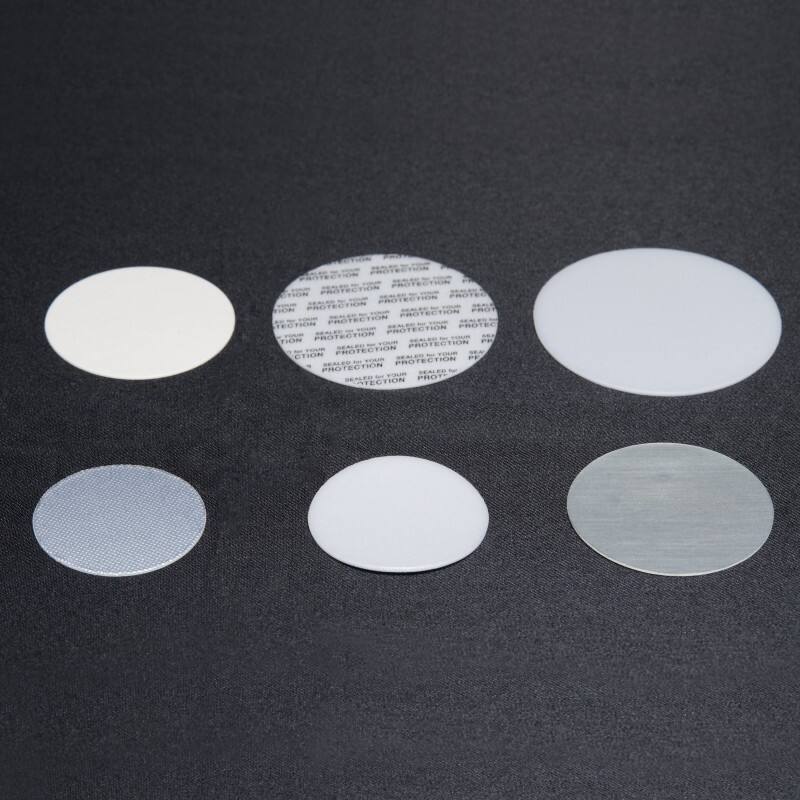
The essential nature of cap liner technology becomes evident when considering the complex demands of modern industrial packaging operations. These small yet sophisticated components must withstand temperature variations, chemical exposure, mechanical stress, and storage conditions while maintaining their sealing properties throughout the product lifecycle. Understanding cap liner functionality and selection criteria is fundamental for packaging engineers, quality control managers, and procurement specialists responsible for maintaining product safety standards in industrial environments.
Understanding Cap Liner Construction and Materials
Core Material Technologies in Cap Liner Manufacturing
Cap liner construction utilizes advanced polymer and composite materials engineered to provide specific performance characteristics based on application requirements. The most common cap liner materials include expanded polyethylene foam, which offers excellent conformability and chemical resistance, making it suitable for a wide range of industrial applications. Pulp and vinyl compositions provide cost-effective sealing solutions for less demanding environments while maintaining adequate moisture barrier properties.
Specialized cap liner formulations incorporate induction sealing technologies that create hermetic seals through electromagnetic heating processes. These advanced systems utilize aluminum foil laminates with heat-activated adhesive layers, enabling tamper-evident packaging solutions that meet stringent regulatory requirements. The selection of appropriate cap liner materials depends on factors including container compatibility, product chemistry, storage conditions, and regulatory compliance standards specific to each industrial application.
Structural Design Elements and Performance Features
The structural design of cap liner systems incorporates multiple performance layers that work together to achieve optimal sealing effectiveness. The facing material provides direct contact with the container rim, requiring smooth surface finish and dimensional stability to ensure consistent seal formation. Backing materials offer structural support and prevent liner deformation during closure application and removal processes.
Advanced cap liner designs feature graduated compression zones that distribute sealing pressure evenly across the container opening. This engineering approach minimizes stress concentration points while maximizing contact area between the liner and container surface. The resulting seal integrity improvements translate into enhanced product protection, reduced contamination risk, and improved shelf life performance in demanding industrial packaging applications.
Critical Functions of Cap Liners in Industrial Applications
Contamination Prevention and Product Integrity
The primary function of cap liner technology centers on creating impermeable barriers that prevent external contaminants from compromising packaged products. In pharmaceutical manufacturing, cap liner systems must block moisture, oxygen, bacteria, and particulate matter while maintaining sterile conditions throughout distribution and storage cycles. Chemical processing applications require cap liner materials that resist solvent penetration, corrosive vapors, and reactive compounds that could degrade product quality or create safety hazards.
Food and beverage processing operations depend on cap liner effectiveness to prevent spoilage, maintain nutritional content, and preserve flavor profiles during extended storage periods. The barrier properties of properly selected cap liner materials directly impact product shelf life, reducing waste and ensuring consistent quality delivery to end users. These contamination prevention capabilities become increasingly critical as supply chains extend globally and storage conditions vary significantly across distribution networks.
Regulatory Compliance and Safety Standards
Industrial packaging operations must adhere to comprehensive regulatory frameworks that mandate specific cap liner performance standards for different product categories. Pharmaceutical applications require cap liner materials that comply with FDA regulations for drug packaging, including extractables and leachables testing, biocompatibility verification, and stability studies under accelerated aging conditions. Chemical packaging regulations specify cap liner resistance requirements for hazardous materials transport and storage applications.
Food contact applications demand cap liner materials that meet FDA food additive regulations and EU plastic regulations for packaging materials. These compliance requirements drive material selection decisions and quality control protocols throughout the manufacturing process. Documentation requirements for cap liner traceability and batch control become essential elements of regulatory compliance programs, enabling rapid response to quality issues and regulatory inquiries.
Cap Liner Selection Criteria for Industrial Packaging
Chemical Compatibility and Resistance Properties
Selecting appropriate cap liner materials requires comprehensive analysis of chemical compatibility between liner components and packaged products. Aggressive chemicals, solvents, and reactive compounds can cause liner degradation, leading to seal failure, contamination, or product loss. Chemical resistance testing protocols evaluate liner performance under accelerated exposure conditions, providing data for material selection decisions in challenging applications.
Temperature resistance characteristics of cap liner materials determine their suitability for high-temperature processing, sterilization procedures, and extreme storage conditions. Some industrial applications require cap liner systems that maintain sealing effectiveness across temperature ranges exceeding 200 degrees Fahrenheit while preserving dimensional stability and chemical resistance properties. Understanding these thermal performance limits prevents seal failure and ensures consistent packaging performance throughout the product lifecycle.
Mechanical Performance and Durability Requirements
Industrial packaging operations subject cap liner systems to mechanical stresses including compression loading, vibration exposure, and pressure variations during transport and storage. Cap liner materials must demonstrate sufficient compressive strength to maintain seal integrity while providing adequate recovery properties that prevent permanent deformation. These mechanical performance characteristics directly impact sealing effectiveness and package reliability in demanding operational environments.
Durability testing protocols evaluate cap liner performance under simulated transportation conditions, including drop testing, vibration exposure, and compression cycling. These assessments identify potential failure modes and establish performance limits for specific cap liner configurations. The resulting data guides material selection decisions and quality control specifications that ensure consistent packaging performance across diverse industrial applications.
Implementation Best Practices for Cap Liner Systems
Application Techniques and Quality Control
Proper cap liner installation requires precise application techniques that ensure complete contact between the liner and container sealing surface. Automated application equipment must maintain consistent placement accuracy, compression force, and alignment tolerances to achieve optimal seal formation. Quality control procedures verify liner positioning, adhesion strength, and seal integrity through systematic inspection protocols and performance testing methods.
Environmental conditions during cap liner application significantly impact sealing effectiveness and long-term performance. Temperature control, humidity management, and contamination prevention measures create optimal conditions for seal formation and curing processes. These application best practices minimize variability and ensure consistent packaging performance across production batches and manufacturing facilities.
Performance Monitoring and Validation Procedures
Comprehensive performance monitoring programs evaluate cap liner effectiveness through systematic testing protocols that assess seal integrity, barrier properties, and durability characteristics. Leak testing procedures utilize pressure decay methods, vacuum testing, and dye penetration techniques to verify seal quality and identify potential failure modes. These validation procedures establish baseline performance data and enable early detection of quality issues before they impact product integrity.
Statistical process control methods track cap liner performance trends and identify optimization opportunities in packaging operations. Data collection systems monitor key performance indicators including seal strength, application consistency, and defect rates across production runs. This systematic approach to performance validation ensures consistent cap liner effectiveness while supporting continuous improvement initiatives in industrial packaging operations.
FAQ
What materials are commonly used in cap liner manufacturing?
Cap liner materials include expanded polyethylene foam for general applications, pulp and vinyl composites for cost-effective solutions, and aluminum foil laminates with heat-activated adhesives for induction sealing applications. Specialized formulations incorporate barrier films, chemical-resistant polymers, and temperature-stable materials designed for specific industrial requirements including pharmaceutical, chemical, and food processing applications.
How do cap liners contribute to product shelf life extension?
Cap liners extend product shelf life by creating impermeable barriers that prevent oxygen ingress, moisture transfer, and contamination entry into packaged products. These protective functions maintain product stability, preserve active ingredients, and prevent degradation reactions that reduce quality and effectiveness. Properly selected cap liner systems can significantly extend storage periods while maintaining regulatory compliance and product safety standards.
What testing methods verify cap liner sealing effectiveness?
Cap liner sealing effectiveness is verified through pressure decay testing, vacuum leak detection, dye penetration methods, and accelerated aging studies under controlled temperature and humidity conditions. Chemical resistance testing evaluates liner performance when exposed to product contents, while mechanical testing assesses durability under transportation and storage stresses. These comprehensive testing protocols ensure cap liner systems meet performance requirements for specific industrial applications.
How should cap liners be stored before installation?
Cap liner storage requires controlled temperature and humidity conditions to prevent material degradation and maintain sealing properties. Storage areas should be clean, dry, and protected from direct sunlight, extreme temperatures, and chemical exposure. Proper inventory rotation using first-in-first-out protocols prevents aging-related performance degradation, while appropriate packaging prevents contamination and physical damage during storage periods.