
 EN
EN
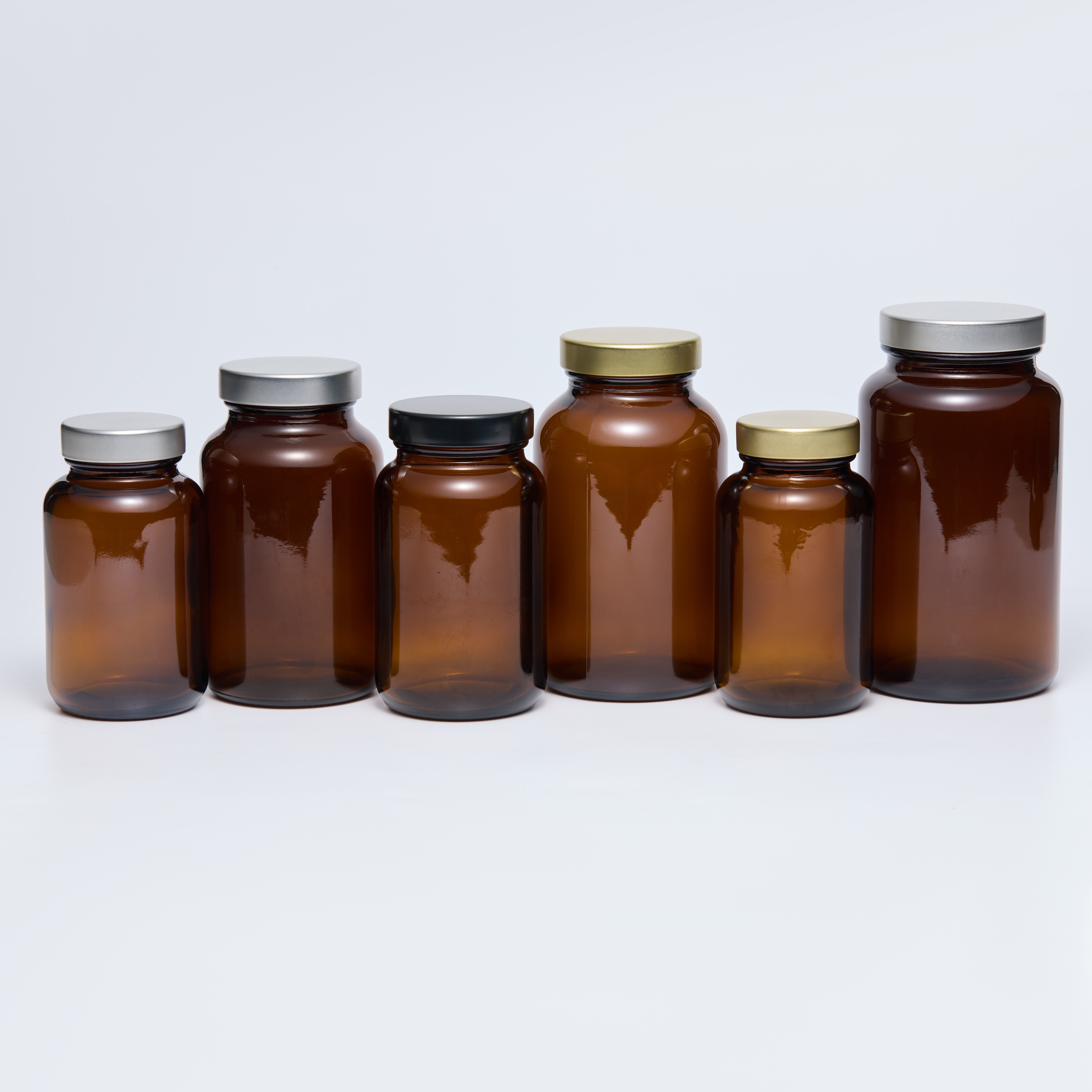
The packaging industry continues to evolve at an unprecedented pace, with cap liner technology standing at the forefront of innovation. Modern manufacturing processes have revolutionized how we approach sealing solutions, creating products that deliver superior performance across diverse applications. Today's cap liner innovations address critical challenges including product preservation, sustainability concerns, and cost-effectiveness while maintaining the highest quality standards that industries demand.
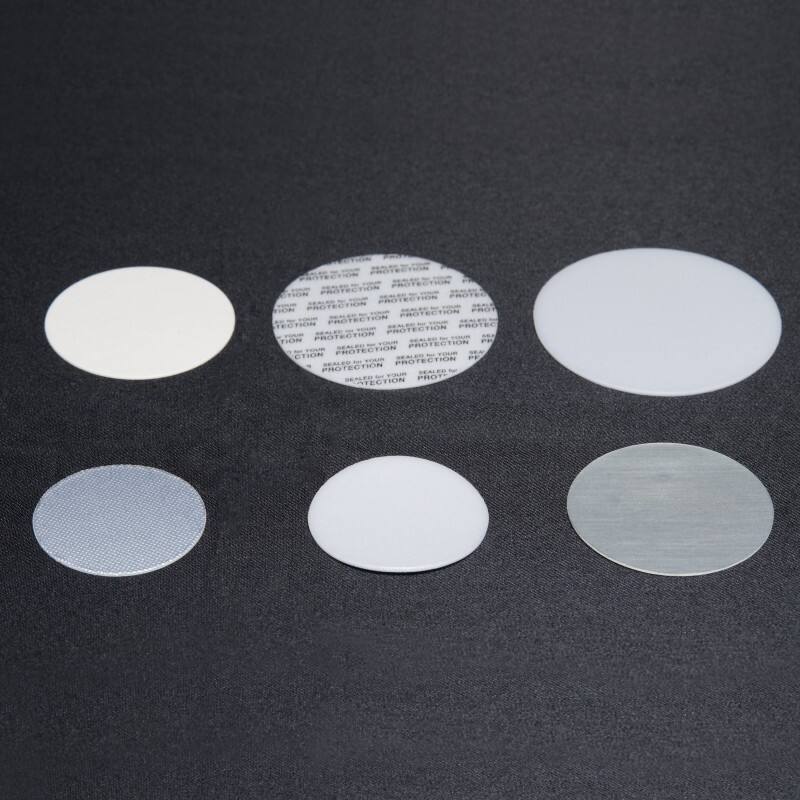
Advanced Material Technologies in Modern Cap Liner Production
Revolutionary Polymer Compositions
The development of next-generation polymer formulations has transformed cap liner manufacturing capabilities. These advanced materials incorporate specialized additives that enhance barrier properties, chemical resistance, and mechanical strength. Modern cap liner formulations utilize multi-layer constructions that combine different polymer types to achieve optimal performance characteristics. Engineers have successfully integrated nano-materials into traditional polymer matrices, creating liners with unprecedented sealing efficiency and durability.
Thermoplastic elastomers represent another breakthrough in cap liner technology, offering superior flexibility and resilience compared to conventional materials. These innovations enable manufacturers to produce liners that maintain their sealing properties across extreme temperature ranges and varying atmospheric conditions. The incorporation of smart polymers that respond to environmental changes has opened new possibilities for active packaging solutions, where the cap liner actively contributes to product preservation.
Sustainable Material Innovations
Environmental consciousness has driven significant innovations in sustainable cap liner materials. Bio-based polymers derived from renewable resources are increasingly replacing traditional petroleum-based materials without compromising performance. These eco-friendly alternatives maintain excellent barrier properties while offering end-of-life biodegradability or enhanced recyclability. Manufacturers are also developing cap liner solutions using post-consumer recycled content, creating circular economy opportunities within the packaging industry.
Water-based coating technologies have emerged as viable alternatives to solvent-based systems, reducing volatile organic compound emissions during manufacturing. These sustainable coating solutions provide excellent adhesion and barrier properties while supporting environmental compliance requirements. The development of compostable cap liner materials represents the cutting edge of sustainable packaging innovation, offering complete biodegradability in industrial composting facilities.
Manufacturing Process Innovations and Automation
Precision Molding Technologies
Advanced injection molding techniques have revolutionized cap liner production, enabling manufacturers to achieve unprecedented precision and consistency. Multi-shot molding processes allow for the creation of complex cap liner designs with multiple material layers in a single manufacturing operation. These sophisticated techniques reduce production time while enhancing product quality and dimensional accuracy. Computer-controlled molding systems integrate real-time monitoring and adjustment capabilities, ensuring each cap liner meets exact specifications.
Micro-molding technologies enable the production of extremely small cap liner components with intricate details and tight tolerances. These capabilities are particularly valuable for specialty applications in pharmaceuticals, cosmetics, and precision instruments. The integration of hot runner systems and advanced temperature control has improved material utilization and reduced waste, making the manufacturing process more efficient and cost-effective.
Quality Control and Testing Innovations
Modern quality control systems employ sophisticated testing methodologies to ensure every cap liner meets performance standards. Automated inspection systems use high-resolution imaging and artificial intelligence to detect defects that might be invisible to human inspectors. These systems can identify dimensional variations, surface imperfections, and material inconsistencies with remarkable precision. Real-time quality monitoring allows manufacturers to make immediate adjustments, preventing defective products from entering the supply chain.
Advanced leak testing technologies provide comprehensive validation of sealing performance under various conditions. Pressure decay testing, vacuum testing, and helium leak detection methods ensure that each cap liner delivers reliable sealing performance throughout its intended service life. Accelerated aging tests simulate long-term storage conditions, validating product stability and performance over extended periods.
Specialized Applications and Industry-Specific Innovations
Pharmaceutical and Healthcare Applications
The pharmaceutical industry demands exceptional purity and reliability from cap liner solutions. Innovations in this sector focus on materials that provide complete chemical inertness and prevent contamination. Advanced cap liner designs incorporate tamper-evident features and child-resistant mechanisms while maintaining ease of use for intended consumers. Specialized barrier materials protect sensitive medications from moisture, oxygen, and light exposure, ensuring product efficacy throughout shelf life.
Sterile manufacturing processes have been developed specifically for pharmaceutical cap liner production, incorporating cleanroom environments and validated sterilization procedures. These processes ensure that cap liner products meet the stringent requirements of pharmaceutical packaging applications. Temperature-sensitive medications require cap liner solutions that maintain integrity across cold chain distribution, driving innovations in low-temperature performance materials.
Food and Beverage Industry Innovations
Food safety regulations continue to drive innovation in cap liner technology for the food and beverage industry. Advanced barrier materials prevent flavor transfer and maintain product freshness while ensuring complete safety for consumer contact. Innovations in this sector include antimicrobial cap liner surfaces that actively inhibit bacterial growth and specialized materials designed for acidic or alkaline products. These developments ensure that cap liner solutions contribute to extended shelf life and enhanced product quality.
The growing demand for convenience packaging has led to innovations in easy-open cap liner designs that maintain sealing integrity while providing effortless removal. Resealable cap liner technologies allow consumers to maintain product freshness after initial opening, extending usability and reducing waste. These innovations balance convenience with performance, meeting evolving consumer expectations while maintaining essential barrier properties.
Digital Integration and Smart Manufacturing
Industry 4.0 Implementation
The integration of digital technologies has transformed cap liner manufacturing operations, enabling real-time monitoring and predictive maintenance capabilities. Internet of Things sensors throughout production lines collect comprehensive data on manufacturing parameters, quality metrics, and equipment performance. This data enables manufacturers to optimize processes, reduce waste, and improve overall efficiency while maintaining consistent product quality.
Artificial intelligence algorithms analyze production data to identify patterns and predict potential issues before they impact product quality. Machine learning systems continuously improve manufacturing processes by identifying optimal parameter combinations and suggesting process improvements. Digital twin technology creates virtual replicas of manufacturing systems, allowing engineers to test modifications and optimizations without disrupting actual production.
Supply Chain Integration and Traceability
Advanced tracking systems provide complete traceability throughout the cap liner supply chain, from raw material sourcing to final product delivery. Blockchain technology ensures data integrity and enables secure sharing of quality information among supply chain partners. These systems enhance transparency and accountability while supporting regulatory compliance requirements across different industries and geographic regions.
Integrated planning systems optimize inventory management and production scheduling, reducing lead times and improving customer service levels. Real-time demand forecasting helps manufacturers align production capacity with market requirements, minimizing waste and ensuring product availability. These digital innovations create more responsive and efficient supply chain operations that benefit both manufacturers and customers.
Future Trends and Emerging Technologies
Nanotechnology Applications
Nanotechnology continues to open new possibilities for cap liner innovation, with nanoparticle additives providing enhanced barrier properties and functional capabilities. Nanocomposite materials offer superior mechanical properties while maintaining lightweight characteristics essential for packaging applications. These advanced materials enable the development of thinner cap liner designs that maintain or exceed the performance of traditional thicker alternatives.
Smart nanoparticles that respond to environmental conditions create opportunities for active packaging solutions. These materials can indicate product freshness, detect contamination, or provide antimicrobial protection. The integration of nanotechnology into cap liner manufacturing processes requires specialized equipment and expertise, but the potential benefits justify the investment for many applications.
Customization and Personalization Trends
Market demand for customized packaging solutions drives innovations in flexible cap liner manufacturing processes. Digital printing technologies enable small-batch production of customized designs, making personalized packaging economically viable. Modular manufacturing systems allow rapid changeovers between different cap liner configurations, supporting diverse customer requirements without significant setup costs.
On-demand manufacturing capabilities reduce inventory requirements while providing faster response times to customer needs. These innovations enable manufacturers to offer greater variety and customization options while maintaining cost-effectiveness. The ability to produce specialized cap liner solutions for niche applications opens new market opportunities and strengthens customer relationships.
FAQ
What materials are commonly used in modern cap liner manufacturing
Modern cap liner manufacturing utilizes a variety of advanced materials including thermoplastic elastomers, multi-layer polymer composites, and sustainable bio-based alternatives. These materials are selected based on specific application requirements such as chemical compatibility, barrier properties, and environmental considerations. The choice of material significantly impacts the performance characteristics and cost-effectiveness of the final product.
How do sustainable innovations affect cap liner performance
Sustainable cap liner innovations maintain or enhance performance while reducing environmental impact. Bio-based materials and recycled content formulations provide comparable sealing properties to traditional materials while offering improved end-of-life options. These sustainable alternatives often incorporate advanced additive packages that enhance performance characteristics, demonstrating that environmental responsibility and product performance can be successfully combined.
What role does automation play in cap liner quality control
Automation in cap liner quality control provides consistent, objective evaluation of product characteristics that surpasses human inspection capabilities. Automated systems can detect minute defects, ensure dimensional accuracy, and verify sealing performance with greater precision and speed than manual methods. This technology reduces variability, improves product consistency, and enables real-time process adjustments that enhance overall quality.
How are cap liner manufacturers addressing industry-specific requirements
Manufacturers develop specialized cap liner solutions tailored to specific industry needs through material selection, design optimization, and manufacturing process adaptation. Pharmaceutical applications require materials with exceptional purity and chemical inertness, while food packaging demands materials that maintain product freshness and safety. Each industry presents unique challenges that drive targeted innovation and specialized manufacturing approaches.