
 EN
EN
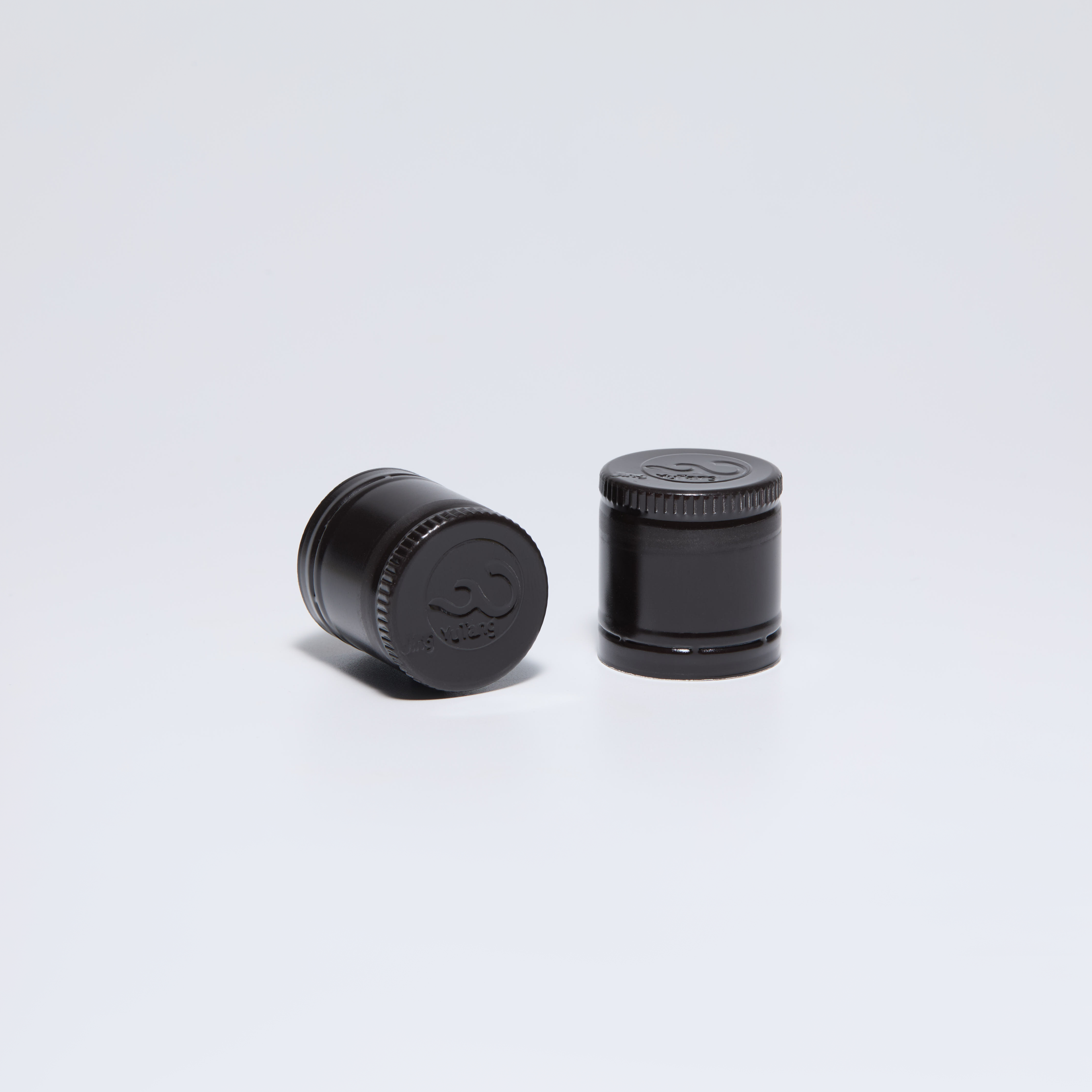
Food and beverage packaging demands materials that protect product integrity while ensuring consumer safety and extending shelf life. Among the diverse closure options available to manufacturers, tinplate caps have emerged as a preferred solution for numerous applications ranging from preserving jams and sauces to sealing beverage bottles. These metal closures combine the strength of steel with the corrosion resistance of tin coating, creating a barrier system that addresses critical packaging requirements. Understanding the specific advantages that tinplate caps deliver helps manufacturers make informed decisions about packaging materials that influence product quality, brand perception, and operational efficiency throughout the supply chain.
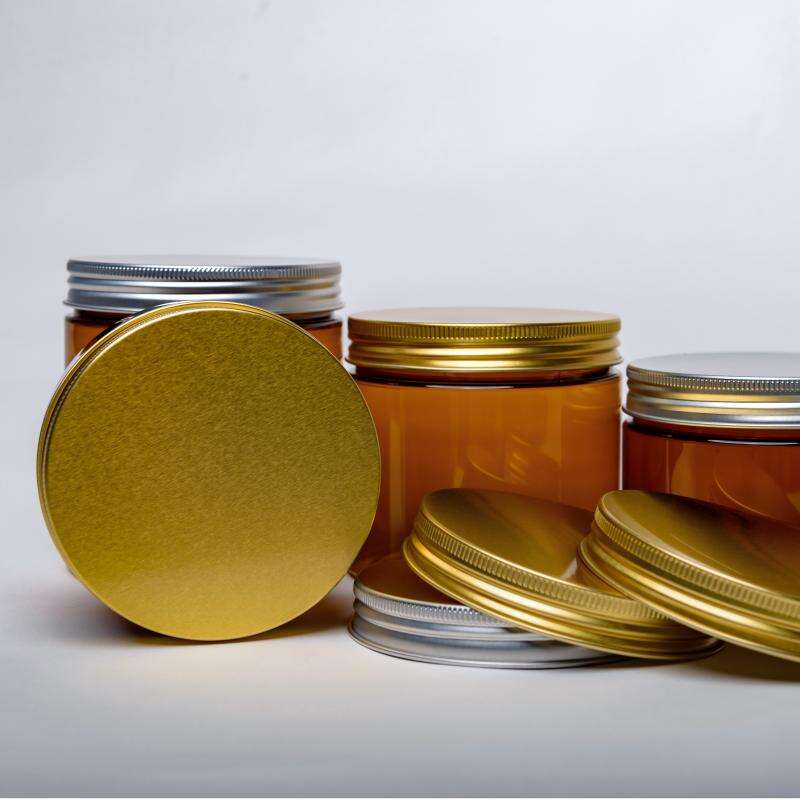
The advantages of tinplate caps extend across multiple performance dimensions that directly impact both manufacturers and consumers. From superior barrier properties that prevent oxygen ingress and moisture transfer to mechanical strength that withstands distribution stresses, these closures offer a comprehensive solution for food and beverage preservation. The tin coating provides excellent resistance to corrosion from acidic contents, while the steel substrate delivers structural integrity necessary for secure sealing and tamper evidence. Additionally, tinplate caps support sustainability objectives through recyclability, enhance brand differentiation through customizable printing surfaces, and maintain compatibility with high-speed automated filling lines. These multifaceted benefits explain why tinplate caps remain a dominant closure choice across diverse product categories within the food and beverage industry.
Superior Barrier Performance and Product Preservation
Oxygen Barrier Capabilities
The fundamental advantage of tinplate caps lies in their exceptional oxygen barrier properties, which are essential for maintaining the quality and safety of food and beverage products. Unlike plastic closures that exhibit varying degrees of oxygen permeability, tinplate caps provide an absolute barrier when properly sealed, preventing oxidative degradation that causes flavor deterioration, color changes, and nutritional loss. This impermeability is particularly crucial for products containing fats and oils susceptible to rancidity, acidic foods prone to discoloration, and beverages where freshness directly impacts consumer acceptance. The complete oxygen exclusion achieved by tinplate caps extends shelf life significantly compared to permeable alternatives, reducing product waste and enabling longer distribution cycles.
Food manufacturers processing sensitive products such as fruit preserves, tomato-based sauces, and pickled vegetables benefit substantially from the oxygen barrier that tinplate caps deliver. The hermetic seal created between the cap and container eliminates the gradual quality decline associated with oxygen exposure, maintaining sensory attributes and nutritional value throughout the intended shelf life. This barrier effectiveness remains consistent across temperature variations encountered during storage and distribution, unlike some polymer materials whose permeability increases with heat exposure. For premium products where quality differentiation justifies packaging investment, tinplate caps represent a reliable solution that protects product integrity from filling to consumption.
Moisture and Vapor Transmission Prevention
Beyond oxygen protection, tinplate caps excel at preventing moisture vapor transmission that can compromise product consistency and safety. Powdered beverage mixes, dried seasoning blends packaged in glass jars, and concentrated liquid products all require protection from environmental humidity that could trigger clumping, microbial growth, or dilution. The impermeable nature of tinplate caps ensures that moisture content remains stable regardless of external conditions, maintaining product specifications established during manufacturing. This moisture barrier works bidirectionally, also preventing moisture loss from liquid products that could lead to concentration changes affecting taste and usability.
The effectiveness of tinplate caps in controlling moisture transfer becomes particularly evident in challenging storage environments such as humid climates or refrigerated conditions where condensation poses risks. Products sealed with these metal closures maintain their designed moisture levels without the gradual equilibration with ambient humidity that occurs with less effective sealing systems. This moisture control capability extends beyond primary preservation to include secondary benefits such as preventing label degradation from moisture wicking through closure systems and maintaining vacuum levels in heat-processed products where moisture ingress could compromise negative pressure seals.
Aroma Retention and Flavor Protection
Volatile aromatic compounds that define the characteristic flavors of food and beverage products require containment systems that prevent their escape through the closure. Tinplate caps provide excellent retention of these volatile components, preserving the intended sensory profile throughout the product's shelf life. Coffee products, essential oil-based seasonings, and aromatic beverages particularly benefit from this containment capability, as flavor intensity directly influences consumer satisfaction and repurchase decisions. The impermeable barrier prevents both the loss of desirable volatile compounds and the ingress of external odors that could contaminate the product.
Comparative studies of closure systems demonstrate that tinplate caps consistently outperform plastic alternatives in maintaining aromatic compound concentrations over extended storage periods. This advantage translates to products that deliver consistent flavor experiences from first opening to final use, supporting brand quality positioning and consumer loyalty. For premium food products where distinctive flavor profiles justify higher pricing, the aroma protection provided by tinplate caps represents a critical packaging function that preserves the product attributes consumers value most.
Mechanical Strength and Container Integrity
Structural Durability During Distribution
The mechanical properties of tinplate caps provide crucial protection during the distribution cycle where packages encounter multiple handling stages, transportation vibrations, and potential impact events. The steel substrate of tinplate caps resists deformation from compression forces in stacked pallets and maintains dimensional stability under the stress conditions typical of modern logistics systems. This structural integrity ensures that sealed closures remain properly engaged with container threads or sealing surfaces throughout distribution, preventing loosening that could compromise product protection or create consumer safety concerns.
Food and beverage manufacturers shipping products through extended supply chains particularly value the mechanical reliability that tinplate caps deliver. Unlike closures manufactured from softer materials that may distort under load or lose torque retention over time, metal caps maintain their applied closure force consistently. This mechanical stability proves essential for carbonated beverages where internal pressure creates outward force on the closure system and for vacuum-sealed products where external atmospheric pressure generates inward stress. The dimensional consistency of tinplate caps across temperature variations further ensures reliable performance from production through consumer use, regardless of climate conditions encountered during distribution.
Tamper Evidence and Security Features
Consumer safety regulations and brand protection requirements make tamper evidence a critical function of food and beverage closures. Tinplate caps readily accommodate various tamper-evident features including tear-off bands, safety buttons, and breakaway rings that provide visible indication of package integrity. The mechanical properties of tinplate allow for precise forming of these security features during cap manufacturing, creating reliable evidence systems that function consistently across production volumes. The permanence of deformation in metal materials ensures that tampering attempts leave unmistakable evidence, unlike some plastic systems where manipulation may go undetected.
The integration of tamper evidence into tinplate caps supports regulatory compliance while enhancing consumer confidence in product safety. Manufacturers benefit from the legal protection these features provide against liability claims related to product adulteration, while retailers appreciate the reduced risk of in-store tampering affecting saleable inventory. For products targeting safety-conscious market segments such as baby food, pharmaceutical beverages, and organic products, the robust tamper evidence capabilities of tinplate caps represent an essential packaging attribute that supports brand trust and market positioning.
Torque Retention and Resealing Performance
The ability of tinplate caps to maintain consistent application torque over extended periods ensures reliable opening experiences for consumers while supporting product protection throughout multiple use cycles. The dimensional stability of metal closures prevents the torque relaxation that occurs with some polymer materials, maintaining the intended resistance to removal that balances ease of opening with assurance of seal integrity. This torque retention proves particularly important for products stored for extended periods before consumption, where closure systems must function reliably despite aging effects on materials and sealing compounds.
For products consumed over multiple occasions, the resealing capability of tinplate caps provides continued protection between uses. The thread systems formed in metal caps maintain their precision geometry through repeated opening and closing cycles, unlike plastic threads that may wear or distort with use. This resealing reliability extends product freshness for condiments, preserves, and beverage products where consumers expect reliable closure performance throughout the container's use life. The consistent engagement between tinplate cap threads and glass container threads creates dependable seals that maintain product quality from first opening to final consumption.
Chemical Resistance and Product Compatibility
Corrosion Resistance with Acidic Contents
The tin coating applied to steel substrates in tinplate caps provides exceptional resistance to corrosion from acidic food products that would rapidly degrade unprotected metal surfaces. Products such as pickles, sauerkraut, tomato sauces, and citrus-based beverages contain organic acids that create aggressive environments for packaging materials. The tin layer acts as a sacrificial barrier that protects the underlying steel from direct contact with corrosive contents, while the electrochemical properties of tin in acidic environments create passivation effects that further enhance corrosion resistance. This protective mechanism allows tinplate caps to maintain structural integrity and appearance throughout product shelf life despite continuous exposure to challenging pH conditions.
Advanced coating technologies applied to modern tinplate caps further enhance their compatibility with acidic products. Organic coatings such as epoxy and polyester systems provide additional barriers between the tinplate surface and product contents, eliminating direct metal contact that could affect product flavor or appearance. These coating systems are carefully selected and tested for specific product categories, ensuring complete compatibility with ingredients, processing temperatures, and storage conditions. The combination of tin passivation and organic coatings creates a comprehensive protection system that maintains both closure functionality and product quality throughout demanding applications.
High Temperature Processing Compatibility
Thermal processing methods such as pasteurization and retorting require closure systems that withstand elevated temperatures without degradation or performance loss. Tinplate caps demonstrate excellent thermal stability, maintaining dimensional integrity and sealing effectiveness through hot-fill processes, steam sterilization, and retort cooking cycles commonly used in food preservation. The melting point of tin far exceeds processing temperatures encountered in food manufacturing, ensuring that the protective coating remains intact and functional throughout thermal treatments. This heat resistance allows manufacturers to use tinplate caps across diverse processing methods without changing closure specifications or compromising product safety.
The thermal expansion characteristics of tinplate caps match well with glass containers commonly used for heat-processed foods, preventing seal failure from differential expansion during heating and cooling cycles. The metal closure expands and contracts in coordination with the glass rim, maintaining sealing pressure throughout temperature variations. This compatibility proves essential for vacuum-sealed products where thermal processing creates negative pressure that must be reliably maintained throughout shelf life. Manufacturers processing premium products such as artisanal preserves, gourmet sauces, and specialty beverages benefit from the processing versatility that tinplate caps enable, allowing formulation and preservation flexibility without closure system limitations.
Flavor Neutrality and Non-Reactivity
Product flavor integrity depends on closure materials that introduce no taste or odor compounds through migration or chemical interaction. Tinplate caps demonstrate excellent flavor neutrality when properly coated, preventing the metallic taste issues that could occur with unprotected metal contact. The organic coatings applied to food-contact surfaces of tinplate caps are specifically formulated to eliminate extractables and leachables that could affect sensory properties. Rigorous testing protocols ensure that these coating systems meet regulatory standards for food contact applications while maintaining complete inertness toward product ingredients across pH ranges and storage temperatures.
The non-reactive nature of properly coated tinplate caps makes them suitable for diverse product formulations including those containing colorants, preservatives, and flavor compounds that might interact with less stable closure materials. This chemical compatibility extends to products with elevated fat content, where certain polymer materials may absorb or be swollen by lipid components. The impermeability and chemical stability of tinplate caps ensure that product formulations remain unchanged throughout shelf life, delivering consistent sensory experiences that meet consumer expectations and support brand quality standards.
Sustainability and Environmental Considerations
Recyclability and Circular Economy Integration
The recyclability of tinplate caps represents a significant environmental advantage that aligns with increasing sustainability requirements from retailers, regulators, and consumers. Steel ranks among the most recycled materials globally, with well-established collection and reprocessing infrastructure supporting circular material flows. Tinplate caps can be recycled indefinitely without degradation of material properties, creating closed-loop systems that reduce reliance on virgin materials and minimize environmental impact. The magnetic properties of steel facilitate automated separation in recycling facilities, enabling efficient recovery even when caps are commingled with other packaging materials in consumer recycling streams.
Food and beverage manufacturers increasingly prioritize packaging materials that support corporate sustainability commitments and respond to consumer environmental concerns. The established recyclability of tinplate caps provides quantifiable environmental benefits that can be communicated through labeling and marketing claims. Unlike emerging bioplastic alternatives whose recycling infrastructure remains limited, tinplate caps integrate seamlessly into existing material recovery systems, ensuring that environmental benefits are realized in practice rather than remaining theoretical. This recyclability advantage becomes particularly valuable as extended producer responsibility regulations expand globally, requiring manufacturers to account for end-of-life packaging management.
Energy Efficiency in Production and Transportation
Modern tinplate cap manufacturing employs efficient production processes that optimize material utilization and minimize energy consumption per unit produced. High-speed stamping operations convert coiled tinplate into finished caps with minimal waste generation, while advanced coating application systems reduce solvent use and emissions. The durability of tinplate caps eliminates the need for secondary packaging to prevent damage during distribution, reducing overall packaging material consumption. These production efficiencies contribute to favorable life cycle assessment profiles that consider environmental impacts across manufacturing, distribution, use, and end-of-life phases.
The lightweight design possibilities with modern tinplate gauges reduce transportation energy requirements while maintaining necessary closure performance. Advances in steel manufacturing and coating technologies enable the use of thinner substrates without compromising mechanical strength or barrier properties, decreasing material consumption and shipping weights. For manufacturers distributing products across extended distances, these weight reductions generate measurable decreases in transportation-related carbon emissions. The combination of production efficiency, material optimization, and transportation benefits positions tinplate caps favorably in sustainability comparisons with alternative closure systems.
Reduced Food Waste Through Extended Preservation
The superior barrier and protection capabilities of tinplate caps contribute indirectly but significantly to sustainability by extending product shelf life and reducing food waste. Extended preservation enables broader distribution geographic reach, longer retail display periods, and increased household consumption time windows, all of which decrease the likelihood of product disposal before consumption. When food waste environmental impacts are considered comprehensively, including agricultural inputs, processing energy, and disposal emissions, the preservation benefits delivered by effective packaging systems emerge as substantial sustainability contributions.
Manufacturers and retailers increasingly recognize that packaging decisions influence total system sustainability beyond the packaging material itself. The enhanced product protection provided by tinplate caps reduces spoilage-related product losses throughout the supply chain, improving the environmental efficiency of food production systems. For products with high embodied energy and water footprints such as meat-based products, fruit concentrates, and premium specialty foods, preservation effectiveness becomes a critical sustainability consideration. The life-extending capabilities of tinplate caps thus represent an environmental benefit that complements their recyclability advantages, supporting holistic sustainability strategies.
Branding Opportunities and Market Differentiation
Print Quality and Visual Appeal
The smooth, uniform surface of tinplate caps provides an excellent substrate for high-quality printing that enhances brand visibility and shelf appeal. Advanced lithography and digital printing technologies reproduce complex graphics, gradients, and fine text with exceptional clarity on metal surfaces, creating premium visual presentations that differentiate products in competitive retail environments. The reflective properties of tinplate surfaces can be leveraged through selective printing and coating patterns to create eye-catching effects that draw consumer attention. Color reproduction accuracy on tinplate caps ensures brand consistency across production batches, maintaining visual standards essential for brand recognition.
Manufacturers launching premium product lines or seeking to elevate brand perception utilize the printing capabilities of tinplate caps to communicate quality positioning through packaging aesthetics. The durability of printed graphics on metal surfaces prevents the fading and wear that can occur with printed plastic closures, maintaining attractive appearance throughout distribution and retail display. For gift products and specialty foods where packaging contributes significantly to purchase decisions, the superior print quality achievable on tinplate caps represents a valuable marketing tool that justifies the packaging investment through enhanced consumer appeal and price premium support.
Embossing and Three-Dimensional Features
The formability of tinplate caps enables the creation of embossed logos, textured patterns, and three-dimensional design elements that add tactile and visual interest to packaging. These raised features enhance brand recognition through distinctive appearance and provide a quality cue that consumers associate with premium products. Embossing can be integrated during cap forming operations without requiring secondary processes, making it a cost-effective differentiation strategy for manufacturers seeking to enhance packaging impact. The permanent nature of embossed features in metal ensures consistent appearance throughout the product lifecycle, maintaining brand presentation from manufacturing through consumer use.
Brand owners increasingly recognize that packaging touch and feel influence consumer quality perceptions and purchase decisions. The tactile feedback provided by embossed tinplate caps creates a sensory experience that reinforces premium positioning and differentiates products from competitors using flat closure surfaces. For heritage brands and artisanal producers, embossed cap designs can communicate authenticity and craftsmanship values that resonate with target consumers. The combination of visual and tactile differentiation achievable through embossed tinplate caps represents a powerful branding tool that extends beyond mere product protection to active marketing communication.
Customization for Limited Editions and Promotions
The production flexibility of tinplate caps supports customization for seasonal promotions, limited editions, and market-specific variants that drive consumer interest and trial. Manufacturers can economically produce specialized cap designs for promotional campaigns without requiring major equipment changes or minimum quantities that preclude limited runs. This customization capability enables marketing strategies that create collection incentives, support cross-promotions with complementary brands, and test market responses to product innovations. The ability to quickly implement cap design changes allows responsive marketing that capitalizes on trending themes and seasonal opportunities.
Food and beverage brands operating in competitive categories utilize customized tinplate caps to generate excitement and differentiation beyond product formulation alone. Collectible cap series, holiday-themed designs, and regionally customized graphics create additional purchase motivations that complement core product appeal. The premium appearance of customized metal caps enhances perceived value, potentially supporting price premiums that offset customization costs. For brands building community engagement and loyalty, limited edition tinplate caps become keepsakes that extend brand interaction beyond product consumption, creating lasting impressions that support long-term customer relationships.
FAQ
Why do tinplate caps cost more than plastic alternatives?
Tinplate caps typically have higher unit costs than plastic closures due to material composition and manufacturing processes. Steel with tin coating represents a more expensive raw material than commodity polymers, while metal forming and coating operations require specialized equipment and energy inputs. However, the total cost evaluation should consider performance benefits including extended shelf life that reduces spoilage losses, premium positioning that supports higher product pricing, and consumer preference factors that influence purchase decisions. For many food and beverage applications, the superior barrier properties and quality perception delivered by tinplate caps justify the incremental cost through enhanced product value and reduced total system costs including waste and returns.
Can tinplate caps be used with all types of food and beverage containers?
Tinplate caps work optimally with glass containers that provide rigid sealing surfaces and thermal compatibility for heat processing applications. The thread systems or lug designs formed in tinplate caps match standardized glass container finishes, creating reliable seals when properly specified and applied. While technically compatible with some rigid plastic containers, the performance advantages of tinplate caps are most fully realized with glass packaging where barrier properties, premium presentation, and processing compatibility align. Container and cap specifications must be carefully matched to ensure proper sealing, with considerations including thread profile, sealing compound selection, and application torque parameters tailored to specific product requirements and processing conditions.
How long do tinplate caps maintain their protective properties?
When properly manufactured and applied, tinplate caps maintain their barrier and protective properties throughout typical food and beverage product shelf lives ranging from months to several years. The inherent stability of steel and tin materials ensures that physical barrier properties do not degrade over time, unlike some polymers that may experience permeability changes with aging. Internal coating systems are formulated and tested to remain intact and effective throughout intended storage periods and conditions. The actual protection duration depends on factors including product characteristics, storage temperature and humidity, and the integrity of the seal between cap and container. Manufacturers conduct shelf life studies specific to product-package combinations to establish validated expiration dating that ensures quality maintenance throughout the commercial lifecycle.
Are there any products that should not use tinplate caps?
While tinplate caps suit most food and beverage applications, certain product characteristics may favor alternative closure systems. Products requiring microwave heating in their original containers are incompatible with metal closures due to microwave energy interaction with conductive materials. Extremely alkaline products with pH levels above 10 may require specialized coating systems or alternative materials, as strong bases can degrade standard tinplate coatings. Very low viscosity products requiring precise dispensing control might benefit from specialized plastic closures with integrated pour spouts or dosing mechanisms not easily achieved with metal caps. Product and closure selection should consider the full range of functional requirements including processing conditions, dispensing needs, consumer use patterns, and cost constraints to identify the optimal packaging system for specific applications.