
 EN
EN
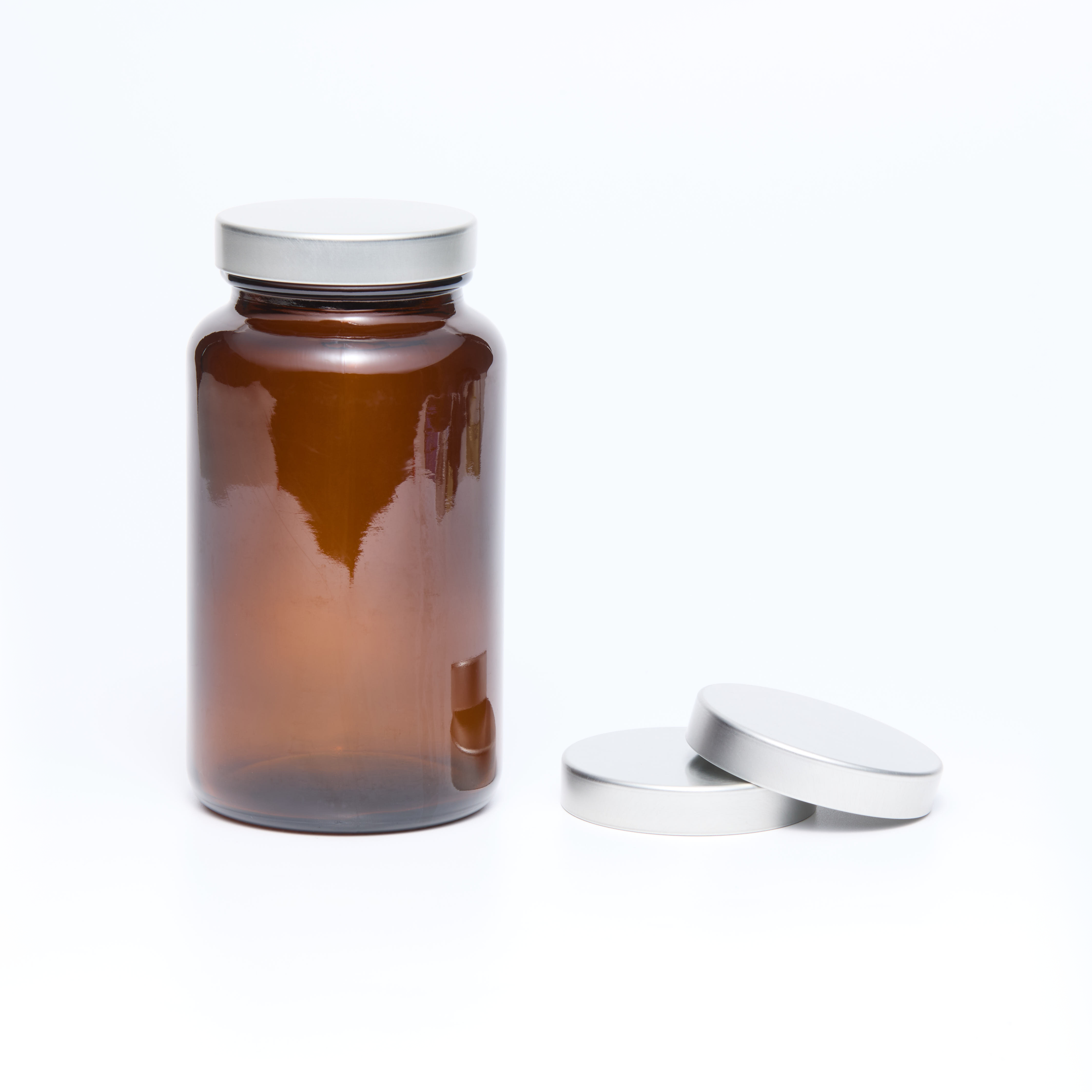
Thread accuracy represents a critical quality factor that determines the success or failure of metal screw caps in packaging applications. Manufacturing facilities across the globe struggle with achieving consistent thread dimensions, often resulting in caps that fail to seal properly or require excessive torque during application. The precision required for metal screw caps demands sophisticated manufacturing processes, quality control systems, and specialized equipment designed specifically for threaded closure production. Understanding the fundamental principles behind thread accuracy enables manufacturers to implement effective quality assurance protocols and maintain competitive advantage in the packaging industry.

Understanding Thread Specifications and Standards
International Threading Standards
Metal screw caps must conform to internationally recognized threading standards that ensure compatibility across different bottle neck designs and geographical markets. The most commonly applied standards include ISO 12821 for continuous thread closures, ASTM standards for North American markets, and various national specifications that govern thread pitch, diameter tolerances, and engagement requirements. These standards define precise measurements for thread height, pitch angle, crest radius, and root radius that directly impact the sealing performance of metal screw caps. Manufacturing teams must maintain detailed documentation of applicable standards and regularly update their processes to accommodate evolving specifications.
Thread pitch consistency plays a fundamental role in ensuring proper cap application and removal torque characteristics. Variations in pitch can result in cross-threading during application or excessive removal forces that compromise consumer experience. Modern metal screw caps require pitch accuracy within ±0.05mm to maintain optimal performance across automated filling and capping lines. Quality control personnel must utilize specialized thread gauges and measurement equipment to verify pitch consistency throughout production runs and implement corrective actions when deviations occur.
Critical Dimensional Parameters
Thread major diameter represents the largest diameter measurement of the external thread profile and directly affects the initial engagement between cap and bottle neck. Manufacturing processes for metal screw caps must maintain major diameter tolerances within ±0.1mm to ensure consistent application performance across different bottle designs. Variations beyond these tolerances can result in loose-fitting caps that fail to provide adequate seal integrity or tight-fitting caps that require excessive application force.
Minor diameter specifications define the smallest diameter measurement of the thread profile and influence the structural integrity of the threaded connection. Metal screw caps with insufficient minor diameter dimensions may experience thread stripping under normal application torques, while excessive minor diameter measurements can interfere with proper thread engagement. Quality assurance protocols must include regular measurement of both major and minor diameter specifications using calibrated measurement equipment and documented inspection procedures.
Manufacturing Process Control
Thread Formation Techniques
Thread rolling represents the most widely adopted method for creating threads on metal screw caps due to its ability to produce consistent thread profiles while work-hardening the material for improved durability. The rolling process utilizes precision dies that gradually form the thread profile through controlled deformation of the cap material. Process parameters including die pressure, rolling speed, and material feed rate must be carefully controlled to achieve consistent thread dimensions and surface finish quality.
Thread cutting operations provide an alternative manufacturing approach for metal screw caps requiring specific thread profiles or materials that are not suitable for rolling processes. Cutting operations utilize precision tooling to remove material and create the desired thread geometry, offering greater flexibility in thread design but potentially reducing material strength compared to rolled threads. Manufacturing teams must evaluate the trade-offs between thread formation methods and select the most appropriate technique based on material properties, production volume requirements, and quality specifications.
Quality Control Integration
Statistical process control implementation enables manufacturers to monitor thread accuracy parameters continuously and identify process variations before they result in non-conforming metal screw caps. Control charts tracking thread pitch, major diameter, minor diameter, and thread height provide real-time feedback on process stability and highlight opportunities for process optimization. Quality control personnel must establish appropriate sampling frequencies and measurement protocols to ensure adequate process monitoring without compromising production efficiency.
Automated inspection systems equipped with vision technology and precision measurement capabilities enable high-speed quality verification of metal screw caps throughout production runs. These systems can detect thread defects, dimensional variations, and surface irregularities that might compromise cap performance while maintaining production throughput requirements. Integration of automated inspection data with manufacturing execution systems provides comprehensive traceability and enables rapid response to quality issues when they occur.
Material Considerations and Impact
Material Selection Criteria
Material selection significantly influences the thread accuracy achievable in metal screw caps production, with aluminum alloys offering excellent formability and corrosion resistance properties that support precise thread formation. The work-hardening characteristics of aluminum enable thread rolling processes to create durable thread profiles while maintaining dimensional stability throughout the cap lifecycle. Material thickness specifications must balance structural integrity requirements with formability constraints to achieve optimal thread geometry and performance characteristics.
Steel materials provide enhanced strength properties for metal screw caps applications requiring superior tamper resistance or extreme temperature performance. However, steel materials typically require more aggressive forming processes and specialized tooling to achieve comparable thread accuracy levels. Manufacturing teams must consider material hardness, ductility, and forming characteristics when developing process parameters for steel-based metal screw caps to ensure consistent thread quality and dimensional accuracy.
Surface Treatment Effects
Surface coating applications including lacquers, polymeric linings, and decorative finishes can influence thread dimensions and must be carefully controlled to maintain thread accuracy in metal screw caps. Coating thickness variations can effectively alter thread dimensions and impact cap application torque characteristics. Quality control procedures must include post-coating dimensional verification to ensure that surface treatments do not compromise thread functionality or sealing performance.
Anodizing processes commonly applied to aluminum metal screw caps create a controlled oxide layer that enhances corrosion resistance but can affect thread dimensions if not properly managed. The anodizing process typically adds 5-15 microns of material to surface dimensions, requiring compensation in base metal dimensions to maintain final thread specifications. Process control systems must account for anodizing thickness variations and implement appropriate dimensional adjustments to ensure consistent thread accuracy across production lots.
Testing and Verification Methods
Dimensional Measurement Techniques
Coordinate measuring machines equipped with specialized thread measurement software provide comprehensive dimensional analysis capabilities for metal screw caps quality verification. These systems can measure all critical thread parameters simultaneously and generate detailed reports comparing actual dimensions against specification requirements. Regular calibration of measurement equipment and standardized measurement procedures ensure consistent and reliable dimensional data throughout production operations.
Thread gauge systems offer practical quality control solutions for high-volume production environments where rapid go/no-go decisions are required. These gauges enable production personnel to quickly verify thread conformance without requiring specialized measurement skills or extended inspection times. Quality control procedures must include regular verification of thread gauge accuracy and replacement schedules to maintain measurement reliability throughout production operations.
Functional Performance Testing
Application torque testing provides critical performance data for metal screw caps by measuring the force required to achieve proper sealing engagement with compatible bottle necks. Excessive application torques may indicate thread interference issues or dimensional variations, while insufficient torques can signal loose thread fits that compromise sealing integrity. Testing protocols must establish appropriate torque ranges based on cap material, thread design, and intended application requirements.
Removal torque testing evaluates the force required to remove metal screw caps after proper application and helps identify potential thread binding or galling issues that could compromise consumer experience. Consistent removal torques indicate proper thread engagement and material compatibility, while excessive variations may signal dimensional inconsistencies or surface finish problems. Quality assurance programs must establish acceptable removal torque ranges and implement corrective actions when performance criteria are not met.
Process Optimization Strategies
Equipment Calibration and Maintenance
Regular calibration of thread forming equipment ensures consistent production of metal screw caps with accurate dimensional characteristics throughout extended production runs. Calibration procedures must address all critical machine parameters including die alignment, forming pressure, feed rate control, and dimensional compensation systems. Maintenance schedules should incorporate both preventive maintenance activities and condition-based monitoring to optimize equipment performance and minimize dimensional variations.
Tool wear monitoring systems enable proactive replacement of thread forming dies and cutting tools before dimensional accuracy begins to deteriorate. Worn tooling can gradually introduce dimensional variations that may not be immediately apparent but can eventually result in non-conforming metal screw caps and customer complaints. Quality control personnel must establish tool wear limits based on dimensional measurement data and implement replacement protocols that maintain consistent thread accuracy.
Environmental Control Factors
Temperature variations in manufacturing environments can affect both material properties and tooling dimensions, potentially impacting thread accuracy in metal screw caps production. Thermal expansion of forming dies and workpiece materials must be considered when establishing dimensional specifications and process parameters. Climate control systems should maintain stable temperature conditions in critical production areas to minimize thermal effects on dimensional accuracy.
Humidity control becomes particularly important when dealing with materials or surface treatments that are sensitive to moisture absorption. Excessive humidity levels can affect material properties and surface finish quality, potentially impacting thread formation processes and dimensional stability. Manufacturing facilities must implement appropriate environmental monitoring and control systems to maintain optimal production conditions for metal screw caps manufacturing.
FAQ
What tolerance levels are acceptable for thread dimensions in metal screw caps
Thread dimension tolerances for metal screw caps typically range from ±0.05mm for thread pitch to ±0.1mm for major and minor diameters, depending on the specific application requirements and industry standards. These tolerances ensure proper fit and function while accommodating normal manufacturing variations and measurement uncertainties.
How frequently should thread dimensions be measured during production
Thread dimension measurement frequency should be based on production volume, process capability, and quality requirements, with typical sampling rates ranging from every 100 pieces for new processes to every 1000 pieces for stable, proven manufacturing operations. Critical applications may require more frequent sampling or continuous monitoring using automated systems.
What causes thread pitch variations in metal screw caps manufacturing
Thread pitch variations in metal screw caps can result from tool wear, machine vibration, material property changes, temperature fluctuations, or improper process parameters. Regular equipment maintenance, environmental control, and statistical process monitoring help identify and eliminate the root causes of pitch variations.
Can surface treatments affect thread accuracy in metal screw caps
Surface treatments including coatings, anodizing, and plating can add material thickness that affects final thread dimensions in metal screw caps. Manufacturing processes must account for surface treatment thickness and implement appropriate dimensional compensation to maintain thread accuracy after treatment application.