
 EN
EN

Industrial bottling operations demand precision, reliability, and efficiency to maintain product integrity throughout the manufacturing and distribution process. Among the critical components that ensure successful packaging, internal thread caps play a pivotal role in creating secure seals that protect contents from contamination, preserve freshness, and maintain quality standards. These specialized closures have become indispensable in modern bottling lines across various industries, from food and beverage to pharmaceuticals and cosmetics. Understanding how internal thread caps function and their impact on sealing performance is essential for manufacturers seeking to optimize their packaging processes and deliver superior products to consumers.
Understanding Internal Thread Cap Technology
Structural Design and Engineering
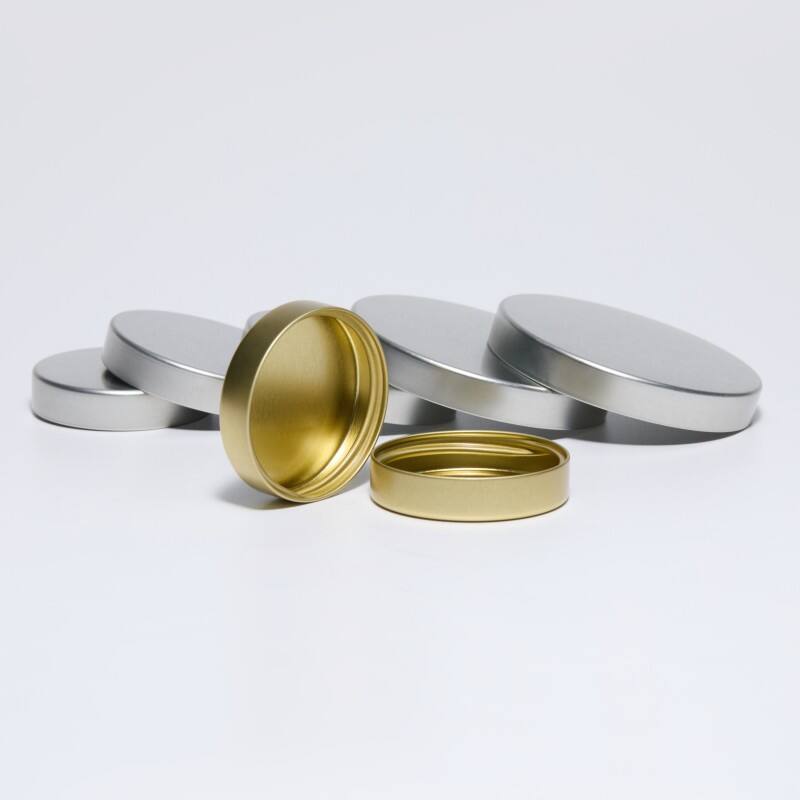
The engineering behind internal thread caps represents a sophisticated approach to bottle closure technology. Unlike external thread systems, internal thread caps feature threading mechanisms positioned inside the cap structure, creating a more streamlined external appearance while maintaining superior sealing capabilities. This design allows for precise engagement with corresponding bottle neck threads, ensuring consistent torque application and optimal seal formation. The internal threading system distributes stress more evenly across the closure interface, reducing the risk of over-tightening or under-tightening that could compromise seal integrity.
Advanced materials science plays a crucial role in internal thread caps performance. Modern manufacturing techniques utilize high-grade polymers and composite materials that offer excellent chemical resistance, temperature stability, and mechanical durability. These materials are specifically engineered to maintain their sealing properties across wide temperature ranges and extended storage periods. The internal structure incorporates specialized gasket systems or liner materials that conform to bottle rim irregularities, creating hermetic seals that prevent moisture ingress and preserve product quality.
Threading Mechanics and Precision
The threading mechanism in internal thread caps operates on principles of mechanical advantage and precise geometric alignment. Each thread pitch and angle is calculated to provide optimal closure force while minimizing application torque requirements. This precision engineering enables automated bottling lines to achieve consistent sealing results at high production speeds. The internal threading system allows for multiple engagement points between cap and bottle, distributing sealing forces uniformly around the entire circumference of the closure interface.
Quality control measures ensure that every internal thread caps meets strict dimensional tolerances and performance specifications. Advanced manufacturing processes employ computer-controlled molding and finishing techniques that maintain thread accuracy within micrometers. This precision is essential for achieving reliable seal performance across millions of closures in high-volume production environments. The threading geometry is optimized to provide tactile feedback during application, allowing operators to detect proper closure engagement and preventing application errors that could lead to seal failures.
Sealing Performance in Industrial Applications
Hermetic Seal Formation
The primary function of internal thread caps centers on creating reliable hermetic seals that protect packaged products from environmental contamination and quality degradation. The sealing mechanism combines mechanical compression with material science to achieve gas-tight and liquid-tight closures. When properly applied, these caps create multiple barrier layers that prevent oxygen transmission, moisture ingress, and volatile compound escape. The sealing system typically incorporates elastomeric gaskets or foam liners that compress against the bottle rim surface, conforming to microscopic irregularities and creating continuous seal integrity.
Seal performance testing demonstrates that high-quality internal thread caps can achieve leak rates below industry detection limits for extended periods. Laboratory evaluations using helium leak detection methods show that properly designed and manufactured caps maintain seal integrity under various stress conditions including temperature cycling, pressure differentials, and mechanical vibration. The multi-point sealing interface distributes stress loads effectively, preventing seal failure modes that could occur with single-point contact systems. This robust sealing performance makes internal thread caps ideal for products requiring long shelf life and stringent quality preservation.
Material Compatibility and Chemical Resistance
Industrial applications demand that internal thread caps demonstrate excellent compatibility with diverse product formulations and packaging requirements. The cap materials must resist chemical interaction with contents while maintaining structural integrity and sealing performance throughout the product lifecycle. Modern cap materials undergo extensive compatibility testing with common product ingredients including acids, oils, alcohols, and various preservatives. This testing ensures that caps do not introduce unwanted flavors, odors, or chemical migration that could affect product quality or consumer safety.
Temperature resistance represents another critical performance parameter for internal thread caps used in industrial bottling operations. Many applications require caps to maintain sealing performance across temperature ranges from refrigeration conditions to ambient storage and potential heat exposure during distribution. Advanced polymer formulations and liner materials are engineered to retain flexibility and sealing properties at low temperatures while resisting deformation and degradation at elevated temperatures. This thermal stability ensures consistent performance regardless of seasonal variations or supply chain conditions that products may encounter.
Integration with Automated Bottling Systems
High-Speed Application Technology
Modern bottling lines operate at remarkable speeds, with some systems capable of processing thousands of containers per minute. Internal thread caps are specifically designed to integrate seamlessly with these high-speed automated systems, providing reliable closure application without sacrificing seal quality or production efficiency. The cap design incorporates features that facilitate automatic feeding, orientation, and application through sophisticated machinery. Precision-molded engagement surfaces ensure consistent pickup by capping heads while internal threading allows for rapid, accurate placement and tightening operations.
Automated capping systems utilize advanced torque control technology to ensure that each internal thread caps receives optimal application force. These systems monitor and adjust application parameters in real-time, compensating for variations in bottle dimensions, fill levels, and environmental conditions. The consistent geometry and threading precision of quality caps enable capping machines to achieve uniform torque application across entire production runs. This consistency is essential for maintaining seal integrity while preventing over-tightening that could damage bottles or under-tightening that could compromise sealing performance.
Quality Assurance and Monitoring
Industrial bottling operations implement comprehensive quality assurance programs to ensure that internal thread caps perform consistently throughout production runs. Advanced monitoring systems track application parameters including torque values, threading engagement, and seal formation quality. Vision inspection systems examine each capped container to verify proper cap placement, thread engagement, and overall closure appearance. Statistical process control methods analyze performance data to identify trends and prevent quality deviations before they impact product integrity.
Automated testing equipment performs real-time leak detection and seal verification on representative samples from production lines. These systems can detect seal failures at parts-per-million levels, ensuring that only properly sealed containers proceed to packaging and distribution. The testing protocols often include pressure decay testing, vacuum testing, and tracer gas methods that provide quantitative measurement of seal performance. Data logging systems maintain complete traceability records that document the sealing performance of each production batch, supporting quality investigations and regulatory compliance requirements.
Industry-Specific Applications and Benefits
Food and Beverage Sector
The food and beverage industry relies heavily on internal thread caps to maintain product freshness, safety, and quality throughout distribution and storage. These caps provide essential barrier properties that prevent spoilage-causing microorganisms from entering containers while preserving volatile flavor compounds and nutritional content. In carbonated beverage applications, internal thread caps must maintain gas-tight seals that prevent carbon dioxide escape while withstanding internal pressures generated by carbonation. The sealing system design accommodates these pressure requirements while ensuring easy opening for consumers.
Shelf-stable food products benefit from the superior sealing performance of internal thread caps that protect against oxygen ingress and moisture contamination. These caps enable extended shelf life without refrigeration, reducing distribution costs and expanding market reach for food manufacturers. The chemical resistance properties of modern cap materials ensure compatibility with acidic products, oil-based formulations, and products containing natural or artificial preservatives. Regulatory compliance is simplified through the use of food-grade materials that meet stringent safety standards for direct food contact applications.
Pharmaceutical and Nutraceutical Industries
Pharmaceutical manufacturers require internal thread caps that provide tamper-evident features while maintaining the highest levels of product protection and stability. These applications often involve sensitive active ingredients that require protection from moisture, oxygen, and light exposure. The precision sealing capabilities of internal thread caps help maintain drug potency and extend product shelf life, which is critical for both efficacy and regulatory compliance. Many pharmaceutical caps incorporate desiccant systems or oxygen scavenging technologies that work in conjunction with the primary seal to create optimal storage environments.
Child-resistant closure designs often utilize internal thread caps mechanisms that provide the required safety features while maintaining ease of use for adult consumers. These specialized closures incorporate complex threading patterns or additional safety mechanisms that prevent accidental opening by children while allowing normal access by adults. The reliability of internal thread caps sealing performance is essential in these applications where product safety and regulatory compliance are paramount concerns. Quality standards for pharmaceutical closures often exceed those required for other industries, demanding exceptional consistency and performance validation.
Maintenance and Optimization Strategies
Equipment Calibration and Performance Monitoring
Maintaining optimal performance from internal thread caps requires systematic attention to capping equipment calibration and maintenance procedures. Regular calibration of torque application systems ensures that caps receive consistent tightening forces that optimize seal formation without risking bottle damage or closure failure. Preventive maintenance schedules include inspection and replacement of capping head components, thread engagement mechanisms, and torque monitoring systems. These maintenance activities prevent equipment drift that could lead to inconsistent cap application and potential seal failures.
Performance monitoring systems track key metrics including cap application success rates, torque consistency, and seal failure frequencies. Statistical analysis of this data helps identify trends that may indicate equipment wear, cap quality variations, or process optimization opportunities. Advanced systems provide real-time alerts when performance parameters exceed established control limits, enabling immediate corrective action before quality issues impact production output. Regular performance reviews help establish baseline expectations and identify opportunities for process improvements that enhance overall sealing reliability.
Storage and Handling Best Practices
Proper storage and handling of internal thread caps significantly impact their sealing performance and application reliability. Environmental conditions including temperature, humidity, and exposure to contaminants can affect cap materials and compromise sealing properties. Storage areas should maintain controlled conditions that preserve material integrity while preventing contamination that could interfere with sealing surfaces. Proper rotation of cap inventory ensures that older stock is used first, preventing age-related degradation that could affect performance.
Handling procedures must protect caps from damage that could compromise threading accuracy or sealing surface integrity. Automated feeding systems reduce handling damage while ensuring proper cap orientation for application equipment. Quality inspection procedures verify that caps meet specifications before introduction to production lines, preventing defective closures from reaching finished products. Training programs ensure that operators understand proper handling techniques and recognize signs of cap damage or contamination that could affect sealing performance.
FAQ
What makes internal thread caps more effective than external thread closures for sealing applications
Internal thread caps offer superior sealing performance through their unique design that positions threading mechanisms inside the cap structure. This configuration creates more uniform stress distribution around the sealing interface, reducing the risk of seal failure from uneven pressure application. The internal threading system also provides better protection for the threading surfaces from damage during handling and storage, maintaining precision engagement that is essential for consistent seal formation. Additionally, the streamlined external appearance of internal thread caps reduces the risk of thread damage during automated handling systems.
How do internal thread caps maintain seal integrity under varying temperature conditions
Modern internal thread caps utilize advanced materials and engineering designs that maintain sealing performance across wide temperature ranges. The cap materials are formulated to retain flexibility at low temperatures while resisting deformation at elevated temperatures. Specialized liner systems incorporate materials with controlled thermal expansion properties that maintain sealing contact pressure as temperatures fluctuate. Multi-layer sealing systems provide redundant barrier protection that accommodates thermal cycling without compromising overall seal integrity, ensuring consistent product protection throughout distribution and storage.
What quality control measures ensure consistent performance of internal thread caps in high-volume production
Comprehensive quality control programs for internal thread caps include dimensional inspection of threading accuracy, material property verification, and sealing performance testing. Statistical sampling procedures monitor cap consistency throughout production runs, while automated inspection systems verify proper cap formation and surface quality. Seal performance testing utilizes standardized protocols including pressure decay testing and leak detection methods that validate sealing capability under specified conditions. Traceability systems maintain complete production records that enable rapid identification and resolution of any quality issues that may arise.
How do internal thread caps integrate with modern automated bottling line requirements
Internal thread caps are specifically engineered to meet the demanding requirements of high-speed automated bottling systems. The cap design incorporates features that facilitate reliable feeding through automatic systems while maintaining precise orientation for proper application. Consistent geometric tolerances ensure reliable pickup and placement by capping machinery, while the internal threading system enables rapid engagement and tightening operations. Advanced torque control systems work with the precision threading to achieve optimal application forces that maximize seal integrity while maintaining high production speeds and minimizing equipment wear.
Table of Contents
- Understanding Internal Thread Cap Technology
- Sealing Performance in Industrial Applications
- Integration with Automated Bottling Systems
- Industry-Specific Applications and Benefits
- Maintenance and Optimization Strategies
-
FAQ
- What makes internal thread caps more effective than external thread closures for sealing applications
- How do internal thread caps maintain seal integrity under varying temperature conditions
- What quality control measures ensure consistent performance of internal thread caps in high-volume production
- How do internal thread caps integrate with modern automated bottling line requirements